Sail past the waters off a port and you may see cargo ships riding at anchor for days, unable to get a berth. When a ship sits idle for a day, crew wages, fuel and insurance keep running while no freight income comes in. So if one side fails to load or unload within the agreed time and holds the ship up, how should it pay for that? Shipping has long answered this question with a system called ‘demurrage.’
Demurrage, simply put, means ‘a daily charge the charterer pays the shipowner for holding a ship beyond the agreed cargo-handling time.’ The English word comes from Old French demorer and Latin demorari, meaning ‘to delay,’ and it has long been used in voyage charters, where a ship is hired to carry cargo.
In this article, we will look in turn at the basic structure of laytime and demurrage, the relationship between demurrage and despatch, demurrage and detention in container shipping, and the principles and disputes surrounding demurrage.
A shipping contract's promise that turns time into money
1. The basic structure of laytime and demurrage
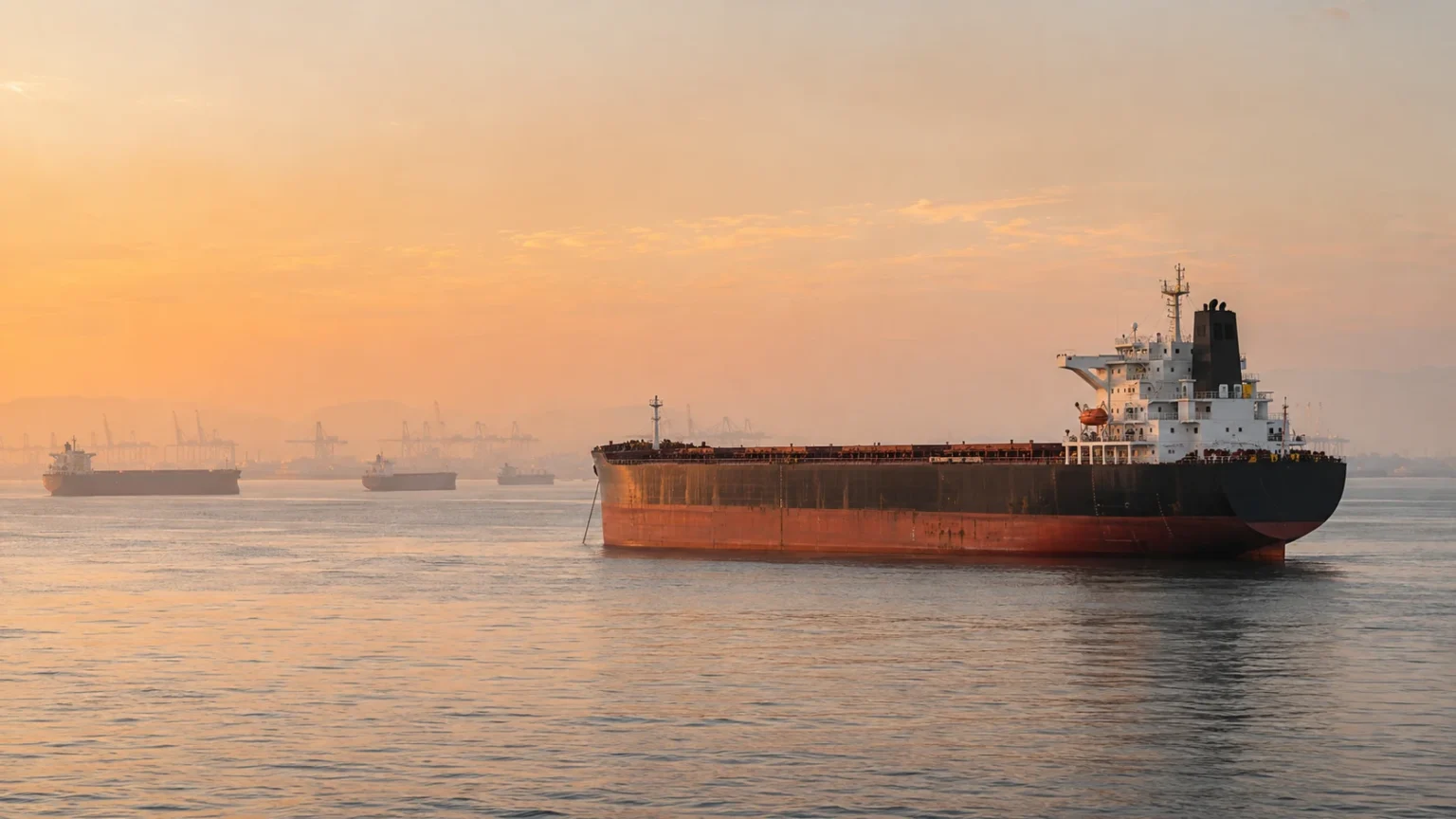
In a voyage charter, the shipowner provides the ship and the charterer is responsible for loading and discharging the cargo. The contract sets out in advance how much time may be used for cargo handling, and demurrage starts to accrue the moment that time is exceeded.
(1) Laytime
Laytime is the time the shipowner allows for cargo handling at no cost beyond the freight. It may be fixed as a period, such as a number of days, or worked out backwards from a handling rate, such as a number of tonnes per day.
(2) Notice of readiness
Laytime usually starts to run after the ship arrives at the port, tenders a Notice of Readiness stating that it is ready to load or discharge, and the period set in the contract has passed. Because when the clock starts is a matter of money, the time of the notice is recorded carefully.
(3) A daily rate
Demurrage is calculated by multiplying a daily amount agreed in the contract by the time exceeded, with part days prorated. The rate reflects market conditions at the time of the contract rather than the ship's actual running costs.
2. Demurrage and despatch at a glance

If demurrage is the price of delay, there is also a reward for finishing cargo work early. This is called despatch, and it is paid to the charterer by the shipowner, who gets the ship back sooner and can set off on the next voyage.
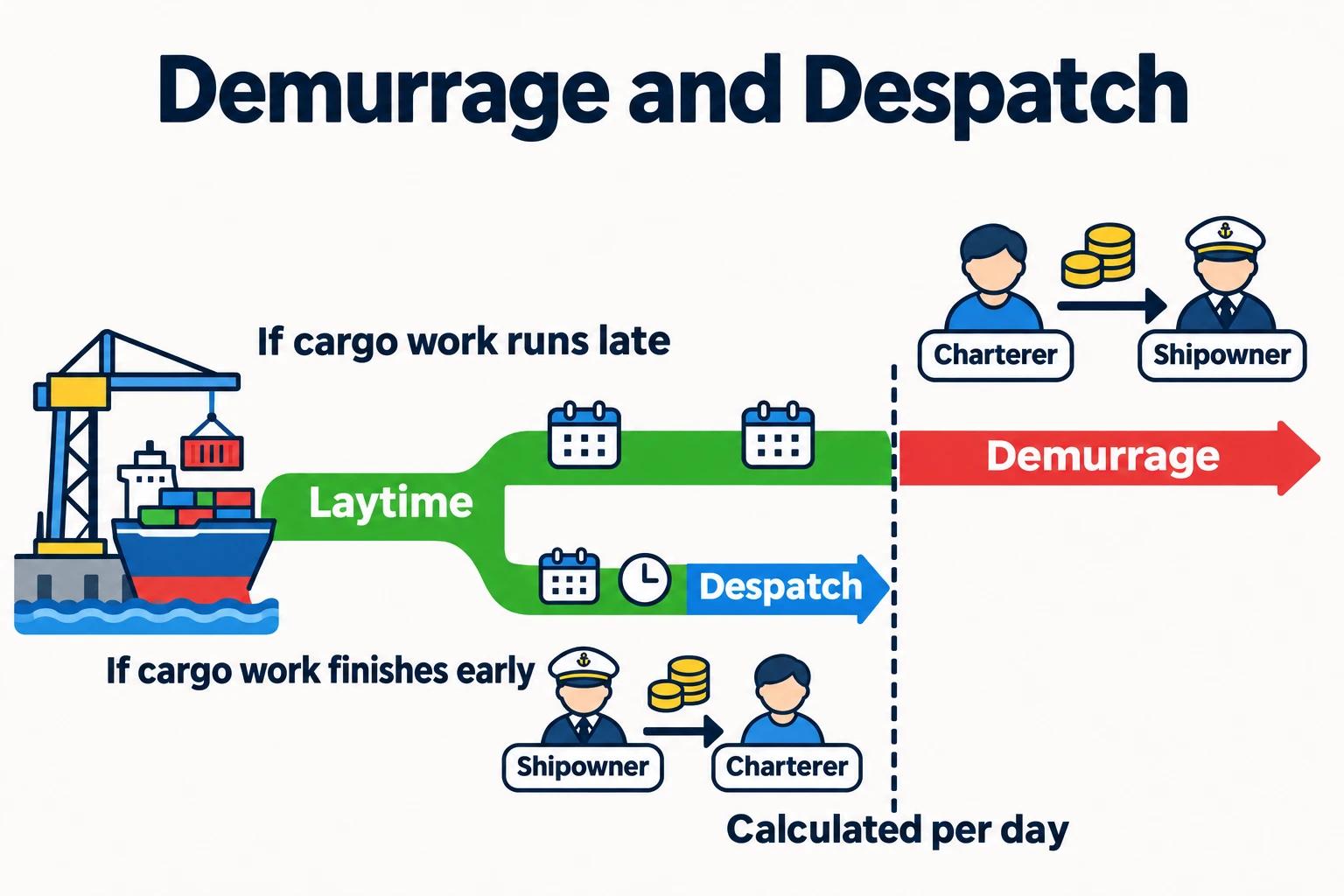
- Laytime: the time allowed in the contract for cargo handling.
- Demurrage: money the charterer pays the shipowner for the time spent beyond laytime.
- Despatch: money the shipowner pays the charterer when cargo handling finishes before laytime ends, often set at half the demurrage rate.
- Liquidated Damages: English law treats demurrage as damages for delay agreed in advance.
Because money can flow in both directions, the charterer has a reason to hurry cargo work, and the shipowner can run the ship on a predictable schedule. Demurrage is less a fine than a device by which two parties sharing the same time divide the risk in advance.
3. Demurrage and detention in container shipping
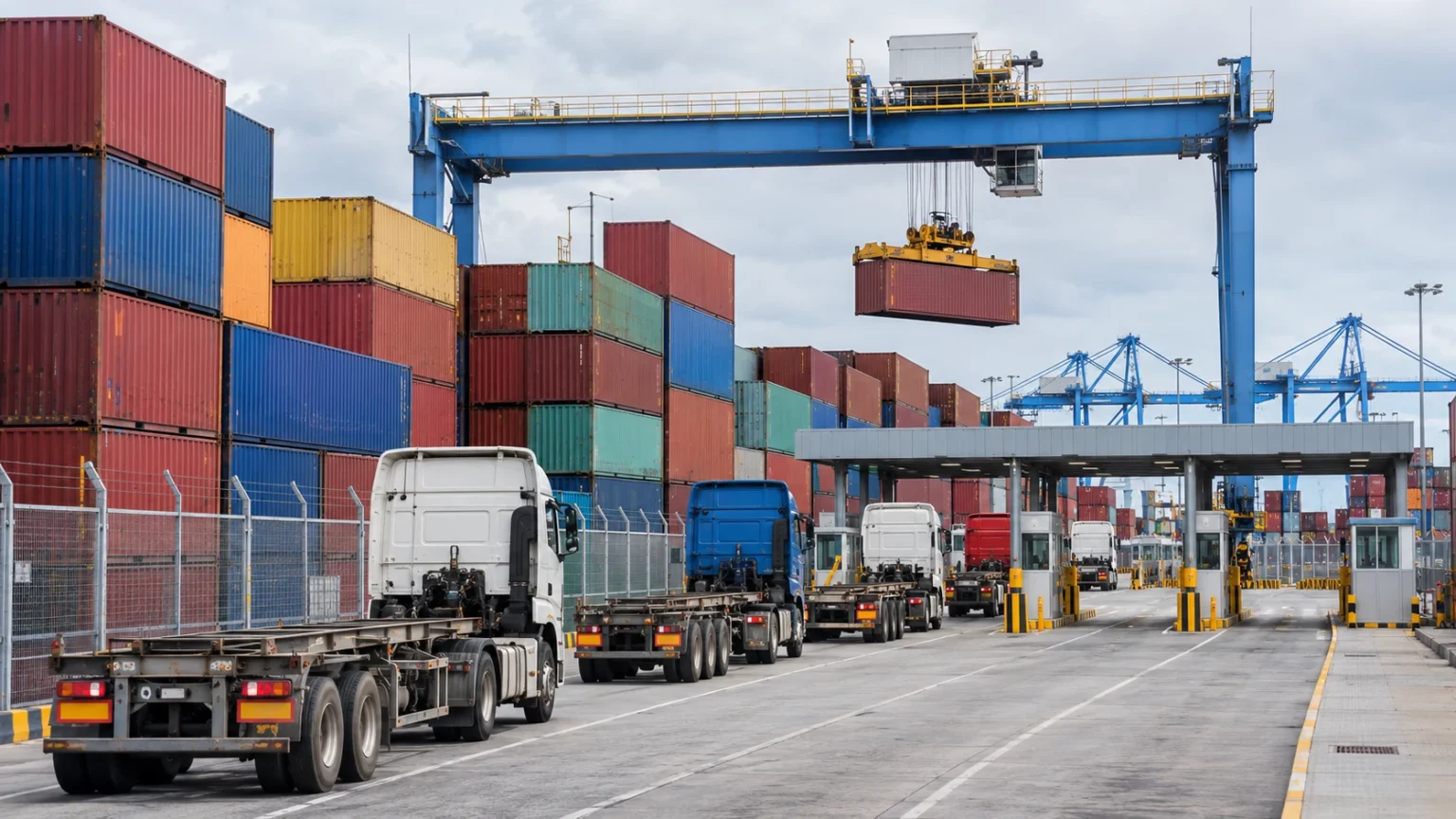
Similar charges exist in container shipping. Container cargo travels in a carrier's containers instead of a whole chartered ship, so what is counted here is not the time a ship is held but the time a container is held.
(1) Free time
Carriers give shippers a set free period to pick up and return containers. Once it runs out, a daily charge applies, and the rate often rises the longer the delay lasts.
(2) Demurrage and detention
In practice, the charge for the time a container stays inside the terminal is called demurrage, and the charge for returning a container late after taking it out of the terminal is called detention.
(3) Regulation arrives
As complaints grew over port congestion and excessive billing, the U.S. Federal Maritime Commission (FMC) issued an interpretive rule in 2020 and, after the Ocean Shipping Reform Act of 2022 was enacted, finalized billing rules in 2024. These rules require invoices to be issued within 30 days after the charges are incurred and give the billed party at least 30 days to dispute them.
4. Principles and disputes around demurrage

Although the formula for demurrage looks simple, disputes often arise over which time to exclude and which to include. As a result, the shipping industry has built up many principles and abbreviations related to demurrage.
(1) Once on demurrage, always on demurrage
As the maxim ‘Once on demurrage, always on demurrage’ says, once laytime has expired, demurrage generally keeps running even if something happens that would have been excluded during laytime. To prevent this, the contract must spell out separate exceptions to demurrage.
(2) Sunday and holiday terms
SHINC (Sundays and Holidays Included) in a contract means Sundays and holidays count toward laytime, while SHEX (Sundays and Holidays Excepted) means they do not. These few letters can change demurrage by a day or two.
(3) The Eternal Bliss ruling
In 2021, in The Eternal Bliss case, the English Court of Appeal held that, absent a separate breach of contract, demurrage covers all losses caused by delay in cargo handling. This meant that damage to a soybean cargo that deteriorated during the long wait could not be claimed separately from demurrage.
Behind demurrage lies the reality of shipping that time is money. The simple idea that someone has to pay for the time a ship is held up, that is the first step to understanding demurrage.