When a large earthquake strikes, seismic stations around the world record the shaking one after another within minutes. Strangely, however, seismic waves do not properly reach stations located at a certain distance from the epicenter. This band-shaped region, which seismic waves seem to avoid as if a shadow had fallen inside the Earth, is called the ‘seismic shadow zone’.
Simply put, a seismic shadow zone means ‘a region where seismic waves passing through the Earth’s interior are bent or blocked by the core and do not reach the surface directly’. In 1906, the British geologist Richard Dixon Oldham analyzed earthquake records and was the first to argue that the center of the Earth contains a core with different properties. Then, in 1914, the German-born seismologist Beno Gutenberg used the position of the shadow zone to calculate that the boundary of the core lies at a depth of about 2,900 km.
In this article, we will look in turn at the types of seismic waves that create the shadow zone, the two shadow zones formed by P-waves and S-waves, the outer and inner core revealed by the shadow zone, and finally where the shadow zone is used today.
Where seismic waves pass by: the seismic shadow zone
1. The seismic waves that create the shadow zone
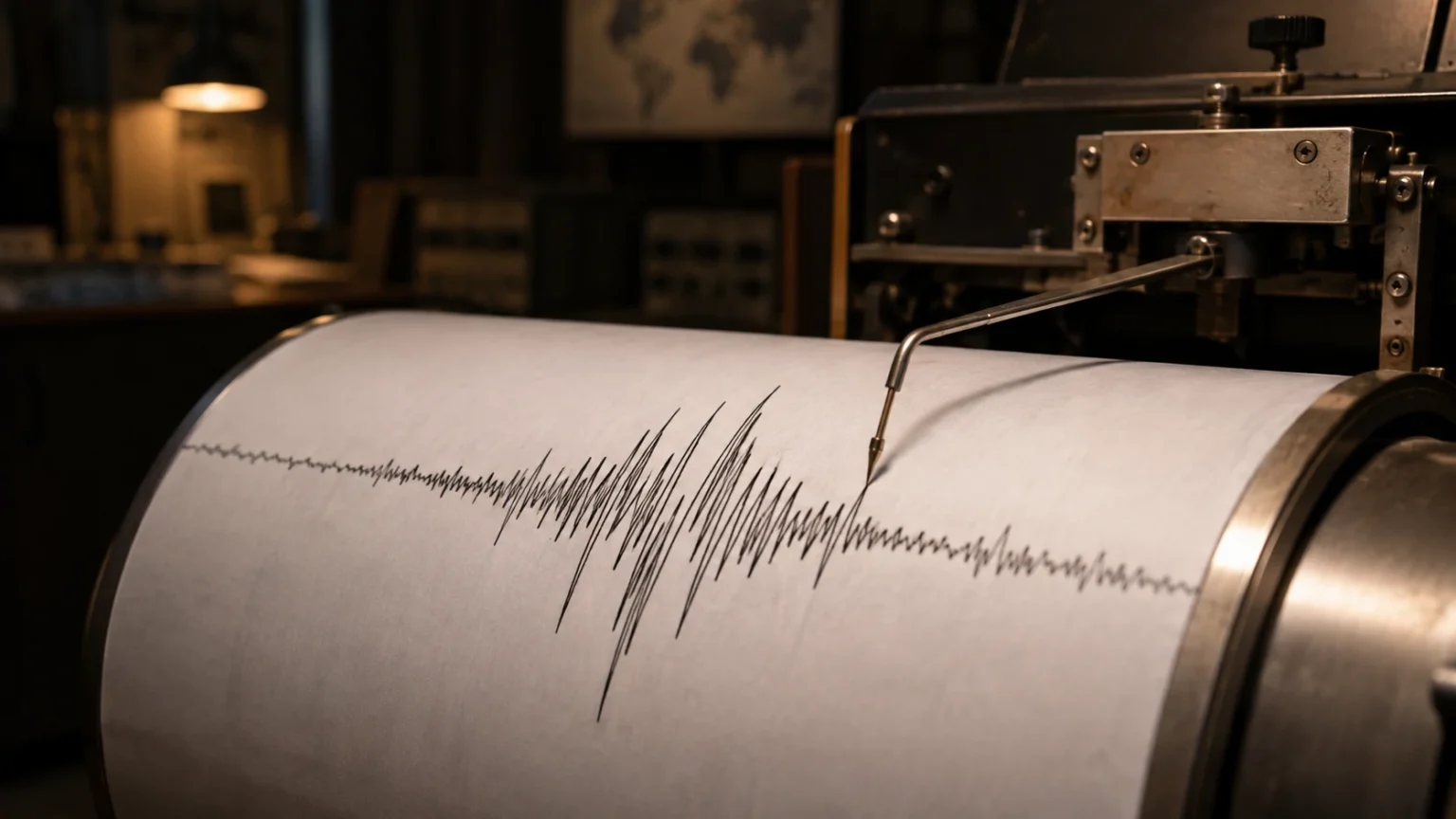
When an earthquake occurs, energy stored underground spreads out in all directions as waves. Among them, the waves that travel through the Earth’s interior are called body waves, and these body waves are exactly what create the shadow zone.
(1) P-waves
P-waves (primary waves) are longitudinal waves in which material is pushed and pulled in the same direction the wave travels. They are the fastest, so they arrive at stations first, and they can pass through both solids and liquids.
(2) S-waves
S-waves (secondary waves) are transverse waves in which material shakes perpendicular to the direction of travel. They are slower than P-waves and arrive second, and they cannot pass through liquids, which cannot resist twisting.
(3) Distance measured as an angle
In seismology, the distance between the epicenter and a station is expressed as an angle measured from the center of the Earth, called the angular distance. The epicenter is 0°, the exact opposite side of the Earth is 180°, and the position of the shadow zone is also given in these angles.
2. The P-wave shadow zone and the S-wave shadow zone

If the inside of the Earth were the same rock from beginning to end, seismic waves would reach every point on the surface. Actual records, however, show gaps where no seismic waves appear, and their shape differs between P-waves and S-waves.
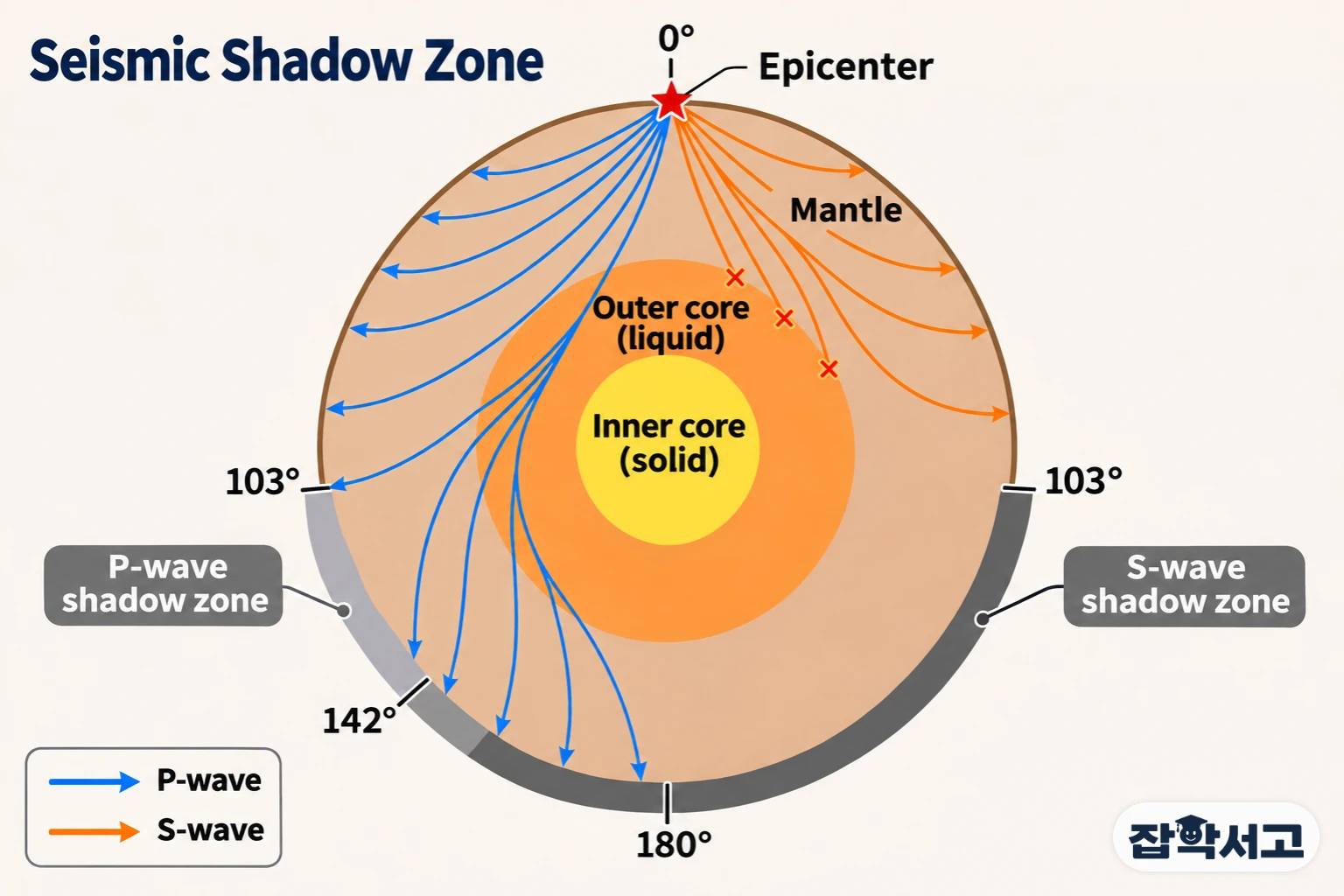
- P-wave shadow zone: a band at an angular distance of about 103° to 142°, where P-waves are strongly bent at the outer core boundary and do not arrive directly.
- S-wave shadow zone: the entire region farther than about 103° in angular distance, created because the liquid outer core does not let S-waves through.
- Refraction: the bending of a wave’s direction as its speed changes when it crosses the boundary between materials with different properties.
(1) Why P-waves bend
When P-waves enter the outer core from the mantle, their speed suddenly drops. Their path bends sharply inward, so they skip the 103° to 142° range and arrive farther than 142°.
(2) Why S-waves disappear
S-waves cannot pass through liquid, so they cannot go any farther once they reach the outer core. As a result, they are observed directly only within 103°, where they can arrive by traveling through the mantle alone without passing the outer core.
(3) The wide S-wave shadow
In the end, S-waves are not observed directly across a wide area on the side opposite the epicenter. This wide shadow became the strongest evidence that the outer core is liquid.
3. The outer and inner core revealed by the shadow zone
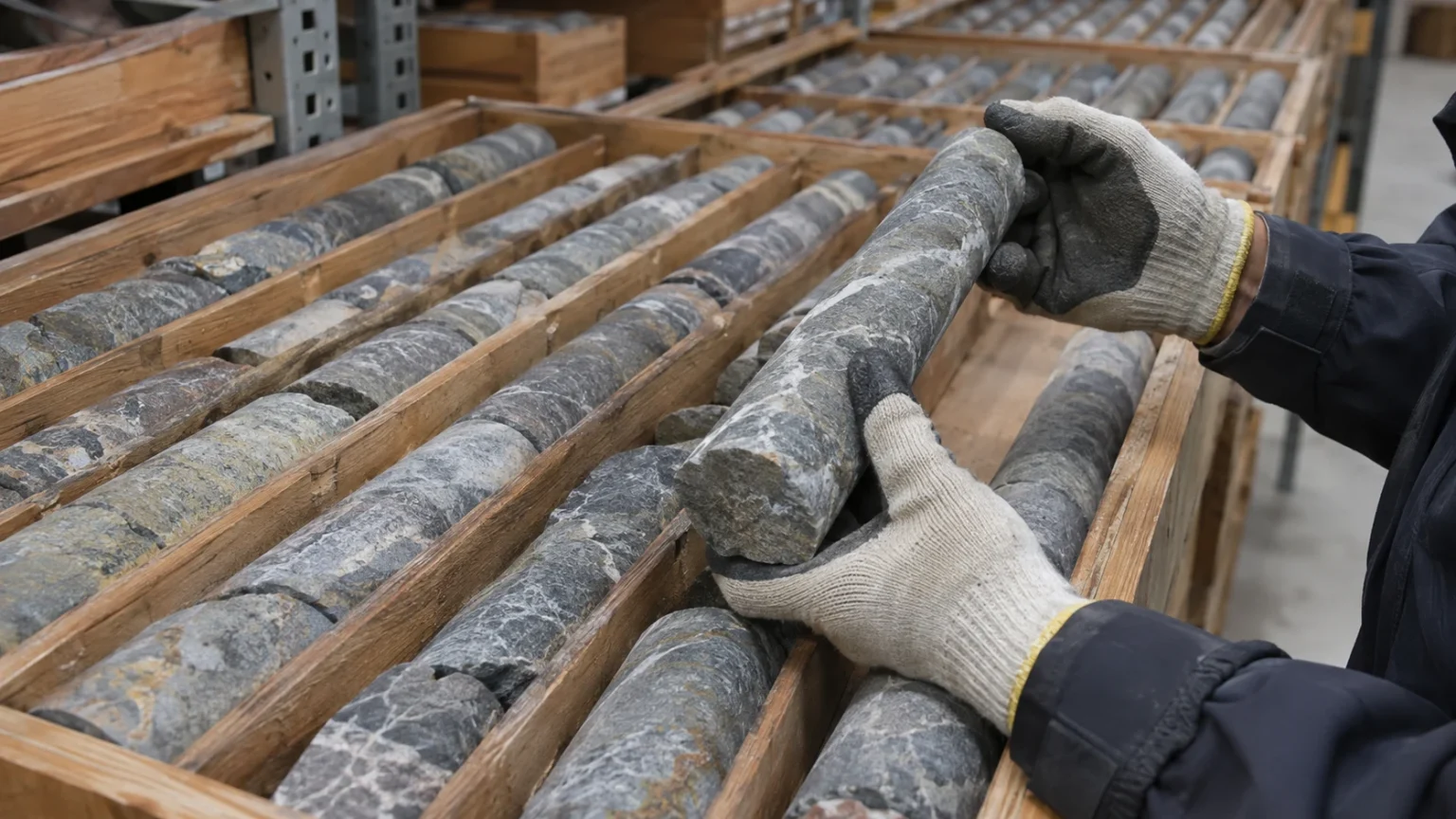
No one can dig down to the center of the Earth. Even the deepest hole ever drilled, Russia’s Kola Superdeep Borehole, stopped at about 12 km. That is why scientists have looked inside the Earth using the traces left by seismic waves, especially the shadow zone, as clues.
(1) Discovery of the core
In 1906, Oldham noticed that seismic waves passing close to the center of the Earth arrived later than expected. On this basis, he argued that the inner part of the Earth contains a core with properties different from the mantle.
(2) The depth of the core boundary
Gutenberg used the angle at which the shadow zone begins to calculate that the boundary between the mantle and the core lies at a depth of about 2,900 km. Today this boundary is also called the Gutenberg discontinuity.
(3) Discovery of the inner core
In 1936, the Danish seismologist Inge Lehmann noticed that weak P-waves were recorded even inside the P-wave shadow zone. She interpreted this as the result of a solid inner core inside the liquid outer core bending the P-waves once again.
4. How is the shadow zone used today?
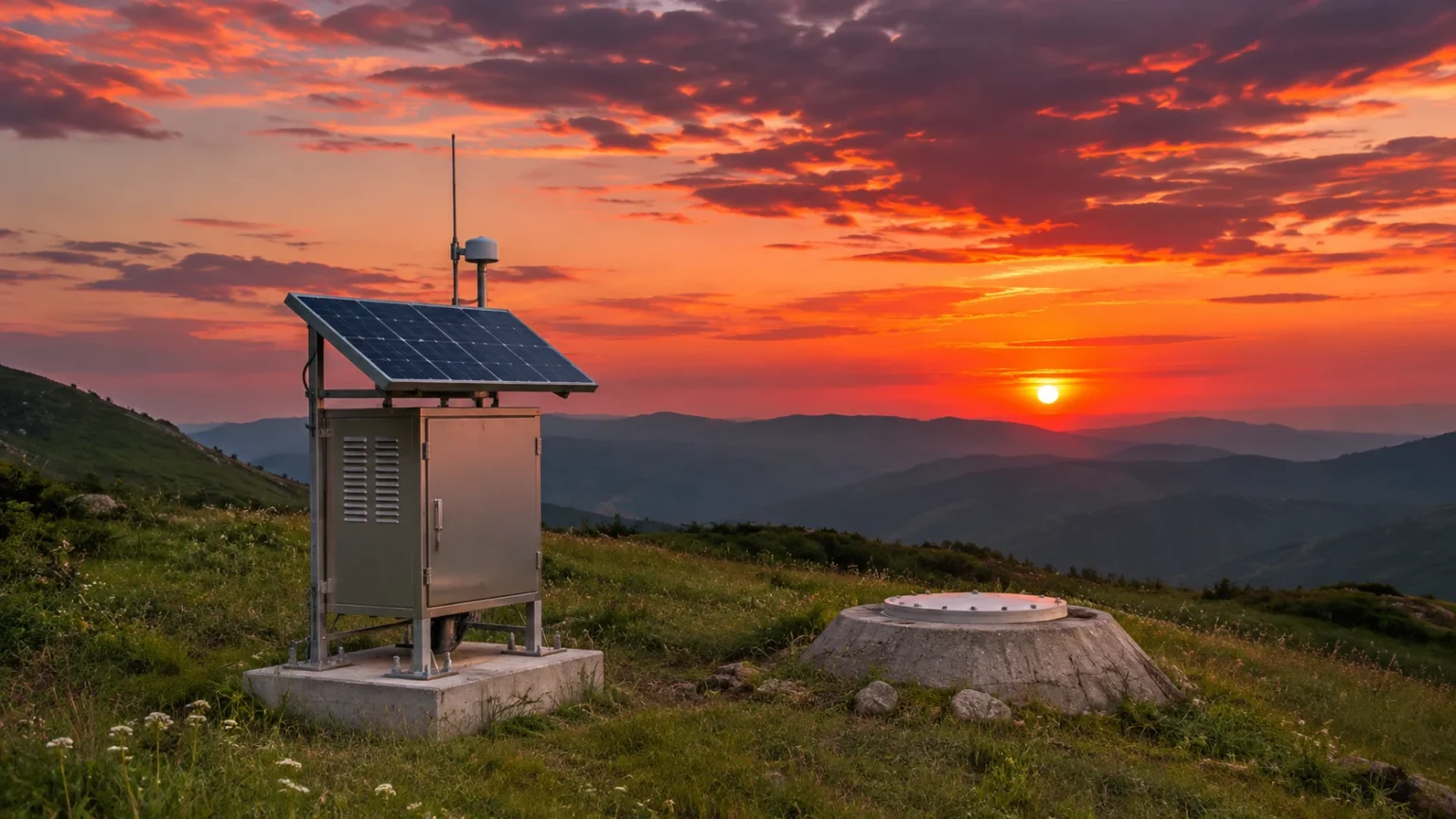
The shadow zone is not just an old discovery in textbooks. Seismic records accumulated by observation networks around the world are still used to draw the Earth’s interior in greater detail.
(1) Models of the Earth’s interior
Models built from the arrival times of seismic waves and the boundaries of the shadow zone summarize the depths and properties of the crust, mantle, outer core and inner core in numbers. The Preliminary Reference Earth Model (PREM), published in 1981, is a representative example.
(2) Seismic tomography
Just like a CT scan in a hospital, overlapping and analyzing countless seismic wave paths makes it possible to see hot and cold parts of the mantle as three-dimensional images. This is called seismic tomography.
(3) Exploring other planets
NASA’s InSight lander, which touched down on Mars in 2018, recorded marsquakes. Scientists used these records to estimate the size of the Martian core, extending a method once used on Earth to another planet.
Even though we cannot see inside the Earth directly, the places seismic waves fail to reach are valuable information in themselves. The simple idea that there is a reason even where a wave disappears is the first step to understanding the seismic shadow zone.