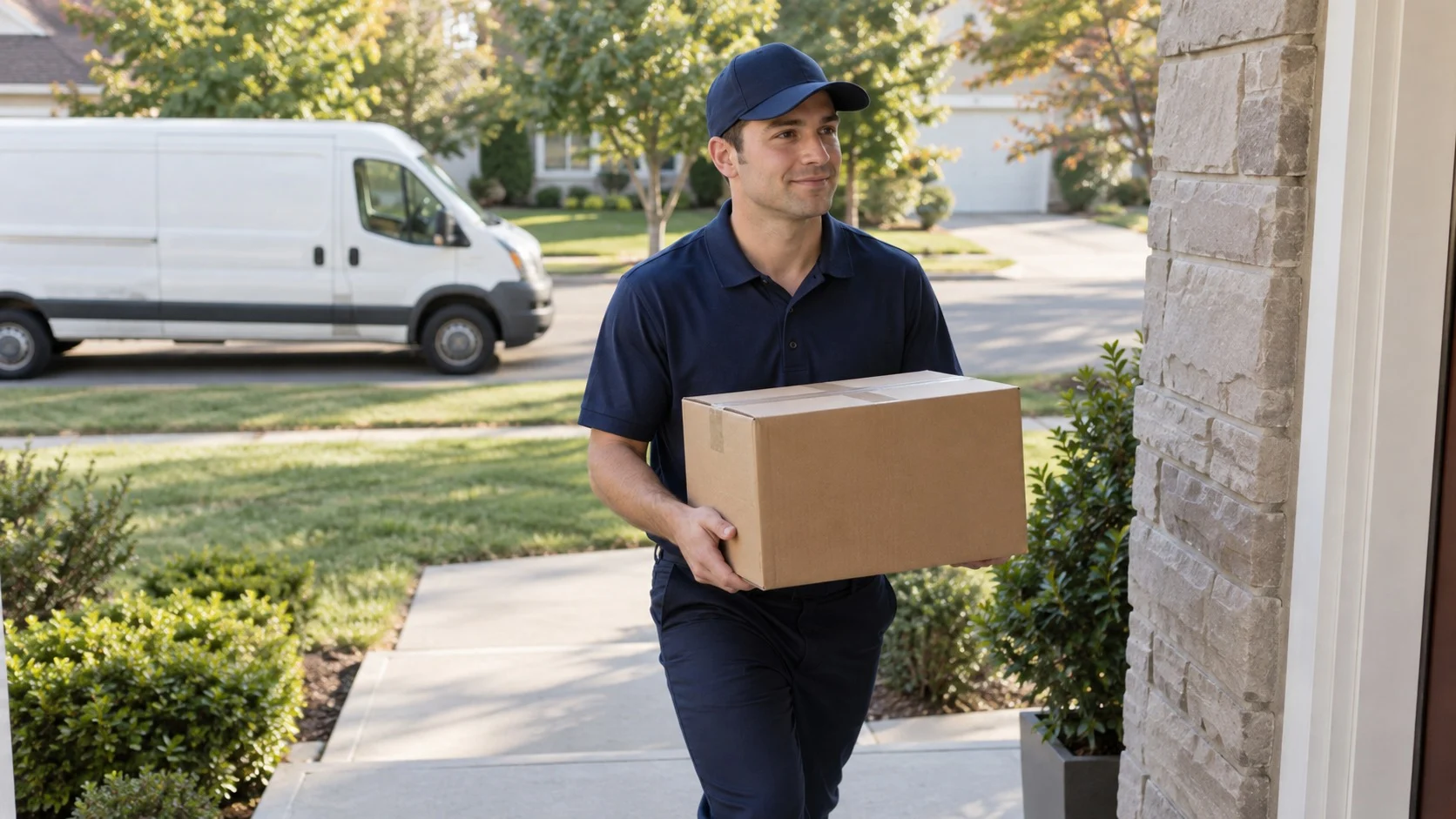
Goods that have crossed the sea pass through huge distribution centers and reach the edge of our neighborhood in less time than you might think. Yet the short distance from the local terminal to the front door, where the box is finally set down, is the stretch that takes the most effort in all of logistics. The term for this final stretch is "last-mile delivery."
Put simply, last-mile delivery means "the stage of delivery in which goods leave the final hub and reach the hands of the end customer." The phrase is commonly said to have come over to logistics from telecommunications, where it described the final section of line connecting a network to a subscriber's home, and as online shopping has become part of everyday life, it has turned into the arena where companies compete most fiercely.
In this article, we will look in turn at what last-mile delivery means and where it sits, why this stretch is so unusually expensive and difficult, the various methods used to tackle it, and the challenges that still lie ahead.
The Structure and Challenges of Last-Mile Delivery
What is last-mile delivery?
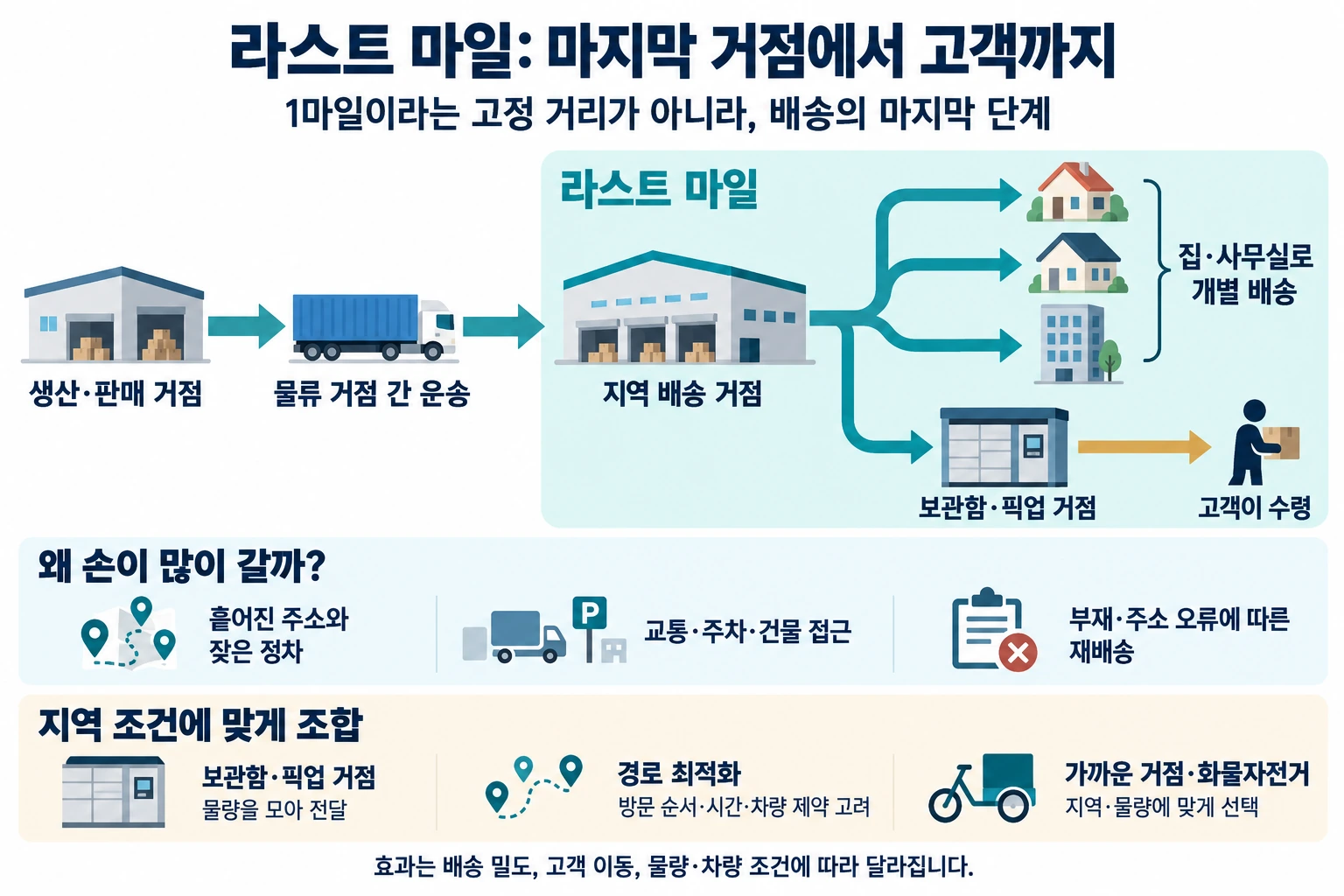
The journey goods take from where they are made to the consumer is often explained in three stretches. If the first two stretches are about moving large quantities of goods over long distances all at once, the last mile is about splitting them up and sending them one by one to countless scattered addresses.
- First Mile: the stretch in which goods are collected from a factory or a seller's warehouse and sent to the first hub.
- Middle Mile: the stretch in which goods are moved in bulk between hubs by large trucks, rail, ships and aircraft.
- Last Mile: the final stretch in which goods are delivered from a local delivery hub to the customer's home, office or parcel locker.
Although the name contains the word "mile," it does not mean the actual distance has to be one mile. It is closer to meaning the final stage where the company meets the customer directly, which is why the experience of this stretch easily becomes the impression people keep of that company's service.
Why the final stretch is the most expensive and difficult
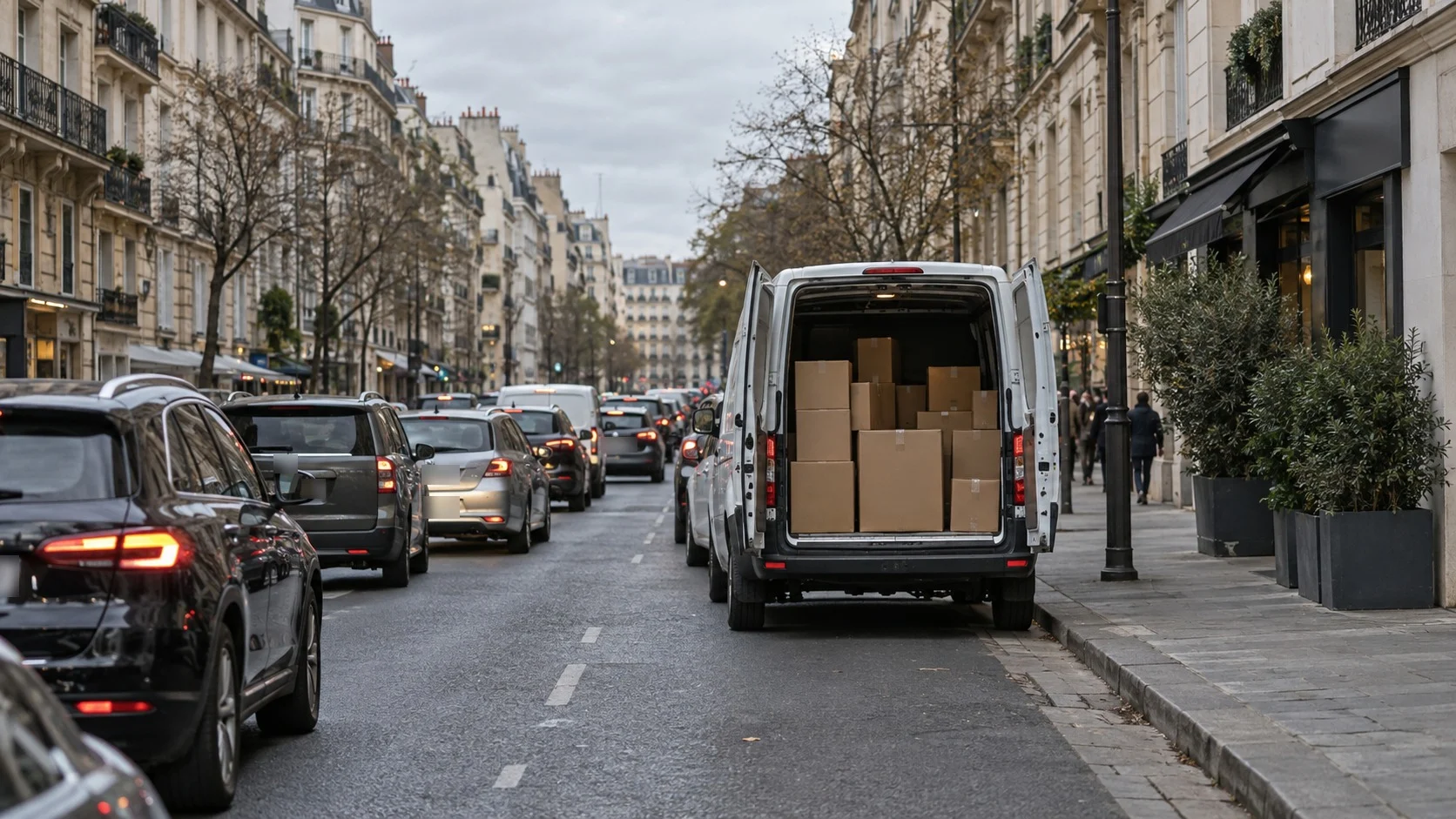
The last mile makes up only a small share of the total distance traveled, but it is commonly said to account for the largest share of delivery costs. The reasons can be summed up in a few points.
(1) Low delivery density
A middle-mile truck runs fully loaded to a single destination, but a last-mile vehicle has to stop for every box. The more scattered the addresses in an area, the fewer items are handed over at each stop, and the lower the efficiency.
(2) A complex urban environment
Time spent outside of driving, such as traffic jams, a lack of parking, stairs and waiting for elevators, piles up. In apartment complexes where vehicles cannot drive above ground, couriers sometimes have to take a long way around with a hand cart.
(3) Failed deliveries and redelivery
If no one is there to receive an item or the address is wrong, the item has to be taken back and brought out again another time. In effect, the same box costs twice.
(4) Rising returns
In online shopping, customers cannot see and choose items in person, so returns are frequent. A return becomes yet another delivery that runs the last mile in reverse.
Ways to shorten the last mile
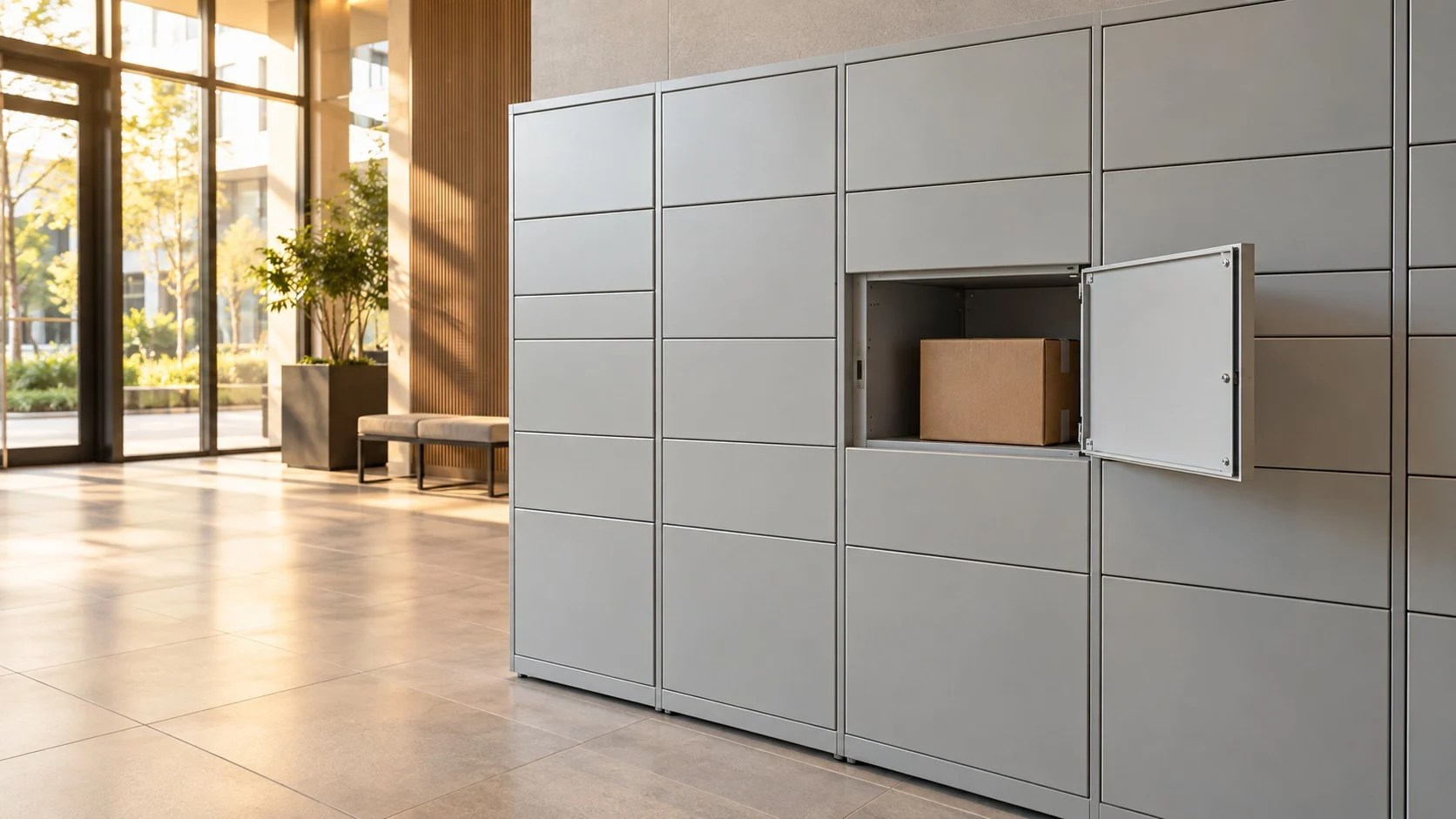
Besides visiting each home one by one right up to the door, companies use a range of methods together to shorten the final stretch or make it more efficient.
- Parcel lockers: when an item is placed in a locker at a station or an apartment building, the customer can pick it up at a convenient time, which reduces redelivery caused by absence.
- Pick-up points: convenience stores or neighborhood shops receive items on the customer's behalf, so the goods of many customers can be handed over at a single place.
- Micro-fulfillment centers: frequently sold items are kept in advance in city locations close to consumers, so that when an order comes in, they only have to travel a short distance.
- Route optimization: calculating the order in which to visit several homes so that the route is shortest, a real-world application of what mathematics calls the Traveling Salesman Problem and the Vehicle Routing Problem.
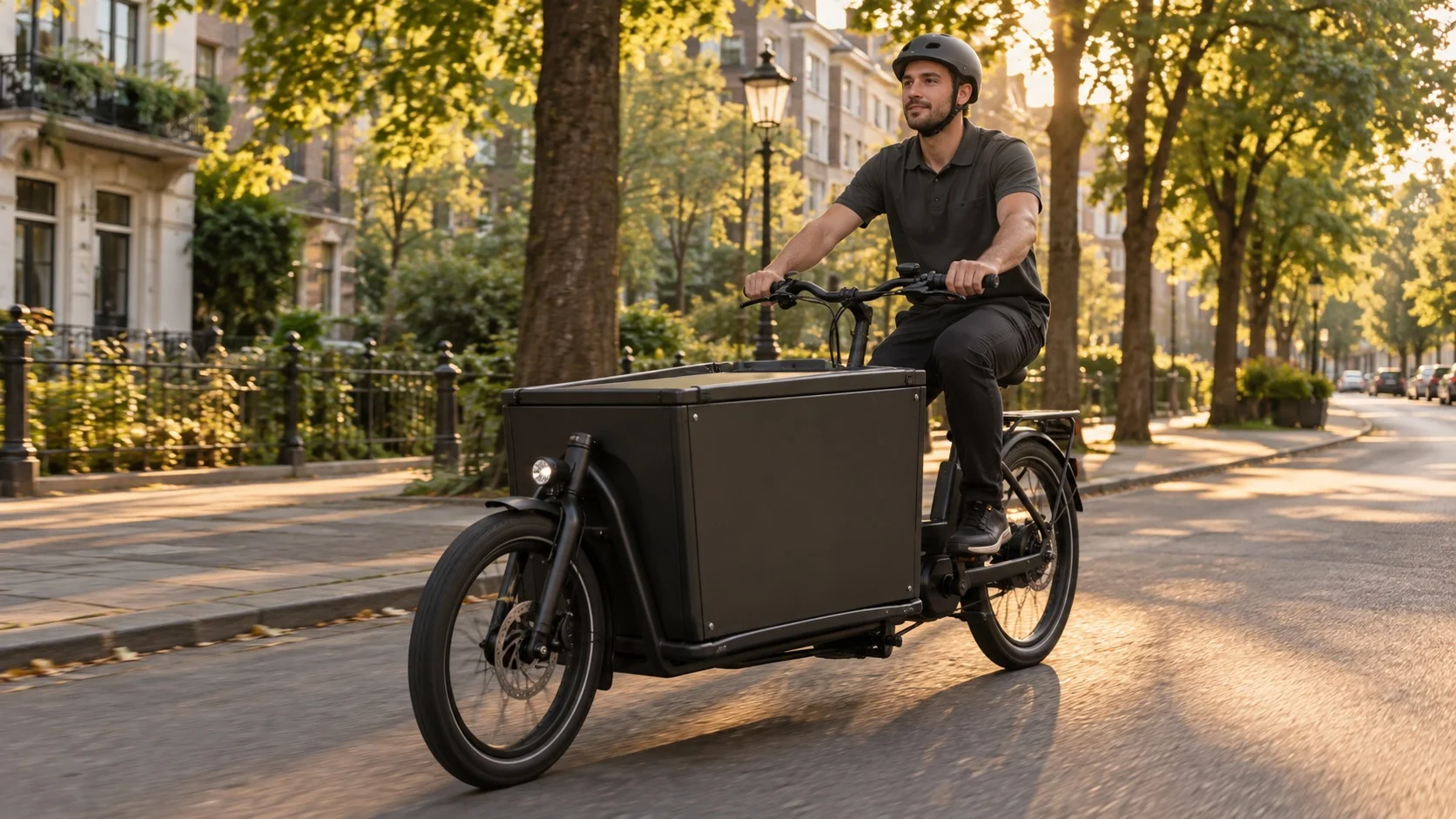
- Cargo bikes: used to carry small loads in city centers where alleys are narrow and parking is difficult.
In Korea, dawn delivery, which takes orders overnight and leaves them at the door early the next morning, and same-day delivery, in which orders arrive on the day they are placed, have become familiar services. All of these services depend on how quickly and densely the last mile can be run.
Challenges last-mile delivery has to solve
Fast delivery is convenient, but the burden of keeping up that speed is bound to pile up somewhere. That is why any discussion of the last mile has to look at several challenges alongside efficiency.
Commonly cited challenges
- Workload of Couriers: during peak periods, long working hours and overwork become a problem, and in Korea too, the treatment of parcel delivery workers has become a matter of public debate.
- Urban Congestion and Emissions: small trucks stopping and starting repeatedly as they move through side streets add to traffic and exhaust, so alternatives such as electric delivery trucks and shared delivery are being discussed.
- Loss and Security: as more deliveries are left at the door, proof of delivery, such as a photo taken when a delivery is completed, is widely used to keep items from going missing.
- Regional Gap: sparsely populated islands and mountain areas have low delivery density, which makes it hard for them to receive the same level of service.
In the end, the last mile is not a problem that a race for speed alone can solve. It can only last if customer convenience, the safety of the people doing the work and the urban environment are kept in balance.
Last-mile delivery is the shortest stretch of logistics, but it is also the one that takes the most cost and effort. Because the result of every leg of transport before it is judged at the moment the customer takes the box in hand, companies are bringing in lockers, urban hubs and even route calculations to refine this final distance.
Appreciating the long journey and human effort contained in a single box at the door is the first step toward understanding better logistics.