A chair made of bent steel tubing, a clean desk lamp with no ornament, lettering built only from circles and squares: many of the objects we think of today as “clean and modern” trace their roots to a single school in Germany a hundred years ago. The school was open for only 14 years, yet it greatly changed the face of modern design, from architecture and furniture to graphics and typefaces. That school is the “Bauhaus (Staatliches Bauhaus).”
Simply put, the Bauhaus means “an art school that existed in Germany from 1919 to 1933, which united crafts and fine arts and laid the foundations of modern design through a design education that valued mass production and function.” The name means “a place for building houses” in German, and it is also used to refer to both the school’s teaching methods and the style of the works that came out of it.
In this article, we will look in turn at the background to the founding of the Bauhaus, the history of a school that kept moving, its distinctive teaching methods, and the features and influence of the design it left behind.
A School That United Art and Technology: The Bauhaus
How Did the Bauhaus Begin?
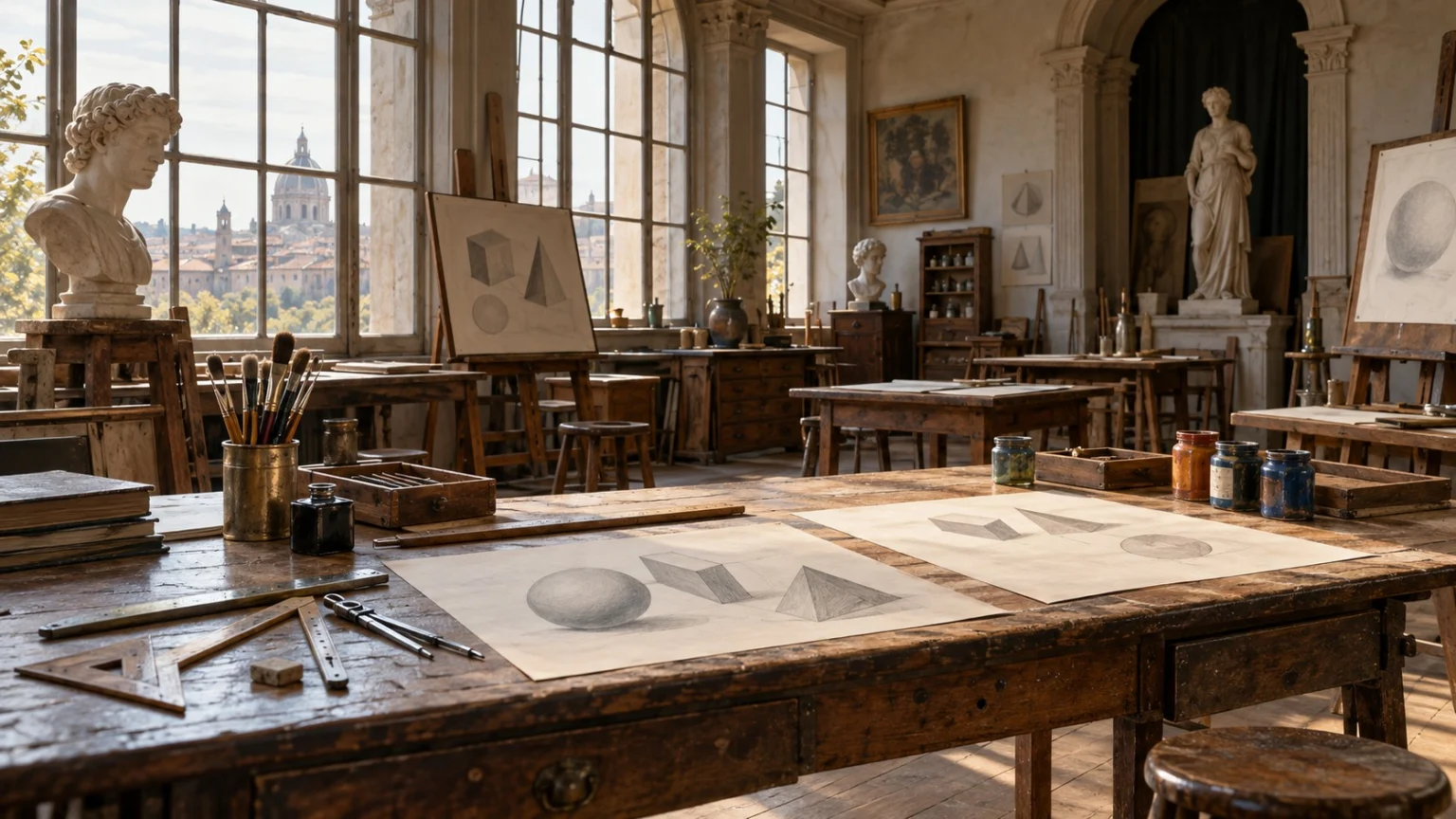
The Bauhaus was born right after the end of World War I, in an atmosphere of searching for a new art suited to a new society.
(1) Gropius’s school
In April 1919, the architect Walter Gropius founded the Bauhaus in Weimar by merging an art school and a school of arts and crafts. In the founding manifesto, he declared that the ultimate aim of all creative activity is building, and called for tearing down the wall between artists and craftsmen. The school’s name was also chosen to evoke the “Bauhütte,” the medieval guilds of masons who built cathedrals together.
(2) Earlier currents
The ideas of the Bauhaus did not appear out of nowhere. They built on the thinking of William Morris in Britain, who believed art should serve the needs of society, and on the debates of the German Werkbund (Deutscher Werkbund), which considered what good objects should look like in the age of mass production.
(3) A star-studded faculty
Famous artists such as Paul Klee, Wassily Kandinsky, and László Moholy-Nagy taught students here.
14 Years Across Three Cities

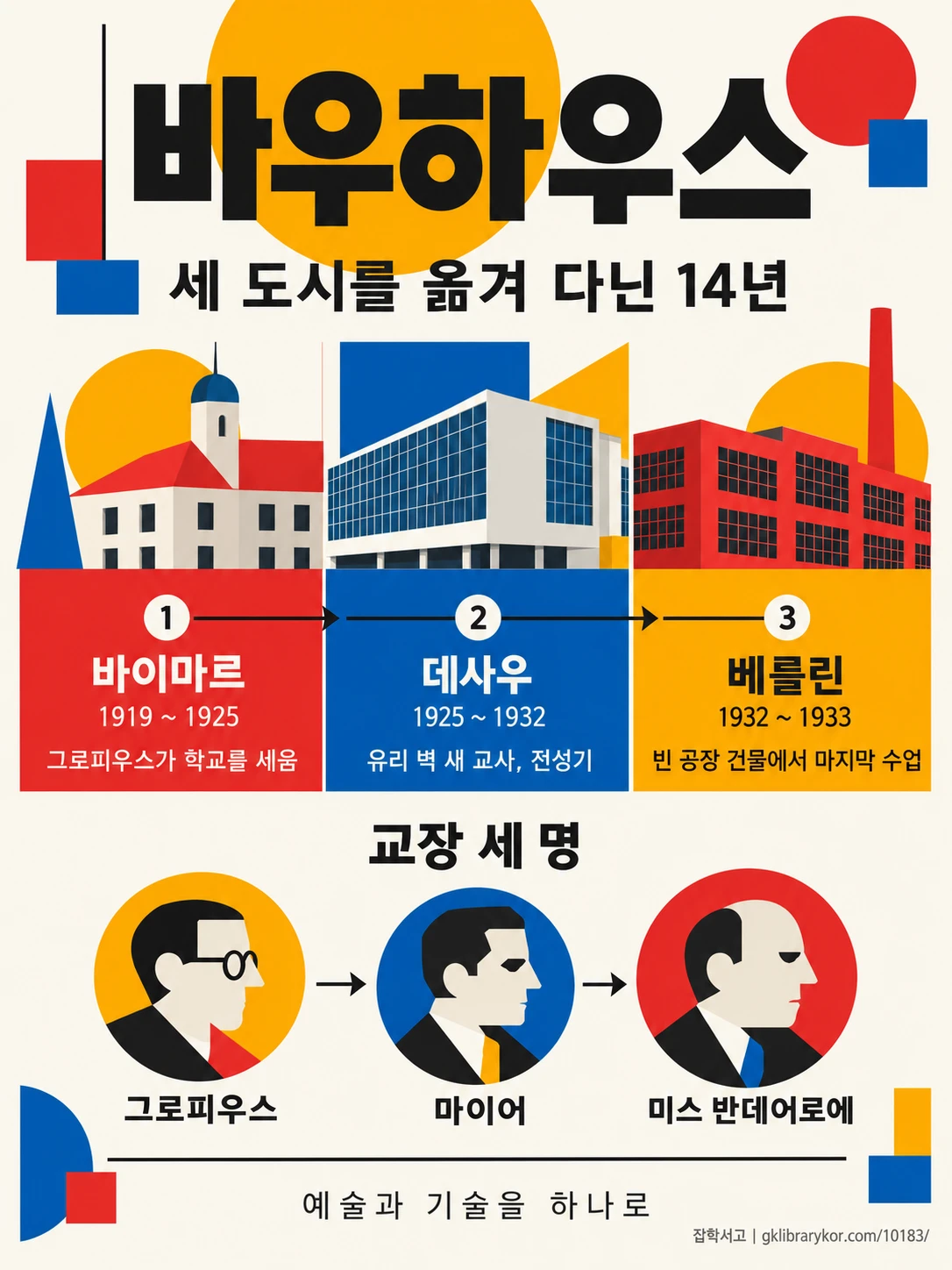
In its short life, the Bauhaus moved between three cities and went through three directors. Each time, the school’s direction shifted a little.
- Weimar (1919~1925): Gropius founded the school and set up the framework of its education.
- Dessau (1925~1932): The school moved into a new glass-walled building designed by Gropius himself and reached its peak; from 1928, Hannes Meyer served as director.
- Berlin (1932~1933): Ludwig Mies van der Rohe, who became director in 1930, kept the school going in a rented, empty factory building.
Meyer increased commissions with practical, cost-saving designs and brought the school its first profit in 1929, but he stepped down after political conflict. In the end, under attacks calling it a den of communist intellectuals and pressure from the Nazi regime, the Bauhaus closed itself in 1933.
An Education Learned by Hand and Fitted to the Factory
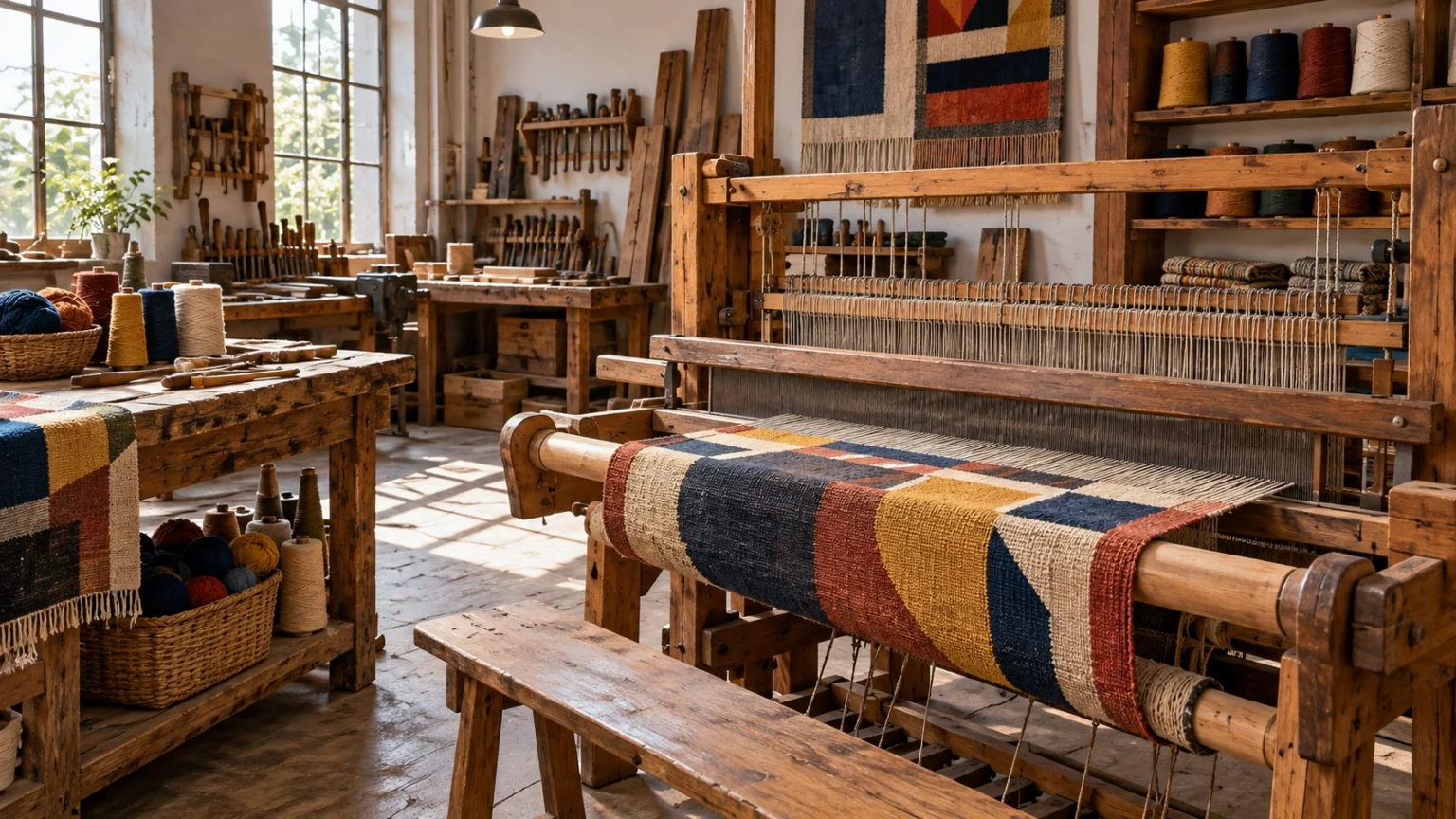
Bauhaus education was not about learning theory only in the classroom. Students learned by handling materials directly and making things.
(1) The preliminary course
New students first took the “preliminary course (Vorkurs).” In this course, first led by Johannes Itten, students learned color, form, and the properties of materials through their bodies, shedding the fixed ideas they had been taught.
(2) Workshop classes
After finishing the preliminary course, students entered workshops such as woodworking, metal, weaving, wall painting, and printing to make real objects. Gunta Stölzl of the weaving workshop became the first female master at the Bauhaus.
(3) Toward mass production
Prototypes made in the workshops were refined so that factories could produce them in large numbers. Bringing together the artist’s individuality and the efficiency of industry was the core of Bauhaus education.
Features and Influence of Bauhaus Design
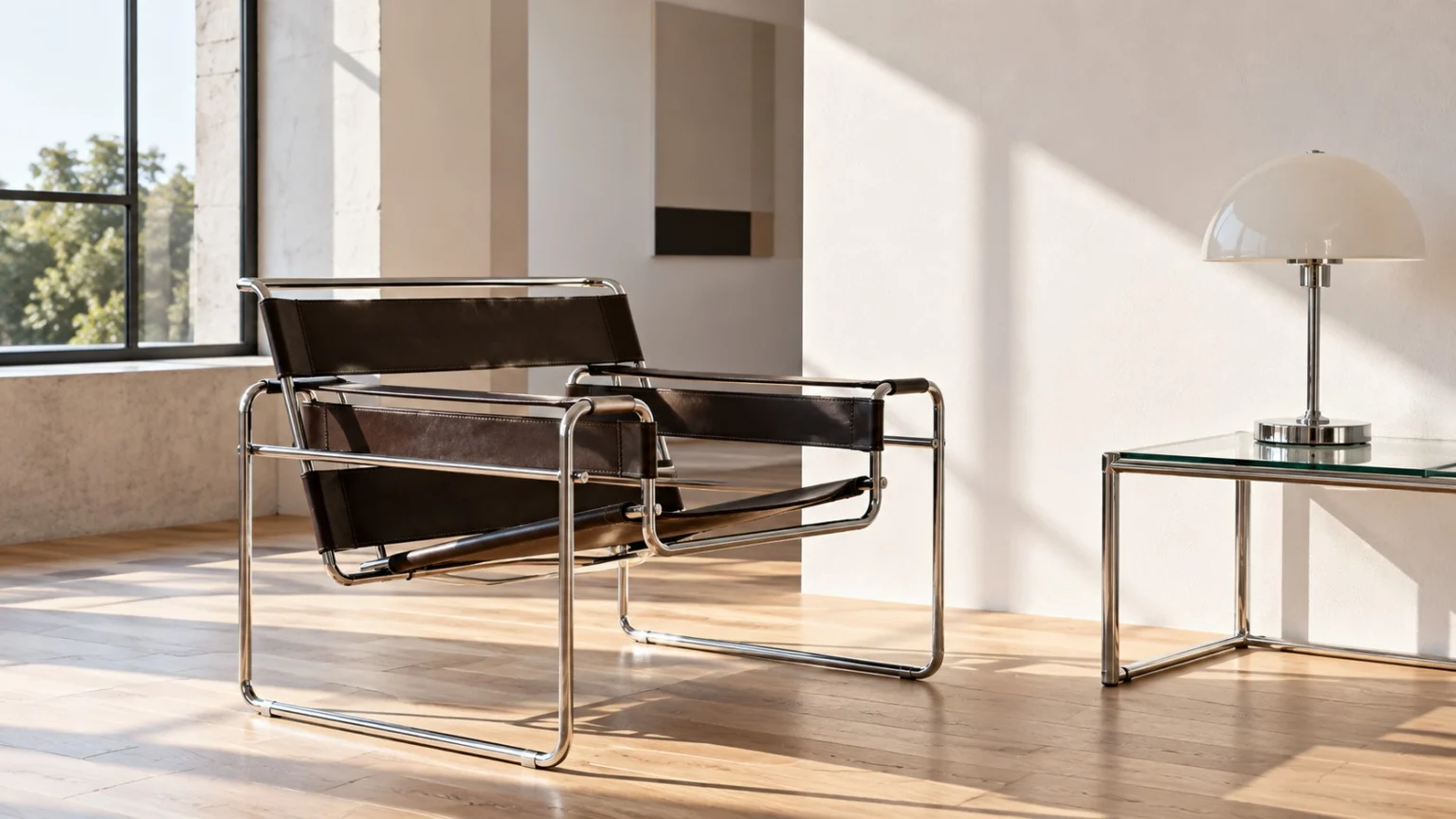
Bauhaus design is known for simple forms without anything superfluous and structures true to their function.
(1) Signature works
The chair that Marcel Breuer made from bent steel tubing in Dessau around 1925 later came to be called the “Wassily Chair” and is still produced today. Herbert Bayer introduced “Universal,” a typeface made only of lowercase letters without capitals.
(2) Ideas that spread around the world
After the school closed, its faculty scattered to many countries. Gropius taught architecture at Harvard University in the United States, and Moholy-Nagy founded the “New Bauhaus” in Chicago in 1937. In Tel Aviv, Israel, there remains the “White City,” where more than 4,000 buildings in this style are gathered.
(3) Criticism and assessment
There was also criticism that an excessive focus on function created cold spaces lacking a human touch. Even so, Germany’s Bauhaus sites were added to the UNESCO World Heritage List in 1996.
The Bauhaus showed the world that beauty and function are not at odds but can be designed together. The school is gone, but its spirit still lives on in the chairs we sit on, the screens we use, and the typefaces we read every day. Before adding decoration, first asking what an object is for: that is the first step toward good design that the Bauhaus taught.