Slippery oils like cooking oil or lard are hard to wash off no matter how much water you use. Yet if you mix this oil with a strong alkaline solution and stir it, over time it turns into soap that strips away greasy grime. In other words, the oil becomes the very substance that washes oil away. There is a chemical reaction that turns oil into soap in this way. It is called ‘saponification.’
Put simply, saponification is a reaction in which a substance called an ester meets an aqueous alkaline solution such as sodium hydroxide and splits into a carboxylate salt and an alcohol. The name comes from the Latin word sapo, meaning soap, and when the chain of the resulting carboxylate salt is long, it is called soap.
In this article, we will look in turn at how the saponification reaction takes place, the principle by which soap removes dirt, the history of saponification, and the many forms saponification takes outside of soap.
The Birth of an Oil That Washes Away Oil
How the Saponification Reaction Works
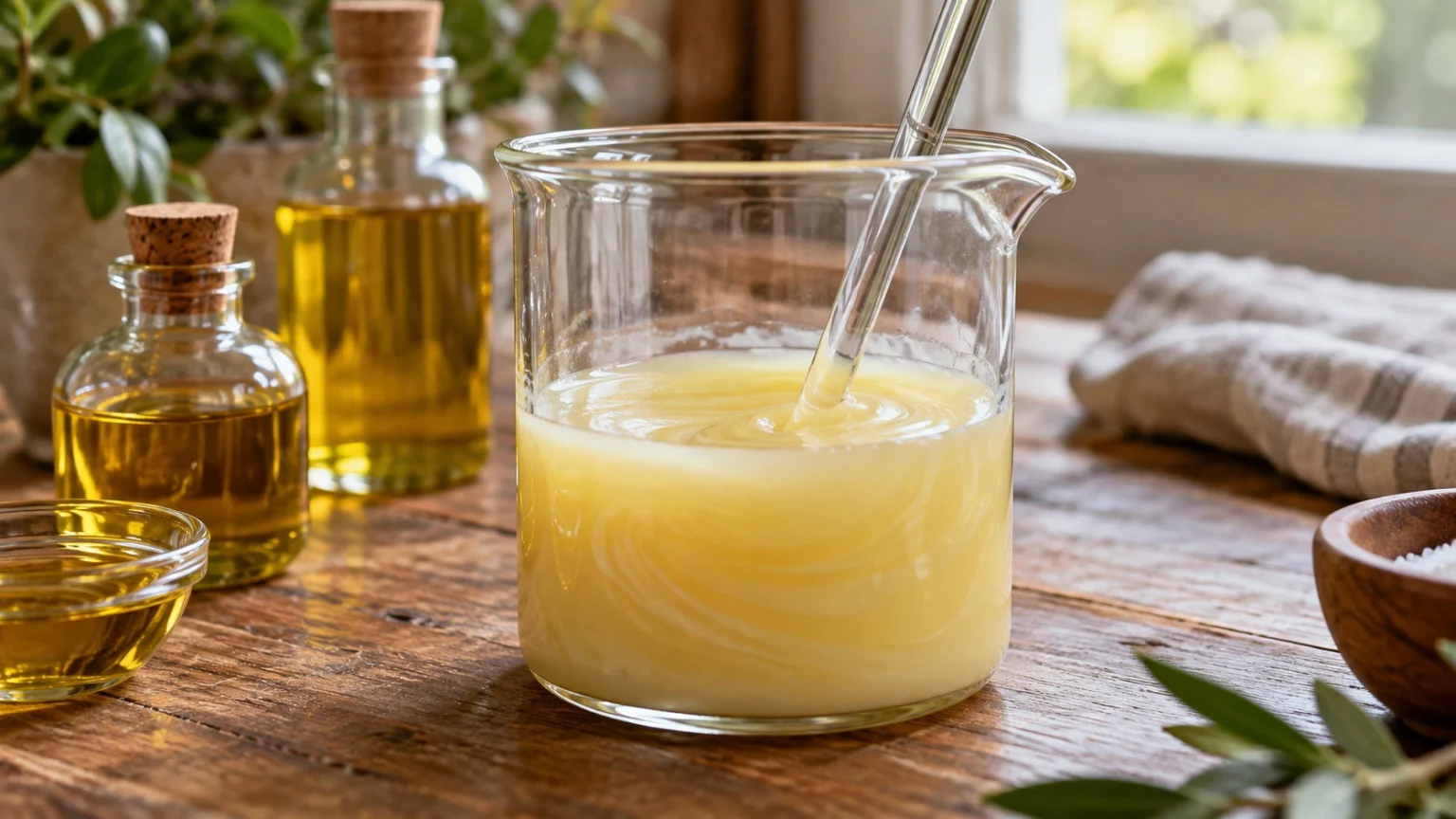
Saponification is a reaction that cuts oil molecules apart with the help of an alkali. In chemistry, it is classified as an important type of alkaline hydrolysis.
(1) The Raw Material Called Triglyceride
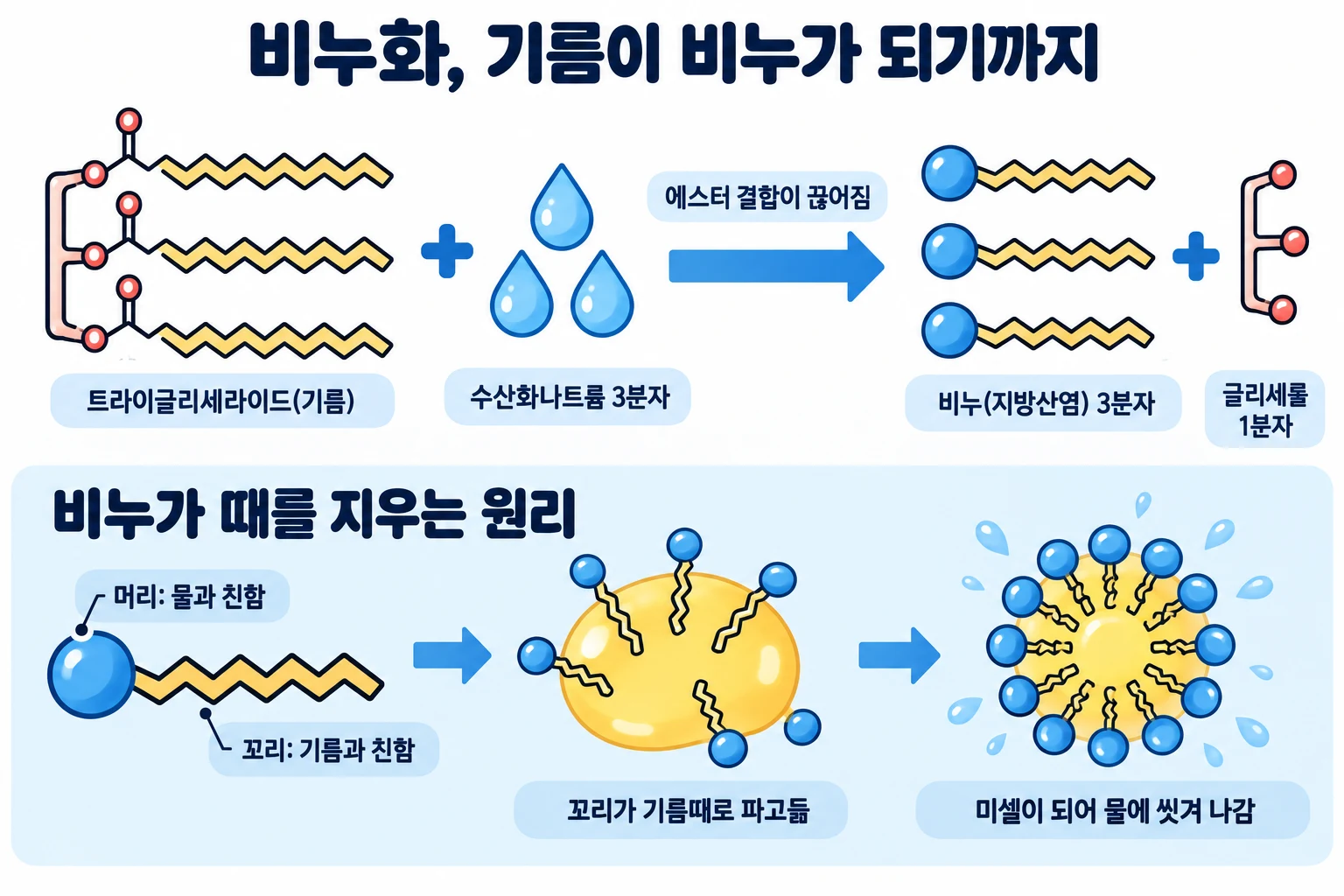
Vegetable oils and animal fats are mostly made up of triglycerides. A triglyceride consists of one glycerol with three fatty acids attached by ester bonds, and it is the traditional raw material for saponification.
(2) Hydroxide Ions That Break the Bonds
When hydroxide ions in the alkaline solution attack the carbon side of the ester bond, the bond breaks. As a result, the fatty acids become fatty acid salts paired with sodium, that is, soap, and the remaining part comes away as glycerol.
(3) Glycerol Produced Along the Way
For example, one molecule of stearin reacts with three molecules of sodium hydroxide to form three molecules of sodium stearate and one molecule of glycerol. This process is also a major industrial method for producing glycerol, and glycerol is sometimes left in the soap to serve as a moisturizing ingredient.
Each oil requires a different amount of alkali for saponification, and this is called the saponification value. Because the actual value of the oil they use can differ slightly from the laboratory average, soapmakers deliberately add a little less alkali than needed so that no alkali remains in the finished soap.
How Soap Removes Dirt
The soap molecules produced by saponification have a distinctive structure: one end likes water, and the other likes oil.
(1) A Molecule With Two Faces
The head of a soap molecule carries an electric charge and mixes well with water, while its long hydrocarbon tail mixes well with oil. A substance that has two parts with such different properties is called a surfactant.
(2) Micelles That Trap Greasy Grime
In water, the tails of soap molecules burrow into the greasy grime while the heads face the surrounding water. This forms tiny ball-shaped micelles that hold the grime inside, and the micelles mix into the water and are washed away with it.
(3) Hard Soap and Soft Soap
The properties of soap change depending on which alkali is used.
- Sodium soap: Made with sodium hydroxide, it hardens firmly into solid bar soap.
- Potassium soap: Made with potassium hydroxide, it is soft or liquid and is used for liquid soap.
Soap does not lather well in hard water because the calcium and magnesium ions in the water react with the soap to form an insoluble scum.
The History of Saponification
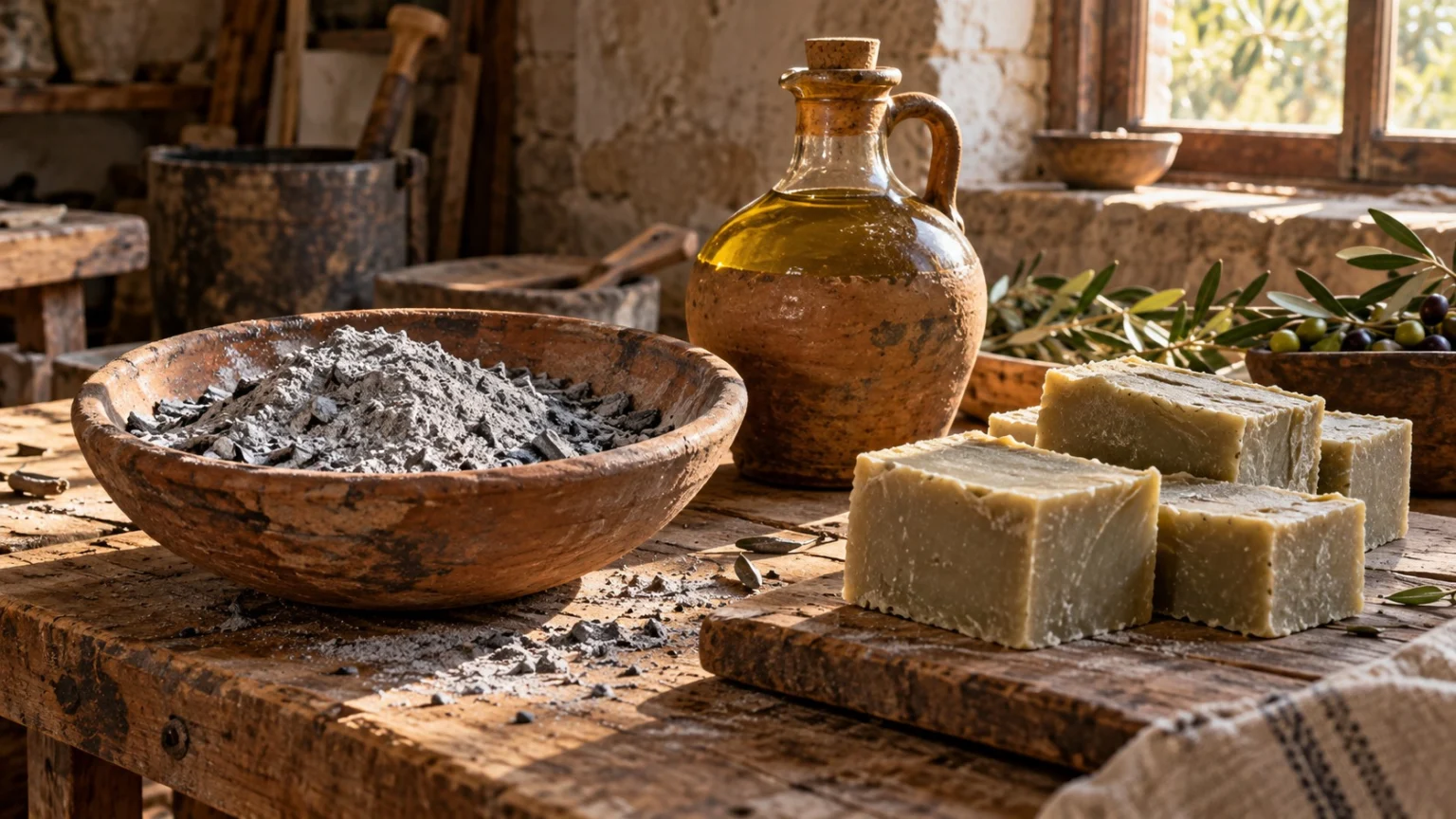
Saponification is one of the chemical reactions people have used since very ancient times.
(1) Ancient Lye and Oil
The oldest evidence of making soap-like substances comes from ancient Babylon around 2800 BC. A Sumerian clay tablet from around 2500 BC describes how to heat oil and wood ash together to make a substance used for washing woolen cloth.
(2) Potassium From Wood Ash
Early soaps were mostly made from animal fat and the potassium compounds leached from wood ash. The lye made by steeping ash in water served as the alkali needed for saponification. Today, by contrast, most soap is made from vegetable oils, and soap made from olive oil, known as Castile soap or Marseille soap, is famous for its mildness.
(3) Chevreul Reveals the True Nature of Fats
In the early 19th century, the French chemist Michel Eugène Chevreul studied animal fats and isolated fatty acids such as stearic acid and oleic acid. His research also made it clear that fats are made up of fatty acids and glycerol. His work greatly changed the processes for making soap and candles, and Chevreul is regarded as one of the people who laid the foundations of modern organic chemistry.
Saponification Beyond Soap
Saponification also happens in unexpected places far from the bathroom sink.
(1) Extinguishers That Put Out Kitchen Fires
Fires in cooking oil burn hotter than ordinary flammable liquid fires, so ordinary extinguishers often fail to put them out. That is why kitchen fire extinguishers work by rapidly saponifying the burning oil, turning it into a layer of soap that does not burn.
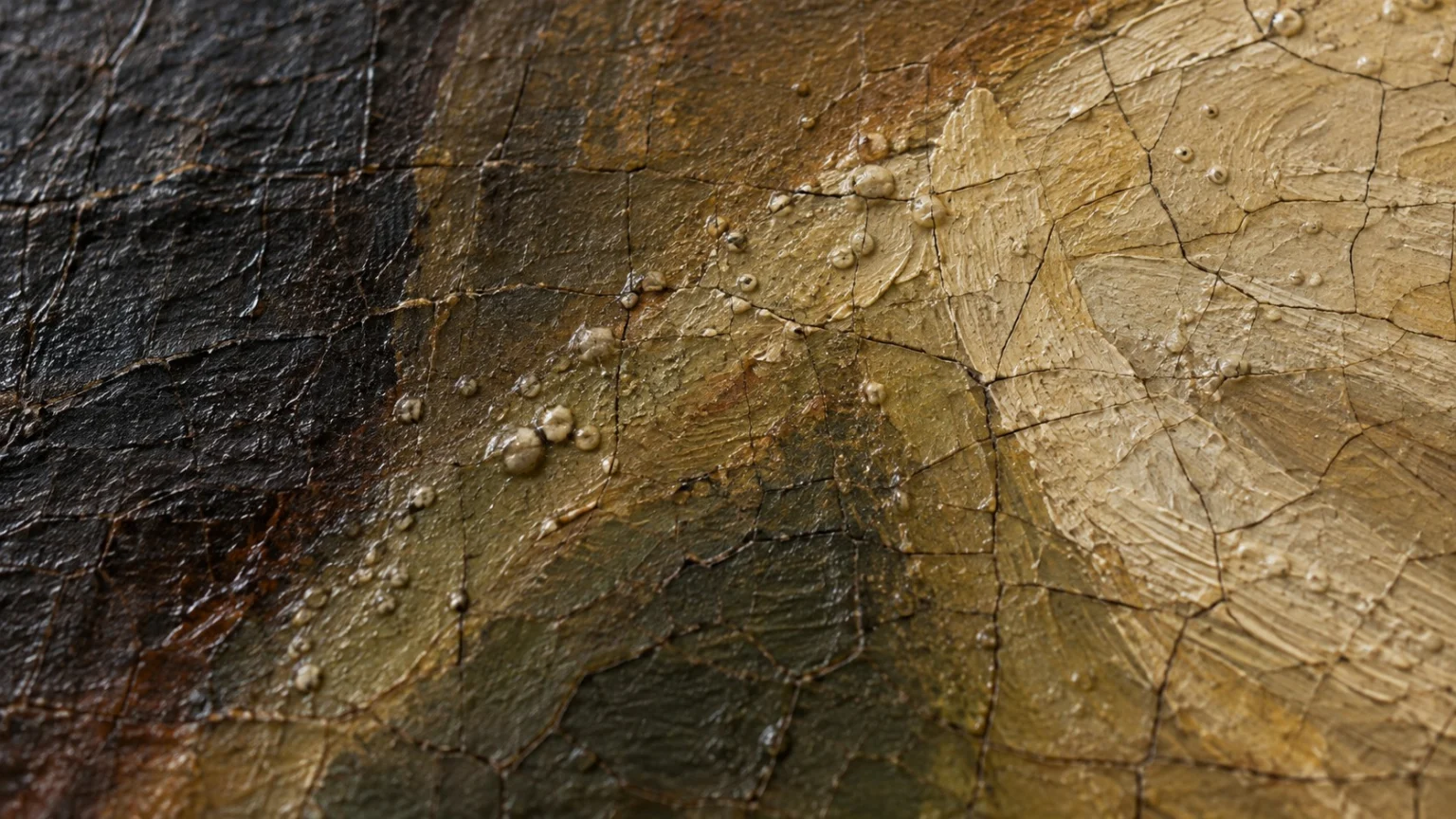
(2) Soap Lumps Blooming in Oil Paintings
When metal-based paints such as lead white or zinc white react with the fatty acids in the oil, metal soaps can form. When these soaps rise to the surface of a painting, they create small lumps or white spots, and this kind of damage has been found in many oil paintings from the 15th to the 20th centuries.
(3) Adipocere Left on Bodies
In bodies buried in wet places with little air circulation, fat can saponify and turn into a waxy substance called adipocere. Adipocere can preserve the shape of a body for a long time, and it sometimes provides clues in forensic investigations.
Saponification is a reaction that turns common ingredients, oil and alkali, into a substance that removes greasy grime. Even in the brief moment it takes to wash your hands, thousands of years of accumulated chemical wisdom are at work.
Picturing the molecular changes packed into the bar of soap you use every day is the first step in learning everyday chemistry.