Programming (coding) is a language used to give instructions to a computer, and it requires following specific syntax. To this end, this material will cover various syntax elements
What community welfare is, why it matters, its three types (preventive, supportive, and developmental), and five examples of community welfare services from regions across Korea.
Microeconomics is a branch of economics that analyzes the economic decisions of individuals and businesses, focusing on exploring the fundamental elements of economic activity and
Amara's Law says we tend to overestimate the effect of a new technology in the short run and underestimate it in the long run. This article covers where the saying came from, why t
What the null and alternative hypotheses are, how to set them up for hypothesis testing, how significance level and statistical power shape the results, and three worked examples f
Educational philosophy is an academic field that identifies the nature and values of education and offers practical direction through systematic, in-depth inquiry into its purposes
Why does a swing go higher and higher when you push it in rhythm? This article explains what resonance and natural frequency mean, how the swaying grows, its uses in musical instru
In traditional education, we always see the same scene. The teacher explains diligently at the blackboard, while students sit at their desks, busy taking notes. When class ends, th
Teleoperation lets a person control a distant machine directly, sending their hands and eyes where people cannot safely go. This article covers its origins in 1940s–50s nuclear lab
Today's dining tables are more varied and delicious than ever. Crispy fried chicken, golden-brown grilled pork belly, and bread that is crisp outside and moist inside. But behind t
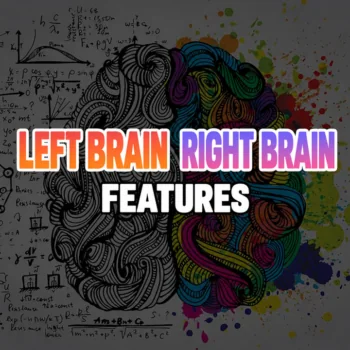
What does it mean to be “left-brained” or “right-brained”? This article explains how the two hemispheres divide their roles, explains their cooperation, and discusses the limits of
Case management is a social work practice that coordinates resources through assessment, planning, linking, monitoring, and evaluation so that people with complex needs can receive