Inspecting a ship sunk deep under the sea, moving hazardous material in a space full of radiation, or operating on a patient thousands of kilometers away are classic examples of work that is hard for people to do in person. Yet today, people accomplish these tasks while sitting somewhere safe.
The secret lies in technology that transfers a person's hands and eyes to a machine far away. When the operator moves a handle, a distant robot arm moves in exactly the same way, and what the robot's cameras and sensors see and feel is sent back to the person. This way of a person directly commanding a machine from a distance is called “teleoperation.”
In this article, we will look in turn at how teleoperation first took hold in radioactive laboratories, the basic elements that make it up, the problem of time delay created by distance, and how it is used today in operating rooms, the deep sea, and space.
Technology That Extends Human Hands Far Away
Mechanical Arms Born in Radioactive Laboratories
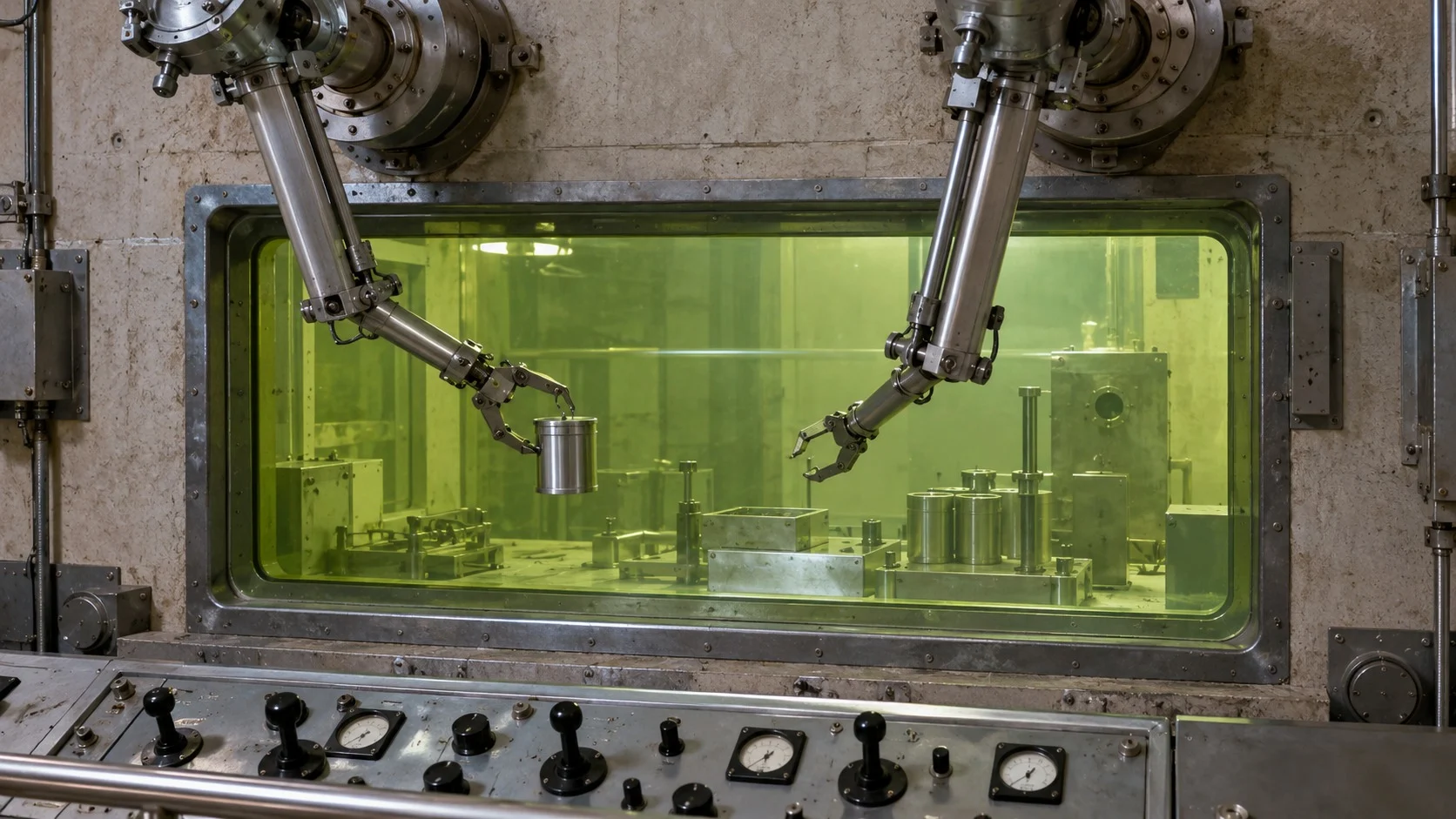
The starting point of teleoperated robots was nuclear research. Radioactive materials cannot be touched with bare hands, but to carry out experiments, someone had to grip and move them precisely.
(1) Goertz's Master-Slave Manipulator
Raymond Goertz, a mechanical engineer at Argonne National Laboratory in the United States, designed a manipulator that could be operated from behind a lead-glass wall in 1948 and filed a patent for it in 1949. When a person moved the control arm outside, the arm inside the shielded room followed that movement exactly.
(2) Conveying Even the Sense of Touch
Goertz realized that seeing alone was not enough for handling fragile objects. So he made the force felt by the inner arm return to the control arm, allowing the operator to feel with their hand how firmly an object was being gripped. From 1954, improved versions of this manipulator were produced commercially and spread to nuclear facilities in many countries.
(3) A Device First Imagined in Fiction
Earlier, in 1942, Robert Heinlein described a mechanical hand that mimics human hand movements in his short story “Waldo.” This later gave rise to the custom of calling remote-manipulation mechanical hands “waldos.”
Four Components of Teleoperation
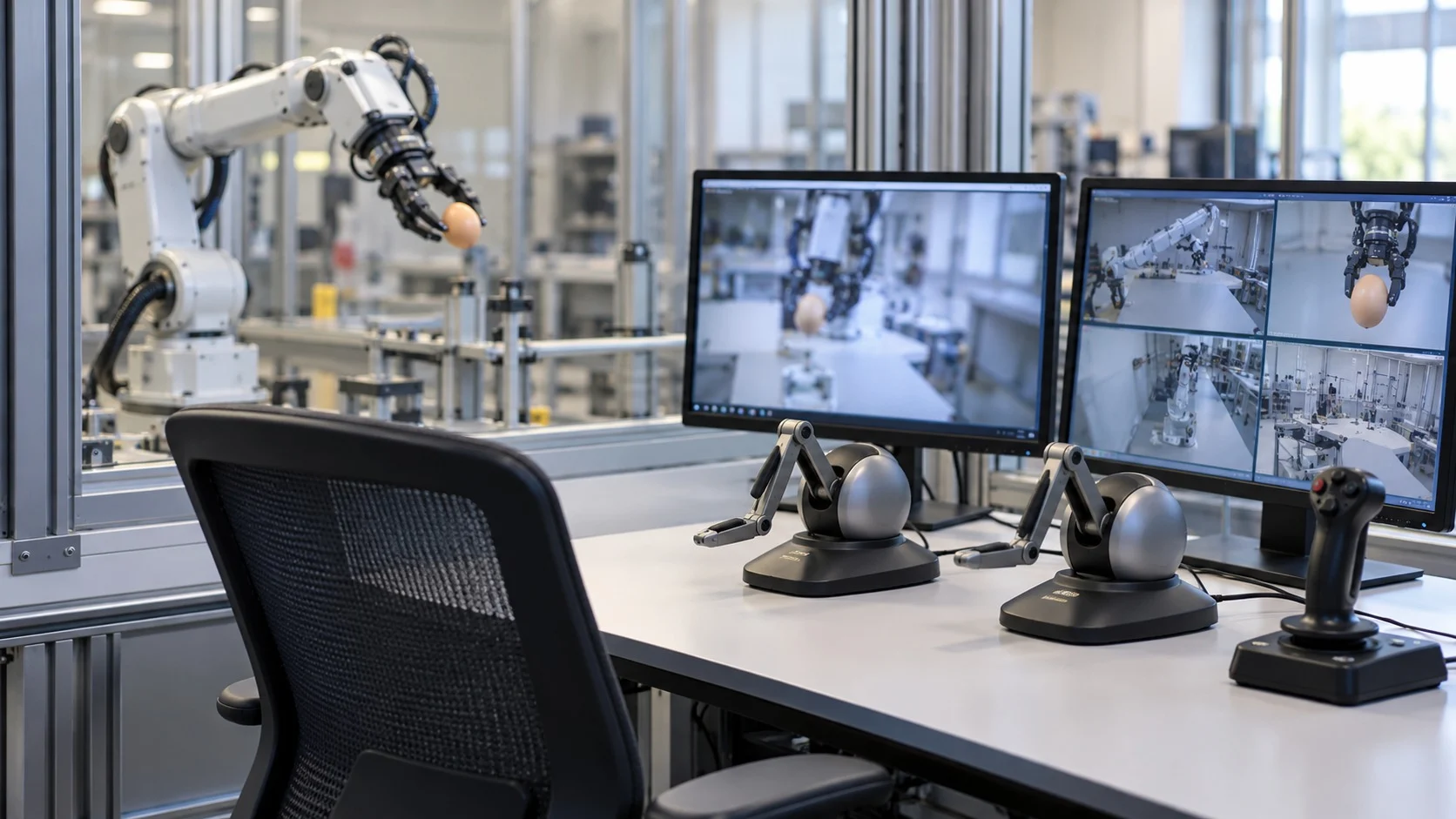
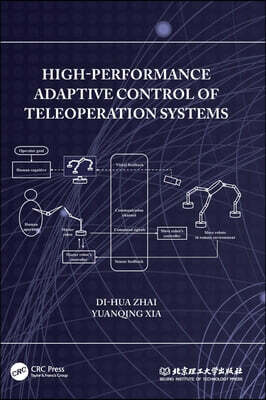
Teleoperation systems may look different from one another, but their framework is similar. There is a human side and a robot side, and signals travel back and forth between them to connect the two.
- Master device: the handle, joystick, or control arm that the operator directly holds and moves.
- Slave robot: the robot that does the actual work at the distant site, following the movements of the master device.
- Communication channel: the wires, fiber-optic networks, or radio waves that carry commands and information between the two.
- Feedback: information returned to the operator, including video and sound from the site and the forces the robot experiences.
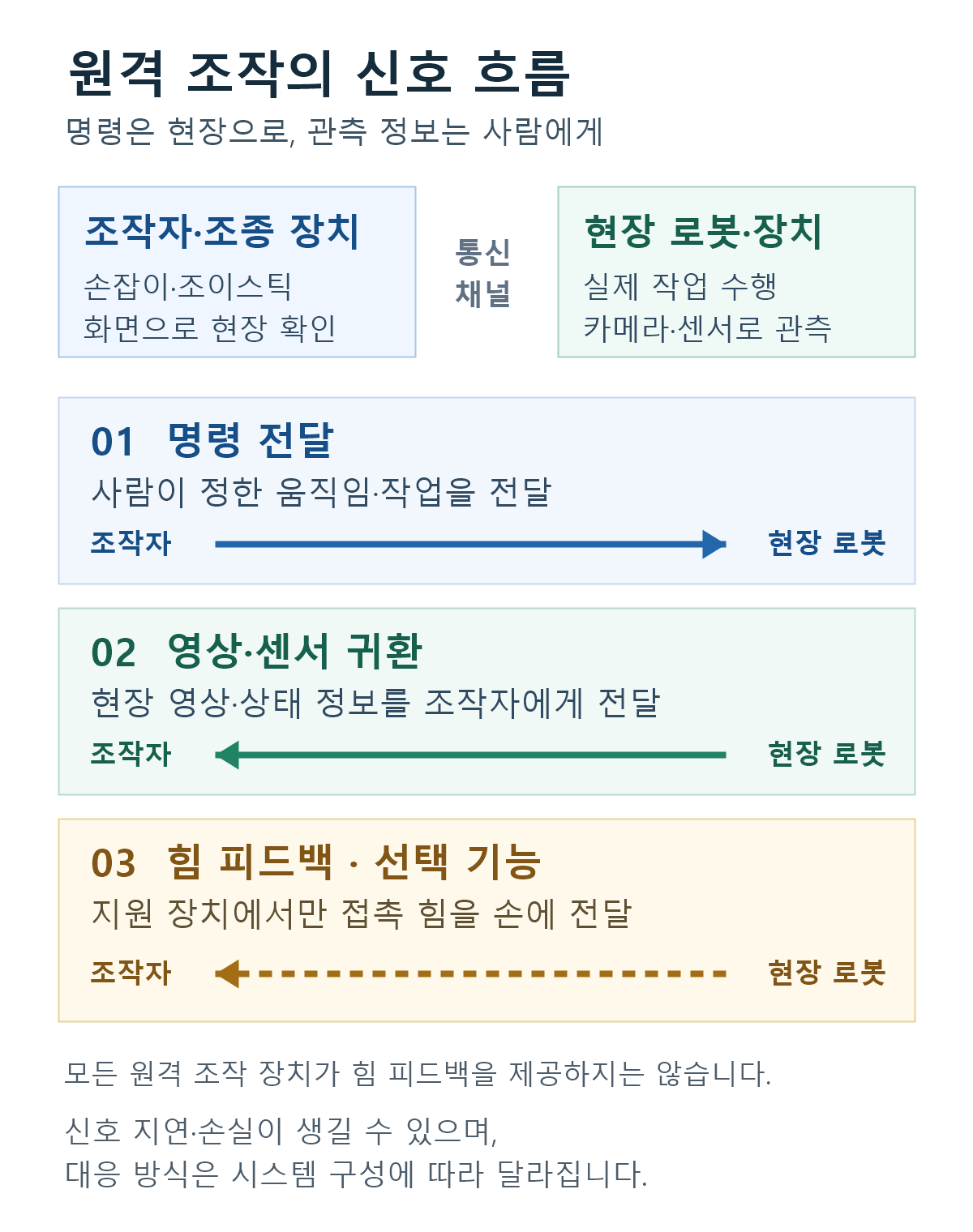
In particular, the method of returning the forces felt by the robot to the master device is called bilateral control. With this sense, a person can operate as delicately as applying just enough force not to break an egg.
Going a step further, using a head-worn display and haptic devices to make the operator feel as if they were actually at the site is called telepresence. Goertz himself built an early head-mounted display and tested this idea early on.
The Time Delay Created by Distance
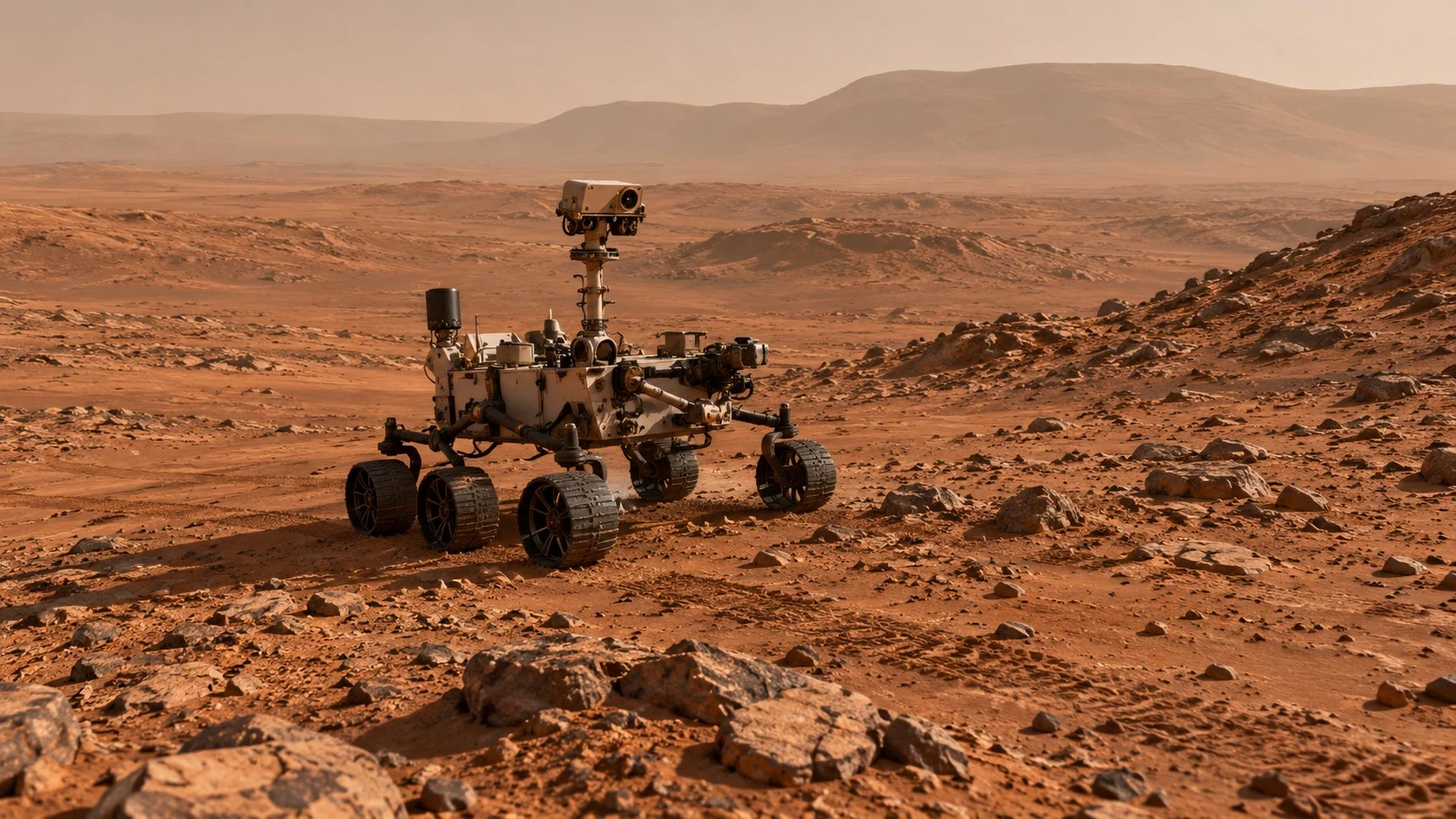
The trickiest enemy in teleoperation is distance itself. If signals take time to travel back and forth, the image the operator sees is already a past moment, and the results of their hand movements also appear late.
(1) Remote Driving on the Moon
The Soviet Union's Lunokhod 1 of 1970 was a lunar rover driven in real time by operators on Earth. Even at the speed of light, a signal round trip took about 2.5 seconds, so the drivers had to move carefully while watching images that arrived late.
(2) Direct Control Is Difficult on Mars
Depending on Mars's distance from Earth, a signal takes anywhere from a few minutes to over 20 minutes just to travel one way. So Mars rovers operate by having the ground team plan the day's tasks in advance and send them, after which the robot carries out the stored commands on its own.
(3) Humans Set the Goals, Robots Handle the Details
This approach, in which a person sets the goal and route while the robot handles detailed actions such as avoiding obstacles on its own, is called supervisory control. The longer the delay, the larger the share the robot takes on.
Into Operating Rooms, the Deep Sea, and Space
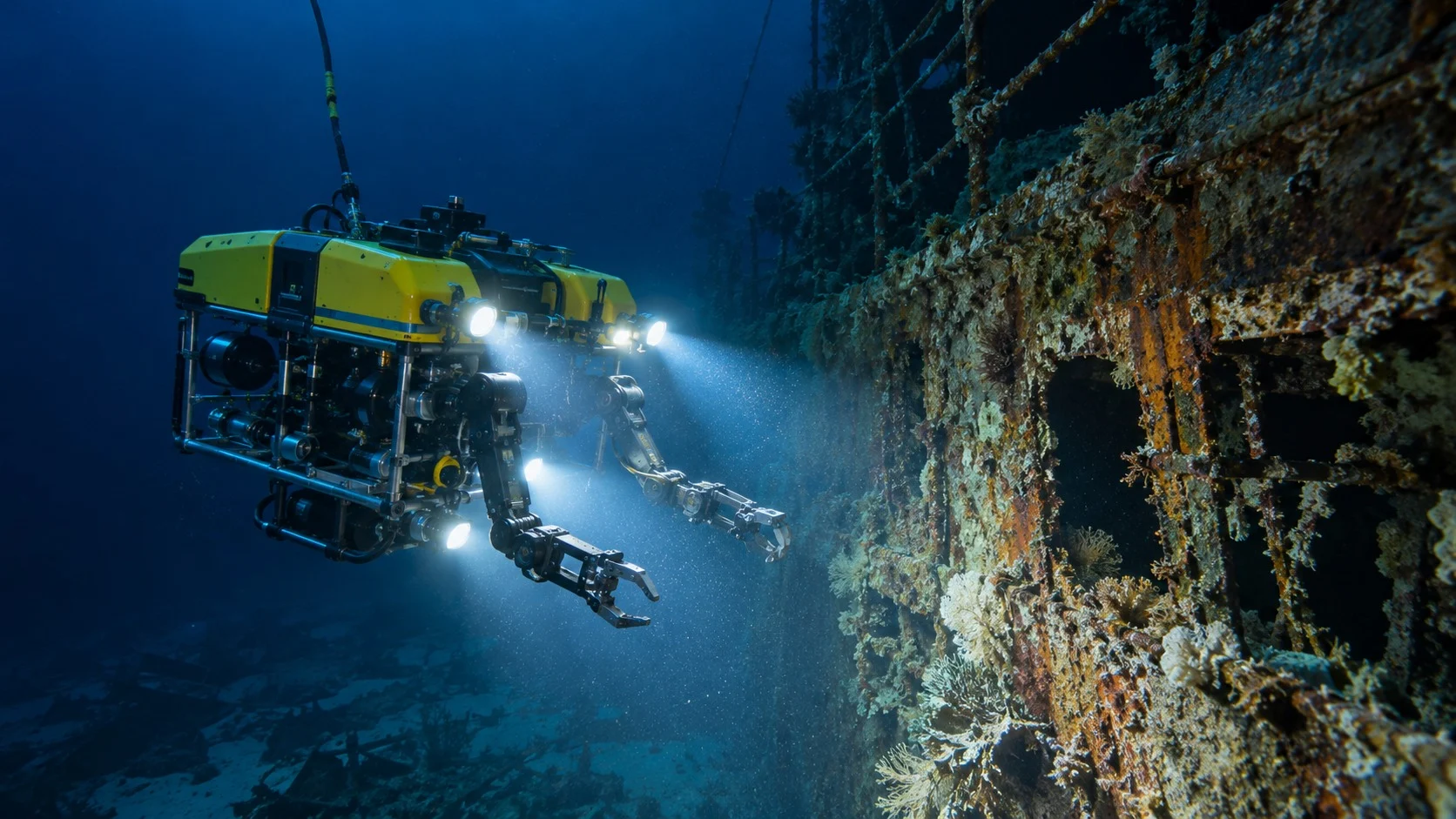
Today, teleoperation has spread to almost every place that is hard for people to reach. Even over long distances or in hazardous environments, human judgment and skill can be sent there intact.
(1) Surgery Across the Atlantic
On September 7, 2001, a team led by Professor Jacques Marescaux of France controlled a surgical robot from New York in the United States to remove the gallbladder of a 68-year-old patient in Strasbourg, France, about 6,230 kilometers away. It is called “Operation Lindbergh,” after the aviator who made the first solo flight across the Atlantic.
(2) Seas Divers Cannot Reach
Remotely operated vehicles repair seabed facilities and investigate shipwrecks in waters that are too deep or dangerous for human divers. Such vehicles were also used to examine the wreck of the Titanic.
(3) Two Arms on the Space Station
The International Space Station has a two-armed robot called Dextre, which helps astronauts handle external equipment without risky spacewalks.
Teleoperation is less a technology in which robots replace people than one that extends human hands and eyes to places people cannot go. Thanks to this cooperation, in which people make the judgments and machines bear the risks, we have become able to work in deeper and more distant places.
Uniting human senses with a machine's body: that is the first step in robotics toward building robots that can work from afar.