Community welfare is a form of social activity aimed at improving the well-being of local residents. It helps members of a local community enjoy a better quality of life by cooperating with and supporting one another.
The main purpose of community welfare is to tackle a range of social problems such as poverty, unemployment, and social isolation, and to advance local residents' basic rights, including health, education, and safety.
These welfare activities provide local residents with important resources, foster solidarity and harmony within the community, and strengthen social inclusion.
In Korea, too, the need for community welfare is increasingly recognized, and a variety of initiatives are being put into practice.
What Is Community Welfare?
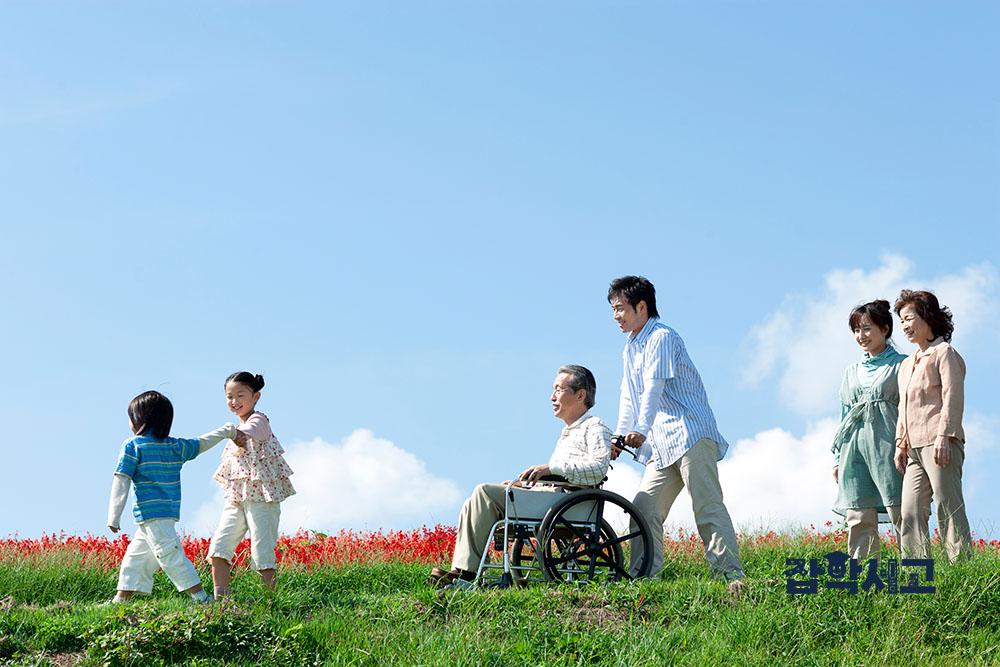 Welfare for building a better community
Community welfare refers to the various activities and programs carried out to improve the quality of life of people living in a particular area. It includes helping the people of that area come together to solve problems, help one another, and contribute to a better living environment.
Cooperation within the local community
Community welfare is an effort by local residents to cooperate with and support one another so that their community becomes a better place. This kind of cooperation is important for sharing resources and for understanding and solving one another's problems.
Welfare programs and services
Community welfare improves local residents' quality of life by providing a variety of welfare programs and services. These can cover many areas, such as health care, education, food, housing, and employment opportunities.
Promoting social inclusion and solidarity
Community welfare helps everyone, and especially people from vulnerable groups, to be respected as members of society and to receive the support they need. It fosters social solidarity and inclusion and gives community members a sense of responsibility toward one another.
Community self-reliance and self-determination
Community welfare promotes the community's self-reliance and self-determination, helping it solve its own problems. This strengthens the community's capacity and enables local residents to work together toward a better future.
Community welfare plays an important role in helping people live better lives, contributing both to the development of the community and to the well-being of individuals.
Why Is Community Welfare Needed?
 Improving residents' well-being and encouraging mutual support
Community welfare is essential to pursuing better well-being and sustainable development for both individuals and the community as a whole. It fosters social solidarity and mutual support, and it provides a range of services and support so that local residents can live better lives.
Through this, the community grows stronger and can deal more effectively with social problems and challenges. Below, the reasons community welfare is needed are organized by category.
Solving social problems
Community welfare helps solve a community's social problems, such as poverty, unemployment, housing problems, and health problems. Welfare programs can address these problems and support people in living better lives.
Strengthening community solidarity
Community welfare strengthens solidarity among local residents and creates an environment in which people can help and cooperate with one another. It promotes harmony and inclusion in the community and helps people build a more positive and healthy community.
Guaranteeing basic rights
Community welfare helps ensure that everyone can enjoy basic rights such as education, health, and safety. This is especially important for people from vulnerable groups, as it allows them to be respected and supported as members of society.
Revitalizing the local economy
Community welfare programs revitalize the local economy and create jobs, helping people earn a living. This contributes to the community's economic stability and development.
Community self-reliance and self-determination
Community welfare helps a community develop the ability to recognize and solve its own problems. This strengthens the community's self-reliance and capacity for self-determination and enables it to build a better future.
Promoting individual and community well-being
Community welfare improves individual well-being while raising the level of well-being of the community as a whole. It has a positive effect on both individuals and the community and provides a better quality of life.
In these many ways, community welfare has a positive impact on the community and its members and plays an important role in building a better society.
Types of Community Welfare
 The three types of community welfare
Community welfare can be broadly divided into three types, each designed to address specific needs and problems of the community. Here is how each type is distinguished.
Preventive community welfare
Preventive community welfare focuses on responding before social problems arise, preventing them or keeping them to a minimum. For example, a health education program might teach local residents healthy habits and ways to look after their health, reducing the occurrence of health problems.
Supportive community welfare
Supportive community welfare focuses on solving social problems that have already occurred and providing local residents with the support they need. One example is offering job training programs for the unemployed so they can find new job opportunities and earn a living.
Developmental community welfare
Developmental community welfare strengthens the community's self-reliance and capacity for self-determination and aims at the overall development of the community. Examples include supporting community-based projects in which residents can take part and helping improve local infrastructure and create economic opportunities.
Through these types, community welfare is approached and carried out in various ways for the prevention of social problems, the provision of support, and the development of the community. The types complement one another and work together for the community's well-being and development.
Examples of Community Welfare in Korea
 What are some examples of community welfare in Korea?
Community welfare refers to activities in which people living in a community cooperate with and help one another. In community welfare, the national government, local governments, social welfare institutions, private organizations, volunteers, and others take part together to provide services tailored to residents' welfare needs and to solve the community's problems.
The purpose of community welfare is to improve residents' quality of life, reduce social exclusion and poverty, and strengthen social solidarity and a sense of community. Examples of community welfare in Korea include the following.
Busan Metropolitan City
Busan's "Meal and Nutrition Support Service Linked to Integrated Community Care" provides meals and nutrition to vulnerable groups such as older people living alone, people with disabilities, and single-parent families.
Under this service, local care centers, restaurants, agricultural cooperatives (NongHyup), and others work together to cook and deliver meals made with fresh, healthy ingredients. Care services are provided along with the meals to look after residents' health and safety.
South Chungcheong Province
South Chungcheong's "Moms Need a Mom Too" is a service that offers mental health counseling and healing programs to mothers caring for children with disabilities.
The service provides a space where mothers of children with disabilities can express and share their feelings and worries, and professionals offer counseling and therapy. Mothers in the same situation also share care and experiences with one another and relieve stress and increase their life satisfaction through cultural activities, trips, and more.
North Chungcheong Province
North Chungcheong's "Family Relationship Building Support Service" offers education and counseling to improve family relationships when family members are dealing with conflict or communication problems.
The service runs family conversation programs that encourage dialogue and understanding among family members, as well as family healing programs that strengthen emotional bonds. When serious conflict or violence occurs within a family, professionals provide individual counseling and mediation.
Daegu Metropolitan City
Daegu's "Dementia Prevention Exercise Program Using Small Exercise Equipment" is a program of varied exercises using small exercise equipment to help prevent dementia.
Working with dementia prevention centers, the program offers personalized exercise programs based on dementia risk screening and physical ability assessments. It also guides participants through exercises with small equipment to improve muscle strength, flexibility, balance, cognitive ability, and more.
North Jeolla Province
North Jeolla's "Total Culture and Leisure Service for Seniors" is a service that lets older people enjoy cultural and leisure activities.
The service offers a variety of arts and culture programs and leisure activities matched to older people's tastes and interests, and creates an environment in which they can take part voluntarily and take the lead themselves.
It also supports older people in developing their talents and hobbies through arts and culture activities, staying healthy and socially connected through leisure activities, and finding meaning and happiness in life.
These are just some examples of community welfare in Korea. Community welfare plays an important role in raising residents' level of well-being, solving community problems, and contributing to the community's development.
Community welfare plays an important role in improving residents' quality of life and strengthening social solidarity through cooperation among stakeholders in the local community.
Korea's community welfare cases show how these ideas are applied in practice and how they are improving the community's well-being.
They help us better understand the importance and effects of community welfare and look for ways to build better communities.
Community welfare activities are essential to improving the quality of life of local residents, and with continued attention and investment, they can be developed even further.