Have you ever felt drowsy after eating white rice for lunch, but relatively clear-headed after eating mixed-grain rice with vegetables? Even among ‘carbohydrates,’ the speed and extent at which they turn into sugar in the body differ. In food science and nutrition, the indicator that lets us compare this difference in numbers is the ‘Glycemic Index (GI).’
Put simply, the glycemic index refers to ‘a value that expresses how quickly and how much blood sugar rises when you eat a particular food, as a relative value with glucose (or white bread) set at 100.’ Since David Jenkins’s research team proposed it in 1981, it has been widely used in dietary therapy for diabetes, sports nutrition, and everyday meal planning.
In this article, we lay out how the glycemic index is measured and its high, medium, and low categories, how it differs from Glycemic Load (GL), the factors that make the value change even for the same food, and practical tips you can use right at the table, all in a way that is easy to understand.
Reading the speed of carbohydrates through the glycemic index
What Is the Glycemic Index?
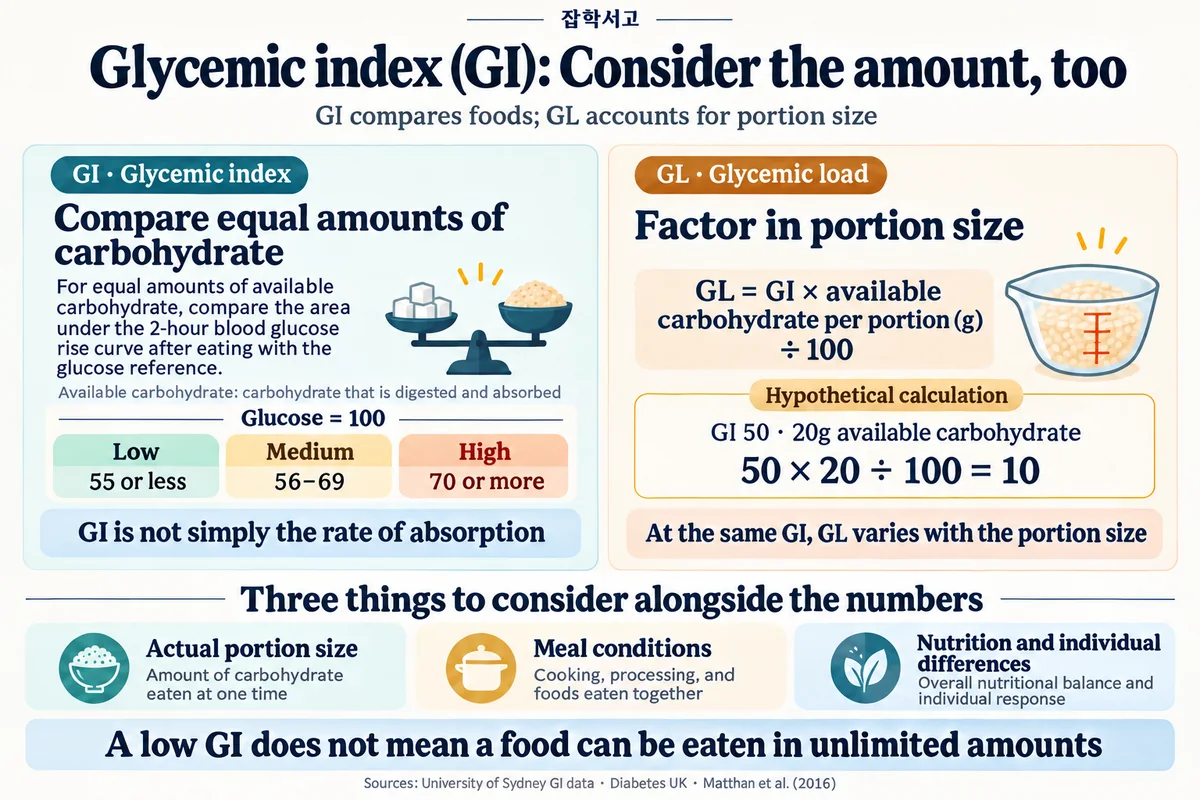
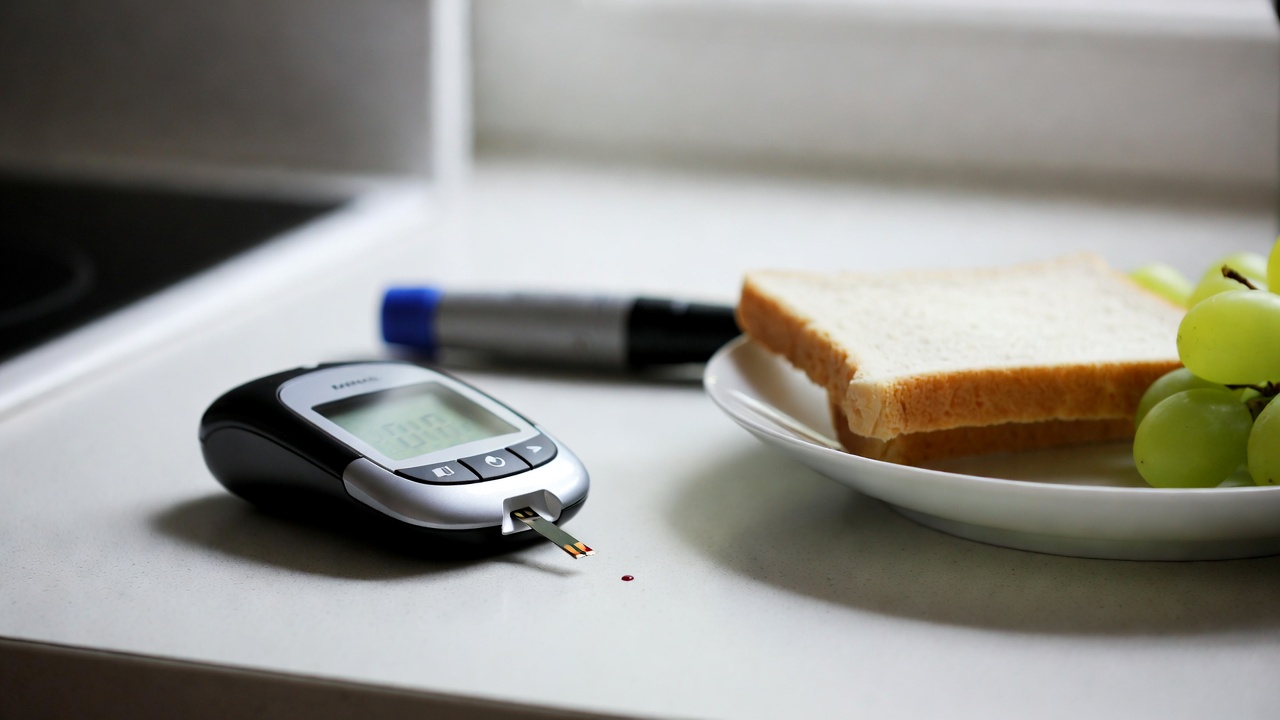
The glycemic index starts from experiments with healthy people. Test subjects eat a test food containing 50 g of carbohydrate, and then the area under the blood sugar curve (AUC) over two hours is calculated and compared with the area produced by the same amount of a reference food (usually glucose), expressed as a percentage.
The higher the value, the faster blood sugar spikes; the lower it is, the more gradually it rises. Foods are generally divided as follows.
- High GI: 70 or above. Many foods here raise blood sugar quickly, such as white bread, French fries, and sugary drinks.
- Medium GI: 56–69. Foods such as brown rice, bananas, and pineapple often produce a response at a moderate speed.
- Low GI: 55 or below. Slowly absorbed foods such as legumes, most vegetables, oats, and apples fall into this group.
However, GI is not an all-purpose score for ‘healthy/harmful.’ Fatty potato chips may come out with a low GI yet still carry a heavy load of calories and sodium. The indicator is a lens for looking at the ‘speed’ of carbohydrates; it does not replace the overall nutritional value of a food.
Glycemic Load (GL): A Realistic Indicator That Also Reflects Quantity
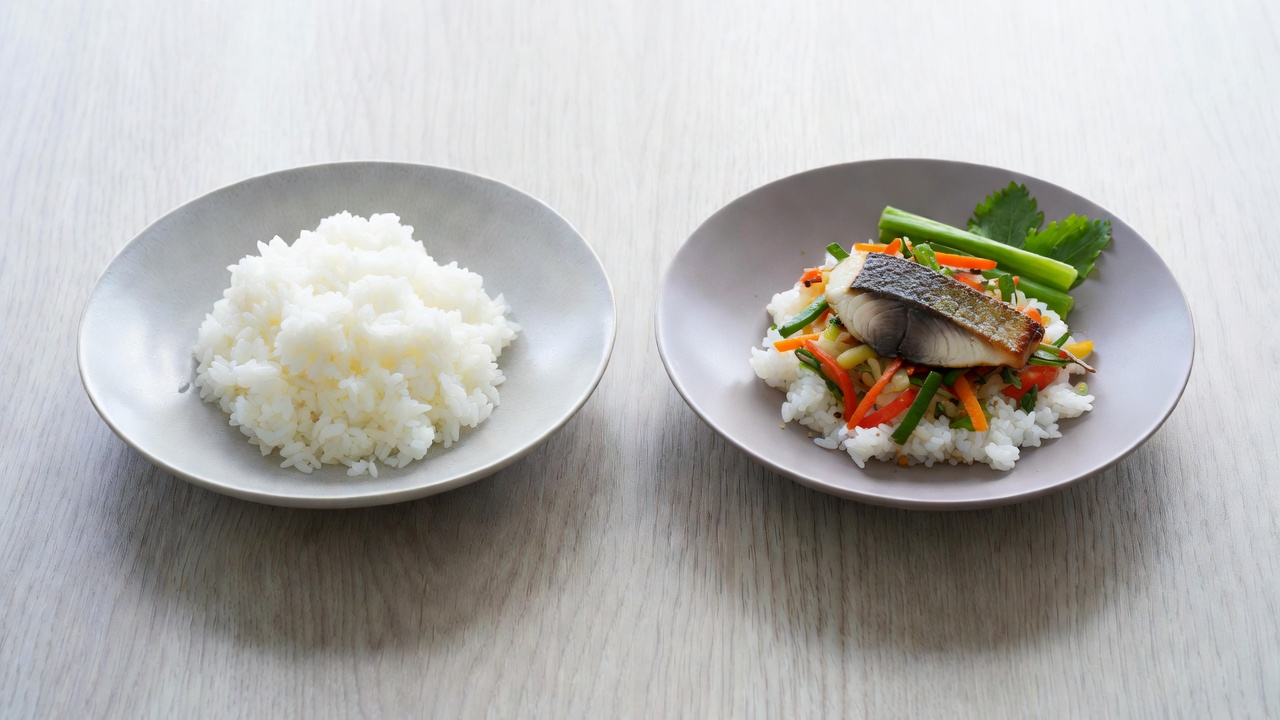
Even with the same food, the actual effect on blood sugar differs if the amount you eat in one sitting differs. The concept that makes up for this is Glycemic Load (GL). The calculation is simple.
(1) Formula
GL = (GI × carbohydrate per serving (g)) ÷ 100
(2) How to interpret it
Generally, a GL of 20 or above is considered high, 11–19 medium, and 10 or below low.
(3) Why it is needed
Watermelon has a relatively high GI, but because one slice contains little carbohydrate, its GL is on the low side. Conversely, with white rice both the GI and the amount eaten are large, so the GL tends to be high. The core of GL is to look at ‘how much you eat’ as well, rather than ‘avoiding foods based on the number alone.’
(4) A real-life example
Boiled potatoes and potato salad made from cooled potatoes can produce different perceived blood sugar responses because their starch structure changes, and even the same menu can have a very different GL depending on the amount of rice and the mix of side dishes.
Four Factors That Change the GI of the Same Food
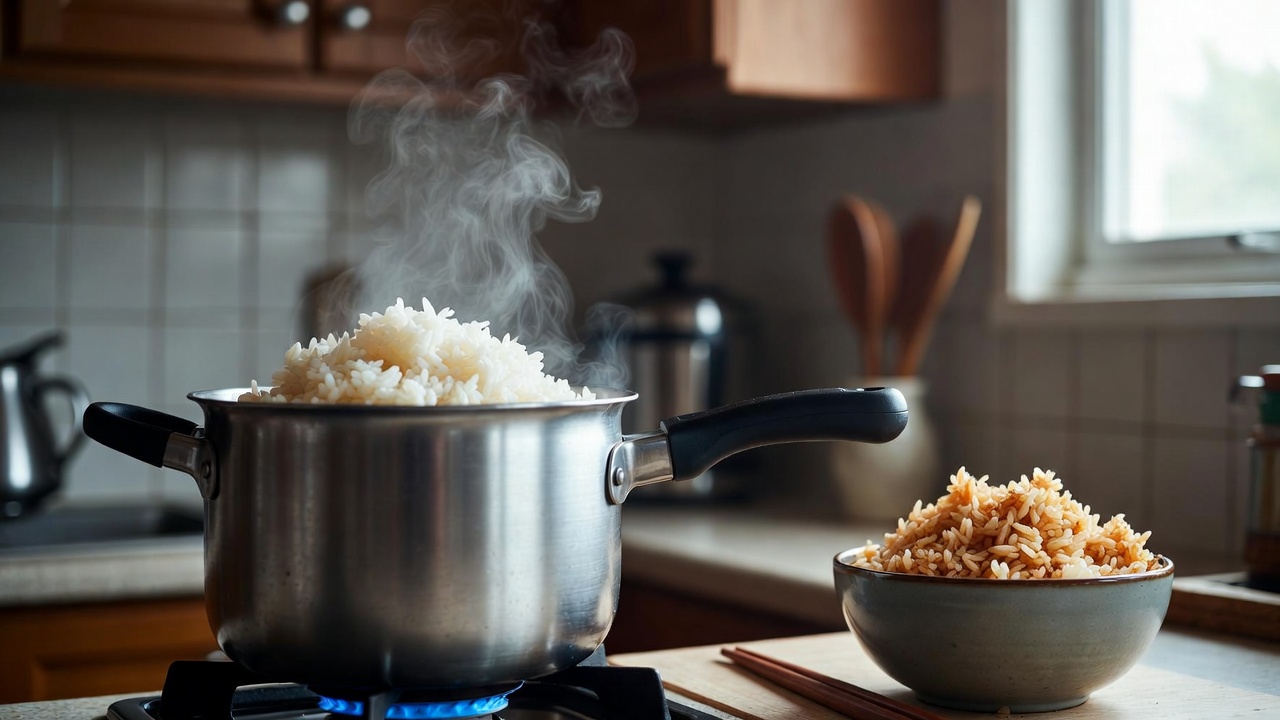
The GI tables in textbooks are close to average values. At the actual table, several conditions move the numbers.
- Processing: The more finely grain is ground, the faster it is digested, so GI tends to rise. That is why fine flour raises blood sugar faster than whole grains.
- Cooking time and moisture (Cooking): Boiling food for a long time or turning it into something like porridge gelatinizes the starch, which can speed up absorption.
- Accompanying nutrients (Pairing): Eating fiber, protein, and fat together often slows stomach emptying and absorption, making the rise in blood sugar more gradual.
- Ripeness & Temperature: Ripe bananas have a higher GI than underripe ones, and when cooked rice is cooled and its resistant starch increases, the perceived response can change.
Individual differences are also large. Depending on insulin sensitivity, gut microbes, the previous meal, and whether you have exercised, the same food can draw a different blood sugar curve. So it is safer to use GI and GL not as an ‘absolutely forbidden list’ but as a starting point for observing your own body’s responses.
Blood Sugar Management Tips You Can Use Right at the Table
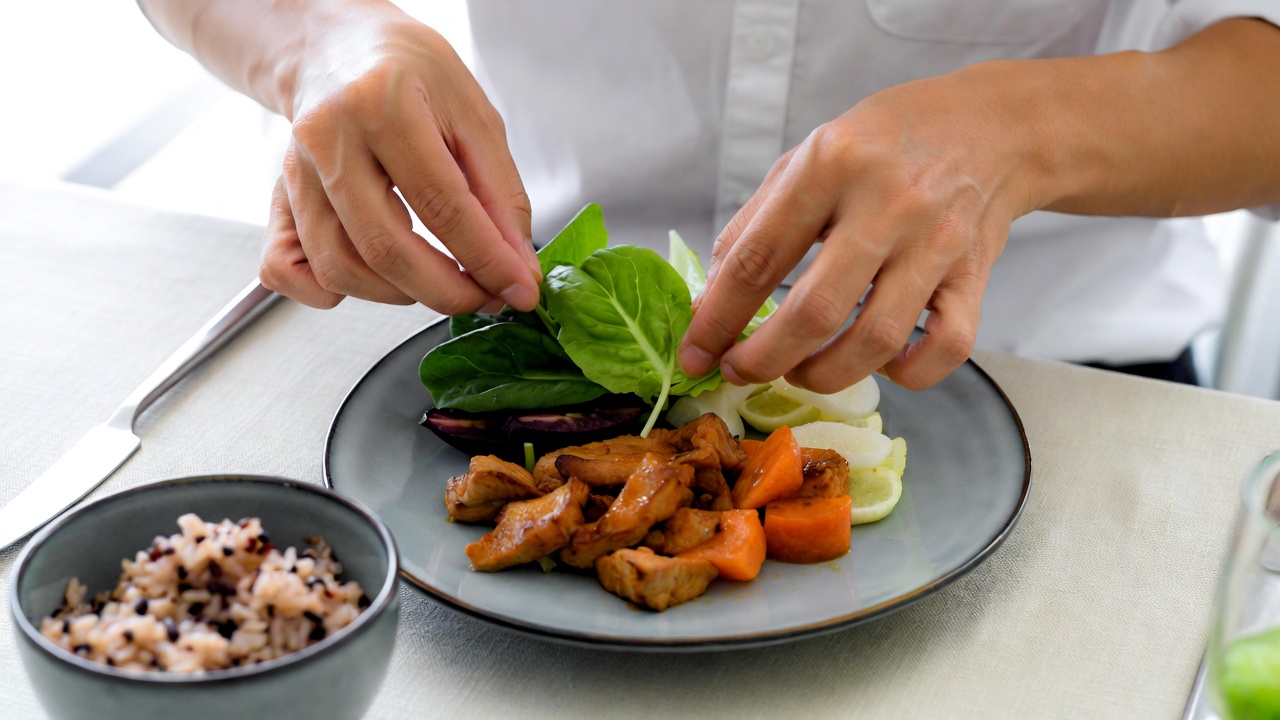
When putting the theory into everyday practice, a few habits are more powerful than complicated tables.
[1] Look at both the ‘quality’ and the ‘quantity’ of carbohydrates
Rather than filling up only on white rice, white bread, and sugary drinks, filling the volume with mixed grains, beans, and vegetables makes it easier to lower GL for the same feeling of fullness. A typical arrangement is filling half the plate with vegetables.
[2] Change the order
Some studies report that eating vegetables and protein first and rice afterward makes the rise in post-meal blood sugar more gradual. It is a method you can try without any special tools.
[3] Check your snacks and drinks
‘Sugar that comes in quickly without chewing,’ such as fruit juice drinks, sweet coffee, and snacks, tends to carry a heavy GI and GL load. It is realistic to keep fresh fruit, nuts, and unsweetened dairy products as alternatives.
[4] Look at patterns rather than numbers
Using continuous glucose monitoring (CGM) or simply recording how you feel after meals makes it easier to find ‘the combination that suits me’ than relying on the averages in a table. Right after exercise, relatively high-GI foods can even help recovery, so flexibility for each situation is needed.
The glycemic index and glycemic load are tools that help us understand carbohydrates along two axes, ‘speed and quantity,’ instead of making them a ‘sin.’ The value of these indicators comes alive when you refer to GI and GL within a meal pattern that includes fiber and protein, rather than insisting only on low-GI foods.
Even for just one meal today, try changing the amount of rice and the balance of side dishes a little. Handling the same carbohydrates so that they are absorbed more slowly: that is the first step toward managing your own post-meal blood sugar.