Food poisoning is one of the things that requires extra caution during the summer. Food poisoning is an illness caused by eating unsafe food, and its causes and symptoms vary.
In this article, we will explore in detail what food poisoning is and what causes it, the main types of food poisoning bacteria, the symptoms of food poisoning, and ways to prevent and respond to it.
Gaining accurate knowledge about food poisoning can help you maintain a healthy lifestyle.
Understanding Food Poisoning and Its Causes
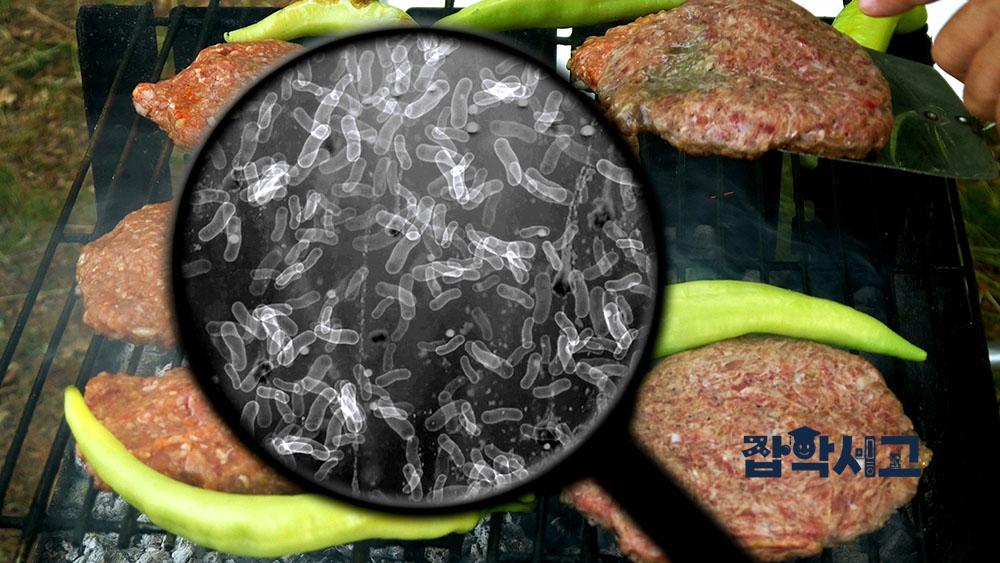 What causes food poisoning?
Food poisoning refers to an illness caused by consuming contaminated food or drinks. It mainly occurs when people consume food containing bacteria, viruses, parasites, or toxins.
Food poisoning usually results from improper food storage, cooking, or handling, and the risk increases in environments with high temperatures, particularly during the summer.
Main Causes
1. Bacteria: Bacteria are the most common cause of food poisoning. Common food poisoning bacteria include Salmonella, E. coli, and Listeria. These bacteria can multiply easily during food storage and handling.
2. Viruses: Viruses such as norovirus can also cause food poisoning. They are mainly transmitted through contaminated water or uncooked seafood.
3. Parasites: Food poisoning can also be caused by parasites. Common examples include roundworms and flagellates, which can cause infections through contaminated water, undercooked meat, or raw vegetables.
4. Toxins: Some cases of food poisoning are caused by toxins produced by bacteria or mold. Examples include Staphylococcus aureus and botulinum toxin. These toxins are difficult to identify because they do not alter the appearance or taste of food.
To prevent food poisoning, it is important to keep food fresh and maintain proper hygiene when cooking and storing it.
In particular, caution is needed when consuming raw food, and basic hygiene practices such as refrigerating food and washing hands thoroughly should be followed.
Types of Food Poisoning Bacteria
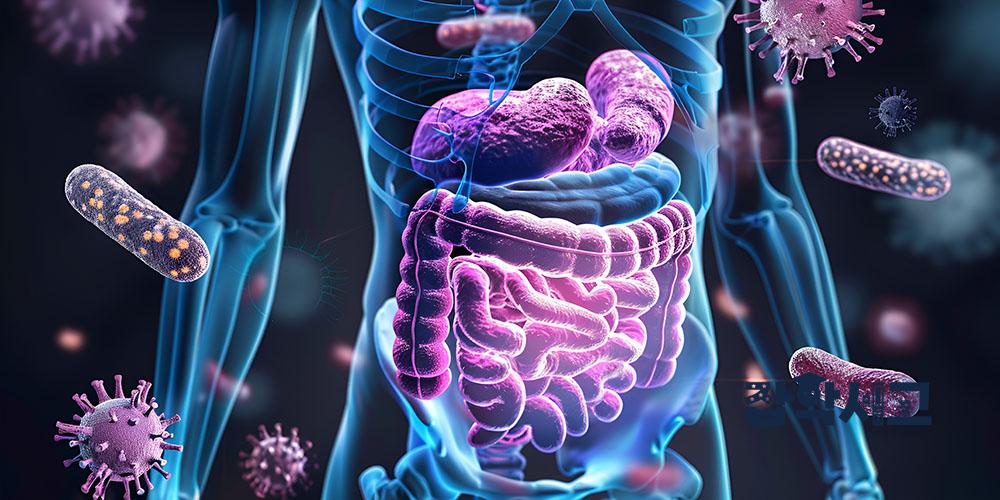 Various types of food poisoning bacteria
There are several main types of bacteria that cause food poisoning, and each has distinct symptoms and risks. We will take a detailed look at the main types of food poisoning bacteria and their characteristics.
1. Salmonella Bacteria (Salmonella)
Characteristics: Salmonella is commonly found in poultry, eggs, dairy products, and meat. These bacteria are sensitive to heat but can multiply easily during food storage and preparation.
Symptoms: Abdominal pain, diarrhea, fever, chills, and vomiting may occur, and symptoms generally appear within 6 to 72 hours after infection.
Prevention: Cook food thoroughly before eating it, and wash your hands thoroughly after handling raw meat or raw eggs.
2. E. coli (Escherichia coli)
Characteristics: Some E. coli bacteria are pathogenic and can cause food poisoning. In particular, the O157:H7 strain causes severe food poisoning. It is mainly associated with contaminated meat, particularly beef.
Symptoms: Symptoms include severe abdominal pain, diarrhea (sometimes bloody stools), vomiting, and fever, and severe cases can cause kidney failure.
Prevention: Cook meat thoroughly before eating it, use clean water, and wash vegetables and fruit thoroughly before consuming them.
3. Listeria Bacteria (Listeria monocytogenes)
Characteristics: Listeria can multiply even at refrigerator temperatures. It is mainly found in dairy products, uncooked meat, and raw vegetables.
Symptoms: Symptoms include fever, muscle aches, vomiting, and diarrhea, and the infection can be fatal for people with weakened immune systems or pregnant women.
Prevention: Observe expiration dates even for refrigerated foods, and wash your hands thoroughly before and after cooking.
4. S. aureus (Staphylococcus aureus)
Characteristics: Staphylococcus aureus is mainly present on human skin and in the nose and throat, and it can be transferred to food by hands. The toxins produced by these bacteria are resistant to heat.
Symptoms: Vomiting, abdominal pain, and diarrhea occur within 1 to 6 hours after eating, with the rapid onset of symptoms being a characteristic feature.
Prevention: Wash your hands thoroughly when preparing food, and refrigerate cooked food promptly.
5. C. botulinum (Clostridium botulinum)
Characteristics: Clostridium botulinum grows in environments without oxygen and can be found in canned foods and sausages. The toxin produced by these bacteria is extremely potent.
Symptoms: Symptoms include diplopia (double vision), speech impairment, dysphagia (difficulty swallowing food), and muscle weakness, and in severe cases, breathing difficulties can lead to death.
Prevention: When consuming canned or jarred foods, check for deformed containers or unusual odors.
6. Campylobacter Bacteria (Campylobacter)
Characteristics: Campylobacter is mainly found in poultry, meat, and contaminated water. These bacteria are sensitive to heat and are eliminated when food is cooked thoroughly.
Symptoms: Symptoms include abdominal pain, fever, and diarrhea (sometimes bloody stools), and they appear within 2 to 5 days after infection.
Prevention: Cook meat thoroughly before eating it, and prevent cross-contamination between raw meat and other ingredients.
Each type of food poisoning bacteria has its own characteristics and risks, so it is important to understand them and take preventive measures. Proper food management and hygiene habits can effectively prevent food poisoning.
Common Symptoms of Food Poisoning
 What are the common symptoms of food poisoning?
Food poisoning can cause a variety of symptoms depending on the type of pathogen consumed and the individual's immune status.
Food poisoning symptoms generally appear within a few hours to a few days after eating, and their severity can range from mild to serious. The following are the main common symptoms of food poisoning.
1. Abdominal Pain
Severe cramps or pain occur in the abdomen. This results from inflammation or irritation of the digestive organs and can affect the entire abdomen rather than being confined to a specific area.
2. Diarrhea
This involves frequent watery stools. Bloody stools may sometimes occur, and because diarrhea can cause dehydration, severe cases require hospital treatment.
3. Vomiting
This involves food and stomach acid flowing back up and being expelled through the mouth. Vomiting is a response in which the body attempts to remove harmful substances, and it may be accompanied by nausea.
4. Fever
This involves body temperature rising above the normal range. Fever occurs as part of the body's immune response to fight pathogens and may be accompanied by chills or sweating.
5. Headache
This involves pain or a feeling of heaviness in the head. It may be related to dehydration or occur as a result of a systemic inflammatory response.
6. Muscle Aches
This involves pain throughout the body, similar to general body aches during an illness. It occurs because the inflammatory response caused by food poisoning affects the muscles.
7. Dehydration
This involves a rapid decrease in the body's fluids and electrolytes due to vomiting and diarrhea. Dehydration can cause intense thirst, a dry mouth, reduced urine output, and dizziness.
8. Lethargy
This involves a loss of strength throughout the body and a feeling of fatigue due to food poisoning. It occurs because the body's energy is being used to fight pathogens.
9. Reduced Appetite
This involves reduced interest in food and a loss of the desire to eat. It may result from irritation and inflammation of the digestive organs.
Food poisoning symptoms generally appear within 6 to 72 hours after infection, and most cases improve within a few days.
However, severe cases may require hospital treatment, and older adults and people in poor health, as well as those with weakened immune systems, need to be particularly careful. It is important to take appropriate action immediately when symptoms of food poisoning appear.
How to Prevent and Respond to Food Poisoning
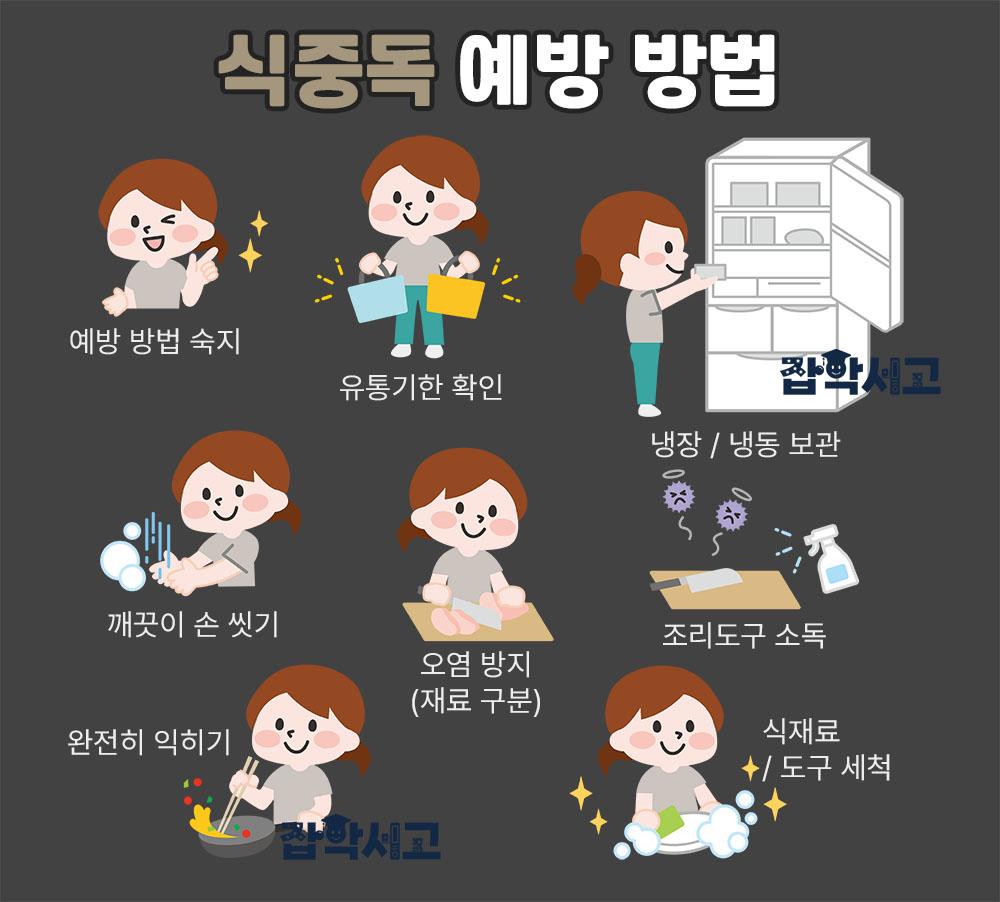 How can food poisoning be prevented?
Knowing how to prevent food poisoning and respond appropriately can effectively reduce the discomfort and health problems it causes. The following outlines ways to prevent and respond to food poisoning.
Ways to Prevent Food Poisoning
1. Washing Your Hands
Always wash your hands thoroughly before preparing or eating food, after using the bathroom, and after touching pets. It is advisable to scrub your hands with soap and warm water for at least 20 seconds.
2. Food Storage
It is important to store food at appropriate temperatures. Refrigerators should be kept at or below 4°C, and freezers at or below −18°C. Raw meat, fish, and seafood should be refrigerated, and cooked food should be cooled quickly.
3. Preventing Cross-Contamination
Cutting boards and knives used for raw meat, poultry, and fish should be used separately from those used for other foods. Wash and disinfect cooking utensils and kitchen surfaces immediately after use.
4. Cooking Food
Food should be cooked thoroughly so that its internal temperature becomes sufficiently high. In particular, foods such as poultry, meat, and fish should be cooked so that heat reaches their centers evenly.
5. Checking Expiration Dates
Check expiration dates when purchasing food, and do not consume food that has passed its expiration date. Once opened, consume it as soon as possible regardless of the expiration date.
6. Washing Ingredients
Wash vegetables and fruit thoroughly under running water before eating them. Take care to avoid using contaminated water, and use only clean drinking water.
Ways to Respond to Food Poisoning
1. Replenishing Fluids
It is important to drink enough fluids because vomiting and diarrhea can cause dehydration. Drink electrolyte beverages or water frequently, and avoid beverages containing caffeine or alcohol.
2. Resting
Get plenty of rest to help your body recover. Reduce activity and rest in a comfortable environment.
3. Managing Your Diet
Eat easily digestible foods while you have symptoms. Choose soft foods such as clear broth, bananas, and toast, and avoid fatty or irritating foods.
4. Seeking Medical Advice
Consult a doctor immediately if symptoms are severe or persist. In particular, visit a hospital if you develop a high fever, persistent vomiting, signs of severe dehydration, or bloody stools.
5. Using Medication
Use any necessary medication as directed by a doctor. Take care not to use antidiarrheal medicines or antibiotics on your own.
Food poisoning can be prevented through small changes in everyday habits. You can protect your health by maintaining proper food management and hygiene habits and responding appropriately when food poisoning occurs.
Food poisoning can affect anyone, but it can be effectively prevented and managed if you know the proper prevention and response methods.
We hope this article has helped you better understand food poisoning and maintain healthy eating habits. We also hope that, going forward, many people can continue to lead healthy daily lives by making food poisoning prevention a regular habit.