Maintaining health amid the busy routines of modern society is very important. However, one area that many people overlook is their intake of essential nutrients. Essential nutrients are substances that our bodies must have to function normally and stay healthy.
This article will explore in depth what essential nutrients are, their types and main roles, the symptoms and prevention of nutrient deficiencies, and how to obtain enough of these nutrients in daily life.
The Definition of Essential Nutrients
The Importance of Essential Nutrients
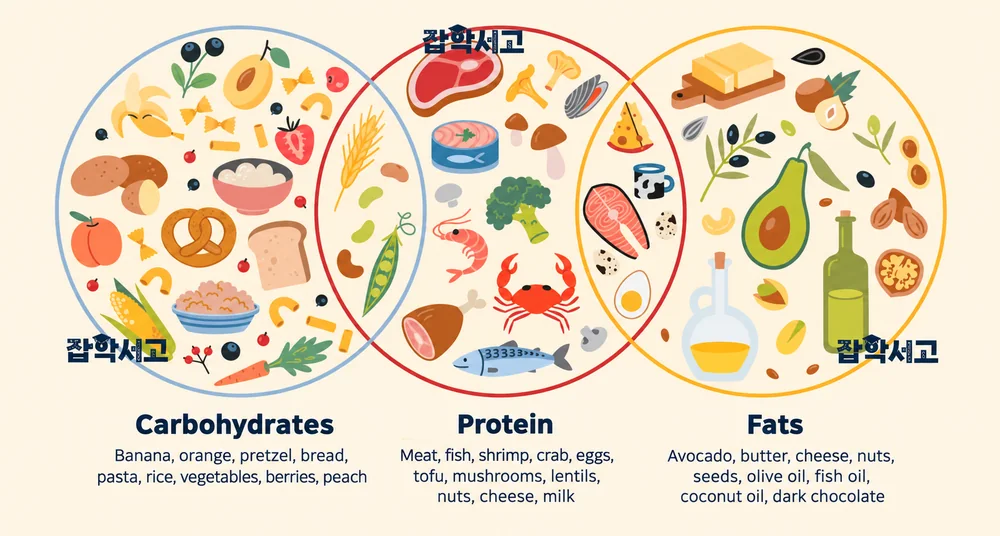
Essential nutrients must be obtained from external sources because our bodies cannot produce them on their own or cannot produce them in sufficient amounts. They enable the body to function normally and play important roles in supplying energy, maintaining and repairing cells and tissues, and regulating metabolism. These essential nutrients include not only carbohydrates, proteins, and fats but also vitamins and minerals, while water is also an essential element.
Carbohydrates, Proteins, and Fats: Primary Sources of Energy and Bodily Function
Carbohydrates primarily supply energy quickly and are essential for everyday physical activity and brain function. Proteins repair and maintain cells and tissues, and also contribute to muscle growth, enzyme production, and a stronger immune system. Fats serve as a long-term energy source in the body and help with the absorption of important fat-soluble vitamins. They are also basic components needed to form cell membranes and provide protection by maintaining body temperature.
Vitamins and Minerals: Regulators of Bodily Functions
Vitamins and minerals are needed only in small amounts, but they are highly important. Vitamins participate in various metabolic processes in the body, and each vitamin performs its own distinct functions. For example, vitamin C helps form collagen, while vitamin D promotes calcium absorption to maintain bone health. Minerals regulate nerve transmission, muscle contraction, and enzyme reactions, and essential minerals such as calcium, iron, and magnesium are important for bones, blood, and muscle function.
Water: An Essential Element in Physiological Processes
Water makes up about 60% of our bodies and plays an important role in every physiological process. Without water, processes such as regulating body temperature, transporting nutrients and oxygen, and removing waste cannot proceed smoothly. A lack of water causes dehydration, which can lead to fatigue, reduced concentration, and, in severe cases, a rapid decline in bodily functions.
The Importance of a Balanced Intake of Essential Nutrients
Each essential nutrient has its own distinct functions, and the body cannot function properly unless these nutrients are consumed in a balanced way. Nutrient deficiencies can cause fatigue, weakened immunity, and chronic diseases. A balanced intake of vitamins, minerals, and water, as well as carbohydrates, proteins, and fats, is the key to maintaining a healthy body. Obtaining a balanced range of nutrients from a variety of foods is an essential strategy for long-term health.
An Analysis of the Roles of the Main Nutrients Our Bodies Need

Carbohydrates: An Essential Energy Source
Carbohydrates are our bodies' main energy source and are used primarily to supply energy to the brain and muscles. Our bodies break down carbohydrates into glucose to produce the energy they need, which is particularly essential for maintaining concentration and performing physical activities. Simple carbohydrates provide energy quickly, while complex carbohydrates release energy gradually to support prolonged activity. Carbohydrates can be obtained from a variety of foods, including bread, rice, and potatoes, providing a continuous supply of energy.
Proteins: The Key to Maintaining Bodily Functions
Proteins make up all the tissues in the body and are essential for maintaining cell structure and function. Proteins are also important components of enzymes, hormones, and antibodies, supporting the body's metabolic processes and immune function. Proteins are synthesized from amino acids that the body cannot produce on its own, and these amino acids can be obtained from foods such as meat, fish, and legumes. An adequate protein intake plays an important role in muscle growth, wound healing, and strengthening immunity.
Fats: Energy Storage and Cell Membrane Formation
Fats play important roles in storing energy and forming cell membranes in our bodies. Fats particularly help with the absorption of fat-soluble vitamins such as vitamins A, D, E, and K, and also contribute to maintaining body temperature and protecting organs. Unsaturated fats have beneficial effects on cardiovascular health and can be obtained from olive oil, fish, and avocados. In contrast, saturated fats and trans fats can harm health when consumed excessively, so caution is needed.
Vitamins: Essential Elements for Regulating Bodily Functions
Vitamins are organic compounds that regulate various bodily functions, and although they are needed only in small amounts, their roles are highly significant. For example, vitamin C strengthens immunity and helps wounds heal, while vitamin D promotes calcium absorption to keep bones healthy. Vitamins can be obtained from a variety of foods, and a deficiency in any particular vitamin can cause specific health problems. It is very important to obtain enough vitamins through a balanced diet.
Minerals: Essential Nutrients for Bodily Functions
Minerals are essential inorganic substances that regulate bone and tooth formation, nerve transmission, and muscle contraction in our bodies. Minerals such as calcium, potassium, magnesium, and iron each have their own distinct functions. For example, calcium is essential for bone health, while iron plays an important role in transporting oxygen by producing red blood cells. Minerals can be obtained from seafood, dairy products, nuts, and leafy vegetables.
Water: A Substance Essential for Sustaining Life
Water makes up about 60% of our bodies and supports various physiological processes, including regulating body temperature, transporting nutrients and oxygen, and removing waste. Adequate fluid intake is particularly essential for maintaining the body's fluid balance, and drinking at least 2 liters of water a day is recommended to prevent dehydration. Water itself is not a nutrient, but it plays an important role in sustaining life and in all bodily functions.
The Importance of a Balanced Intake of Essential Nutrients
Each essential nutrient has its own distinct roles, and deficiencies or excessive intake can have harmful effects on health. For example, protein deficiency can cause muscle loss, while a lack of vitamin D can adversely affect bone health. It is therefore important to consume all nutrients in a balanced way, which requires maintaining a diet that includes a balanced variety of food groups.
Nutrient Deficiency Symptoms and Prevention

The Effects of Nutrient Deficiencies
Nutrient deficiencies negatively affect the body's major functions. A lack of essential nutrients impairs normal physiological functions such as metabolism, cell repair, and immune system activity. This causes various symptoms, including fatigue, weakened immunity, and skin problems, and prolonged deficiencies can develop into serious health problems. Because each nutrient has specific roles, the symptoms of a deficiency also vary according to that nutrient's functions.
Symptoms of Deficiencies in Major Nutrients
Typical symptoms vary widely depending on which nutrient is deficient. For example, a lack of iron causes anemia, resulting in symptoms such as fatigue, dizziness, and pale skin. Calcium deficiency can cause muscle cramps and osteoporosis, while vitamin A deficiency leads to impaired vision and dry skin. A lack of vitamin C also causes problems such as bleeding gums and delayed wound healing. In this way, different parts of the body can show various symptoms due to deficiencies in specific nutrients.
Eating Habits for Preventing Nutrient Deficiencies
To prevent nutrient deficiencies, it is important to eat a balanced variety of foods. A balanced diet that includes fresh vegetables, fruits, grains, proteins, and healthy fats gives the body a balanced supply of the nutrients it needs. For example, leafy vegetables such as spinach supply iron and calcium, while fish provide omega-3 fatty acids and vitamin D. Choosing foods in their natural state over processed foods is effective in preventing nutrient deficiencies.
Population Groups at Higher Risk of Nutrient Deficiencies
Certain population groups are more susceptible to nutrient deficiencies. Vegetarians are at higher risk of vitamin B12 and iron deficiencies, while older adults are susceptible to a lack of vitamin D and calcium. These groups may not obtain enough nutrients even from a balanced diet, so it is important to supplement any missing nutrients with nutritional supplements when necessary.
The Importance of Regular Health Checkups
Regular health checkups are important for detecting nutrient deficiencies early and preventing them. Nutritional status should be assessed through blood tests, and deficient nutrients should be supplemented or eating habits adjusted according to the advice of a healthcare professional. These preventive measures play an important role in maintaining health and preventing diseases caused by nutrient deficiencies.
How to Obtain Essential Nutrients in Everyday Life

The Importance of a Balanced Diet
A balanced diet is the most fundamental way to obtain enough essential nutrients in everyday life. It is important to maintain a diet that includes a balanced range of carbohydrates, proteins, fats, vitamins, and minerals. Eating foods from a variety of food groups allows each nutrient to perform its distinct functions properly. For example, protein-rich foods such as fish, meat, beans, and nuts can support the growth and repair of body tissues.
Eating a Colorful Variety of Vegetables and Fruits
Vegetables and fruits are rich sources of vitamins and minerals. Eating vegetables and fruits of various colors is a good way to obtain essential vitamins such as vitamins A, C, and E, along with antioxidants. Green and yellow vegetables, in particular, are rich in nutrients such as vitamins A and C and calcium, helping strengthen immunity and protect cells. Fruits provide vitamin C and dietary fiber, and are suitable as snacks while also benefiting immunity and digestive function.
The Importance of Unrefined Grains and Whole Grains
Unrefined grains and whole grains are major sources of complex carbohydrates and dietary fiber. Because whole grains are digested slowly, they help provide sustained energy and keep blood sugar levels stable. Whole grains also play an important role in improving gut health. When consumed regularly, they support weight management and digestive system health and are also effective in preventing diabetes.
Consuming Healthy Fats
Plant oils, nuts, and seeds provide the healthy fats the body needs. They are rich in unsaturated fatty acids and omega-3 fatty acids, helping promote cardiovascular health and reduce inflammation. Foods such as olive oil, avocados, and fish are major sources of unsaturated fats, and consuming them in appropriate amounts is beneficial for regulating cholesterol levels and stabilizing blood pressure. However, excessive fat intake can cause weight gain and health problems, so maintaining an appropriate intake is essential.
Adequate Water Intake
Fluid intake is just as important as nutrient intake. Water is essential for transporting nutrients and oxygen, regulating body temperature, and removing waste from the body. Drinking at least 8 glasses of water a day is recommended, helping provide the fluid the body needs to function normally. Fruit juices and other beverages can provide additional vitamins and minerals, but their high sugar content means excessive consumption should be avoided.
The Appropriate Use of Nutritional Supplements
Nutritional supplements can be a useful way to replenish specific nutrients when deficiencies occur. They can supplement nutrients such as vitamin D or iron when these are lacking, but supplements cannot replace a balanced diet. Excessive supplement intake can actually harm health, so they must be taken according to the advice of a doctor or other professional.
Ultimately, obtaining enough essential nutrients in everyday life requires a balanced intake of foods from a variety of food groups. By maintaining healthy eating habits, we can meet all of our bodies' nutritional needs, and it is also necessary to monitor our nutritional status through regular checkups.
Essential nutrients play an indispensable role in maintaining our bodies' normal functions and health. Carbohydrates, proteins, fats, vitamins, minerals, and water each perform their own distinct roles and should be consumed in appropriate amounts through a balanced diet. Vitamins and minerals, in particular, are needed only in small amounts, but they are extremely important.
By eating a variety of foods in everyday life to obtain enough essential nutrients, we can maintain health and prevent disease. Healthy eating habits are an important factor not only in physical health but also in improving quality of life.