Maintaining a healthy lifestyle requires considering various factors. Among them, cholesterol management plays an important role in heart health and overall physical health. High cholesterol levels can increase the risk of cardiovascular disease, so it is important to know how to manage them effectively.
In this article, we will examine the role of cholesterol and its effects on health, and explore in detail foods that lower cholesterol levels and their benefits, ways to build a healthy diet, and lifestyle habits that help manage cholesterol.
The Role of Cholesterol and Its Effects on Health
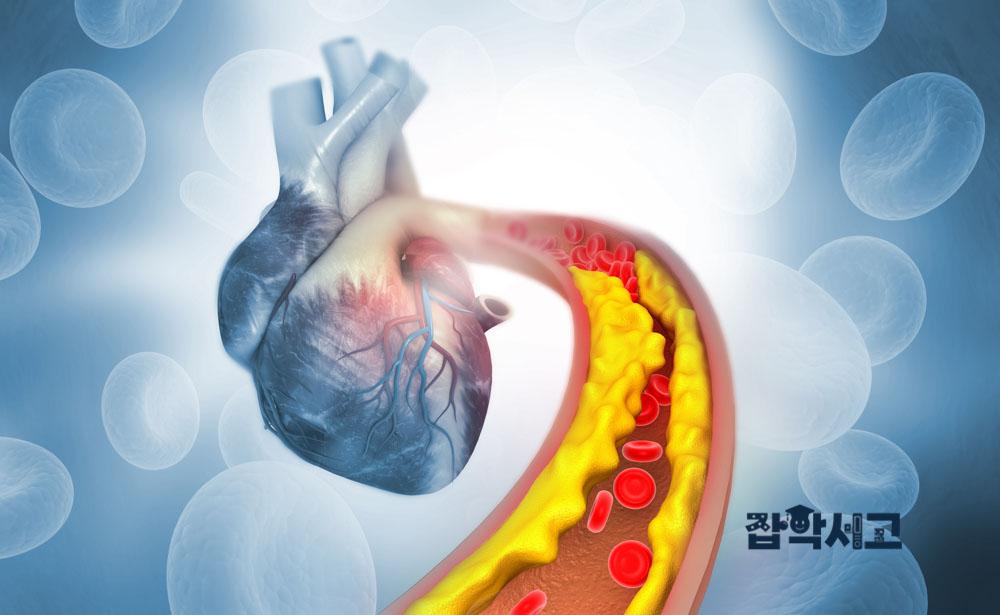 How does cholesterol affect our bodies?
The Importance of Cholesterol
Cholesterol is a fatty substance that plays an important role in our bodies. As one of the main components of cell membranes, it helps maintain the flexibility and strength of cells. It also serves as a raw material needed to produce hormones and vitamin D. For these reasons, cholesterol is essential for maintaining normal bodily functions.
The Negative Effects of High Cholesterol Levels
However, excessively high cholesterol levels can negatively affect health. In particular, when LDL (low-density lipoprotein) cholesterol levels are high, this cholesterol can build up on blood vessel walls, obstruct blood flow, and cause atherosclerosis. Atherosclerosis is one of the leading causes of heart attacks and strokes.
Good Cholesterol and Bad Cholesterol
In contrast, HDL (high-density lipoprotein) cholesterol is known as 'good cholesterol' and serves to remove LDL cholesterol and transport it to the liver. Therefore, increasing HDL cholesterol levels has a positive effect on cardiovascular health.
Maintaining Balanced Cholesterol Levels
Maintaining balanced cholesterol levels is very important. This means more than simply reducing cholesterol; it also means maintaining an appropriate ratio of good cholesterol to bad cholesterol. An appropriate diet and lifestyle habits are needed to achieve this.
The Influence of Genetic Factors
Finally, cholesterol levels can be affected by genetic factors. If you have a family history, more careful management is needed. It is important to check your cholesterol levels through regular health checkups and seek professional advice when necessary.
Foods That Lower Cholesterol Levels and Their Benefits
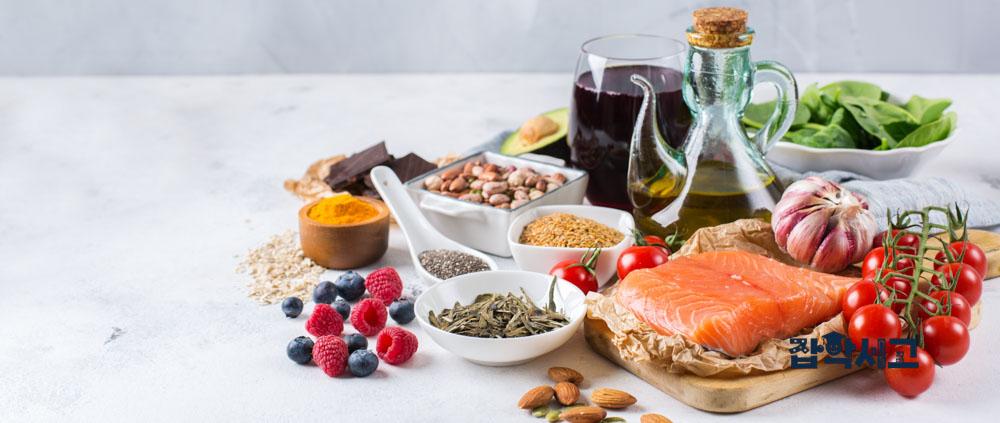 Which foods lower cholesterol levels?
Oatmeal
The first food we will introduce is oatmeal. Oatmeal is rich in soluble dietary fiber, which helps reduce cholesterol absorption in the small intestine. Eating a bowl of oatmeal a day can help lower LDL cholesterol levels.
Nuts
The second food is nuts. Various nuts, including almonds, walnuts, and pistachios, contain unsaturated fatty acids and are effective in reducing LDL cholesterol. Eating about a handful of nuts a day can improve cardiovascular health.
Olive Oil
The third food is olive oil. Olive oil contains abundant monounsaturated fatty acids and is very beneficial for heart health. Extra virgin olive oil is particularly recommended. It helps lower blood pressure and reduce LDL cholesterol levels.
Legumes
The fourth food is legumes. Common examples include soybeans, lentils, and chickpeas. Legumes are rich in protein and dietary fiber, making them beneficial for reducing cholesterol and stabilizing blood sugar levels. They also have the advantage of being easy to incorporate into meals using various cooking methods.
Fruits and Vegetables
The fifth group is fruits and vegetables. In particular, apples, grapes, strawberries, and citrus fruits are rich in soluble dietary fiber and antioxidants, which greatly help lower cholesterol levels. It is recommended to eat fruits and vegetables at least five times a day.
Fish
Finally, there is fish. Fish rich in omega-3 fatty acids, such as salmon, mackerel, and tuna, are effective in lowering blood cholesterol levels and improving blood vessel health. Eating fish at least twice a week is recommended.
How to Build a Healthy Diet: Practical Tips
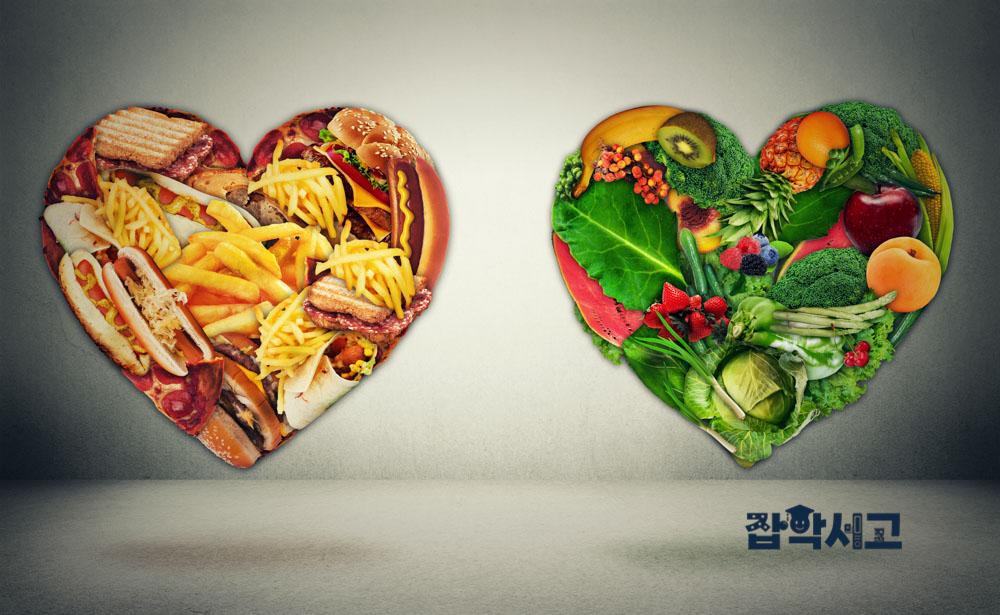 Which option will you choose for your health?
Managing the Types and Amounts of Fat
First, you should pay attention to the types and amounts of fat in your overall diet. Saturated fats and trans fats raise LDL cholesterol levels, while unsaturated fats help lower them. Therefore, it is advisable to eat less red meat, butter, and processed foods that are high in saturated fat, and instead frequently eat olive oil, avocados, and nuts that are rich in unsaturated fat.
Dietary Fiber Intake
Second, you should consume enough dietary fiber. Dietary fiber helps reduce cholesterol absorption and is abundant in oatmeal, whole grains, fruits, and vegetables. You should aim to consume at least 25-30 grams of dietary fiber a day.
Eating a Variety of Protein Sources
Third, you should diversify your protein sources. By eating a variety of protein foods, such as legumes, fish, and chicken, instead of meat, you can effectively manage your cholesterol levels. Fish, in particular, is rich in omega-3 fatty acids and is very beneficial for heart health.
Reducing Sugar and Sodium Intake
Fourth, it is important to reduce your intake of sugar and sodium. Because high blood pressure and high cholesterol are closely related, you should avoid excessive salt intake. It is also advisable to limit sugary drinks and snacks.
Choosing Healthy Beverages
Fifth, you should pay attention to your beverage choices. It is advisable to drink water, green tea, or herbal tea instead of sugary beverages. Green tea, in particular, is rich in antioxidants and can help lower cholesterol levels.
Consistent Meal Times and Portions
Sixth, you should maintain consistent meal times and portions. Irregular eating patterns can lead to weight gain and high cholesterol. It is important to eat three meals a day regularly at set times and avoid overeating.
Lifestyle Habits That Help Manage Cholesterol
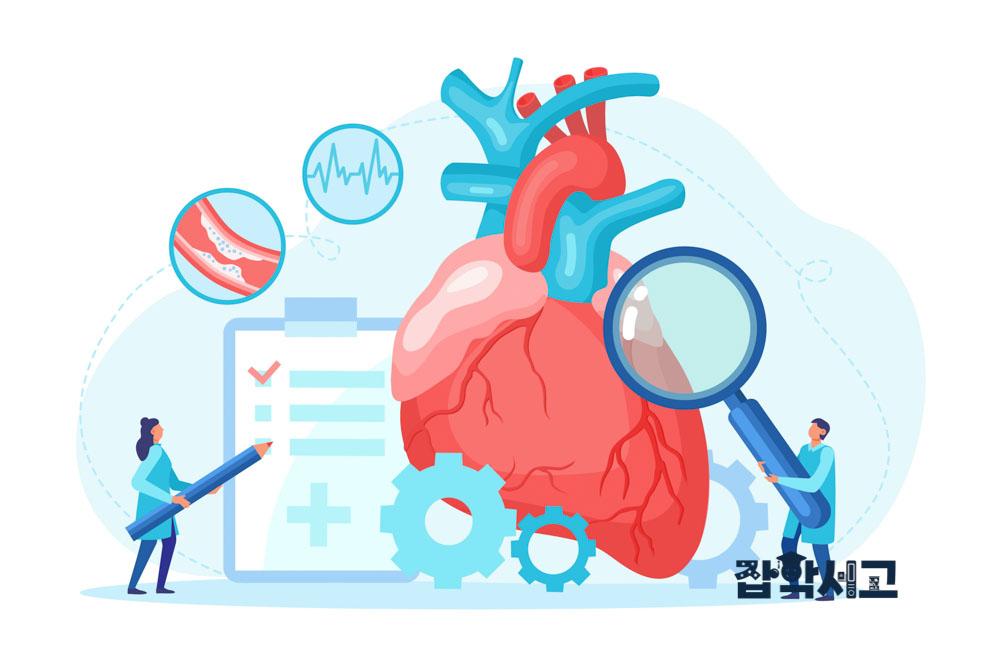 What should you do to manage cholesterol?
Regular Exercise
First, regular exercise is important. At least 150 minutes of moderate-intensity exercise or 75 minutes of vigorous-intensity exercise per week is recommended. Exercise helps decrease LDL cholesterol and increase HDL cholesterol. You can easily incorporate exercise into daily life through various activities such as walking, jogging, swimming, and cycling.
The Importance of Quitting Smoking
Second, quitting smoking is necessary. Smoking is very harmful to cardiovascular health, including raising LDL cholesterol levels and lowering HDL cholesterol levels. Quitting smoking can improve heart health and stabilize cholesterol levels.
Reducing Alcohol Intake
Third, it is advisable to reduce alcohol intake. Excessive alcohol consumption can raise cholesterol levels, so it is advisable to limit intake to no more than two drinks a day for men and one drink a day for women.
Stress Management
Fourth, it is important to manage stress. Stress is one of the causes of elevated cholesterol levels. It is necessary to maintain balance between mind and body through stress-reduction methods such as meditation, yoga, and breathing exercises.
Getting Enough Sleep
Fifth, you should get enough sleep. Sleep deprivation can cause hormonal imbalances that negatively affect cholesterol levels. It is important to maintain your body's rhythms by getting 7-8 hours of sufficient sleep a day.
Regular Health Checkups
Sixth, regular health checkups are essential. It is advisable to monitor cholesterol levels through regular blood tests and seek professional advice when necessary. Early detection allows appropriate action, so you should not neglect health checkups.
Cholesterol plays an important role in our bodies, but managing its levels appropriately is very important. Regulating cholesterol levels through proper eating and lifestyle habits can reduce the risk of cardiovascular disease.
We hope you will maintain a healthy life through the various foods, practical tips, and lifestyle habits introduced in this article. You should also remember regular health checkups and professional advice, and a healthy lifestyle can help you build a better future.