Carbohydrates are one of the indispensable nutrients in our daily diet and are a major source of energy. Carbohydrates are divided into simple and complex carbohydrates, each of which affects our bodies and health in various ways.
These carbohydrates can be found in a variety of foods, including bread, grains, fruits, and vegetables. Carbohydrate intake plays an important role not only in providing energy but also in maintaining normal bodily functions.
However, excessive carbohydrate intake can have negative effects such as weight gain, so understanding carbohydrates is closely connected to healthy dieting.
This article examines the types and functions of carbohydrates, typical carbohydrate foods, and the advantages and disadvantages of carbohydrates, while exploring the relationship between dieting and carbohydrates.
What Are Carbohydrates?
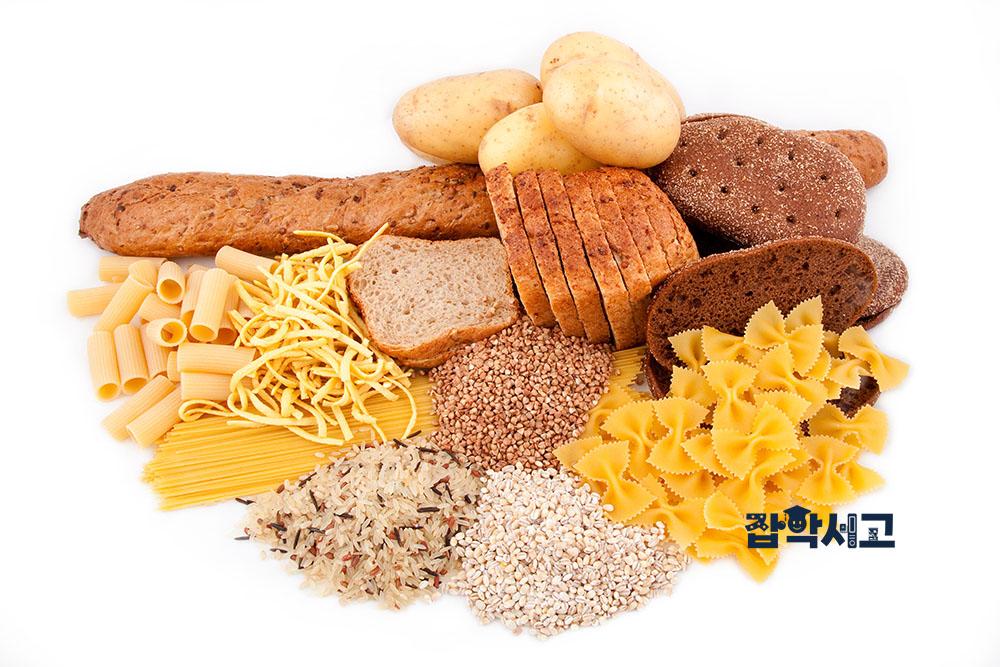 Foods Containing Carbohydrates
Carbohydrates are one of the main components of our diet and can be obtained primarily from plants. As their name suggests, carbohydrates consist of compounds of carbon (Carbon), hydrogen (Hydrogen), and oxygen (Oxygen).
Carbohydrates play an essential role in providing energy to our bodies. This energy is used by our muscles and brain and is needed to perform the activities required in everyday life.
Carbohydrates can also be found in a variety of foods and are abundant in bread, grains, potatoes, fruits, and vegetables.
Consuming the right types of carbohydrates in appropriate amounts can help you maintain healthy energy levels and enjoy good digestion and a feeling of satisfaction.
Types and Functions of Carbohydrates
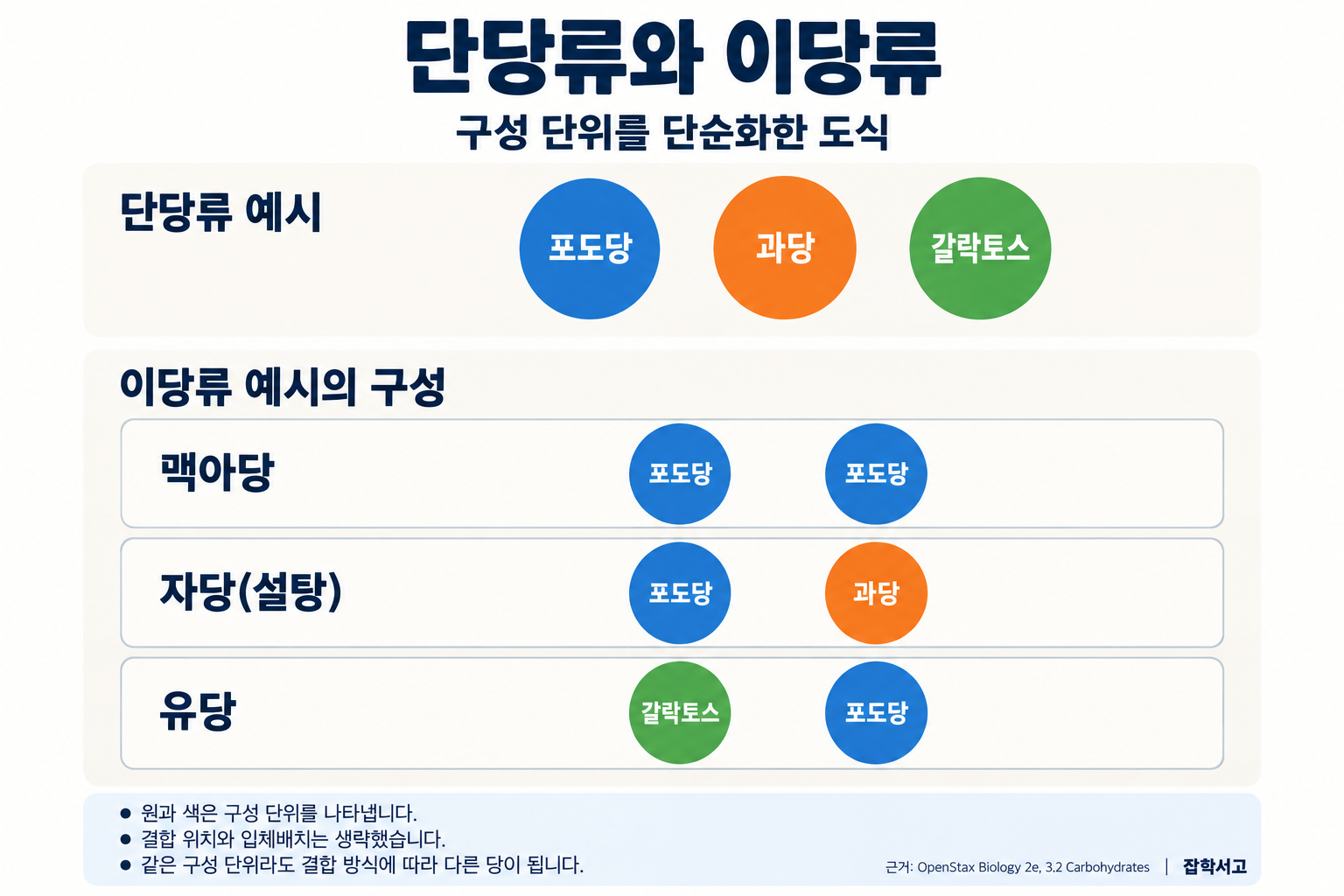 A simplified diagram of component units. The circles and colors represent constituent units, not chemical structural formulas or formation reactions. Different linkages can produce different sugars even from the same units.
Carbohydrates are generally classified into three main types, each of which acts on the body in different ways to provide energy and perform other important functions.
Monosaccharides (Monosaccharides)
Monosaccharides are the most basic form of carbohydrates, consisting of a single sugar molecule, and include glucose (grape sugar), fructose (fruit sugar), and galactose. Monosaccharides are digested quickly and provide the body with immediate energy. The brain and muscles use this energy to perform essential functions.
Disaccharides (Disaccharides)
Disaccharides are carbohydrates formed by the combination of two monosaccharide molecules and include sucrose (table sugar), lactose (milk sugar), and maltose (malt sugar). Disaccharides are also digested quickly and, like monosaccharides, provide energy to the body.
Polysaccharides (Polysaccharides)
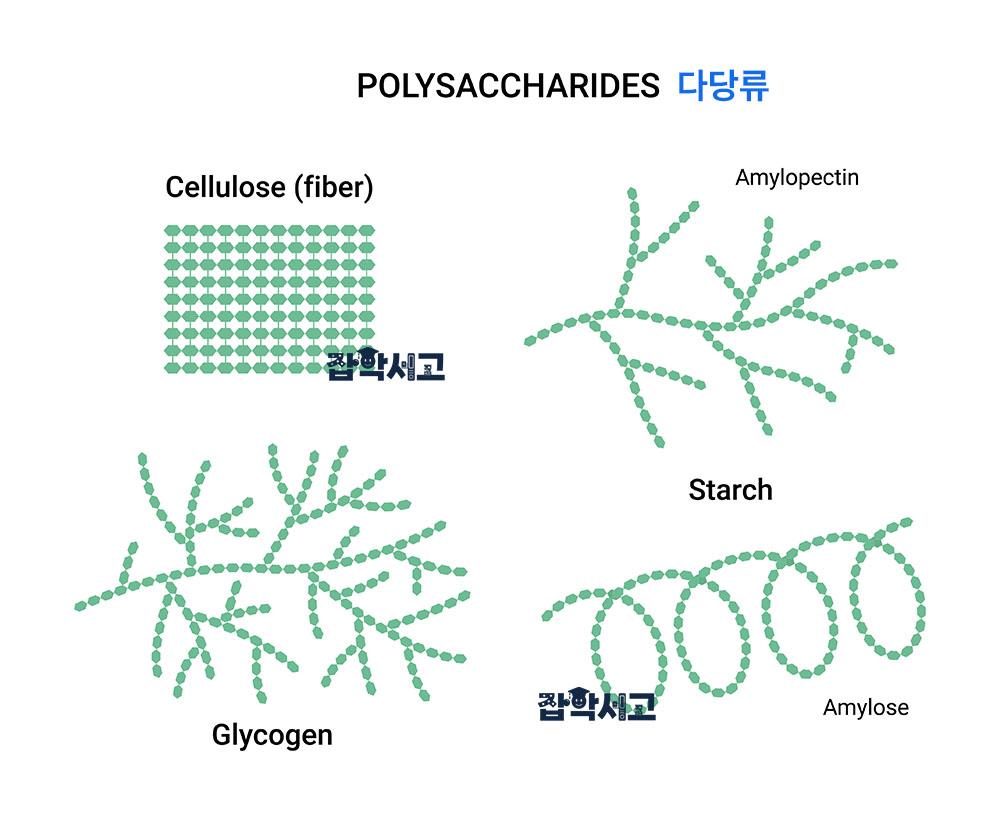 The Concept and Classification of Polysaccharides
Polysaccharides are carbohydrates with long chain structures formed by the combination of three or more monosaccharide molecules. Examples include starch (the main form of energy storage in plants) and fiber (an indigestible carbohydrate).
Starch is digested slowly and provides long-lasting energy. This prevents rapid fluctuations in blood sugar levels and keeps energy levels steady.
Fiber is not digested and does not provide energy to the body. Instead, fiber keeps the digestive system healthy, promotes bowel movements, and provides a feeling of fullness.
In this way, each type of carbohydrate is essential for supplying energy to our bodies and supporting other important bodily functions. Various carbohydrates can also be consumed through a variety of foods in our daily diet and play an important role in maintaining a healthy and balanced diet.
What Are Some Typical Carbohydrate Foods?
 Carbohydrate Foods for a Healthy Diet
Carbohydrates are nutrients that play a very important role in our daily diet and can be found in a variety of foods. These foods serve important functions such as providing energy, maintaining digestive system health, and providing a feeling of fullness.
Grains and Grain Products
Bread, cereal, cooked rice, pasta, and oatmeal are grain products rich in carbohydrates that mainly contain starch, making them important for providing energy, and they also contain varying amounts of fiber that aid digestion.
Potatoes and Other Root Vegetables
Potatoes, sweet potatoes, and carrots are rich in starch and fiber and provide energy. They help promote digestion and provide a variety of essential nutrients and minerals.
Fruits
Apples, bananas, oranges, grapes, and berries are rich in monosaccharides and provide energy quickly, and they also contain fiber that provides a feeling of fullness and aids digestion.
Vegetables
Vegetables such as broccoli, kale, and carrots are generally low in carbohydrates and high in fiber. They help support good digestion and maintain a healthy weight, and provide a variety of essential nutrients and minerals.
Beans and Peanuts
Black beans, peanuts, lentils, and Cheongki beans are good sources of carbohydrates. They are also rich in protein and fiber, providing energy, promoting fullness, and supplying a variety of essential nutrients and minerals.
Dairy Products
Milk and yogurt contain lactose (milk sugar), which provides energy, and help maintain health by supplying a variety of essential nutrients and minerals, as well as protein.
These various carbohydrate foods are important for building a healthy and balanced diet, and consuming the right amounts and types of carbohydrates can help maintain healthy energy levels and support a range of bodily functions.
Advantages and Disadvantages of Carbohydrates
 Commonly Recognized Examples of Unhealthy Carbohydrates
Carbohydrates are an important part of our diet and can provide several health benefits when consumed in appropriate amounts and types. However, excessive intake or consuming the wrong types of carbohydrates can negatively affect health.
Advantages
Energy Supply: Carbohydrates are our body's main energy source and provide the energy needed particularly by the brain and muscles.
Improving Digestion and Promoting Bowel Movements: Fiber-rich carbohydrates aid digestion and promote bowel movements, preventing constipation.
Providing a Feeling of Fullness: Carbohydrates provide a feeling of fullness, and complex carbohydrates in particular provide energy for longer, which can help prevent snacking.
Blood Sugar Management: Complex carbohydrates are digested slowly, stabilizing blood sugar levels and regulating the insulin response.
Disadvantages
Weight Gain: Excessive carbohydrate intake, especially simple carbohydrate intake, can lead to weight gain.
Rapid Changes in Blood Sugar Levels: Simple carbohydrates are digested quickly and can cause a rapid rise in blood sugar levels, which may increase the risk of diabetes.
Poor Nutrition: Some processed foods containing simple carbohydrates have poor nutritional value and may lack essential nutrients and minerals.
Rapid Energy Depletion: Simple carbohydrates can lead to rapid energy depletion after providing energy quickly, which can make you feel tired.
When consuming carbohydrates, it is important to make healthy choices by carefully considering the amounts and types. It is advisable to consult a health professional to develop a carbohydrate intake plan suited to your personal health status and goals.
Dieting and Carbohydrates
 Which Carbohydrates Help with Weight Loss?
The relationship between dieting and carbohydrates is complex but important. Carbohydrates are a major source of energy and play an important role in healthy weight management and maintaining bodily functions. However, the types and amounts of carbohydrates can determine whether a diet succeeds or fails.
Relationship and Effects
Energy Supply
Carbohydrates provide energy to the body, and this energy is needed for exercise and everyday activities. If you do not consume enough carbohydrates, you may feel a lack of energy.
Weight Management
Excessive carbohydrate intake can lead to weight gain. Simple carbohydrates in particular are digested quickly and cause a rapid rise in blood sugar levels, which can trigger an insulin response associated with weight gain.
Fullness and Appetite Control
Complex carbohydrates are digested more slowly, provide energy for longer, and make you feel full. This helps prevent overeating and control appetite.
Maintaining Bodily Functions
Carbohydrate intake is necessary to support brain function, muscle function, and other important bodily functions.
Tips for Weight Loss
Choose Complex Carbohydrates
Choose complex carbohydrates such as brown rice, barley, grain bread, vegetables, nuts, and beans. These foods are digested slowly, provide energy for longer, and make you feel full.
Limit Simple Carbohydrates
Limit simple carbohydrates, especially processed sugar, bread, cakes, and similar foods. These foods are digested quickly and can cause rapid increases in blood sugar levels and lead to weight gain.
Consume Appropriate Portions of Carbohydrates
Be careful not to consume too many carbohydrates, and also avoid consuming so few that you lack energy.
Maintain Nutritional Balance
Eat balanced amounts of protein and healthy fats as well to obtain a variety of nutrients.
When planning a diet, it is important to carefully adjust your carbohydrate intake based on your personal goals and health status. If needed, consulting a dietitian or doctor to develop a healthy weight-loss plan is also a good approach.
Carbohydrates play an essential role as our basic energy source. However, the types and amounts of carbohydrates we consume, as well as when we consume them, can have a significant impact on our health and weight.
When planning a diet, it is very important to regulate carbohydrate intake and choose the right carbohydrates.
This article can give you a general understanding of how carbohydrates affect our health and dieting. This understanding will be an important first step in developing and putting a healthy weight-loss plan into practice.