In modern society, health has become our most important asset, and various ways to maintain and improve personal health are therefore attracting attention.
In particular, superfoods packed with nutrients available from nature have emerged as important partners in this pursuit of health.
Superfoods are loved by many for their exceptional nutritional value and health benefits, and a major advantage is that anyone can easily obtain them and use them in a variety of dishes.
This article explores the basic concept of superfoods, their characteristics, and representative superfoods. Let us pursue a healthy lifestyle through superfoods, gifts from nature.
The Concept of Superfoods
 What Are Superfoods?
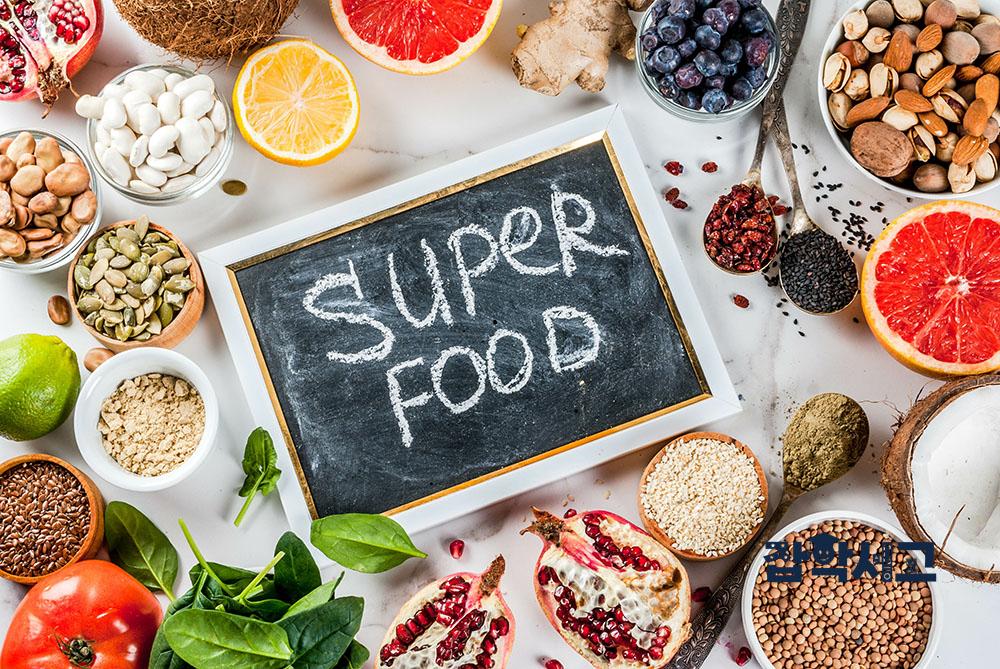
Superfoods are foods that contain higher levels of nutrients and health-promoting substances than ordinary foods. These superfoods are rich in vitamins, minerals, antioxidants, dietary fiber, and other nutrients, and can provide many benefits for our bodies.
For example, blueberries are known for their high antioxidant content, which protects cells from free radicals and helps prevent aging. Quinoa is known as a complete protein that provides all essential amino acids, making it a good example of a superfood.
Superfoods are generally consumed in their natural state or supplied with minimal processing, which preserves their nutrients. Superfoods can also improve health and provide various health benefits, including disease prevention, increased energy, and a stronger immune system.
As these facts have become known, many people have sought healthier, more energetic lives through these foods. However, superfoods alone cannot maintain health, and they must be eaten as part of a balanced diet to obtain the greatest health benefits.
Characteristics of Superfoods
 Outstanding Nutrition and Natural Foods
As their name suggests, superfoods refer to foods that offer superior nutritional value and health benefits compared with ordinary foods. They have several key characteristics.
High Nutrient Density: Superfoods often have high nutrient density, providing many nutrients even in small amounts. These nutrients may include essential vitamins, minerals, antioxidants, and dietary fiber.
Rich in Antioxidants: Many superfoods are rich in antioxidants, which can protect cells and reduce aging and the risk of various diseases.
Natural: Most superfoods are supplied in their natural state and contain few or no chemical additives or artificial ingredients.
Various Health Benefits: Superfoods can increase energy, strengthen the immune system, reduce the risk of chronic diseases, and provide various other health benefits.
Versatility: Superfoods can be consumed in various ways, in salads, smoothies, or juices, or simply eaten as they are, making them easy to include in a variety of meals and snacks.
Positive Perception: Superfoods are viewed positively by people interested in health and wellness, and are popular among those who want to maintain a healthy, balanced lifestyle.
- Wellness = a blend of well-being (well-being), happiness (happiness), and health (fitness)
Because of these distinctive characteristics, many people recognize superfoods as part of healthy eating habits, and they can help improve health and vitality.
Representative Superfoods
 Which Foods Are Called Superfoods?
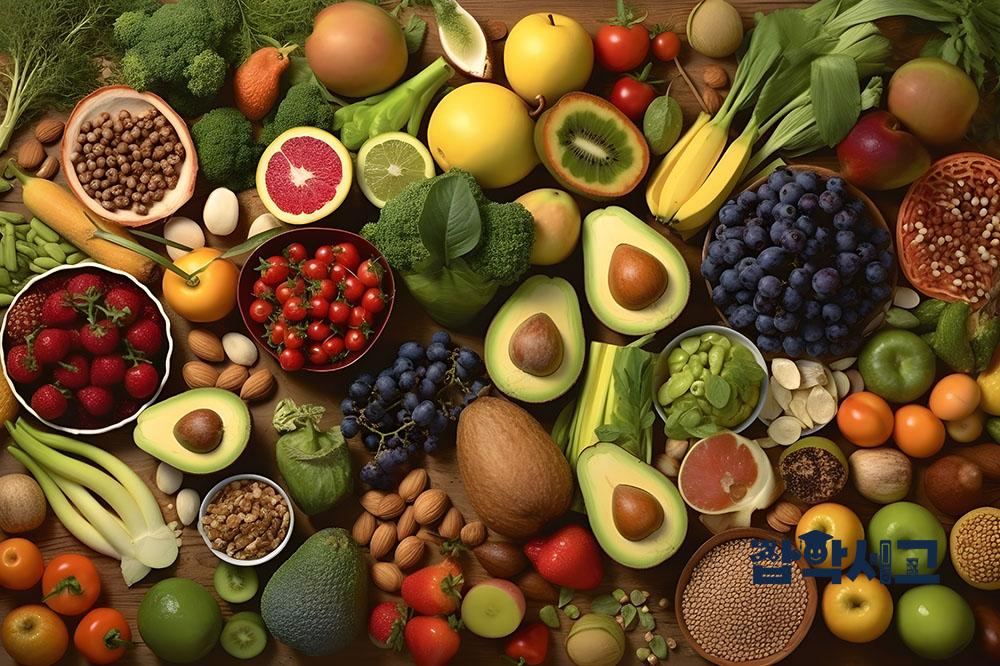
Superfoods are foods that are rich in nutrients and beneficial to health. There are many kinds of superfoods, but here we will introduce the world's top 10 superfoods selected by Time magazine, along with 10 additional selections, for a total of 20.
First, the world's top 10 superfoods previously selected by Time magazine are as follows.
Oats
Oats contain a balanced range of 6 types of amino acids, which play important roles in muscle formation and metabolism. They are also rich in unsaturated fatty acids and linolenic acid, helping reduce cardiovascular disease and lower cholesterol levels. Beta-glucan, a soluble dietary fiber found in oats, is also good for blood sugar control and intestinal health.
Blueberries
Blueberries contain high amounts of anthocyanins, water-soluble purple pigments. Anthocyanins have antioxidant effects that eliminate reactive oxygen species and prevent disease and aging. They also help improve vision by promoting the resynthesis of rhodopsin in the retina. Blueberries are also rich in vitamin C, vitamin E, potassium, and other nutrients, making them effective for strengthening immunity, burning fat, and regulating blood pressure.
Green Tea
Green tea contains high amounts of catechins, a type of tannin. Catechins have antioxidant effects 50 times those of vitamin E and 100 times those of vitamin C, helping prevent cancer and lower cholesterol. They also enhance immunity by lowering blood pressure, strengthening the heart, and inhibiting the activity of cold viruses. Theanine, an amino acid found in green tea, relaxes the body and mind, lowers blood pressure, and improves learning ability and concentration.
Garlic
Allicin, the compound responsible for garlic's aroma, increases the absorption of vitamin B1, helping relieve fatigue and improve stamina. It also has powerful bactericidal and antibacterial effects, killing bacteria that cause food poisoning and stomach ulcers. Its antioxidant function also eliminates reactive oxygen species, boosting immunity and preventing atherosclerosis and heart disease.
Tomatoes
Tomatoes are rich in bioactive substances, vitamin C, vitamin K, and other nutrients, and contain high amounts of lycopene, which gives them their red color. Lycopene prevents bad cholesterol, which causes atherosclerosis, from depositing in the blood and softens blood vessels, improving blood flow and preventing cardiovascular disease.
Broccoli
Broccoli is rich in vitamin C, so eating 100 g a day can provide most of the vitamin C needed each day. Vitamin C helps with dark spots and freckles, making broccoli a good food for people who want beautiful skin. It has also been reported that eating an appropriate amount of broccoli every day reduces the risk of developing stomach cancer, lung cancer, colorectal cancer, breast cancer, uterine cancer, and other cancers.
Almonds
Almonds are a major source of the antioxidants vitamin E and selenium. Vitamin E helps prevent Alzheimer's disease and is attracting attention as a nutrient for brain health because it is a powerful antioxidant that removes waste from brain cells and activates them. Selenium has an antioxidant function that breaks down hydrogen peroxide produced in the body and limits cell damage. The abundant fiber in almonds promotes smooth bowel movements and inhibits fat absorption, making them a good food for weight management.
Red Wine
Catechins, which give red wine its astringent taste, are formed during wine storage and have antioxidant effects. Red wine contains approximately 10 times as much of the polyphenol substances that increase good cholesterol in the body as white wine. Polyphenols help prevent heart disease, brain diseases, and cancer, lower blood pressure, relieve tension, and reduce stress.
Spinach
Spinach is a representative dark green and yellow vegetable rich in beta-carotene, and its abundance of vitamins B and C, iron, calcium, and other nutrients makes it a recommended food for people with weak constitutions, pregnant women, and children. Beta-carotene has antioxidant effects that prevent atherosclerosis and lung cancer, and its absorption in the body improves when consumed with oil. The abundant vitamin C in the leaves helps prevent colds and relieve fatigue. The red parts of the roots are rich in copper and manganese, which support blood formation, making them good for preventing anemia.
Yogurt
Yogurt is a food made by fermenting milk with lactic acid bacteria, improving digestive function and helping beneficial intestinal bacteria multiply. Yogurt is rich in calcium and protein, making it good for bone and muscle health. The vitamins B2 and B12 in yogurt also promote energy metabolism and help maintain healthy skin, hair, and nails.
Salmon
Salmon is a fish rich in omega-3 fatty acids, which promote smooth blood circulation and help lower blood pressure and cholesterol levels. Omega-3 fatty acids are essential for the development and function of brain cells and are also good for brain health, memory, and learning ability. Salmon is also rich in protein, vitamin D, selenium, and other nutrients, supporting muscle and bone health and strengthening immunity.
The following are 10 additional superfoods worth knowing about.
Avocados
Avocados have the highest fat content of any fruit, and most of their fat consists of monounsaturated fatty acids that are good for cardiovascular health. Avocados also contain high amounts of vitamins E and K, folate, potassium, and other nutrients. Vitamin E has antioxidant effects that protect the skin and delay aging, while vitamin K and folate help blood clotting and improve brain function. Potassium regulates blood pressure and prevents swelling.
Chia Seeds
Chia seeds are plant seeds that were used as food in the ancient Aztec civilization, later fell into obscurity, and have recently attracted renewed attention. Chia seeds are rich in omega-3 fatty acids, dietary fiber, protein, calcium, magnesium, iron, and other nutrients, and become viscous when soaked in water. Chia seeds help regulate blood sugar and improve digestion, while their viscous substances promote smooth bowel movements and create a feeling of fullness. Chia seeds also resist oxidation, allowing them to be stored for a long time.
Quinoa
Quinoa is a grain grown in the Andes Mountains of South America, and its popularity rose sharply after the United Nations Food and Agriculture Organization (FAO) declared 2013 the International Year of Quinoa. Quinoa is valued as a high-quality protein food because of its outstanding protein content and quality and its perfect balance of amino acids. Quinoa is also rich in dietary fiber, iron, calcium, magnesium, vitamin B, and other nutrients, and its lack of gluten makes it good for people with gluten allergies.
Honey
Honey is a gift of nature made from nectar that bees collect from flowers and allow to mature in the hive. In addition to sugar and water, honey contains vitamins B and C, minerals, amino acids, and other nutrients. Honey has powerful antibacterial effects that treat wounds and inflammation and strengthen immunity. Honey also aids digestion, prevents constipation, improves sleep quality, and reduces stress. Honey can be used instead of sugar, making it helpful for weight management as well.
Nuts
Nuts come in many varieties, including walnuts, almonds, pistachios, and cashews, and are rich in fat and protein. Most of the fat in nuts consists of unsaturated fatty acids that are good for cardiovascular health, while their protein is needed for muscle formation and energy supply. Nuts also contain high amounts of antioxidants such as vitamin E and selenium, dietary fiber, and minerals such as calcium and magnesium. Nuts help regulate blood sugar and lower cholesterol, and their ability to create a feeling of fullness also makes them good for weight management.
Dark Chocolate
Dark chocolate is chocolate with a cocoa content of at least 70%, and contains less sugar and milk than milk chocolate. Dark chocolate is rich in powerful antioxidants called cocoa polyphenols. Cocoa polyphenols dilate blood vessels, improve blood circulation, and help lower blood pressure and cholesterol levels. Cocoa polyphenols also stimulate brain function, improve mood, and reduce stress. Dark chocolate also contains minerals such as iron and magnesium.
Kiwi
Kiwi is a fruit exceptionally rich in vitamin C, containing 98 mg of vitamin C per 100 g. Vitamin C strengthens immunity, has antioxidant effects, and is also good for skin and bone health. Kiwi contains high amounts of dietary fiber and enzymes, helping digestion and preventing constipation. Kiwi also contains folate, potassium, and other nutrients. Folate is needed for the development of a fetus's brain and nervous system, while potassium helps regulate blood pressure and maintain fluid balance.
Raspberries
Raspberries are small but highly nutritious fruits that contain high amounts of vitamin C and anthocyanins. Vitamin C strengthens immunity, has antioxidant effects, and is also good for skin and bone health. Anthocyanins have antioxidant effects that eliminate reactive oxygen species and prevent disease and aging. Raspberries also contain dietary fiber, folate, calcium, and other nutrients. Dietary fiber aids digestion and prevents constipation, folate is needed for the development of a fetus's brain and nervous system, and calcium is good for bone and tooth health.
Grapefruit
Grapefruit is a fruit rich in vitamin C, strengthening immunity and helping prevent colds. Grapefruit contains a compound called naringin, which softens blood vessels, improves blood circulation, and helps lower blood pressure and cholesterol levels. Grapefruit also contains dietary fiber, potassium, and other nutrients. Dietary fiber aids digestion and prevents constipation, while potassium helps regulate blood pressure and maintain fluid balance. Grapefruit is also good for weight management, creating a feeling of fullness and promoting fat burning.
Coconut Oil
Coconut oil is a plant oil extracted from coconut flesh and contains high amounts of medium- and long-chain fatty acids. Medium- and long-chain fatty acids are easily digested in the intestines and converted into energy, helping with weight loss and increased metabolism. Coconut oil contains a compound called lauric acid, which has antibacterial, antiviral, and anti-inflammatory effects that strengthen immunity and prevent infections. Coconut oil is also used as a nourishing treatment for skin and hair.
Through this article, we have explored the basic concept and characteristics of superfoods and representative examples.
Superfoods are treasure chests of remarkable nutrients available from nature, and they can greatly improve our health through appropriate choices and a harmonious diet.
By consuming superfoods, we can maintain a healthy body and mind and go on to pursue a sustainable, healthy lifestyle.
Now, let us believe in the power of superfoods and make every day healthier and more energetic.