In modern society, maintaining health is becoming an increasingly important challenge. Many people try to protect their health through dietary supplements, but the effects of glutathione, one of the scientifically validated antioxidants, are relatively less well known.
This article aims to explore in depth the definition and chemical properties of glutathione, its role as an antioxidant, foods rich in glutathione, and supplementation methods and their safety.
The Definition and Chemical Properties of Glutathione
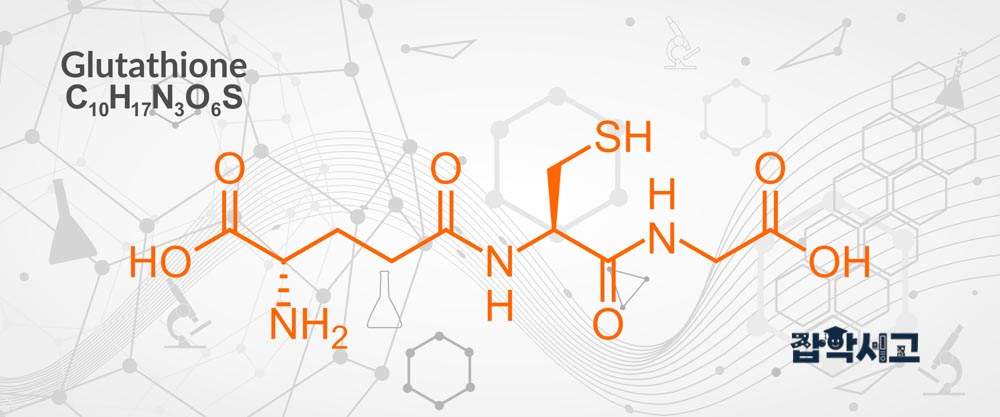
Glutathione is a tripeptide naturally produced within cells, a small molecule composed of three amino acids: glutamic acid, cysteine, and glycine. As a powerful antioxidant, this molecule plays an important role in protecting cells from oxidative stress. Its chemical formula is C10H17N3O6S, and it is produced in the body through various biochemical processes.
The Forms and Functions of Glutathione
Glutathione exists in two forms: reduced glutathione (GSH) and oxidized glutathione (GSSG). To optimize its cell-protective function, the body must generally maintain a high proportion of reduced glutathione, which is regulated by an enzyme called glutathione reductase. This enzyme converts oxidized glutathione back into its reduced form, playing an important role in maintaining the balance of glutathione in the body.
The Importance of Glutathione Concentrations
Because glutathione plays a very important role in the body, its concentration is strictly regulated. Glutathione deficiency can cause various health problems along with increased oxidative stress, and such deficiency may be associated with chronic diseases or aging. Maintaining appropriate glutathione levels in the body is therefore essential for overall health.
The Relationship Between the Liver and Glutathione
Glutathione is produced primarily in the liver, and its production is closely related to the liver's detoxification capacity. Because the liver plays an important role in processing and removing toxins generated in the body, adequate glutathione production and function are essential for maintaining liver health. Glutathione protects liver cells and supports the liver's detoxification function, playing an important role in preventing and managing liver disease.
The Immune System and Glutathione
Glutathione also plays an important role in the immune system. Immune cells use glutathione to remove reactive oxygen species, which allows them to effectively suppress infections or inflammatory responses. For these reasons, glutathione is considered an essential component in strengthening immunity and protecting the body from infections. In particular, glutathione also helps maintain appropriate immune responses when the immune system becomes overactive.
The Role of Glutathione in Cell Growth and Repair
Glutathione also plays an important role in cell growth and repair. During the processes of repairing damaged cells and producing new cells, glutathione helps supply the necessary materials and energy. In these processes, glutathione supports various physiological processes, including DNA damage repair, protein synthesis, and cell signaling, helping cells maintain their normal functions. For these reasons, glutathione is a very important component in preventing aging and maintaining overall health.
The Role of Glutathione as an Antioxidant
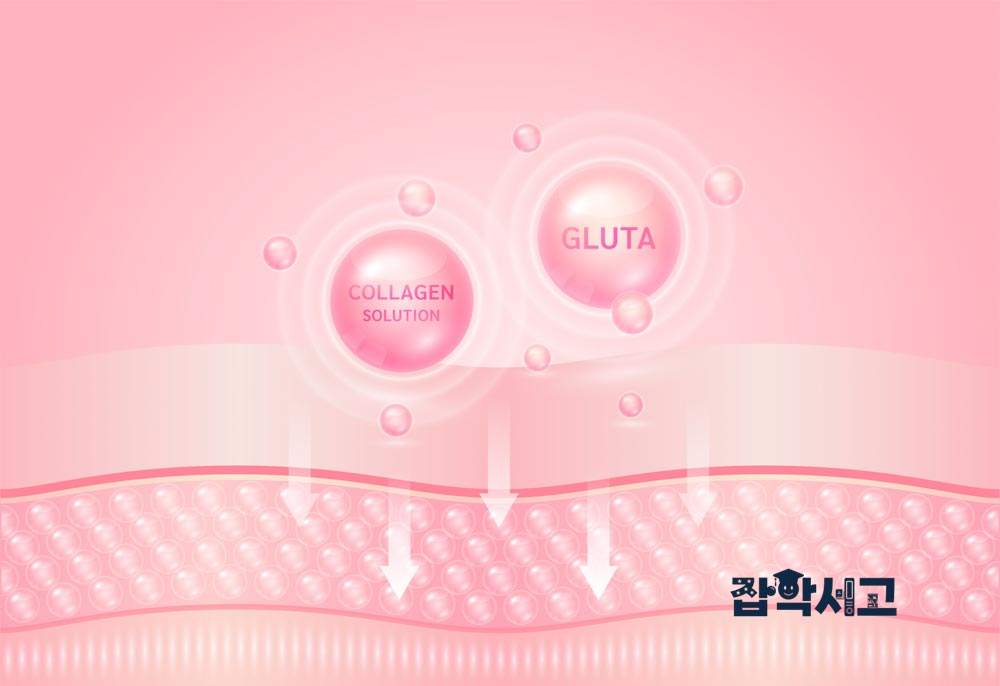
Glutathione's Antioxidant Role
Antioxidants are important substances that protect cells by removing free radicals generated in the body. Glutathione is known as the most powerful of these antioxidants and helps reduce oxidative stress in the body in various ways. Free radicals occur naturally in the body, but excessive production promotes cell damage and aging. Glutathione neutralizes these free radicals to prevent damage to cells and tissues.
The Role of Glutathione in the Liver
Glutathione plays a particularly important role in the liver. The liver is the main organ responsible for detoxification in the body and is essential for neutralizing and removing toxins. In the liver, glutathione binds to toxins and converts them into water-soluble forms, helping them be excreted from the body. During this process, glutathione plays an important role in protecting liver cells from oxidative damage and maintaining the efficiency of liver function.
Cooperation with Enzyme Systems
Glutathione works with various enzyme systems within cells to reduce oxidative stress. For example, an enzyme called glutathione peroxidase uses glutathione to neutralize harmful compounds such as peroxides. This can lower oxidative stress levels within cells and prevent cell damage. Cooperation with these enzyme systems is one of the key factors that allow glutathione to function effectively in the body.
Synergy with Other Antioxidants
Glutathione also plays an important role in reactivating other antioxidants, such as vitamins C and E. Vitamins C and E lose their antioxidant capacity when oxidized, and glutathione reduces them to reactivate them. This maximizes the synergistic effects among antioxidants, allowing oxidative stress in the body to be managed more effectively. These interactions help maximize the benefits of various antioxidants working together.
Preventing Chronic Diseases
Glutathione's antioxidant activity plays an important role in slowing cellular aging and preventing the development of chronic diseases. For example, diabetes, cardiovascular disease, cancer, and neurodegenerative diseases are all closely associated with oxidative stress. Glutathione provides important protection in the prevention and management of these diseases. Through these effects, glutathione has become established as an essential component in maintaining overall health and preventing disease.
Skin Health and Glutathione
Glutathione also has a positive effect on skin health. Through its powerful antioxidant activity, it protects skin cells from oxidative stress and can brighten skin tone by helping suppress melanin production. Because of these properties, glutathione is also used as an important ingredient in the beauty industry and is commonly found in skin-whitening and anti-aging products. These effects of glutathione also play an important role in maintaining skin health and providing cosmetic care.
Neuroprotection and Brain Health
Glutathione plays an important role in maintaining brain health by protecting nerve cells and reducing inflammation in the brain. This helps prevent and manage neurodegenerative diseases such as Alzheimer's disease and Parkinson's disease. Glutathione optimizes brain function and prevents nerve damage, promoting overall neurological health.
Improving Exercise Performance and Recovering from Fatigue
Glutathione reduces oxidative stress in muscle cells, improving exercise performance and helping recovery from fatigue. It promotes muscle recovery after exercise and minimizes muscle damage, allowing better exercise results. This is particularly beneficial for athletes and people who engage in fitness training, helping them exercise consistently by shortening recovery time after exercise.
Foods Rich in Glutathione
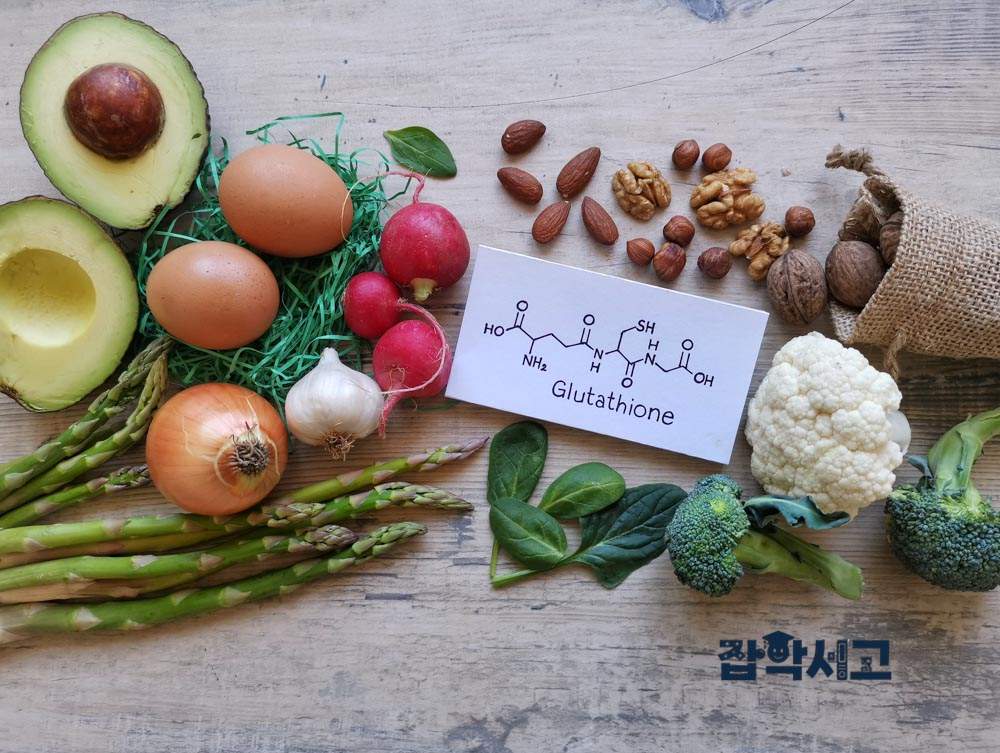
Although glutathione is naturally produced in the body, additional amounts can be obtained from certain foods. In particular, fresh fruits and vegetables and protein-rich foods contain high levels of glutathione, so eating them regularly can effectively increase glutathione levels in the body.
Fruits and Vegetables High in Glutathione
Avocados and asparagus are notable examples of foods rich in glutathione. Avocados contain large amounts of glutathione along with healthy fats, helping strengthen the body's antioxidant capacity. Asparagus promotes detoxification and supports liver health, and its particularly high glutathione content makes it beneficial for strengthening the body's detoxification capacity.
Cruciferous vegetables such as broccoli and kale also contain large amounts of glutathione. These vegetables are also rich in other antioxidants, such as vitamin C, so eating them together can maximize antioxidant effects. Spinach and cabbage also contain glutathione, and because spinach loses little glutathione during cooking, eating it raw or lightly blanched can maximize its effects.
Protein Foods Containing Glutathione
Meat and fish are also good dietary sources of glutathione. Chicken and fish, in particular, are rich in protein, making them beneficial for promoting glutathione synthesis in the body. Eggs are also an important food that provides cysteine, a precursor to glutathione, and eating them regularly helps maintain glutathione levels in the body.
Nuts and Other Foods That Support Glutathione Production
Nuts such as walnuts and almonds provide nutrients needed for glutathione production, and garlic, in particular, contains compounds that promote glutathione production. Eating these foods frequently is beneficial for increasing glutathione levels in the body.
The Importance of Foods Containing Glutathione
Eating a balanced selection of these glutathione-containing foods can naturally increase glutathione levels in the body. This plays an important role in reducing cell damage through antioxidant activity, maintaining overall health, and preventing chronic diseases. Including glutathione-rich foods in a healthy diet can have positive effects in various areas, including strengthening immunity, preventing aging, and improving liver health.
Glutathione Supplementation Methods and a Review of Their Safety
Glutathione Supplementation Methods
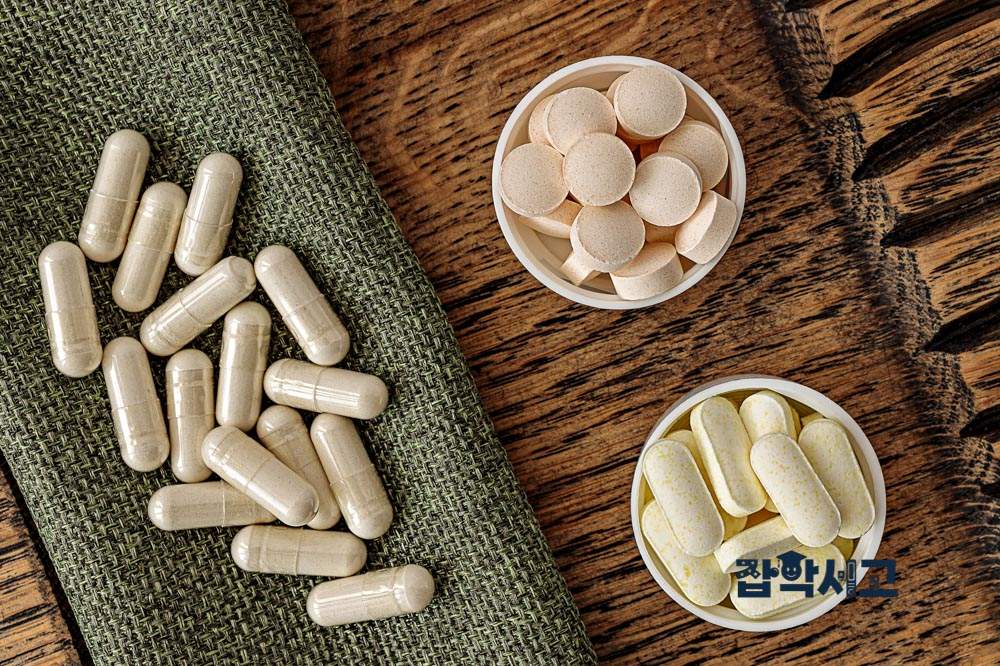
There are several ways to supplement glutathione. The most common method is to take glutathione supplements. Glutathione supplements are available as capsules, tablets, and liquids, and people can choose according to their needs and convenience. These supplements help directly increase glutathione levels.
Another effective method is taking N-acetylcysteine (NAC). NAC is converted into glutathione in the body, allowing glutathione levels to increase naturally. NAC itself is also a powerful antioxidant that provides health benefits of its own and helps maintain glutathione levels over the long term.
Glutathione Supplementation Through Diet
Diet is another way to supplement glutathione naturally. Vegetables such as broccoli, spinach, avocados, and asparagus are rich in glutathione, so eating them frequently can increase glutathione levels in the body. These foods also have excellent antioxidant effects and positively influence overall health.
Glutathione Injection Therapy
Glutathione injections can be considered as another method of glutathione supplementation. Injection therapy delivers glutathione directly into the bloodstream, allowing rapid effects. It is mainly recommended for people with serious illnesses or specific medical conditions and must be administered under the supervision of a healthcare professional. Although injections can rapidly increase glutathione levels, supplements or dietary approaches are more appropriate under ordinary circumstances.
The Safety of Glutathione Supplementation
Glutathione supplements are generally considered safe, and their safety has been confirmed in many studies. However, excessive intake can cause side effects, so it is important to follow the recommended dosage. In particular, people with chronic diseases or those taking medication should be sure to consult a doctor before taking glutathione supplements.
Lifestyle Habits for Making Effective Use of Glutathione
To gain the maximum benefits of glutathione, it is important to maintain a balanced diet and healthy lifestyle habits. Adequate sleep, regular exercise, and stress management help maintain glutathione levels naturally. Combining these everyday practices with appropriate glutathione supplementation can greatly help maintain and strengthen overall health.
Glutathione is a powerful antioxidant that plays a very important role in protecting the health of people in modern society. We have examined in detail its definition and chemical properties, its role as an antioxidant, foods rich in glutathione, and various supplementation methods and their safety.
To effectively enjoy the various benefits of glutathione, it is essential to maintain a balanced diet and healthy lifestyle habits. Through these everyday efforts, you can make the most of glutathione's powerful effects and continue to maintain a healthy life.