When dealing with international trade or shopping directly from overseas, you often encounter three-letter English abbreviations such as FOB, CIF, and DDP. These are Incoterms (International Commercial Terms), also known as standardized trade terms.
In transactions between countries with different languages, cultures, and legal systems, disputes frequently arise without clear standards for questions such as "Who pays the freight?" and "Who is responsible if the goods are damaged during transport?" Incoterms are international rules that standardize how 'risk' and 'cost' are shared in these trade transactions worldwide.
Based on the Incoterms rules, this guide explains the core concepts, compares representative terms, and outlines points to watch for in practical use, making them easy to understand.
The Core of Incoterms: Finding the Dividing Points for 'Risk' and 'Cost'

The two most important aspects of understanding Incoterms are 'when risk transfers' and 'when responsibility for costs begins.'
Transfer of Risk (Risk Transfer)
From what point must the buyer (purchaser) bear the loss if goods are lost, broken, or damaged during transport?
Allocation of Costs (Cost Division)
Who pays the various costs incurred until the goods arrive at their final destination, including freight, insurance premiums, export and import customs clearance fees, and customs duties?
Incoterms are divided into a total of 11 rules, ranging from those imposing the fewest obligations on the seller (vendor) to those imposing the most.
Key Incoterms at a Glance, with Simple Examples
You do not need to memorize all 11 terms. Let us look at 4 representative terms that account for at least 80% of practical use, with analogies from everyday life.
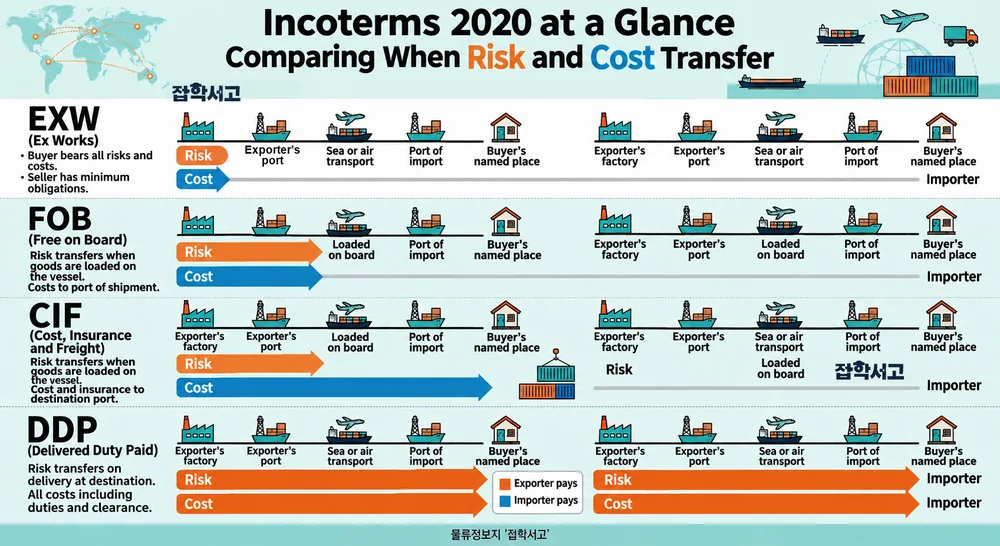
(1) EXW (Ex Works, Delivery at the Factory)
- Level of obligation: Lowest for the seller / highest for the buyer
- Simple example (an in-person transaction on Karrot Market): "Come to my home and pick it up."
- Concept: The seller's obligations end once the goods are made ready at its factory or warehouse. The buyer sends a transport vehicle to load the goods and assumes all risks and costs, including export and import customs clearance and sea or air transport.
(2) FOB (Free On Board, Delivery on Board)
- Level of obligation: The standard for traditional maritime trade
- Simple example (getting the goods safely onto the ship's deck): The seller is responsible until the moment the goods are safely placed on board the ship.
- Concept: The seller bears the costs and risks until the goods are loaded on board the designated ship at a port in the exporting country. All subsequent costs, including sea freight, destination port charges, and import duties, fall to the buyer.
(3) CIF (Cost, Insurance and Freight, Delivery Including Freight and Insurance)
- Level of obligation: The seller also pays freight and cargo insurance premiums
- Simple example (a service including shipping and insurance): "I'll arrange all the shipping to the destination port and take out cargo insurance just in case."
- Concept: In addition to the obligations under FOB, the seller pays the sea freight and marine cargo insurance premiums to the destination port.
- Point to watch: Although the seller pays the insurance premium, risk transfers at the same point as under FOB: 'the moment the goods are loaded on board the ship at the port of export.' In other words, even if the ship sinks in the middle of the ocean, the buyer is the party that suffers the loss, and the buyer files a claim under the insurance arranged by the seller.
(4) DDP (Delivered Duty Paid, Delivery with Duties Paid)
- Level of obligation: Highest for the seller / lowest for the buyer
- Simple example (shopping directly from overseas and doorstep delivery): "I'll take care of the taxes and everything else and bring it right to your door."
- Concept: The seller bears all costs and risks of transporting the goods to the location designated by the buyer, such as a factory or warehouse, and also pays all import customs clearance costs and import duties. The buyer only needs to receive the goods in the comfort of their own home.
Common Mistakes and Points to Watch When Using Incoterms in Practice
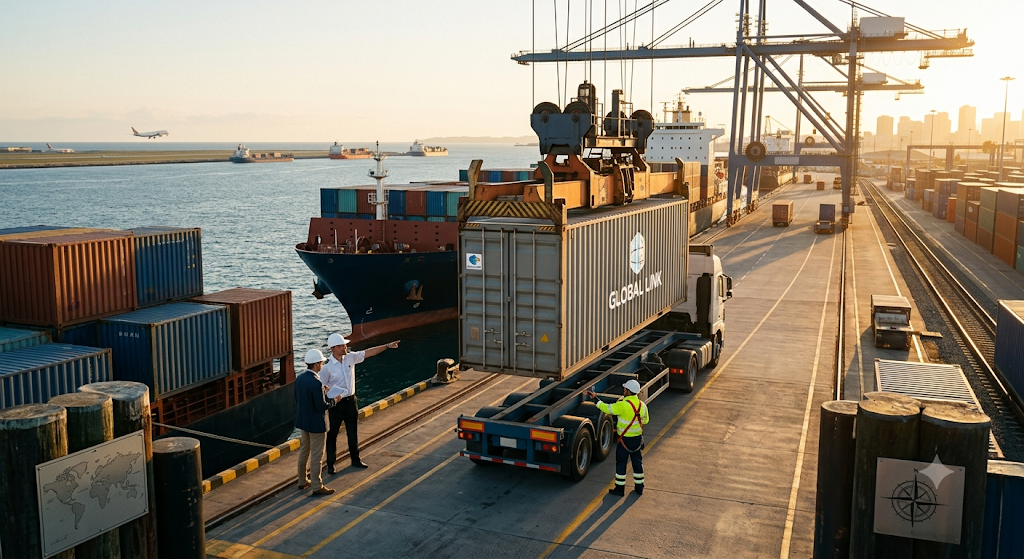
First, Understand the Separation of 'Risk' and 'Cost' under the C Terms (CIF, CFR, CPT, CIP)
The most common mistake made by beginners in trade operations is the misconception: "Since the terms are CIF, shouldn't the seller be responsible for ensuring that the goods arrive at the destination port without damage?" You must clearly understand that under the C terms, the seller pays costs up to the destination, but risk transfers to the buyer at the point of departure.
Second, Choose Standardized Trade Terms That Suit the Mode of Transport
FOB and CIF are designed to apply only to sea and inland waterway transport. For container shipping, air transport, or multimodal transport, which are now widely used, using FCA instead of FOB and CIP instead of CIF is much more helpful in clarifying responsibility for risk.
Choosing the Incoterms That Suit Your Needs
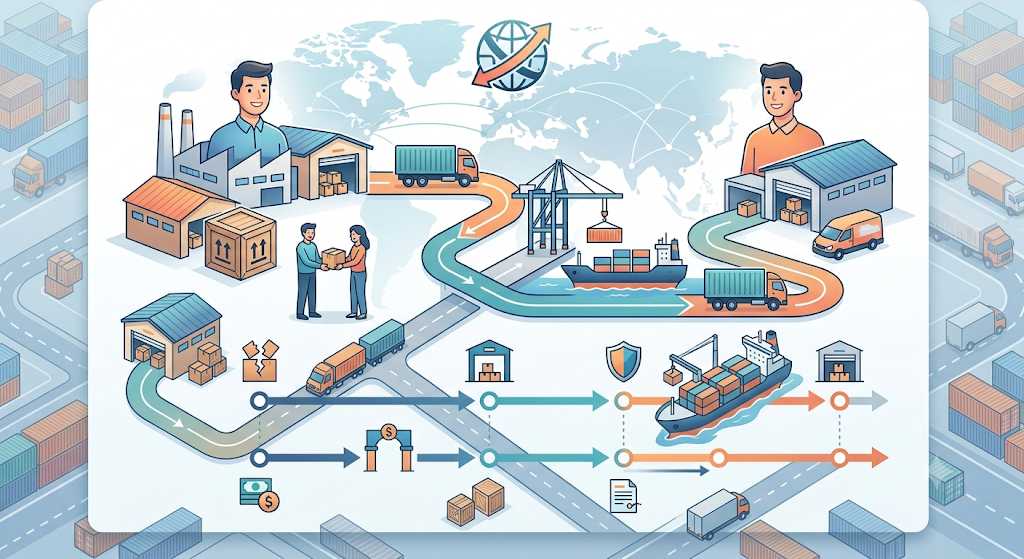
Choosing Incoterms for a trade transaction is more than a matter of convenience; it directly affects the reduction of logistics costs and the ability to secure control over logistics.
For exporters with limited experience in logistics and transport, EXW or FCA may be advantageous because they can minimize exposure to risk. Conversely, companies with well-developed logistics networks can enhance their competitiveness by arranging transport contracts themselves to reduce freight costs and then offering CIF or DDP terms.
When drafting a contract, always remember to specify an exact place or port name after the term (for example: FOB Busan Port, Incoterms 2020). Choosing the optimal Incoterms for the nature of the transaction is the first step toward a successful business.