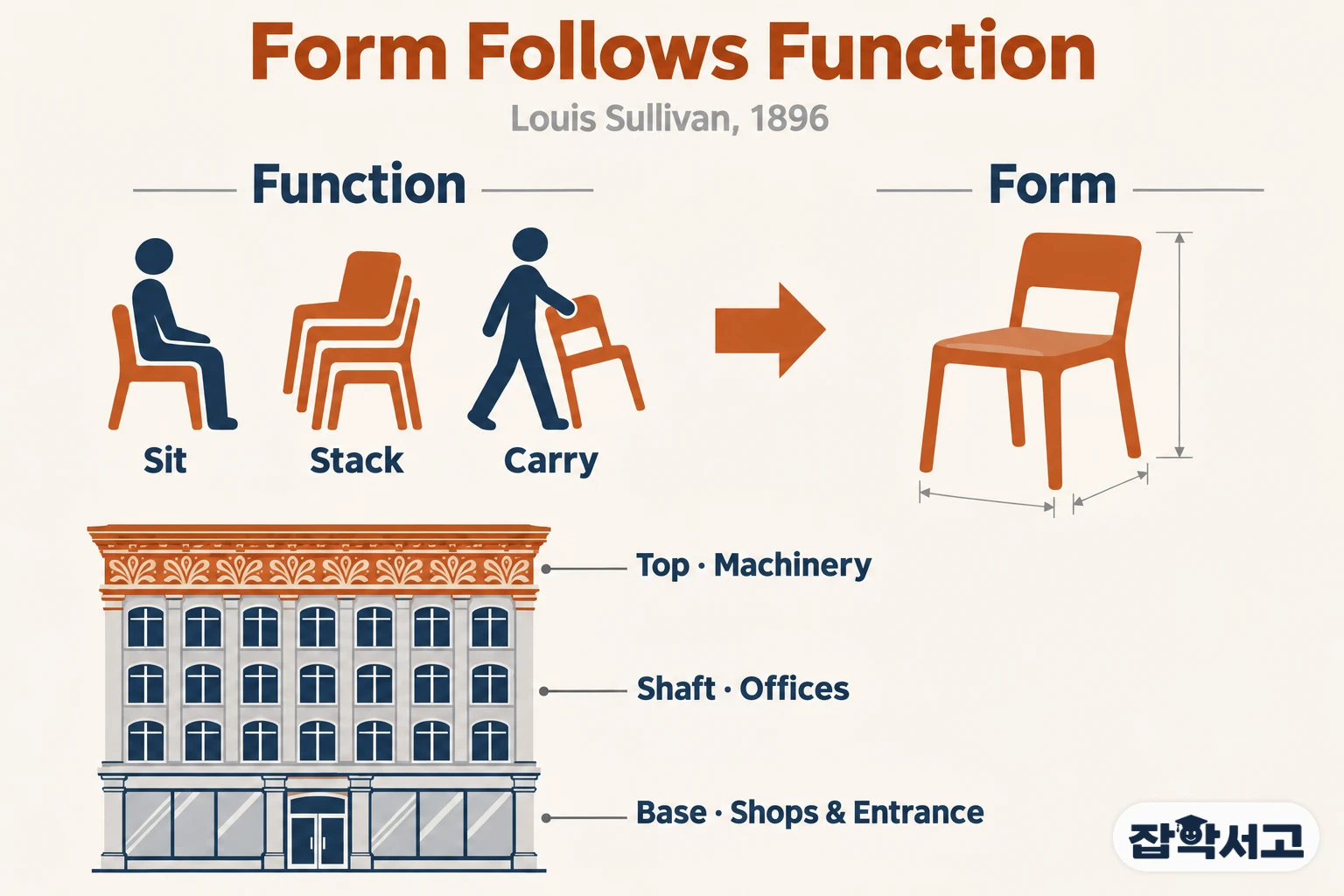
What do we look at first when choosing a new chair? Once we start asking whether it is comfortable to sit on, whether several can be stacked, and whether it is light enough to carry with one hand, we realize that the shape of a chair ultimately comes from its use: sitting. The phrase that sums up this idea in design and architecture is Form Follows Function.
Simply put, the principle of form follows function means ‘the shape of an object or building should start from the job it has to do.’ It comes from the American architect Louis Sullivan, who used the expression in his essay “The Tall Office Building Artistically Considered,” published in Lippincott’s Monthly Magazine in 1896. His original wording was ‘form ever follows function.’
In this article, we will look in turn at where the phrase was born, how the principle actually works, the influence it left on modern design, and the criticisms and limits surrounding it.
A design principle that asks about use before shape: form follows function
1. A phrase born from Chicago’s tall buildings
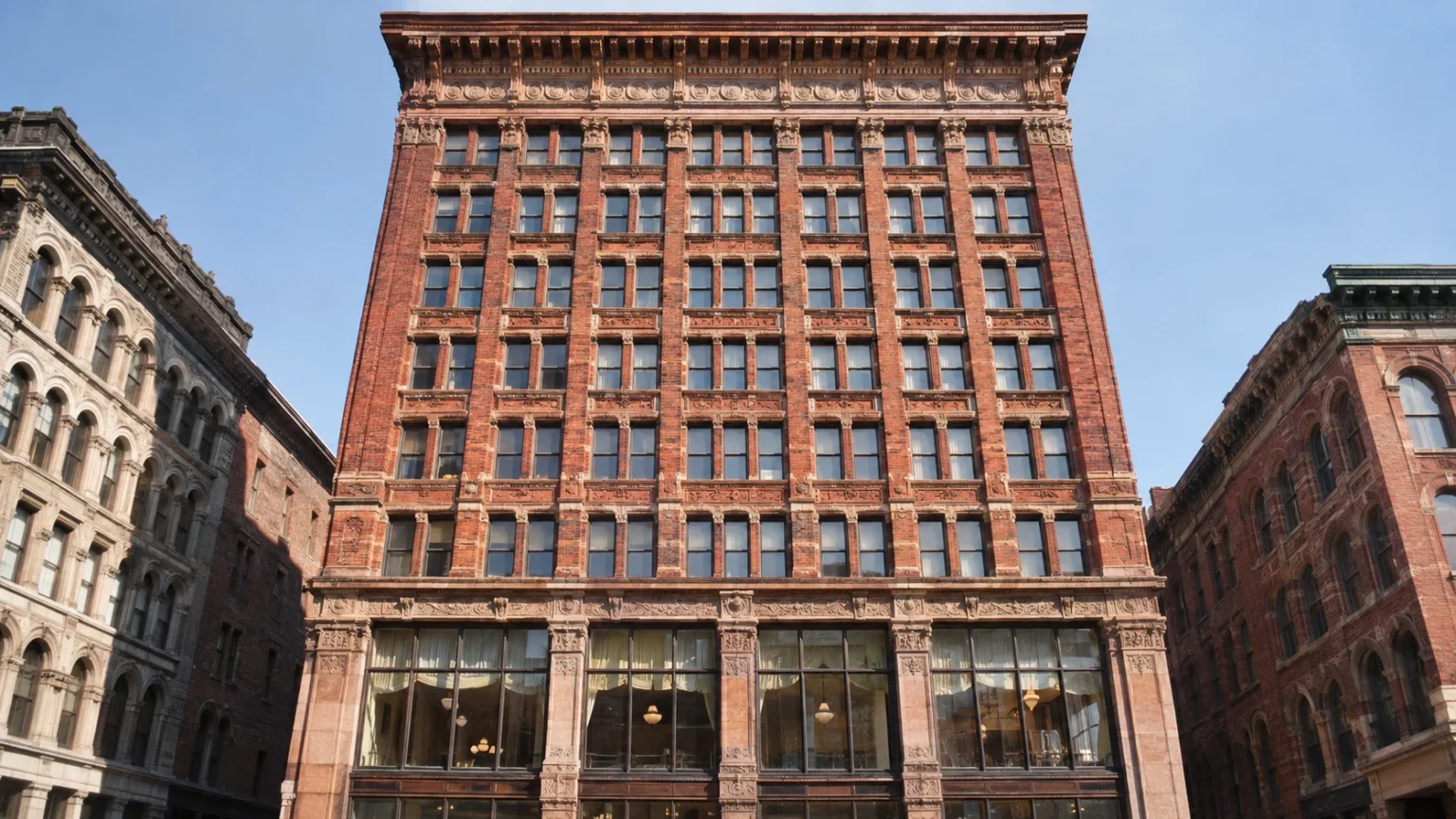
In late 19th-century America, steel frames and elevators made it possible to build office buildings far taller than before. Architects wondered what kind of outward appearance to give these unfamiliar buildings, and many simply borrowed ornament from the pattern books of old styles.
(1) Sullivan’s question
Before deciding on the exterior, Sullivan first asked what a tall building actually does. Since its uses were already set—shops and entrances on the lower floors, identical offices stacked floor after floor in the middle, and space for machinery at the very top—he believed the exterior should express those divisions as well.
(2) The Wainwright Building
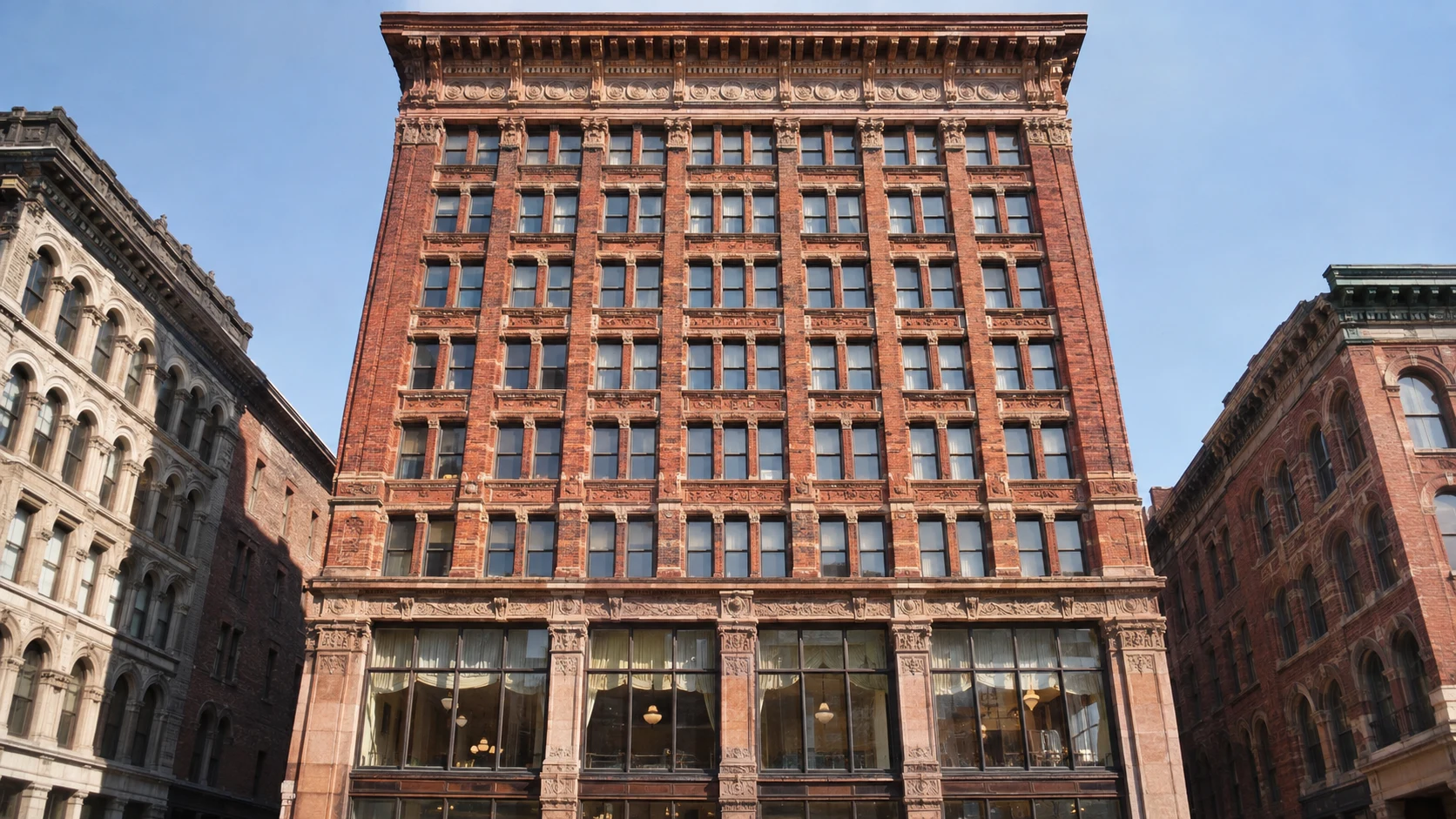
The 10-story Wainwright Building, which he built with his partner Dankmar Adler in St. Louis in 1890–1891, is a representative work that shows this idea. Its division into base, shaft, and top draws on the structure of the classical column, and the building was designated a U.S. National Historic Landmark in 1968.
(3) Similar ideas that came earlier
Sullivan was not the first to think this way. The ancient Roman architect Vitruvius said architecture should have firmness, commodity, and delight, and the 18th-century Italian monk Carlo Lodoli and the 19th-century American sculptor Horatio Greenough also argued that form should be drawn from function.
2. How does the principle work?
Sullivan found the basis for this principle in nature. He believed that the shapes of living things—an eagle in flight, an open apple blossom, a working horse pulling a load—each reveal what they do, and he wrote, “Where function does not change, form does not change.”
- Function: the job and use an object or building has to fulfill
- Form: the visible appearance, such as size, shape, material, and composition
- Ornament: patterns or decoration added regardless of use
- Precedent: shapes borrowed directly from old styles or pattern books
(1) Write down the use first
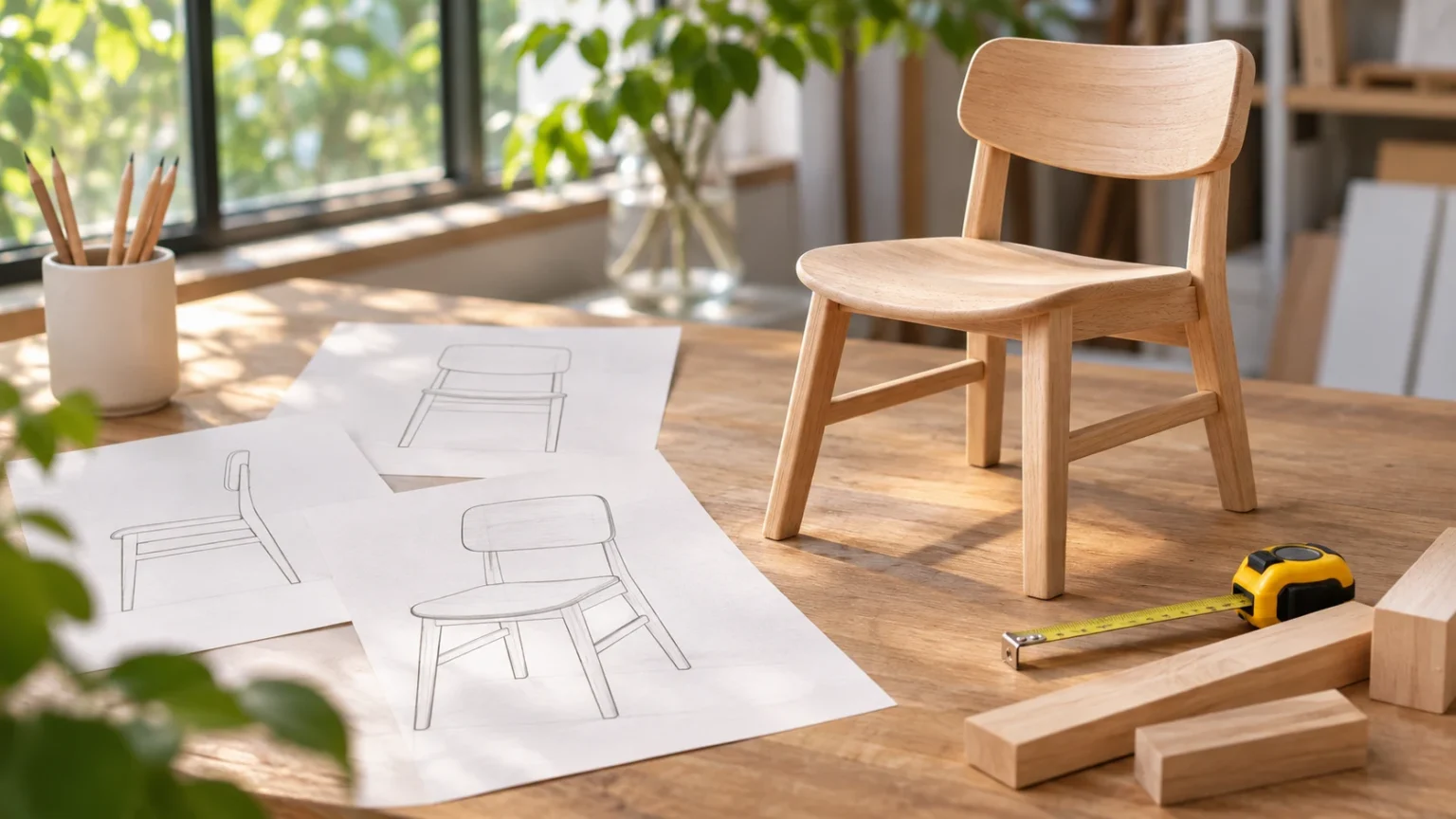
At the start of a design, you first sort out who will use it, where, and for what. For a chair, conditions such as sitting posture, the need to stack several, and a weight that is easy to carry become the starting point of its shape.
(2) Derive the shape from the need
Once the conditions are set, you choose the structure, size, and materials that satisfy them. Like the Fiat Multipla, whose body shape came from the goal of seating six people in two rows, the exterior becomes the result of meeting a need.
(3) The shape tells you its use
A well-made form shows you how to use it without a manual. Just as you can tell from the shape of a handle whether to pull or push, people get less confused when function is visible on the outside.
3. The influence on modern design
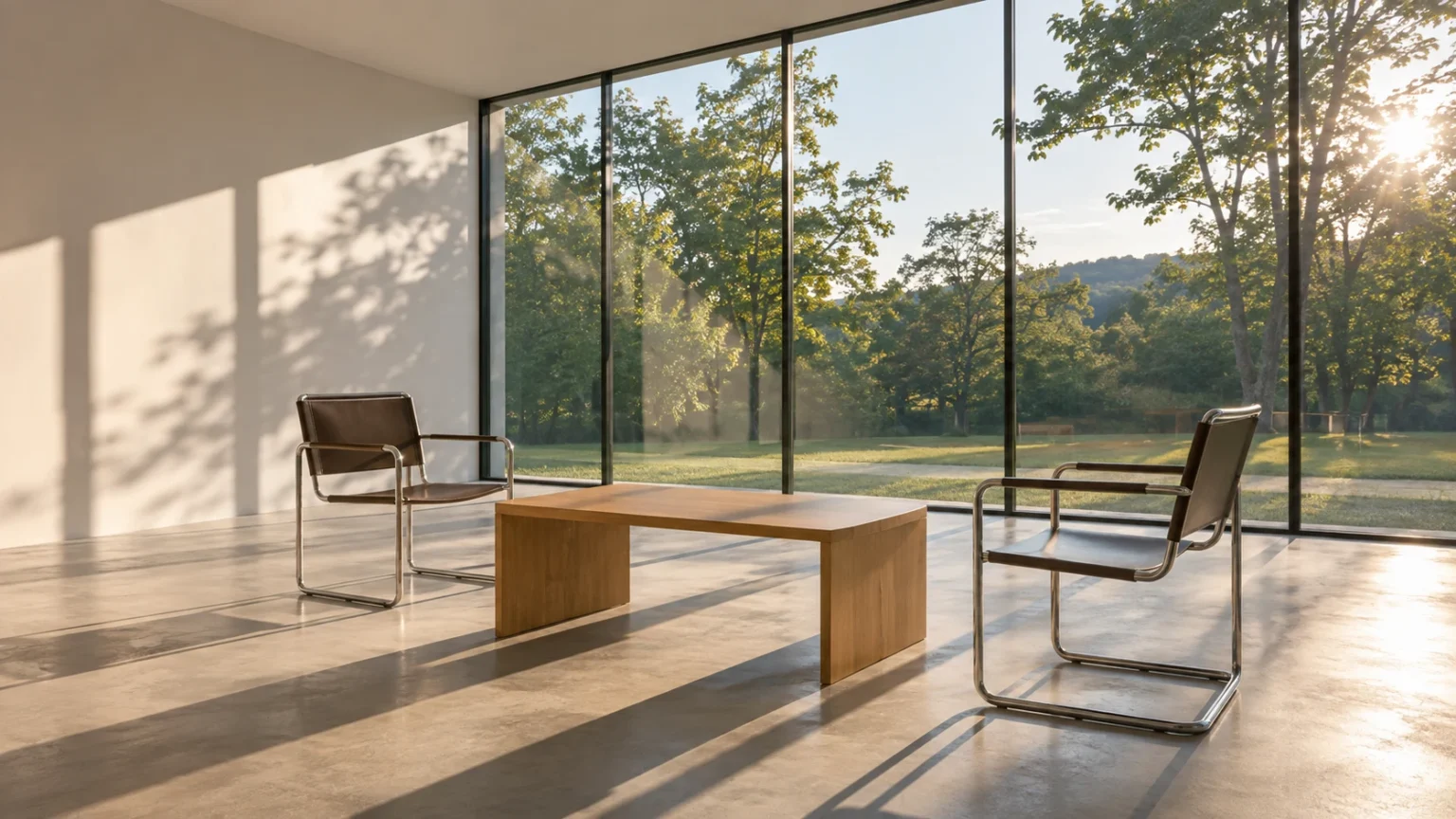
This short sentence greatly changed the direction of 20th-century design. From the 1930s on, modernist architects adopted the phrase as a kind of slogan and took it to mean that ornament was unnecessary.
(1) A backlash against ornament
In his 1910 lecture “Ornament and Crime,” the Austrian architect Adolf Loos criticized excessive ornament. Modernists embraced Sullivan’s sentence together with Loos’s argument and came to see ornament as superfluous.
(2) A symbol of hope and progress
After World War II, modernists aimed to improve the living conditions of ordinary people. In that climate, simple buildings and objects that put function first came to be seen as symbols of hope and progress.
(3) Today’s products and screens
In today’s industrial design and user experience (UX) design, this principle remains a basic question. The habit of first asking ‘what does this button do?’ before drawing a single button carries on Sullivan’s idea.
4. Criticisms and limits of the principle
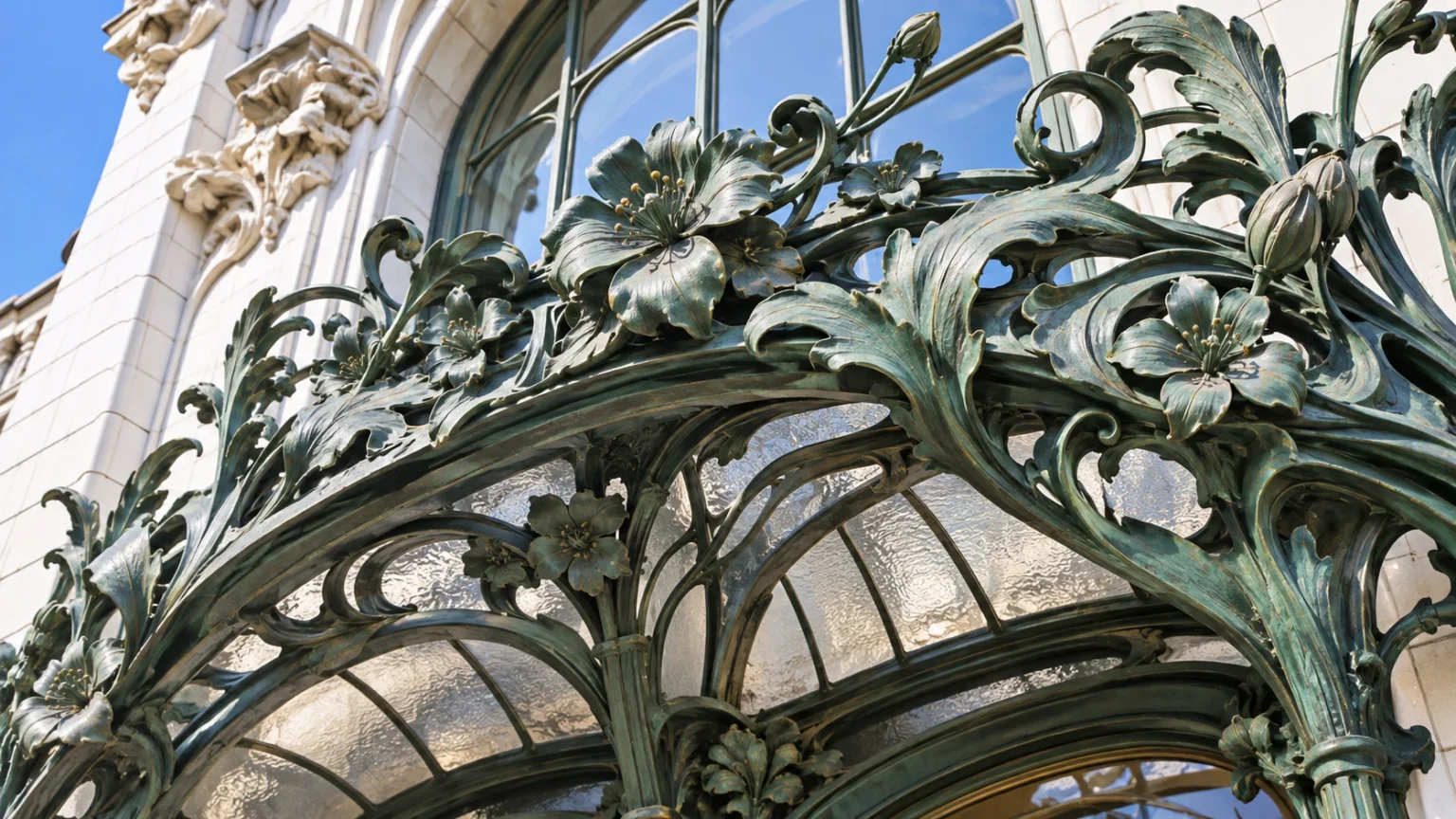
Interestingly, Sullivan himself did not give up ornament. The Carson, Pirie, Scott and Company Building in Chicago is wrapped, like a vine, in lavish Art Nouveau–style ironwork that he designed.
(1) There is no single right answer
Frank Lloyd Wright, who had worked under Sullivan, restated the idea as ‘form and function are one.’ In 1936 he even criticized the slogan for producing thin buildings that looked as though they had been cut from cardboard with scissors.
(2) The problem of shapes that sell
After the streamlined Chrysler Airflow appeared in the 1930s, the American auto industry for a time stopped using the most aerodynamic shapes in mass-produced cars. The worry was that if every car took the same teardrop shape, it could hurt sales. Raymond Loewy’s MAYA principle likewise held that what people are willing to accept limits functional design.
(3) Form also follows emotion
There is also the phrase ‘Form Follows Emotion,’ the title of a 1999 book on frog design, the firm founded by the German designer Hartmut Esslinger. Today, many take a broader view in which the pleasure and attachment that users feel are also part of what design has to do.
Whatever you make, the simple idea that you should first ask ‘what is this for?’—that is the first step toward understanding form follows function.