Imagine you replaced the wheels of a bicycle you have ridden for years, then the saddle, then the chain and even the handlebars, one new part at a time. Is it still the same bicycle you first bought? Most people would answer, “Of course it’s my bike,” but if a second bicycle assembled from all the old, removed parts stood right beside it, that answer would quickly start to waver. This question, which has occupied philosophers for more than 2,000 years, is called the ‘Ship of Theseus’.
Simply put, the Ship of Theseus is ‘a paradox of identity that asks whether an object whose parts have all been replaced one by one is still the original object’. The name comes from a story recorded by the ancient Greek writer Plutarch in the “Theseus” chapter of his Parallel Lives, about a ship that the Athenians preserved for a long time.
In this article, we will look in turn at where the story of the Ship of Theseus began, the problem of a second ship added by Thomas Hobbes, the various answers philosophers have proposed, and the Ships of Theseus we can find around us today.
The Question Left by a Ship Repaired Again and Again
1. Thirty Oars Kept by the Athenians
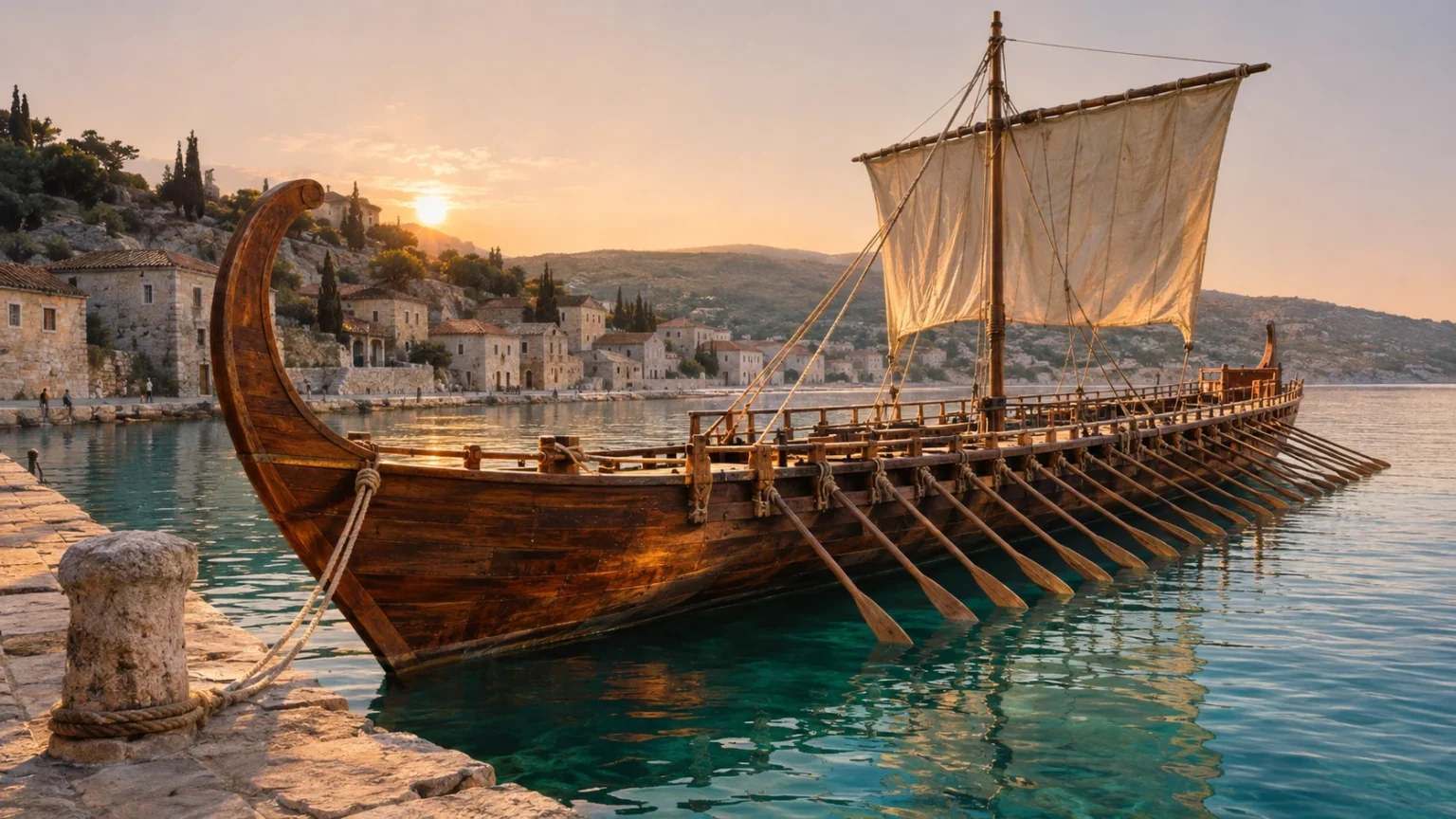
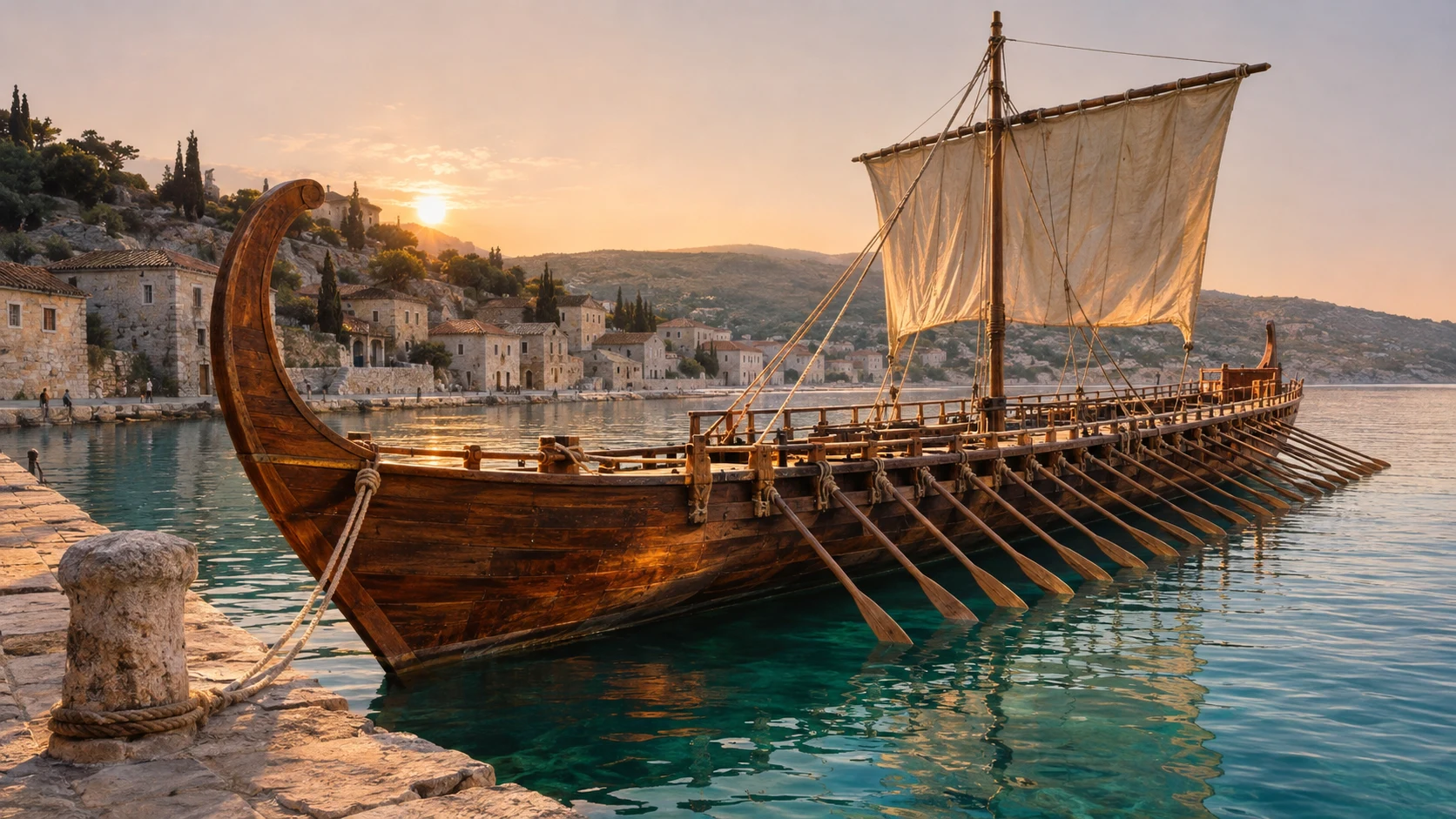
According to Plutarch, the ship on which Theseus and the young people of Athens returned from Crete had thirty oars. The Athenians preserved this ship down to the time of Demetrius Phalereus, and the way they preserved it is the heart of the story.
(1) A ship that honored a hero’s return
In myth, Theseus is the hero who entered the labyrinth of Crete, defeated the monster Minotaur and came home with the young people of Athens. For the Athenians, this ship was a monument that carried the pride of their city.
(2) Rotten planks replaced with new wood
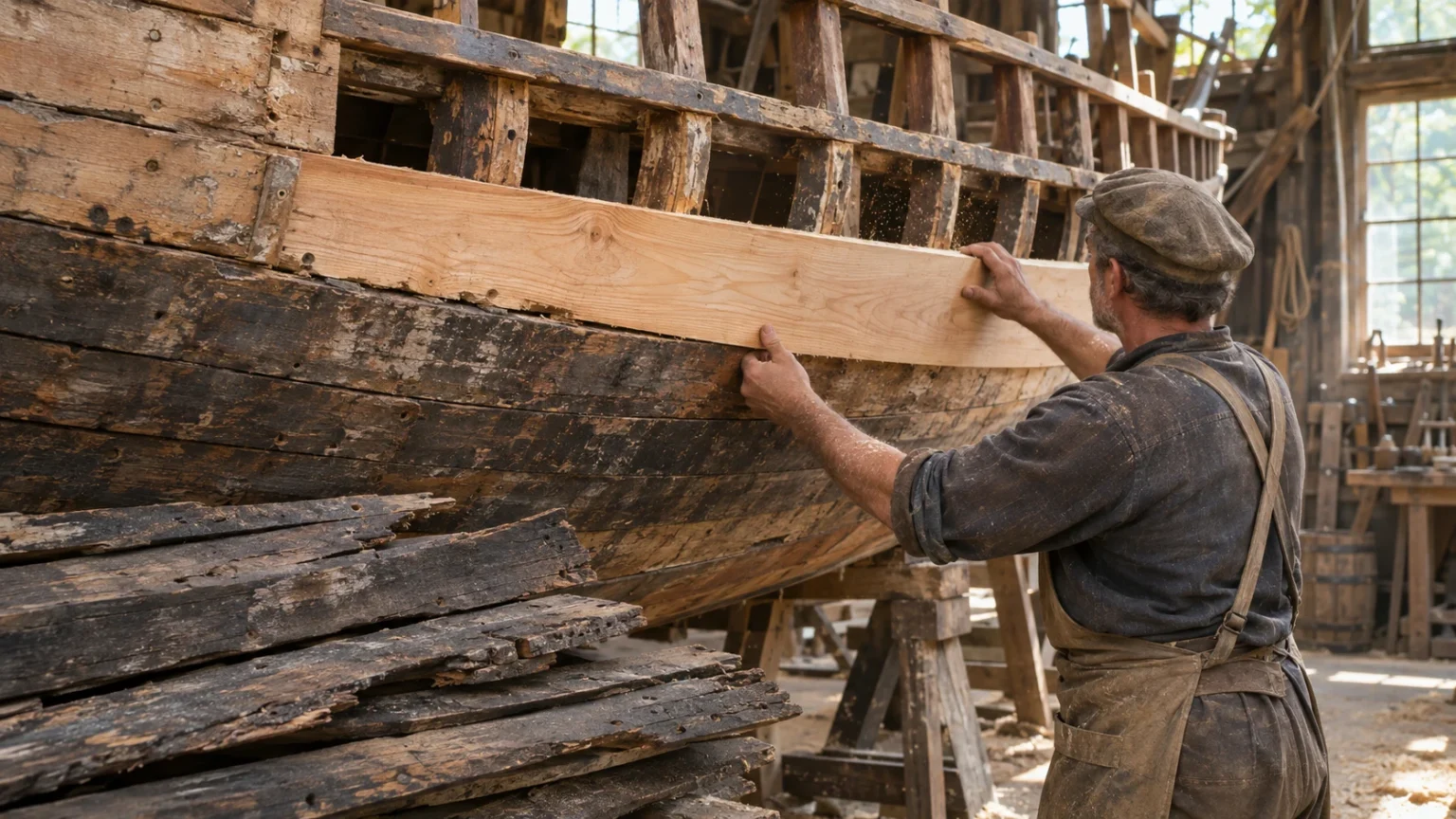
Over time, the planks of a wooden ship rot. The Athenians kept the ship by removing old planks and fitting in strong new timber, and as the years went by, fewer and fewer of the original planks remained.
(3) A favorite example for philosophers
Plutarch wrote that this ship became a favorite example for philosophers in debates about things that grow and change. One side said it was still the same ship, while the other argued that it was no longer the same ship.
2. The Second Ship Raised by Hobbes
In 1655, the 17th-century English philosopher Thomas Hobbes added one more scene to this story in De Corpore. If someone collected all the discarded old planks and fitted them back together in the same order, which of the two ships standing side by side would be the Ship of Theseus?
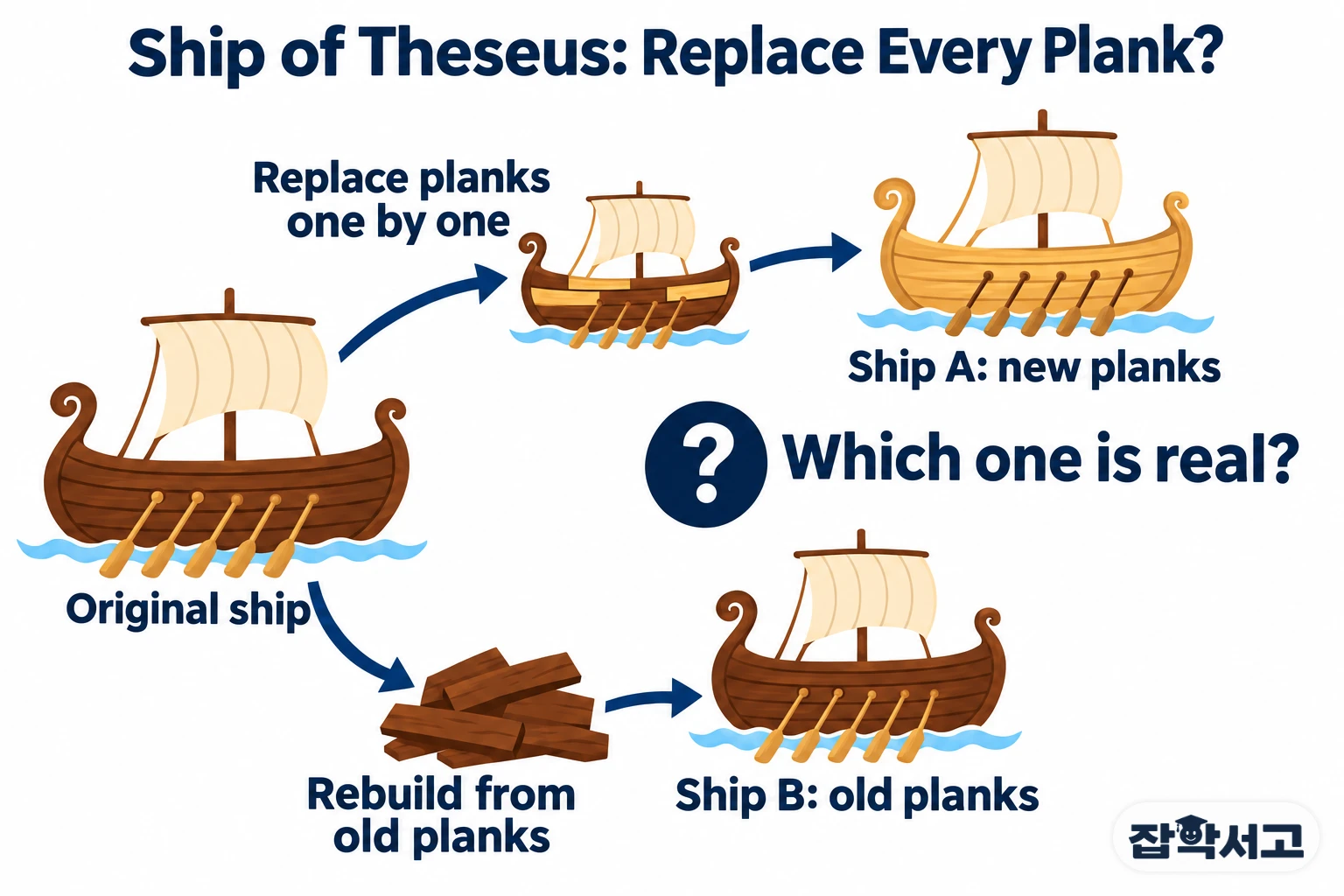
- Numerical Identity: This means that two things are not merely alike but are literally one and the same object.
- Qualitative Identity: This means having exactly the same properties, such as shape, color and material, and it can apply even to two different things, like two cups made from the same mold.
- Gradual Replacement: This is the process of changing parts little by little rather than all at once, which makes it hard to point to any single moment as ‘when it became a different object’.
- Reassembly: This means gathering the original parts that were removed and fitting them back together; the second ship that Hobbes added falls into this category.
Hobbes reasoned that if both ships were numerically the same as the original ship, we would face the contradiction that two different ships are one. So he concluded that the judgment of ‘sameness’ ultimately depends on what we refer to by that name. If the name refers to the material, the ship of old planks is the same ship; if it refers to the use that has continued without a break, the repaired ship is the same ship.
3. Three Lines of Answers from Philosophers

The ancient Greek philosopher Heraclitus is well known for saying that you cannot step into the same river twice. On the question of how something that never stops changing can remain the same thing, philosophers have offered three broad lines of answers.
(1) The answer that material is the standard
The position that a whole is no longer the same thing if it loses even one part is called Mereological Essentialism. On this view, replacing even a single plank already makes it a different ship, and the ship assembled from the old planks is actually closer to the original.
(2) The answer that continuity and use are the standard
This position holds that if the shape, structure and use carried on without a break, it is the same ship even though the planks changed. It treats as real the very ship that the Athenians kept repairing and kept calling ‘the Ship of Theseus’.
(3) The answer through time and overlap
Perdurantism, refined by philosophers such as David Lewis, sees an object as the sum of many slices that continue through time. Material Constitution, which treats the material and the ship as different objects occupying the same place, is another widely discussed answer.
4. Ships of Theseus Around Us
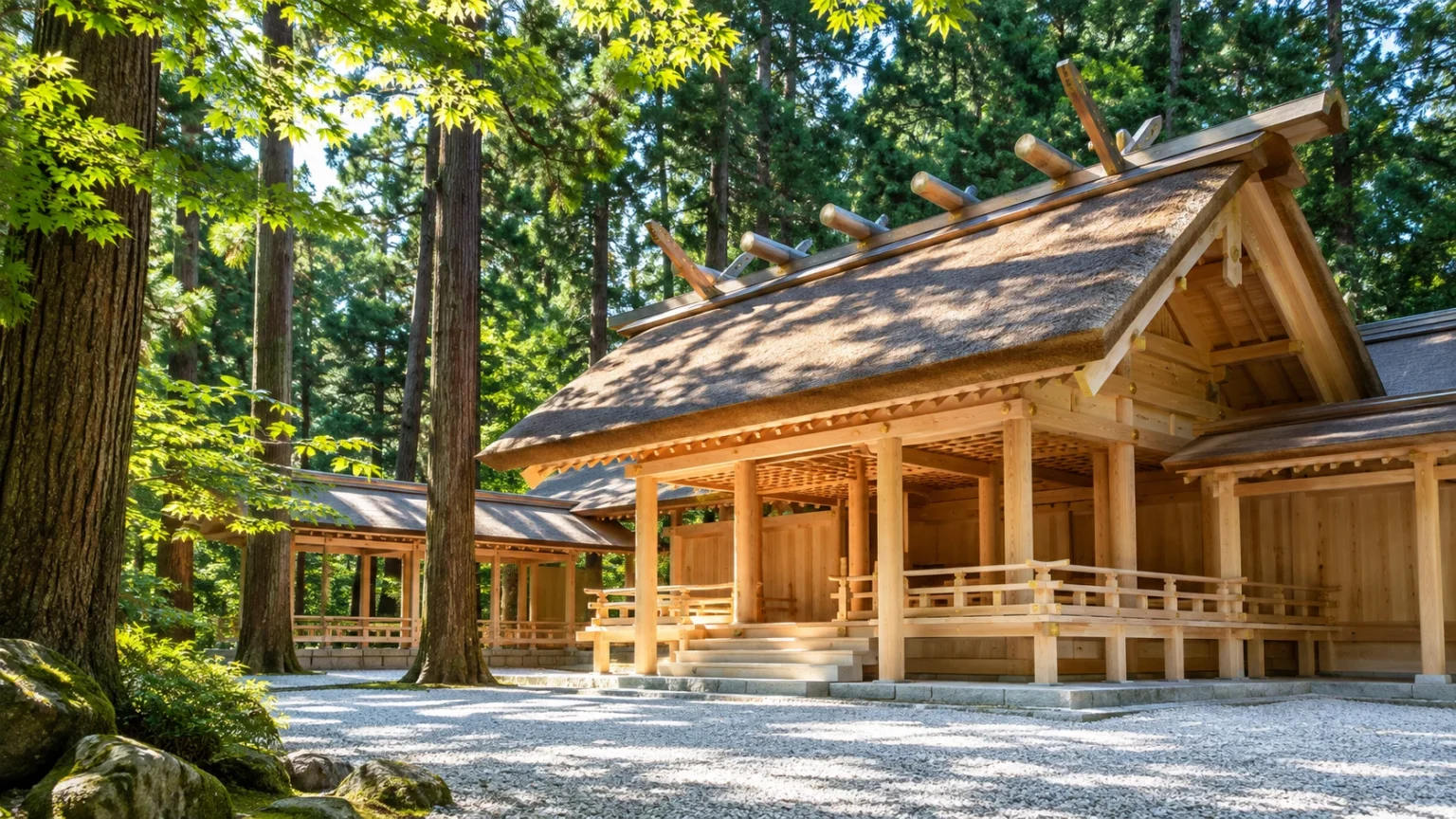
The Ship of Theseus does not exist only in philosophy books. We can easily meet the same question in old buildings and ships and in objects handed down in families.
(1) The Ise Grand Shrine, rebuilt every 20 years
Japan’s Ise Grand Shrine has kept up a tradition of rebuilding its buildings entirely with new wood every 20 years. The material is new each time, but people regard it as the same shrine continuing and see that continuity as spiritual.
(2) USS Constitution, which may keep only 8% of its original wood
The American warship USS Constitution, launched in 1797, has gone through long years of repair, and according to the museum, perhaps only about 8% of the original ship’s timber remains. Even so, the ship is still called by the same name.
(3) Grandfather’s axe and Trigger’s broom
There is the story of ‘grandfather’s axe’, whose head and handle have both been replaced, and Trigger in the British sitcom Only Fools and Horses proudly says that the broom he has used for 20 years is the same broom, even though it has had 17 new heads and 14 new handles.
In the end, what the Ship of Theseus asks is not about the ship itself but about how we use the word ‘same’. The simple idea that ‘the answer to sameness changes depending on the standard we choose’ is the first step toward understanding the Ship of Theseus.