In a business environment, a successful proposal serves as an important tool that determines a company's performance. Proposals play a central role in securing new contracts or investors, enabling companies to pursue growth and development.
This material explains how to write effective proposals. It examines specific proposal-writing techniques by addressing several aspects, including the importance of proposals, gathering and analyzing information, and the use of visual elements.
The Importance of Writing Proposals and Its Connection to Business Success

The Importance of Writing Proposals
A proposal is a company's first point of contact with potential customers or investors. More than just a document, it serves as an important tool for clearly communicating the solutions and value the company offers. A well-written proposal fully demonstrates a company's strengths and helps earn trust, laying the foundation for creating new business opportunities. By contrast, a poorly prepared proposal may fail to convey the company's expertise properly, causing it to miss important opportunities.
Proposals and Credibility
A successful proposal clearly presents a solution that can solve the other party's problems, thereby building trust. A proposal that inspires trust goes beyond being a document for securing a contract and becomes an important means of establishing a long-term partnership. To achieve this, the proposal must include solutions based on specific information and evidence, and clearly present examples or data that support the company's capabilities.
Demonstrating the Company's Expertise
A proposal is an important tool for demonstrating a company's expertise. A clearly structured proposal effectively shows the other party how much expertise the company has in the relevant field and how strong its problem-solving capabilities are. This allows the company to emphasize what sets it apart from competitors. In particular, when the proposal's structure and content are logical and consistent, the company's credibility increases further.
The Importance of Timeliness
Timeliness is also important for proposals. Submitting a proposal at the right time shows how quickly and nimbly a company can respond. A prompt response creates the perception that the company can adapt flexibly even in a changing environment, leaving a positive impression on customers or investors. Particularly in industries where markets change rapidly, a proposal submitted at the right time helps prevent missed opportunities.
Communicating Vision and Direction
A proposal is a means of clearly communicating a company's vision and direction to the other party. By presenting the company's long-term goals and strategies through the proposal, it enables potential customers or investors to connect with the company's vision. This plays an important role in building successful business relationships and lays the groundwork for developing cooperative relationships over the long term.
Strategies for Structuring Clear and Persuasive Proposals

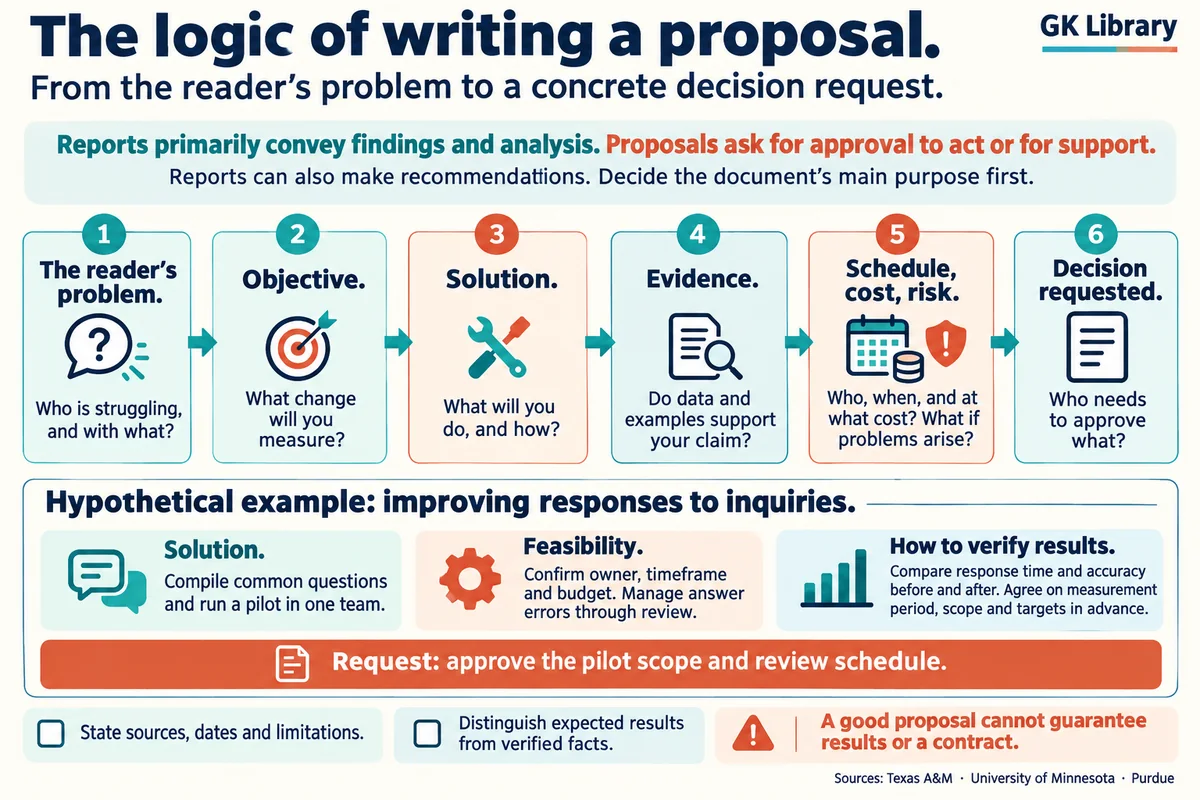
A Clear Introduction and Defined Purpose
First impressions are very important for proposals. The opening should concisely summarize the proposal's purpose and main content, and readers should be able to grasp its essence in just a few sentences. In this process, the company's objectives and the problem it seeks to solve must be clearly presented. Without a clear introduction, it is difficult to capture readers' interest.
Defining the Problem and the Goals for Solving It
A proposal's persuasiveness begins with defining the problem. It must clearly explain the problem it seeks to solve and state its specific purpose. If the problem is not clearly defined, the proposal's credibility will inevitably suffer. It is therefore important to emphasize that the proposed solution is truly needed and to demonstrate the seriousness of the problem.
Presenting a Specific Solution
After defining the problem, a specific solution must be presented to address it. The proposed solution must be feasible and include concrete plans and methods. This process should explain the required resources, the technical approach, and the effects the solution will produce. This makes it possible to communicate persuasively that the proposal is more than an idea and is a plan that can actually be implemented.
The Importance of Cost and Time Planning
Readers of a proposal want to know how cost-effective the proposed solution is and how quickly it can be implemented. A clear budget and schedule must therefore be presented. A detailed cost analysis and timeline play an important role in helping readers trust the solution and assess its feasibility positively. An unclear cost plan can greatly undermine the proposal's credibility.
How to Demonstrate the Likelihood of Success
Past success stories and data should be used to demonstrate the likelihood of success. It is important to explain the expected results in detail and present statistics or data that support them. This information shows readers that the proposal has a reliable basis and gives them confidence that the proposed solution will actually be effective.
Conclusion and Summary
The conclusion of a proposal summarizes the entire content and emphasizes the key points once again. It should end clearly so that readers remember the proposal's main content, and remind them again of its purpose and why the solution matters. A strong conclusion leaves a lasting impression on readers and further increases the proposal's persuasiveness.
The Importance of Overall Flow
A proposal should be structured to maintain a consistent flow and make it easy for readers to understand, rather than simply listing information. Each stage should follow logically, with natural connections from clearly defined goals to a specific solution, cost and time planning, and evidence of the likelihood of success.
Methods for Gathering and Analyzing Information Effectively

The Importance of Gathering Reliable Information
When writing a proposal, gathering information from reliable sources is very important. Information must be obtained from authoritative sources such as academic papers, government reports, and industry reports to increase the proposal's credibility. Unreliable information can weaken the proposal's persuasiveness, so the credibility of sources must be carefully examined. Information should also be gathered from a variety of sources to prevent bias and enable the problem to be understood from different perspectives.
Systematic Information Analysis and the Use of Tools
The stage of systematically analyzing the information gathered plays a very important role in writing a proposal. Different kinds of information must be organized effectively and used to derive meaningful insights. Using data analysis tools such as Excel, SPSS, and R makes quantitative analysis possible and allows more specific and reliable conclusions to be drawn. During this process, it is important to analyze the information in a way that identifies the causes of the problem and enables specific methods for solving it to be presented.
Visual Presentation of Information Analysis Results
Analyzed information should be presented visually so that readers can easily understand it. Graphs, charts, and tables can communicate complex data intuitively, greatly improving the proposal's readability. Visual materials help readers quickly grasp the key content and are an important tool for strengthening the proposal's persuasiveness. Visual materials must therefore be placed appropriately and presented in formats that match the content.
Using Up-to-Date Information
The information used in a proposal should reflect the latest available information. Outdated information can reduce the proposal's credibility, so up-to-date information should be prioritized. Information that reflects the latest trends or changed circumstances can inspire greater trust in readers and demonstrate that the proposed solution is appropriate for the current problem. Information gathering should therefore focus on obtaining the latest information.
Using Clear and Concise Language
When incorporating information analysis results into a proposal, it is important to use clear and concise language. Complex terminology or unnecessary information reduces the proposal's readability and can cause readers to miss the key points. It is therefore advisable to communicate the key content accurately, omit unnecessary details, and write clearly. This allows readers to understand the proposal easily and also strengthens its persuasiveness.
Effective information gathering and analysis play an important role in a proposal's success. Gathering information from reliable sources, analyzing it systematically, and then presenting it visually can increase the proposal's credibility and persuasiveness. Up-to-date information and clear, concise language should also be used to make the proposal easy for readers to understand.
How to Improve a Proposal's Quality Using Visual Elements
The Importance of a Consistent Layout
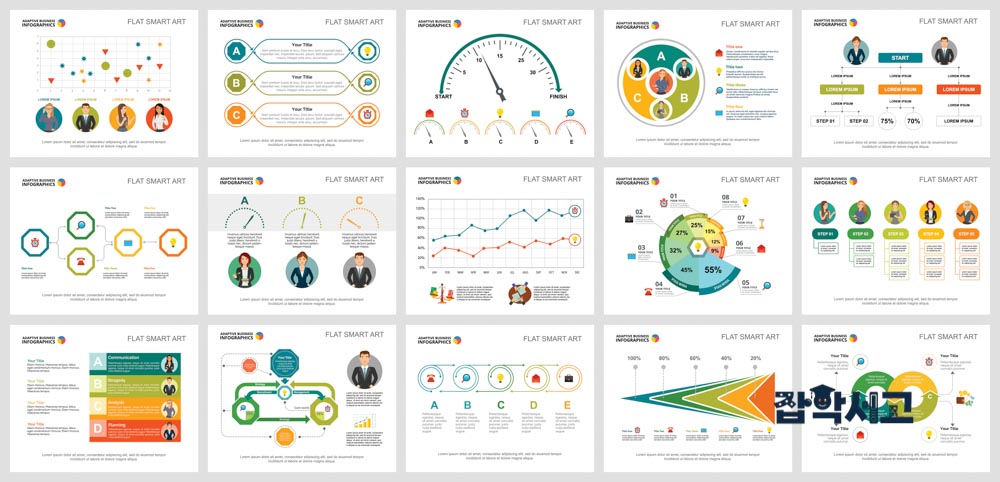
Maintaining a consistent layout is important for improving a proposal's visual quality. Consistent fonts, colors, and spacing make the document look professional and help readers understand the content more easily. Using an unnecessarily wide variety of styles can make a proposal look cluttered, so a clean design should be maintained throughout. A consistent layout helps readers focus on the key message without distractions while reading the proposal.
Using Graphs and Charts
It is important to use graphs and charts appropriately to communicate complex data simply. Bar graphs, pie charts, and similar visuals help readers understand numbers and statistics at a glance. For example, visualizing sales growth rates with a bar graph or showing market share with a pie chart allows readers to grasp important information quickly. These visual elements communicate numerical data effectively and help increase the proposal's persuasiveness.
Appropriate Use of Images and Icons
Images and icons help readers understand a proposal and create visual interest. For example, supplementing the content with product photos, logos, or simple icons can attract readers' attention. However, too many images can cause confusion or dilute the key message, so it is important to maintain an appropriate quantity. Images should be used only when needed, and each image should be placed to fit the document's flow.
The Effects of Using Color
Color is an important visual tool for effectively highlighting the parts that need emphasis. Highlighting important information or statistics with eye-catching colors allows readers to notice those parts immediately. For example, it is effective to highlight important numbers in red and present less important content in neutral colors. However, colors should be used consistently, and the company's brand colors should be incorporated appropriately to create overall harmony.
Harmony Between Text and Visual Elements
Text and visual elements must work in harmony to improve a proposal's readability. Using appropriate titles and subheadings for each section and placing images or graphs between blocks of text makes the content easy for readers to follow. If the text is too long or information is concentrated in one place, readers may lose focus, so visual elements should be distributed appropriately. This creates a natural flow through the document and helps readers avoid missing important points.
Final Review and Revision
Once the proposal has been written, the consistency of all visual elements should be checked again and any necessary revisions made. Well-organized visual elements further improve the proposal's quality and play an important role in conveying professionalism to readers. In particular, it is necessary to check that the proposal's design remains consistent and that each element is placed in keeping with the document's flow. Through this process, the proposal is completed as a more persuasive and trustworthy document.
Writing effective proposals is a key element of business success. It is important to clearly recognize the importance of proposals, establish persuasive structural strategies, and increase credibility through thorough information gathering and analysis. Appropriate use of visual elements can also further enhance the proposal's quality.
Through these efforts, companies can effectively communicate their proposed solutions and value to create successful business opportunities. We hope this material helps take your proposal-writing skills to the next level.