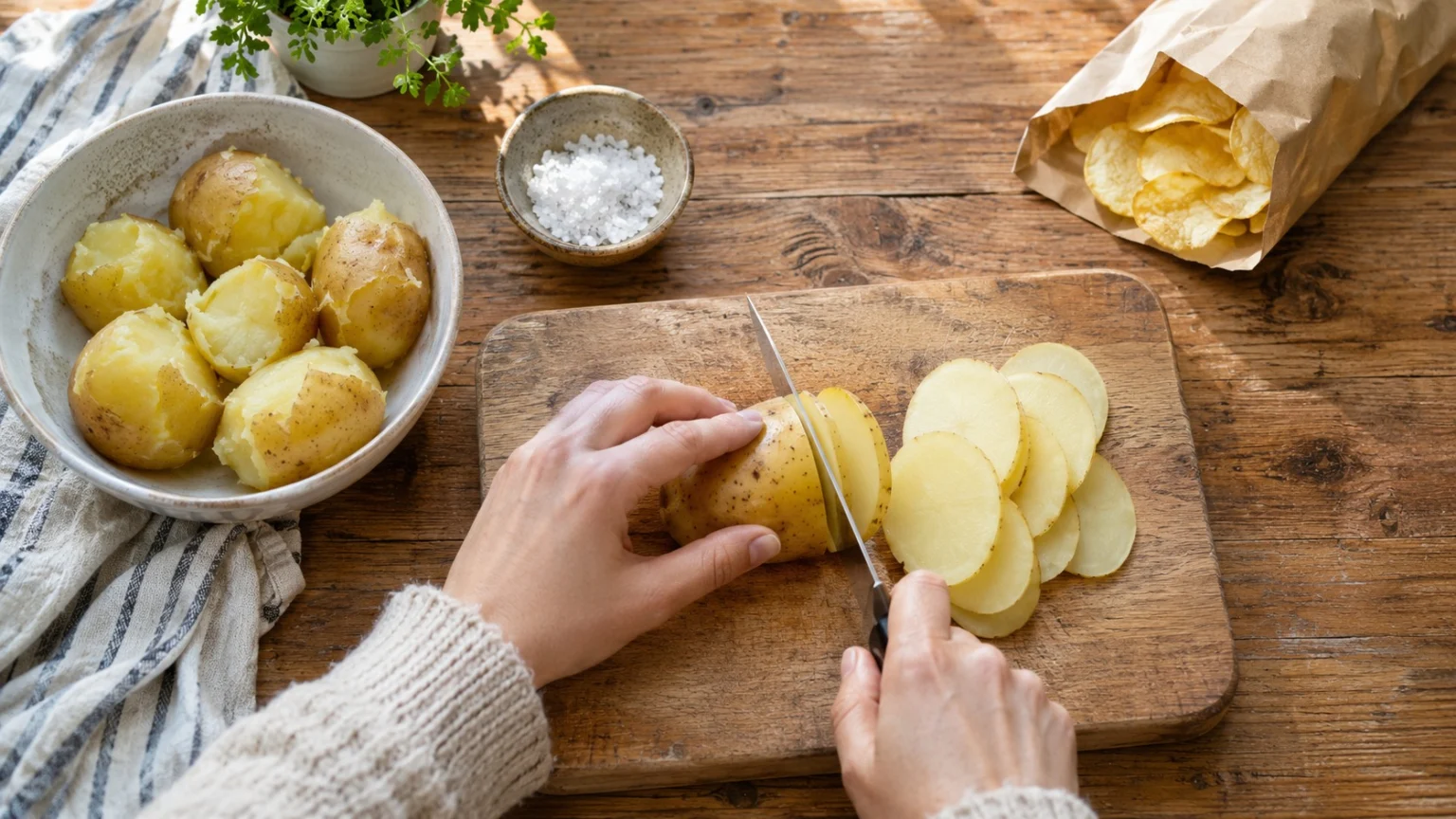
A potato that is boiled and sprinkled with only salt, and a potato that is sliced thin, fried in oil, coated with flavoring and seasoning, and sealed in a bag, give you the feeling that they do not enter our bodies as the same food. Even if the numbers on a nutrition label look similar, the character of a food changes with how far it has been worked on and what has been added to it. There are people who turned that intuition into a single framework.
That framework is the “Nova Food Classification.” It is a system that divides food into four groups not by nutrients such as fat or sugar but by the degree and purpose of industrial processing, and it was proposed in 2009 by researchers at the University of São Paulo in Brazil. Today it is widely used in nutrition and public health research and in the dietary guidelines of many countries.
In this article, we will look in turn at how the Nova classification came about, what each of the four groups is, how to recognize ultra-processed foods, and the uses and limits of this classification.
A Four-Box Map That Reads Food by How Processed It Is
Looking at Processing, Not Nutrients
The Nova classification grew out of the research of the nutritionist Carlos Augusto Monteiro. He first studied undernutrition, but in the mid-1990s he turned his attention to the rise of obesity among poor people in Brazil.
(1) From individual nutrients to the whole diet
Rather than weighing the nutrients in each food, he used statistics to examine how people actually eat. Two clear patterns then emerged: diets centered on traditional foods such as rice and beans, and diets centered on highly processed products.
(2) The origin of the name
“Nova” comes from the Portuguese word meaning “new.” The title of the original paper was “A new classification of foods,” and the idea of using this word as the name is said to have come from Jean-Claude Moubarac of the University of Montreal in Canada.
(3) It is not an acronym
It is often written in capitals as NOVA, but it is not short for anything. Recent papers are leaning toward writing it as Nova.
A Food Map Divided Into Four Groups
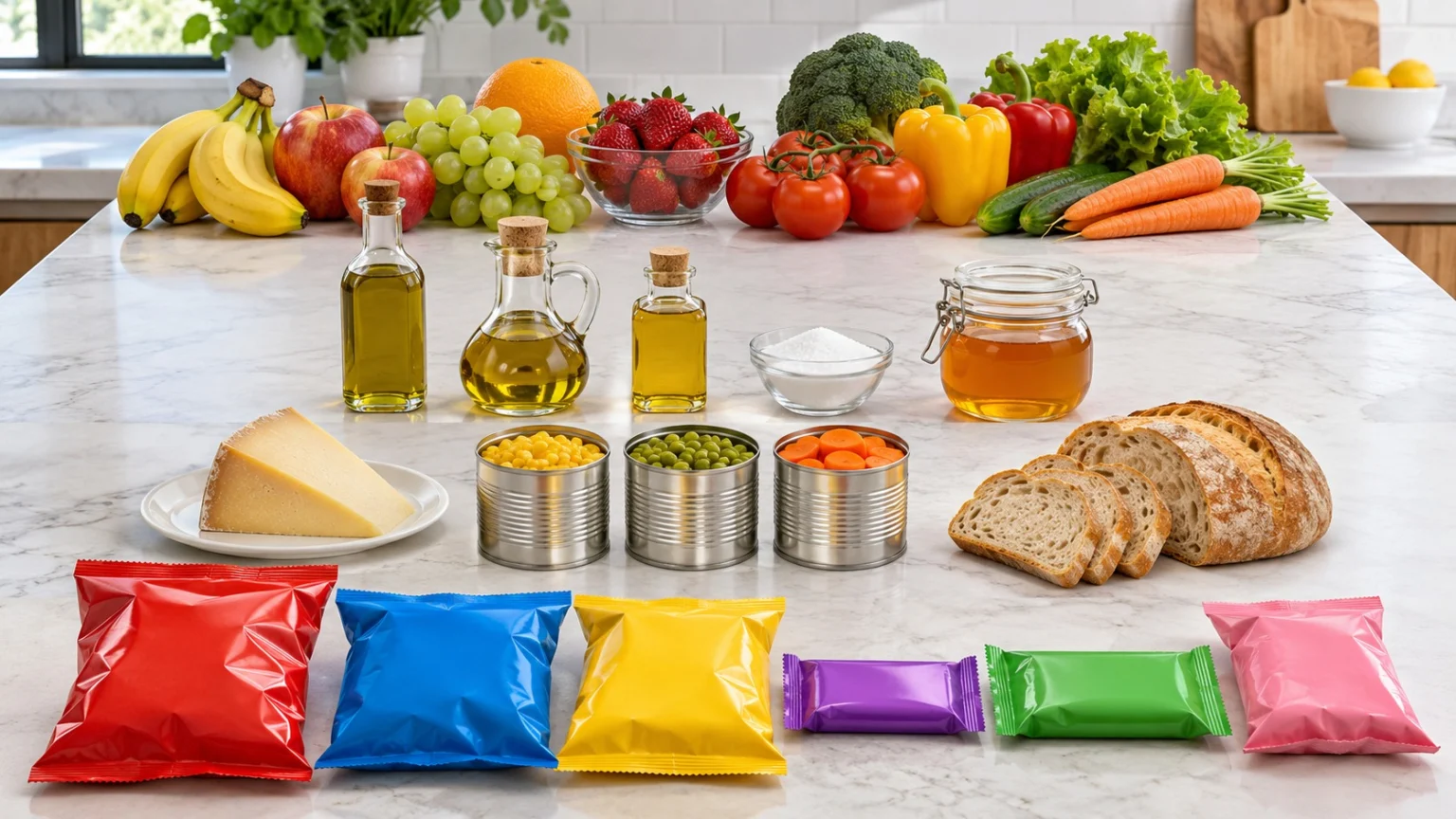
Nova divides foods into four groups according to the nature, degree, and purpose of industrial processing. The higher the number, the more a factory has worked on the food.
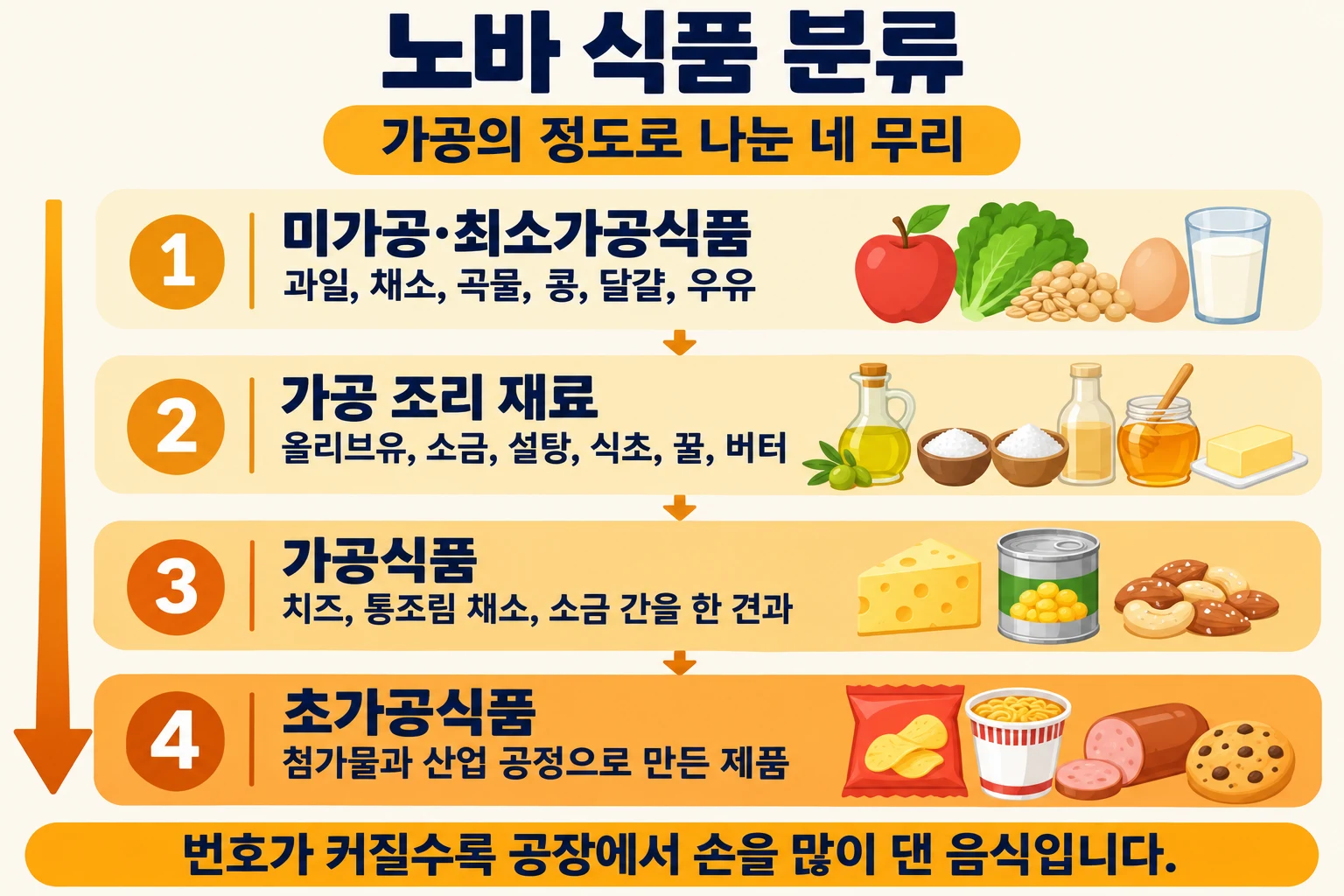
- Unprocessed or Minimally Processed Foods: These are the edible parts of plants, animals, and fungi, along with water, and such foods that have been trimmed, dried, ground, frozen, or pasteurized. No salt, sugar, or oil is added. Fruits, vegetables, grains, beans, fresh meat, eggs, milk, and plain yogurt are examples.
- Processed Culinary Ingredients: These are obtained by pressing or refining foods from the first group, and they are used to season and cook food. Olive oil, salt, sugar, vinegar, honey, and butter belong here.
- Processed Foods: These are relatively simple foods made by adding ingredients from the second group to foods from the first group. Cheese, canned vegetables, salted nuts, fruit preserved in syrup, and dried or canned fish are examples.
- Ultra-Processed Foods: These are products made by industrially combining many ingredients, and they contain no foods from the first group at all or only a very small amount.
How to Recognize Ultra-Processed Foods
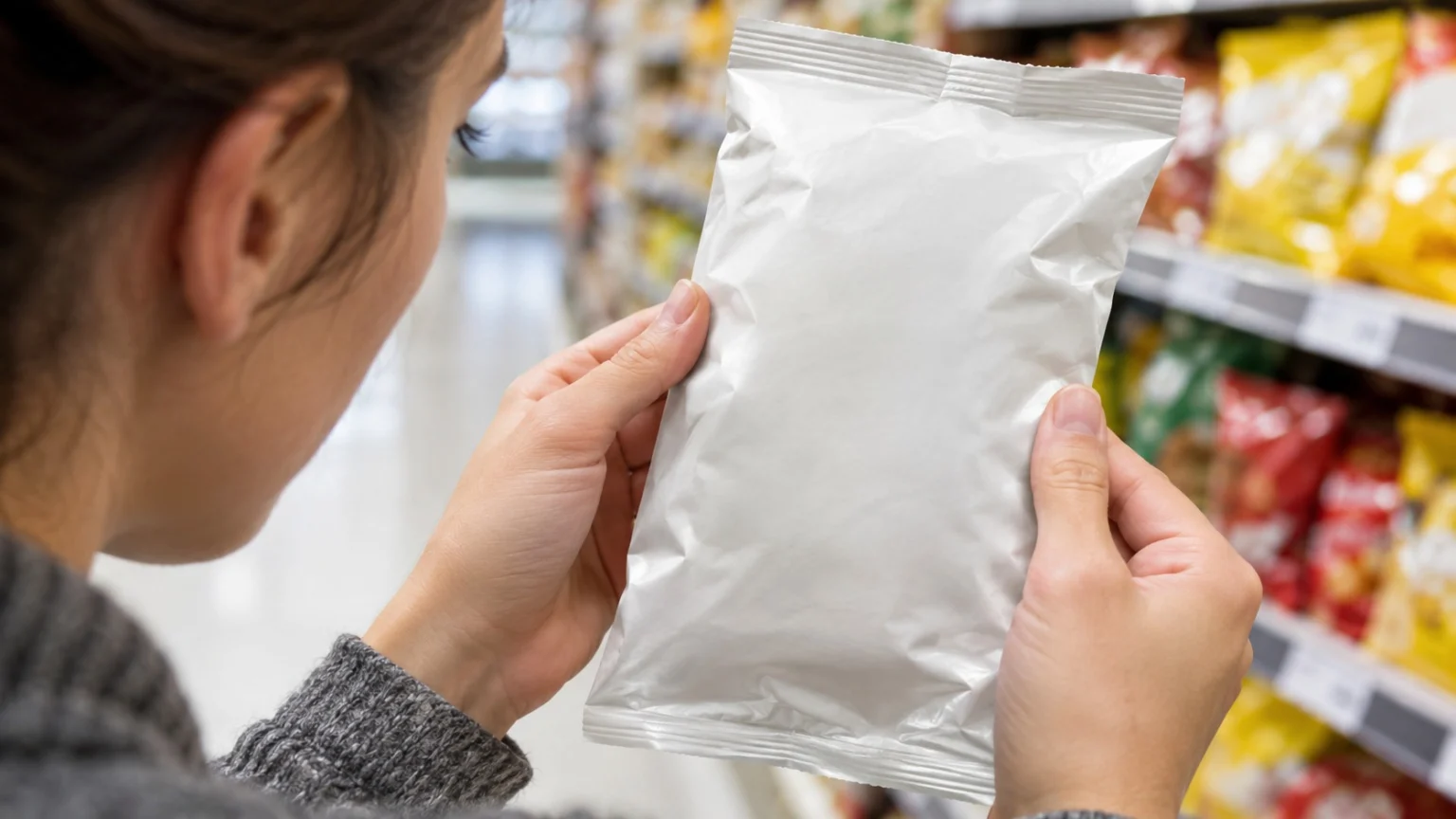
Because the fourth group draws the most attention, Nova states fairly concretely the criteria for picking it out. The key is the ingredient list on the back of the product.
(1) Ingredients not used in a kitchen
If a product contains substances that are hardly ever used in ordinary cooking, such as high-fructose corn syrup, hydrogenated oil, modified starch, or protein isolates, it is regarded as ultra-processed. Hydrolyzed proteins and mechanically separated meat fall into the same category.
(2) Additives that dress up appearance
The use of additives that make taste and looks stand out, such as flavorings, colorings, sweeteners, emulsifiers, and thickeners, is also a characteristic.
(3) Industrial processes and packaging
Industrial processes such as extrusion, molding, and pre-frying, along with elaborate synthetic packaging, are also counted among the ways this group is made.
(4) A designed purpose
Nova explains that such foods make a profit through cheap ingredients, long shelf life, and strong brand image, and that they are made to be eaten or drunk right away. The view is that they are designed to replace foods from the other groups or home-cooked meals.
From Dietary Guidelines to the Middle of a Debate

Nova gained strength outside the laboratory as well. In 2014, Brazil’s Ministry of Health issued new dietary guidelines based on Nova, and Monteiro led that effort.
(1) Brazil’s golden rule
The key sentence of the guidelines is to always prefer natural or minimally processed foods and freshly made dishes over ultra-processed foods. It recommends using oils, salt, and sugar only in small amounts, eating processed foods sparingly, and avoiding ultra-processed foods.
(2) Adoption by international organizations
The Pan American Health Organization adopted Nova in its own dietary guidance, and the Food and Agriculture Organization of the United Nations assessed the Brazilian guidelines as the first to emphasize social and economic sustainability.
(3) It says nothing about nutrition
Nova does not speak to the nutritional value of food, and it was not made to evaluate nutrient content. That is why there are proposals to use it together with labeling systems that show nutrition grades.
(4) The criticism of a dichotomy
On the other hand, some criticize it as a dichotomy that regards ultra-processed foods as mostly harmful. The concern is that it can miss fortified nutrition and mix processing up with other dietary factors, and some researchers question whether the definition is scientifically rigorous enough.
The Nova Food Classification is a proposal to divide food by how and why it was made rather than by what it contains. It is not a perfect yardstick, but it is an easy standard that makes us look back on our daily table, and that is why it has spread so widely.
To read the ingredient list on the back of a product once more, and to build the habit of noticing whether a long run of unfamiliar names follows: that is the first step toward understanding the Nova Food Classification.