Dietary fiber is one of the nutrients frequently mentioned in discussions of our everyday diet. However, many people do not fully understand exactly what dietary fiber is or why it is important.
This article will explore the definition and types of dietary fiber, its positive effects on digestive and cardiovascular health, recommended intake levels and ways to incorporate it into everyday life, and foods that contain plenty of dietary fiber.
What Is Dietary Fiber: Its Definition and Types
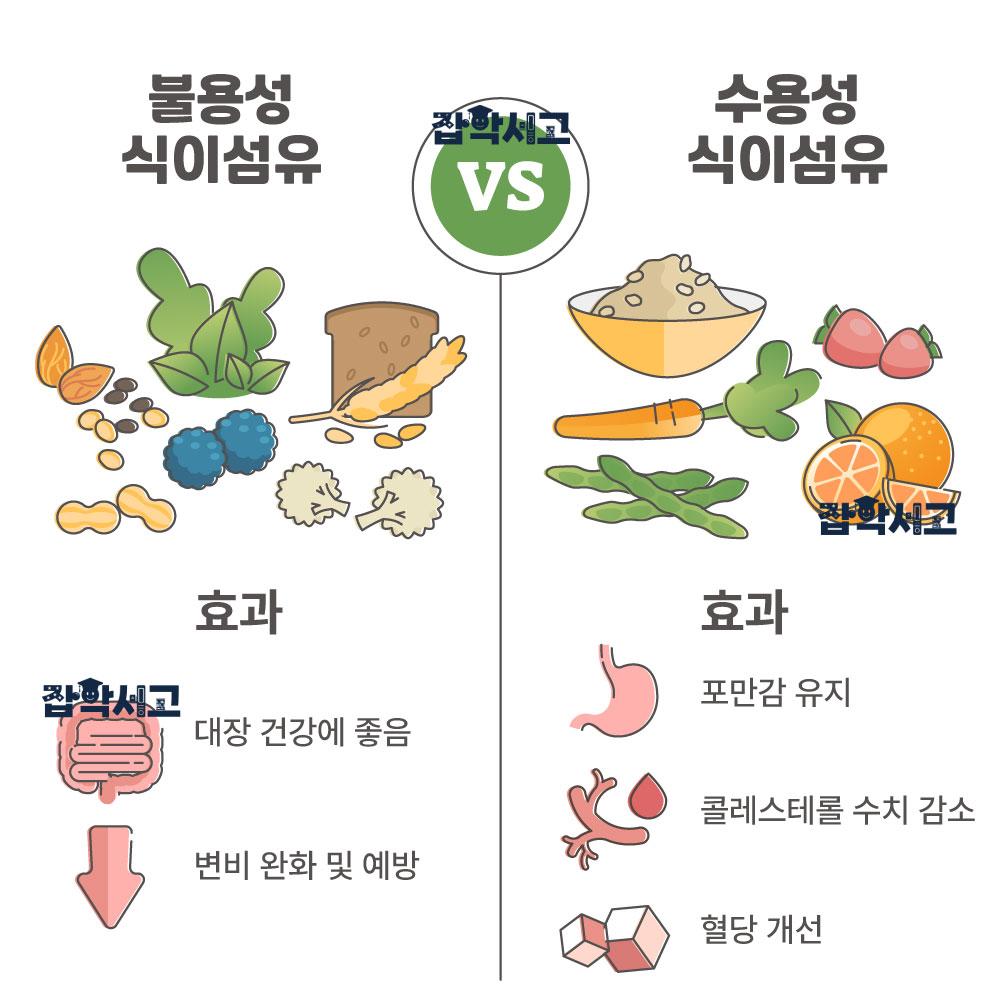 How is dietary fiber classified, and what benefits does it provide?
Definition of Dietary Fiber
Dietary fiber consists of indigestible carbohydrates found in plant-based foods. Because it is not broken down by digestive enzymes, it reaches the large intestine and performs various physiological functions.
Types of Dietary Fiber
Dietary fiber can be broadly divided into two types: soluble dietary fiber and insoluble dietary fiber.
Soluble Dietary Fiber
Soluble dietary fiber dissolves in water and forms a gel, which slows digestion in the intestine and stabilizes blood sugar levels. Soluble dietary fiber is particularly abundant in fruits, vegetables, legumes, and oats. This type of fiber also helps lower cholesterol levels and has a positive effect on weight management.
Insoluble Dietary Fiber
Insoluble dietary fiber does not dissolve in water and increases bulk, stimulating intestinal movement. This gives it an important role in preventing constipation and maintaining intestinal health. Insoluble dietary fiber is mainly found in grain husks, nuts, seeds, and various vegetables. This type of fiber increases stool bulk, helping keep the intestine healthier.
Prebiotics
Another important type of dietary fiber is prebiotics. Prebiotics serve as food for beneficial gut bacteria, supporting their growth and improving intestinal health. Prebiotics are mainly found in garlic, onions, bananas, and asparagus.
The Importance of Consuming a Variety of Dietary Fibers
There are many types of dietary fiber, and because each type has different positive effects on health, it is important to consume a balanced variety of dietary fibers. This helps us maintain a healthier lifestyle.
The Role of Dietary Fiber: An Essential Element for Digestive Health
 What effects does dietary fiber have on our bodies?
Preventing and Relieving Constipation
Dietary fiber plays an important role in maintaining digestive health. First, dietary fiber stimulates intestinal movement, helping prevent and relieve constipation. Insoluble dietary fiber increases stool bulk and absorbs water, helping the intestine move more effectively.
Maintaining the Balance of Gut Microorganisms
Dietary fiber plays an important role in maintaining the balance of microorganisms in the large intestine. Beneficial gut bacteria feed on dietary fiber and produce short-chain fatty acids through fermentation. These short-chain fatty acids serve as an energy source for intestinal cells, promoting intestinal health. This increases beneficial gut bacteria and suppresses the growth of harmful bacteria, strengthening the intestine's immune function.
Stabilizing Blood Sugar Levels
Dietary fiber slows digestion, helping keep blood sugar levels stable. This is particularly important for people with diabetes. Soluble dietary fiber forms a gel in the intestine, slowing digestion and helping blood sugar rise gradually.
Lowering Cholesterol Levels
Dietary fiber binds to bile acids, helping lower cholesterol levels. Bile acids are excreted in stool rather than being reabsorbed in the intestine, and cholesterol is used up in this process, lowering blood cholesterol levels. This also has a positive effect on preventing cardiovascular disease.
Weight Management
Dietary fiber helps with weight management. Foods rich in dietary fiber are low in calories yet filling, helping prevent overeating and support weight loss. This makes dietary fiber an important factor in preventing and managing obesity.
Preventing Colorectal Cancer
Dietary fiber also plays an important role in preventing colorectal cancer. Short-chain fatty acids produced through fermentation in the intestine maintain the health of cells in the large intestine and promote the elimination of harmful substances. In addition, increased stool bulk shortens intestinal transit time, reducing the amount of time harmful substances remain in the intestine.
Lowering Blood Pressure
Dietary fiber helps lower blood pressure. Various studies have shown that a diet rich in dietary fiber is effective in lowering blood pressure. This is because dietary fiber promotes the excretion of salt from the body and helps maintain the elasticity of blood vessels.
Reducing Inflammation
Dietary fiber reduces inflammation, lowering the risk of cardiovascular disease. Dietary fiber promotes the production of short-chain fatty acids with anti-inflammatory effects, helping lower inflammation levels in the body. This helps prevent not only heart disease but also various chronic diseases.
Improving Blood Circulation
Finally, dietary fiber improves blood circulation, promoting cardiovascular health. Dietary fiber lowers lipid levels in the blood and helps maintain the elasticity of blood vessels. This improves blood circulation and has a positive effect on the prevention and treatment of cardiovascular disease.
Recommended Dietary Fiber Intake and Ways to Incorporate It into Everyday Life
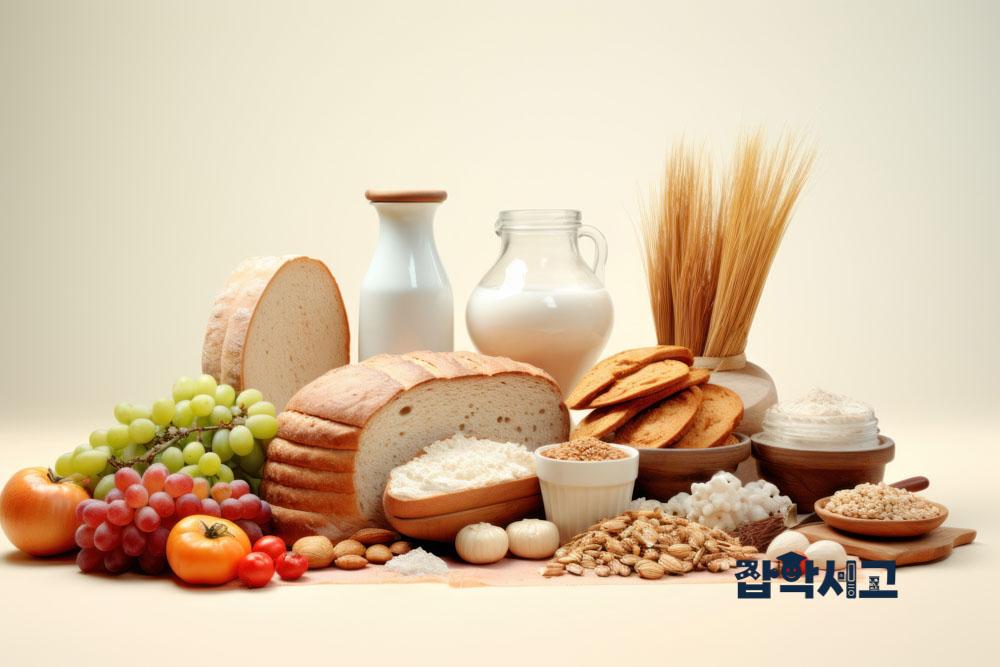 How can you consume dietary fiber appropriately?
Recommended Daily Intake
The recommended daily intake of dietary fiber for adults is approximately 25–30 grams. It is important to consume this amount in a balanced way through a variety of foods. You can get enough dietary fiber from a variety of foods, including grains, fruits, vegetables, and legumes.
Breakfast
For breakfast, it is a good idea to choose grains rich in dietary fiber. A breakfast that includes oats, whole-wheat bread, or high-fiber cereal helps you start the day healthily. Adding fruit makes it even more effective.
Lunch and Dinner
It is important to eat plenty of vegetables at lunch and dinner. Vegetables can be eaten in various forms, including salads, stir-fried vegetables, and soups. Vegetable skins are particularly rich in insoluble dietary fiber, so it is a good idea to eat them with the skins on.
Healthy Snacks
Nuts or fruit are good choices for snacks. Nuts are rich in insoluble dietary fiber, while fruit provides soluble dietary fiber, vitamins, and minerals. These foods are filling and suitable as healthy snacks.
Water Intake
Water intake is another important factor. Dietary fiber needs sufficient water to function effectively. It is a good idea to drink at least 2 liters of water a day. This helps intestinal movement proceed smoothly and prevents constipation.
Dietary Fiber Supplements
Finally, you can also use dietary fiber supplements. If you feel that you are not getting enough dietary fiber, supplements can help increase your intake. However, it is preferable to get dietary fiber from natural foods rather than meeting all your needs through supplements alone.
Which Foods Are High in Dietary Fiber?
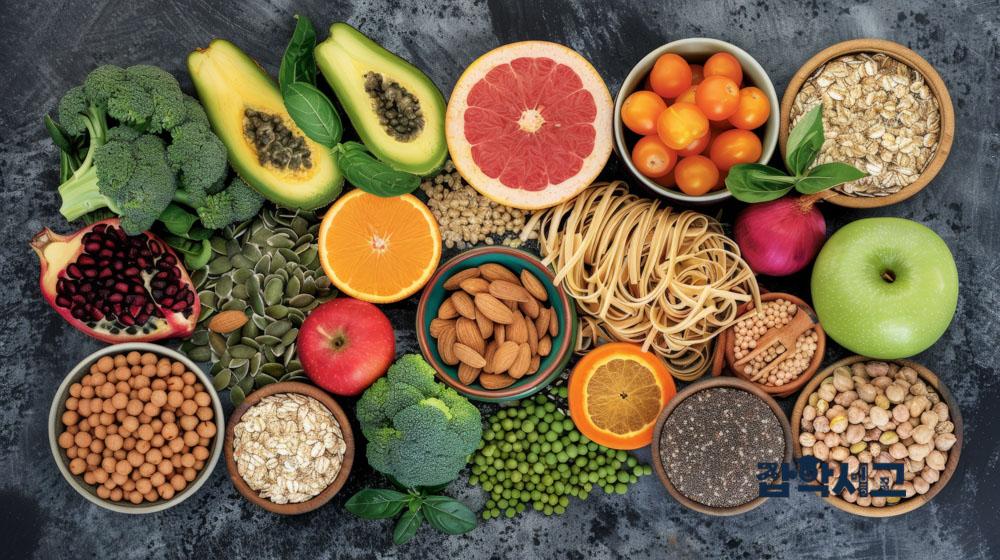 What kinds of foods contain plenty of dietary fiber?
Choosing foods rich in dietary fiber is very important for ensuring adequate intake. The following are types of foods that contain plenty of dietary fiber and their characteristics.
Grains
- Oats: Rich in beta-glucan, a soluble dietary fiber, oats lower cholesterol levels and help regulate blood sugar.
- Whole wheat: It contains plenty of insoluble dietary fiber, making it beneficial for preventing constipation and supporting intestinal health.
- Brown rice: Its dietary fiber content is higher than that of white rice, promoting intestinal movement.
- Quinoa: Rich in protein and dietary fiber, quinoa is highly nutritious and filling.
- Barley: Its high soluble dietary fiber content makes it effective in lowering cholesterol and regulating blood sugar.
Fruits
- Apples: Along with abundant insoluble dietary fiber in the skin, the flesh contains pectin, a soluble dietary fiber, helping support digestive health.
- Pears: Their high water content and abundant dietary fiber make them effective in relieving constipation.
- Berries: Blueberries, raspberries, strawberries, and other berries provide plenty of dietary fiber with few calories, making them suitable snacks.
- Bananas: They contain a balanced combination of pectin, a soluble dietary fiber, and insoluble dietary fiber, making them good for digestive health.
- Kiwifruit: Rich in dietary fiber as well as digestive enzymes, kiwifruit aids digestion and prevents constipation.
Vegetables
- Broccoli: Rich in dietary fiber as well as vitamins and minerals, broccoli is good for intestinal health and strengthening immunity.
- Carrots: Along with beta-carotene for eye health, carrots contain dietary fiber that supports digestive health.
- Spinach: It provides plenty of iron and dietary fiber, promoting anemia prevention and digestive health.
- Sweet potatoes: Rich in both soluble and insoluble dietary fiber, sweet potatoes support digestive health and blood sugar regulation.
- Kale: Rich in vitamins, minerals, and dietary fiber, kale offers various health benefits.
Legumes
- Lentils: Rich in protein and dietary fiber, lentils are good as a meal replacement or for supplementing nutrition.
- Black soybeans: They contain plenty of antioxidants and dietary fiber, making them beneficial for cardiovascular health.
- Chickpeas: They can be used in various dishes, and their high dietary fiber content increases fullness, helping with weight management.
- Kidney beans: Rich in protein as well as dietary fiber, kidney beans are highly nutritious.
- Peas: They contain a balanced combination of vitamins, minerals, and dietary fiber and are used in various dishes.
Nuts and Seeds
- Almonds: They contain protein, healthy fats, and dietary fiber, making them ideal as a snack.
- Chia seeds: Rich in soluble dietary fiber, chia seeds form a gel when placed in water, supporting digestive health.
- Pumpkin seeds: They contain magnesium and insoluble dietary fiber, promoting intestinal movement.
- Sunflower seeds: Rich in unsaturated fatty acids and dietary fiber, sunflower seeds are good for cardiovascular health.
- Flaxseeds: They contain omega-3 fatty acids and dietary fiber, supporting cardiovascular health and digestion.
Other Foods
- Avocados: They contain plenty of dietary fiber along with healthy fats, providing fullness and aiding digestion.
- Sweet potatoes: Eating them with the skins on increases their dietary fiber content, making them beneficial for digestion and preventing constipation.
- Popcorn: Unprocessed popcorn is suitable as a snack that provides few calories and plenty of dietary fiber.
- Brussels sprouts: They contain various vitamins and dietary fiber, making them good for digestive health.
Including these various foods in your everyday diet can help you get enough dietary fiber and thereby maintain digestive health and overall health.
Dietary fiber plays an important role in maintaining our health and preventing disease. A balanced intake of various dietary fibers has positive effects in several areas, including digestive health, cardiovascular health, and weight management.
We hope this article helps you understand the importance of dietary fiber and actively incorporate it into your everyday life to maintain a healthy lifestyle.