Food allergies are among the health problems many people face, occurring when the body's immune system overreacts to the consumption of certain foods.
Allergic reactions can be mild or severe, so understanding and managing them is important.
This article explains the basic definition, causes, and symptoms of food allergies, and explores ways to prevent and manage allergies, as well as how to choose suitable foods for people with allergies.
What Is a Food Allergy?
 Immune System Errors
A food allergy occurs when the body overreacts to proteins found in certain foods. This reaction happens because the immune system mistakenly identifies these proteins as harmful substances and consequently releases chemicals that cause allergy symptoms.
For example, some people may have allergic reactions to proteins found in peanuts or milk. When these people consume peanuts or milk, their immune systems release chemicals to attack these proteins, which can cause various allergy symptoms.
Symptoms range from mild to severe and include itching, rashes, vomiting, diarrhea, coughing, and swelling of the throat. In very severe cases, an allergic reaction can be life-threatening.
Food allergies are usually discovered in childhood, and while some people may outgrow their allergies, others may have them throughout their lives.
Food allergies can be difficult to treat, so people with allergies should avoid the foods that trigger them.
Causes and Symptoms of Food Allergies
Causes of Food Allergies
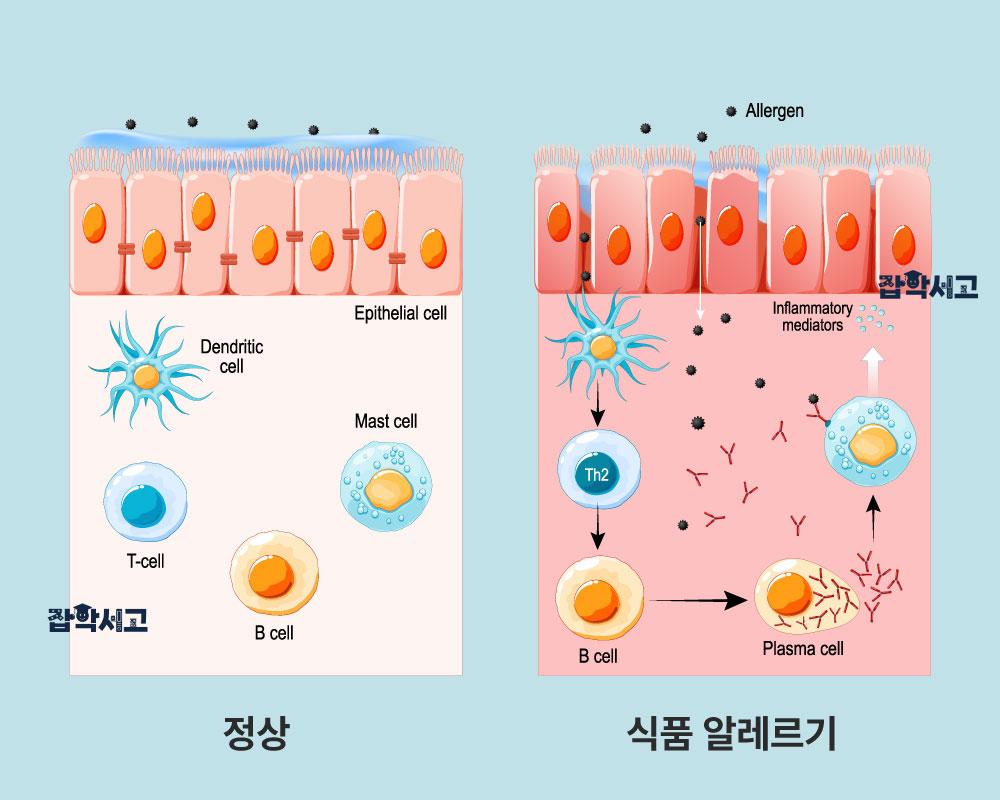 How Food Allergies Develop
Food allergies are caused by proteins found in certain foods. The body's immune system may mistakenly identify these proteins as a threat, triggering an allergic reaction.
The body releases chemicals in an attempt to render these proteins harmless, and the release of these chemicals causes allergy symptoms. Food allergies can arise from genetic or environmental factors.
Symptoms of Food Allergies
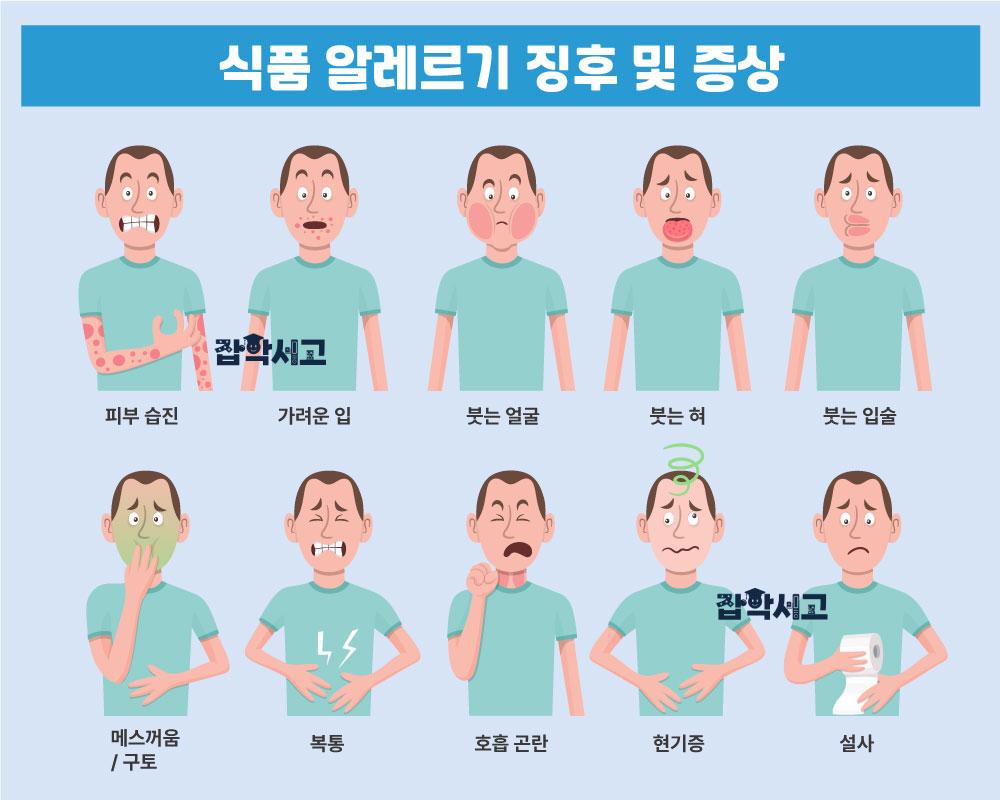 Various Symptoms of Food Allergies
Food allergy symptoms differ from person to person and can range from slight discomfort to a severe allergic reaction known as anaphylaxis. Common examples of allergy symptoms are listed below.
Skin symptoms: Rashes, itching, hives, or swelling are common skin symptoms.
Digestive symptoms: These include vomiting, diarrhea, and abdominal pain.
Respiratory symptoms: Nasal congestion, coughing, chest tightness, or difficulty breathing may occur.
Other symptoms: These also include headaches, dizziness, and an increased heart rate.
Anaphylaxis, in particular, is an acute and severe allergic reaction that can cause the throat to swell and make breathing difficult, and may even lead to fainting or death. When symptoms of a food allergy appear, seek medical help immediately.
Allergy Prevention and Management
Prevention
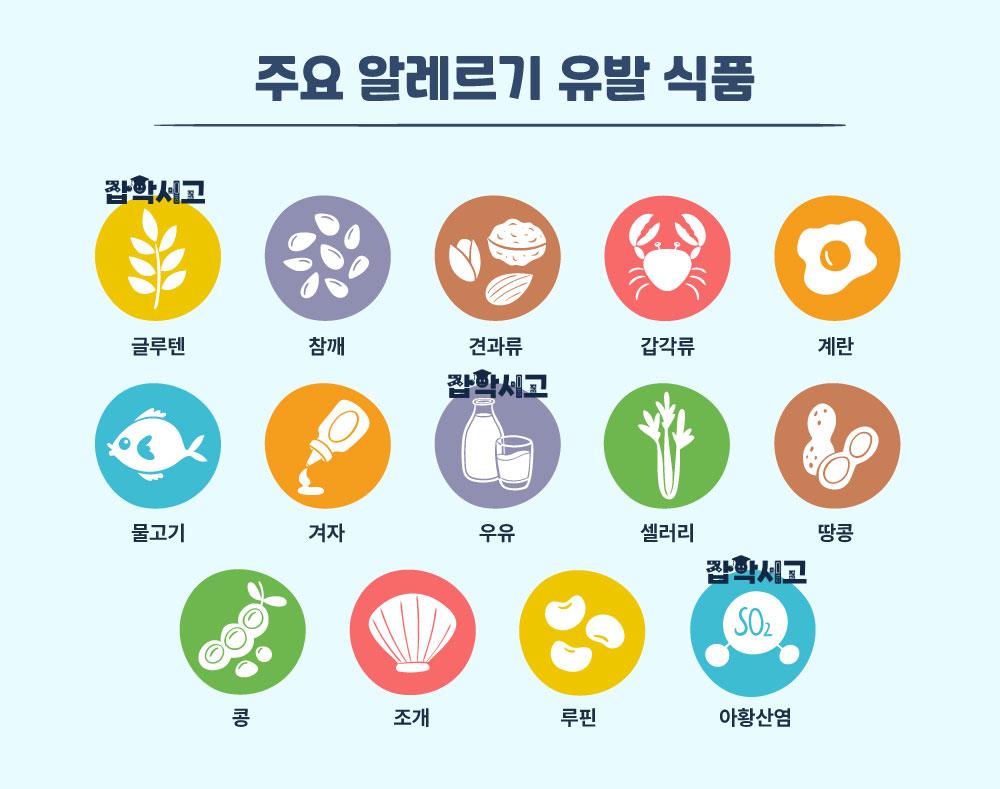 Major Foods That Trigger Allergies
Preventing food allergies is not easy. However, several methods can help reduce the risk.
Food diary: Keeping a record of the foods you eat can help you identify which foods trigger allergy symptoms.
Allergy testing: It is advisable to undergo allergy testing as directed by a doctor to identify your allergies. Allergies can be confirmed through methods such as blood tests, skin tests, and challenge tests.
Vaccination: You can consult a doctor about receiving vaccinations to prevent allergies.
Check food labels: When purchasing products, always check the food label for information on foods that trigger allergies.
Management
 It is advisable to avoid the relevant foods and carry emergency medication.
Allergies can be difficult to cure completely, but several management methods can relieve symptoms and improve daily life.
Food avoidance: Avoiding foods that trigger allergies is the most basic and effective management method. Be careful, as foods that trigger allergies may be introduced not only through ingredients but also during cooking or processing.
Medication: You can take medication to relieve allergy symptoms as prescribed by a doctor.
Emergency treatment: If a severe allergic reaction occurs, immediate emergency treatment is necessary. For example, it is advisable to always carry an epinephrine auto-injector.
Education and awareness: Provide people with allergies and their families and friends with education and awareness about allergies so that they can respond immediately when an allergic reaction occurs.
These methods can help prevent and manage food allergies and contribute to maintaining a safer and more comfortable life.
How to Choose Suitable Foods
 Foods Associated with Allergies
Choosing suitable foods is very important for people with food allergies. Doing so can help them avoid allergy symptoms and maintain their health. The following are several approaches that people with food allergies should consider when choosing foods.
Check Allergy Information
Always check food labels to see whether they contain ingredients that may trigger allergies. Also, when ordering food at a restaurant, ask whether it contains ingredients that trigger allergies and, if necessary, request that foods that trigger allergies be left out.
Find Safe Alternatives
Look for alternatives to foods that trigger allergies. For example, if you have a milk allergy, you can generally choose soy milk or almond milk.
Be Aware of Cross-Reactivity
Some foods contain proteins similar to those in other foods and can cause cross-reactivity. For example, people with pollen allergies may experience allergy symptoms in response to certain fruits or vegetables.
Consult an Expert
Consult a dietitian or allergy specialist to learn how to choose foods that are safe and nutritious for you.
Understand Innate Predispositions
If someone in your family has allergies, you may be more likely to have similar allergies, so caution is necessary.
Watch for Changes
Food manufacturers may change their ingredients, so always check labels and contact the manufacturer if necessary.
This article has explored the causes, symptoms, and management of food allergies. Through this article, you can gain a basic understanding of food allergies.
Because allergies can reduce quality of life and sometimes cause serious health problems, it is important to know how to prevent and manage them.
By following the recommendations for allergy prevention and management, as well as for choosing suitable foods, people with allergies can lead safer and healthier lives.