Picture a student who moves to a new country every few years with parents who work as diplomats or at international organizations. Because every country has different textbooks and exams, it is hard to get proper credit for your grades when applying to university, no matter where you finish high school. It is as if you had to restart your studies every time you move. Born out of this very problem, the ‘International Baccalaureate’ created a single curriculum and exam that are accepted by universities anywhere in the world.
Put simply, the International Baccalaureate means ‘the international curriculum and graduation qualification created by a nonprofit education foundation headquartered in Geneva, Switzerland.’ It is usually shortened to IB; it was founded in 1968 and is now offered in public and private schools in many countries around the world.
In this article, we will look in turn at how the International Baccalaureate came about, the structure of its flagship Diploma Programme, how it is scored, and how it came into Korea’s public education system.
A Curriculum That Crosses Borders: The International Baccalaureate
How Did the International Baccalaureate Begin?
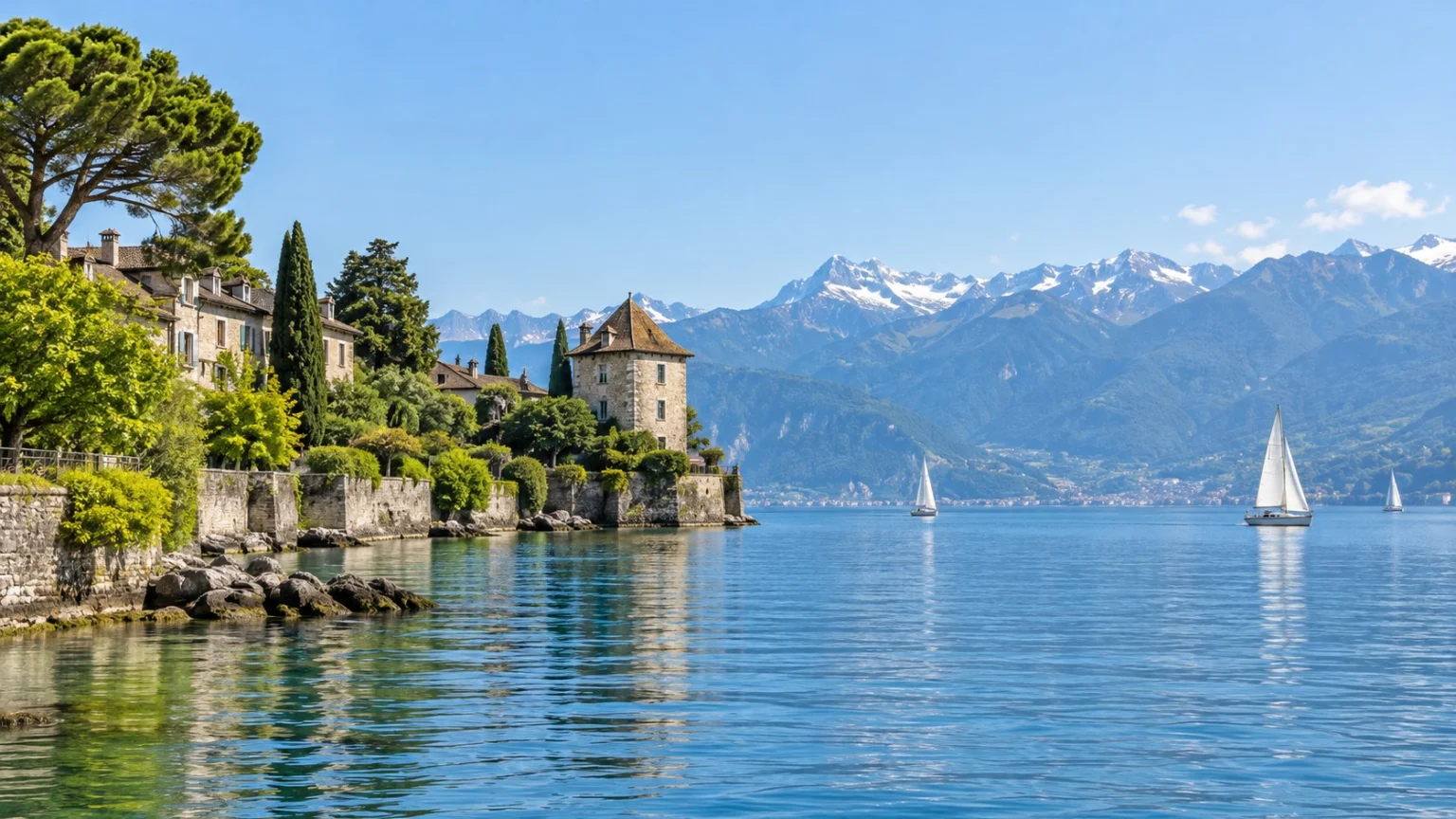
The International Baccalaureate was born from the practical concerns of teachers at international schools. At schools where students from many countries share a classroom, it was hard to send students to university on the basis of any single country’s exams.
(1) The experiment at the International School of Geneva
In the mid-1960s, educators at the International School of Geneva took the lead in forming a group to prepare a curriculum and exams that international schools could share. This group grew until, in 1968, the International Baccalaureate office opened in Geneva, and its headquarters is still there today.
(2) A pilot that started with twelve schools
The first Director General was Alec Peterson, an education scholar at the University of Oxford. In 1968, twelve schools in twelve countries joined the Diploma Programme, and after a pilot period that lasted until 1975, it became established as a full programme.
(3) Expanding into four programmes
At first there was only a programme for high school students, but a programme for middle school students was formally added in 1994 and one for primary school students in 1997, and in 2012 a programme linked to career paths was added. So today it runs four programmes covering ages 3 to 19.
How the Diploma Programme Is Structured

When people say IB, they usually mean the Diploma Programme, which students aged 16 to 19 complete over two years. It is designed so that students study many subjects broadly while digging deep into a few.
(1) Six subject groups
Students usually choose one subject from each of six subject groups: language and literature, foreign languages, individuals and societies, sciences, mathematics, and the arts. Instead of the arts, they can also take one more subject from another group.
(2) Higher and standard levels
Of the six subjects, three or four are taken at the higher level, studied in depth, and the rest at the standard level. Students often choose the fields they want to study at university as their higher-level subjects.
(3) Three core elements
Besides their subjects, there is a shared core that every student must complete.
- Theory of Knowledge: a class that examines what our grounds are when we say we know something.
- Extended Essay: students choose their own topic, research it, and write an essay of up to 4,000 words (based on English).
- Creativity, Activity, Service: students regularly take part in artistic activities, sports, and service outside the classroom.
How Is It Scored?

Assessment in the Diploma Programme does not end with a single exam. It combines assessment done inside the school with assessment taken outside it.
(1) Internal and external assessment
In each subject, the teacher first marks internal assessments such as lab reports, presentations, and inquiry projects, and external moderators then check those marks. At the end of the programme come written exams taken at the same time all over the world.
(2) A maximum of 45 points
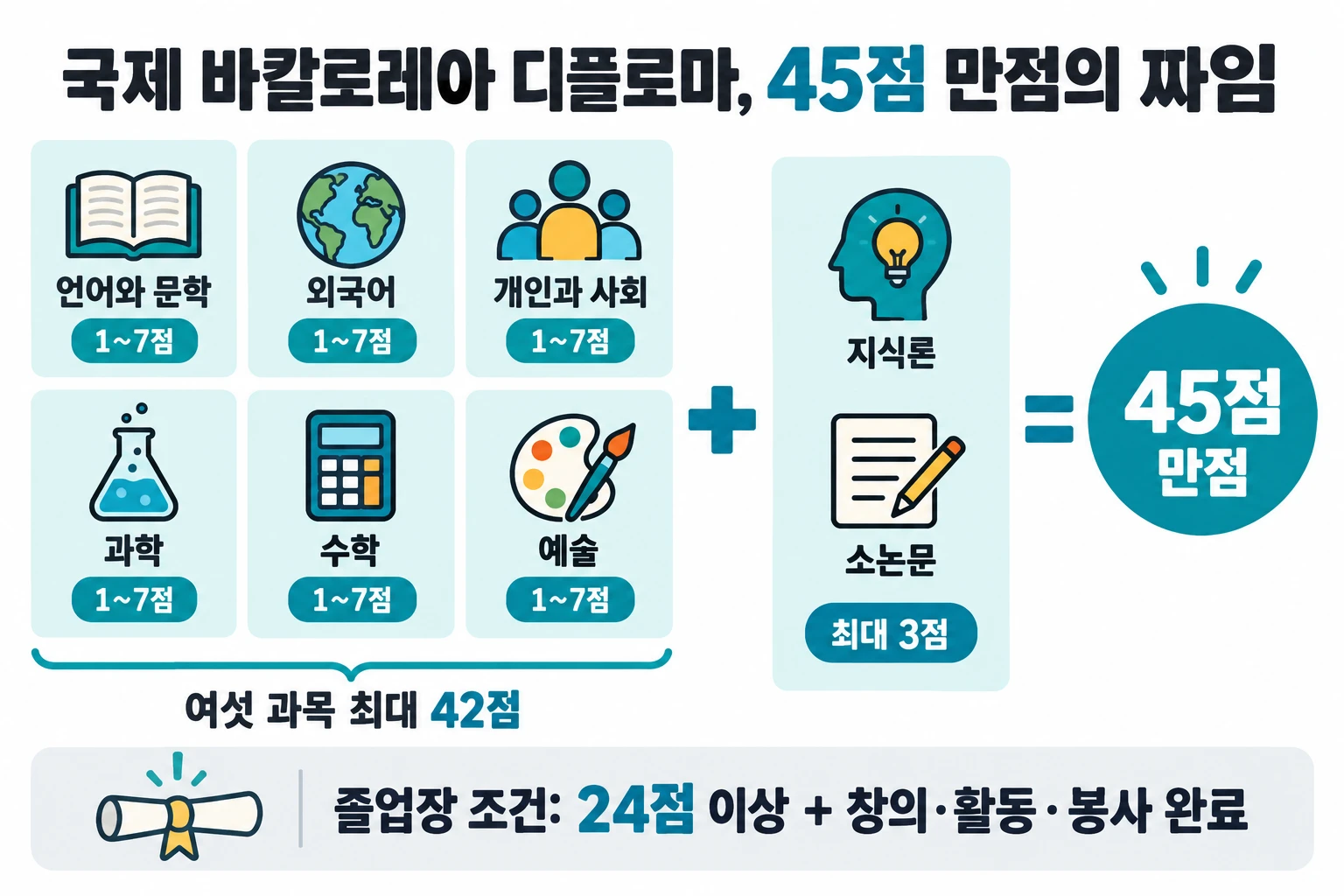
Each of the six subjects is scored from 1 to 7 points, for a maximum of 42 points, and up to 3 more points are added based on the results of Theory of Knowledge and the Extended Essay, making a maximum of 45 points.
(3) Conditions for receiving the diploma
To receive the diploma, students need a total of at least 24 points and must complete all of Creativity, Activity, Service. Even with enough points, no diploma is awarded if a student gets 1 point in any subject or fails to complete the core elements.
The International Baccalaureate Comes to Korea
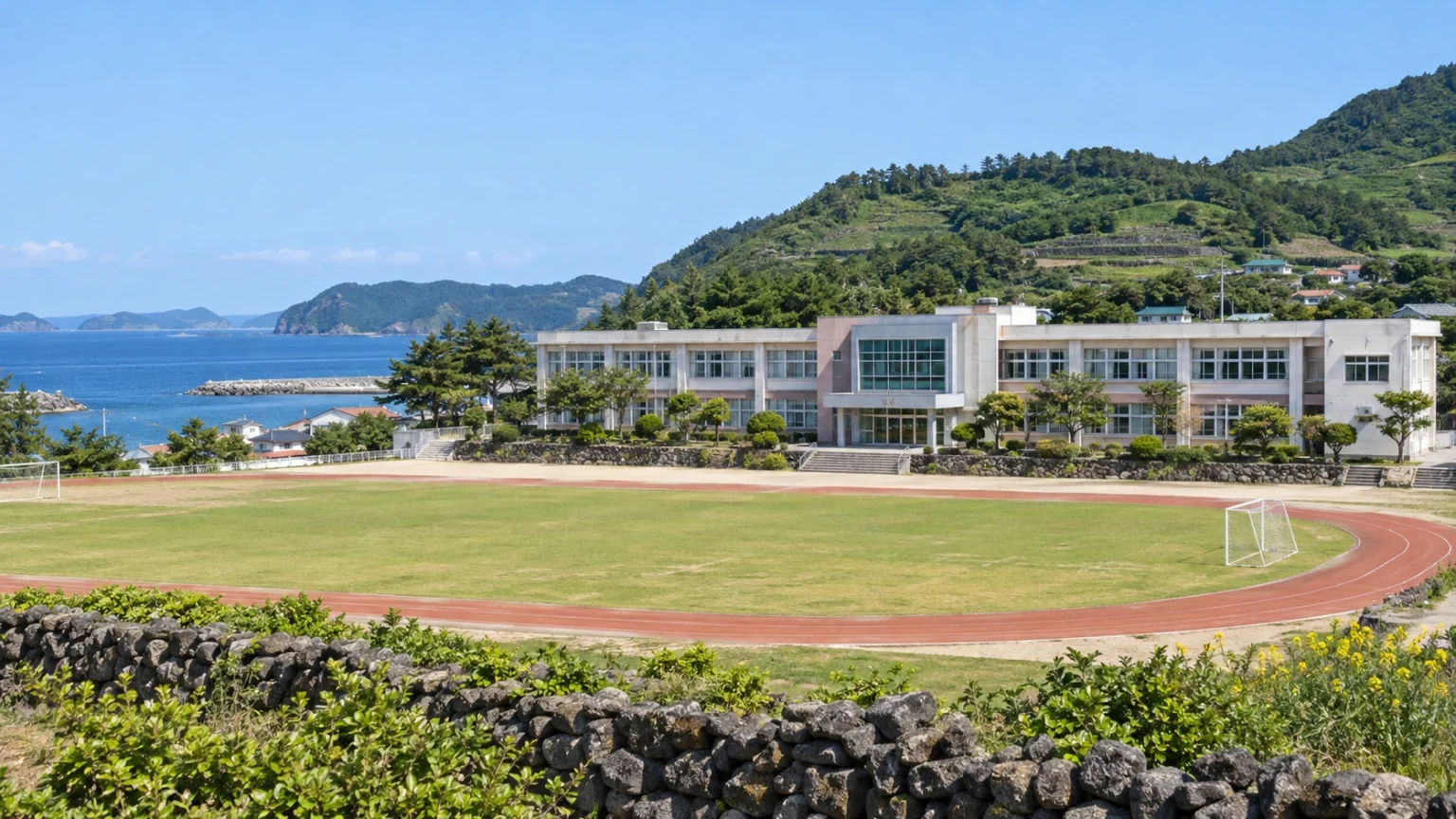
For a long time, the International Baccalaureate was seen as a programme for foreign and international schools. Then, amid efforts to change how teaching and assessment work in public education, it came into Korea’s public schools as well.
(1) Exams taken in Korean
In 2019, the Jeju and Daegu offices of education announced that, together with the International Baccalaureate organization, they would work toward teaching and assessing some Diploma Programme subjects and core elements in Korean. The move followed Japan, which introduced a Japanese-language programme at the national level in 2013.
(2) Changes in public schools
As ordinary high schools in rural towns, such as Pyoseon High School in Jeju, became International Baccalaureate schools, the programme widened from a special education for a few students into one of the choices in local public education.
(3) Challenges that remain
Teaching and assessment centered on essays and discussion require skilled teachers and a marking system. That is why some say that issues such as teacher training, costs, and the link to university admissions must be worked out together.
The International Baccalaureate began as a diploma problem for students moving between countries, but today it has become a model of education that asks how you think and express yourself rather than what you have memorized. The experience of studying many subjects broadly while asking your own questions and working them out in writing is useful no matter which country you study in.
Practicing how to state your own thoughts with reasons rather than picking the right answer — that is the first step in an education that leads to learning recognized anywhere in the world.