For most children, the first place they spend several hours a day away from home is a kindergarten. There, children sing songs, stack blocks, water flowerpots, and learn how to quarrel with friends and make up again. This scene, where play comes before letters or numbers, is so familiar today that it feels as if it has always existed.
Yet the idea that young children should have a school of their own is less than 200 years old. Before that, early childhood was often regarded as time simply let pass before a child started school. There was one person who first created a place that saw play itself as learning and raised children like plants in a garden, and the name he gave it was “kindergarten.”
In this article, we will look in turn at how the German educator Fröbel opened the first kindergarten, the play materials he created known as the gifts, how kindergartens overcame a ban to spread around the world, and how kindergartens began in Korea and what they look like today.
A Garden of Children Who Learn Through Play
Fröbel and the First Kindergarten
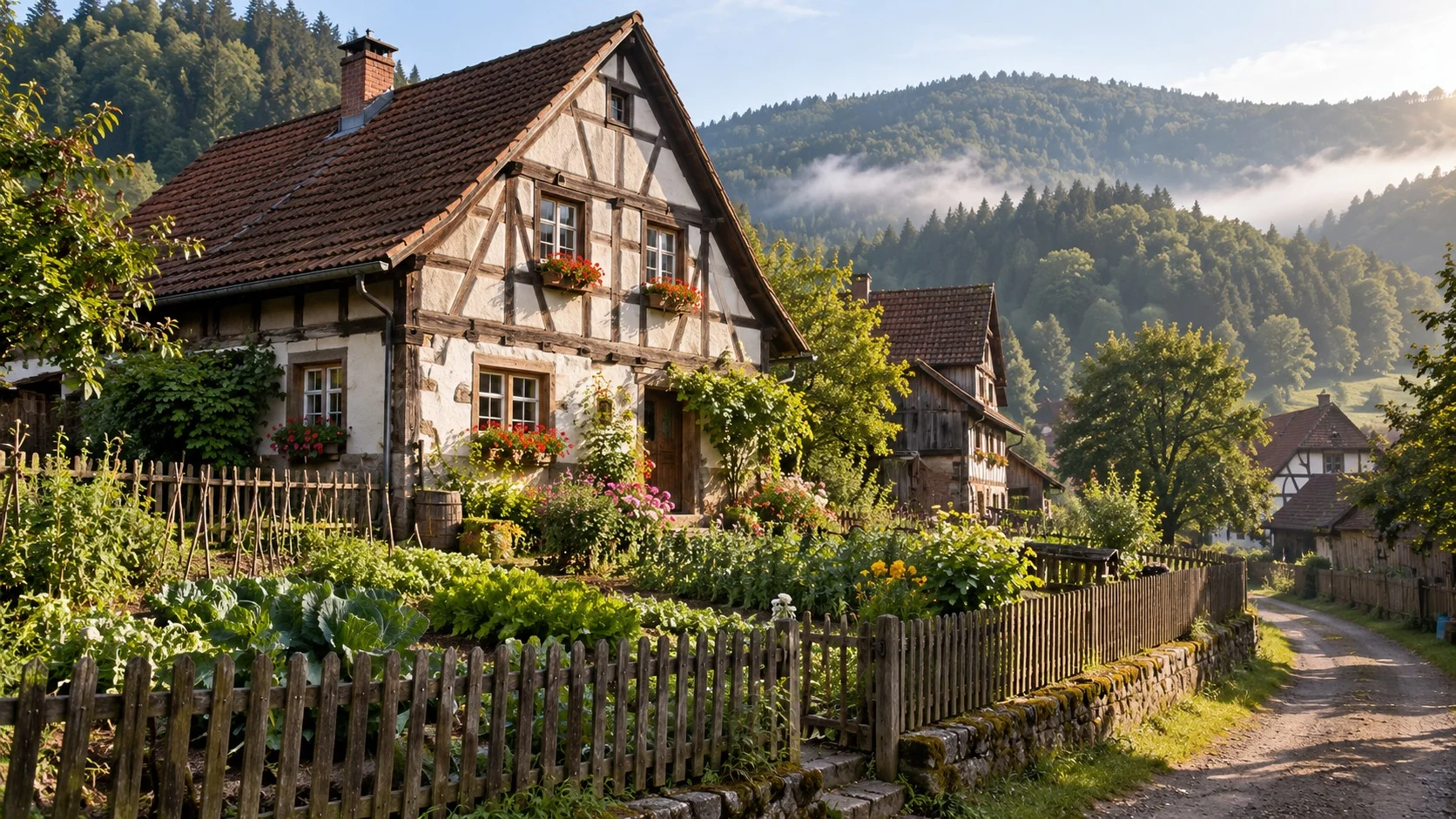
The person who created both the word and the institution of the kindergarten was the German educator Friedrich Fröbel. After studying under the Swiss educational reformer Pestalozzi, he devoted his life to the education of young children.
(1) Ideas Drawn from Forests and Crystals
Having worked as an apprentice forester in his youth, Fröbel loved nature deeply. While sorting crystals at a mineralogical museum, he sensed that even a single stone has an order by which it grows, and he came to believe that people, too, grow according to laws of their own.
(2) The Play School of 1837
In 1837, Fröbel opened a “play and activity institute” for young children in Bad Blankenburg, Germany. The children spent their days there singing, dancing, tending a vegetable garden, and playing games they chose for themselves.
(3) The Name “Children's Garden”
On June 28, 1840, he renamed the school “Kindergarten.” Combining the German words for child (Kind) and garden (Garten), the name expressed the idea that children, like plants in a garden, grow on their own when given care.
The Gifts: Teaching Through Toys

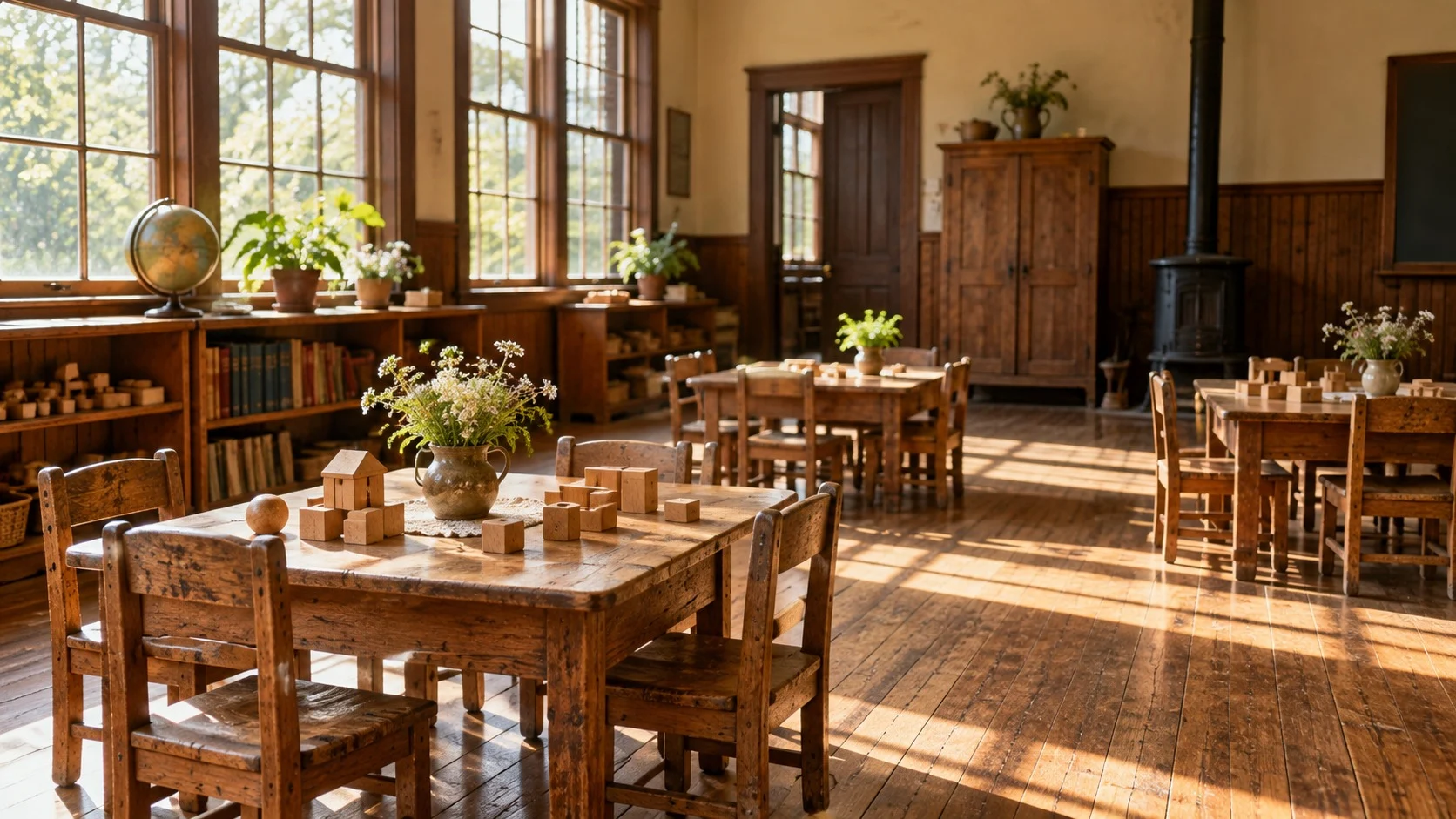
Fröbel designed special toys so that children could grasp the shapes and order of the world by handling them. He called them “play gifts” (Spielgabe), and they are known in English as the Froebel gifts. The gifts are numbered so that they can be given in order, from simple to complex.
- Gift 1: Yarn balls small enough for a baby's hand; by rolling, hiding, and finding them again, children learn about color and movement.
- Gift 2: A wooden sphere and cube that let children feel the difference between something that rolls and something that stays in place.
- Gift 3: A cube divided into 8 smaller cubes; by taking it apart and putting it back together, children learn about parts and the whole.
- Gift 4: It looks the same as Gift 3 on the outside, but it is divided into 8 oblong slabs, so the shapes that can be built become far more varied.
Among the children who played with these blocks was Frank Lloyd Wright, who later became an architect. Recalling that the maple-wood blocks he handled as a child were still in his fingers, he said he had learned the geometry of architecture from kindergarten play.
Overcoming a Ban to Reach the World
The kindergarten did not have an easy time growing up in Germany. Instead, it spread around the world precisely because it was pushed out of the country.
(1) The Prussian Ban on Kindergartens
After crushing the Revolution of 1848, the Prussian government grew wary of new ideas. In 1851, it banned Fröbel-style kindergartens on the grounds that they spread dangerous ideas, and the measure spread to other German states as well. Fröbel died the following year, in 1852, and the ban was not lifted until 1860, thanks to the efforts of his followers, including Baroness Marenholtz-Bülow.
(2) Teachers Who Crossed the Sea
Because of the ban, teachers trained by Fröbel scattered to many countries. In 1856, Margarethe Schurz opened America's first kindergarten, taught in German, in Watertown, Wisconsin.
(3) Into the School System
In 1860, Elizabeth Peabody founded the first English-language kindergarten in Boston, and in 1873, the first publicly funded kindergarten opened in St. Louis. The kindergarten gradually became the first step of the formal education system.
Kindergartens in Korea and Today
Kindergartens arrived in Korea in the early 20th century. Their beginnings carry both the shadow of the colonial era and hopes for a new kind of education.
(1) Gyeongseong Kindergarten
In 1913, Gyeongseong Kindergarten opened in Seoul for Korean children. Founded mainly by pro-Japanese officials and wealthy families, it held classes in Japanese and taught Japanese-style manners.
(2) Ewha Kindergarten
In January 1914, the American educator Charlotte Brownlee opened Ewha Kindergarten in Jeong-dong, Seoul, with 16 children. The following year it also added a course to train kindergarten teachers, and it is regarded as the root of early childhood education in Korea.
(3) Kindergartens Today
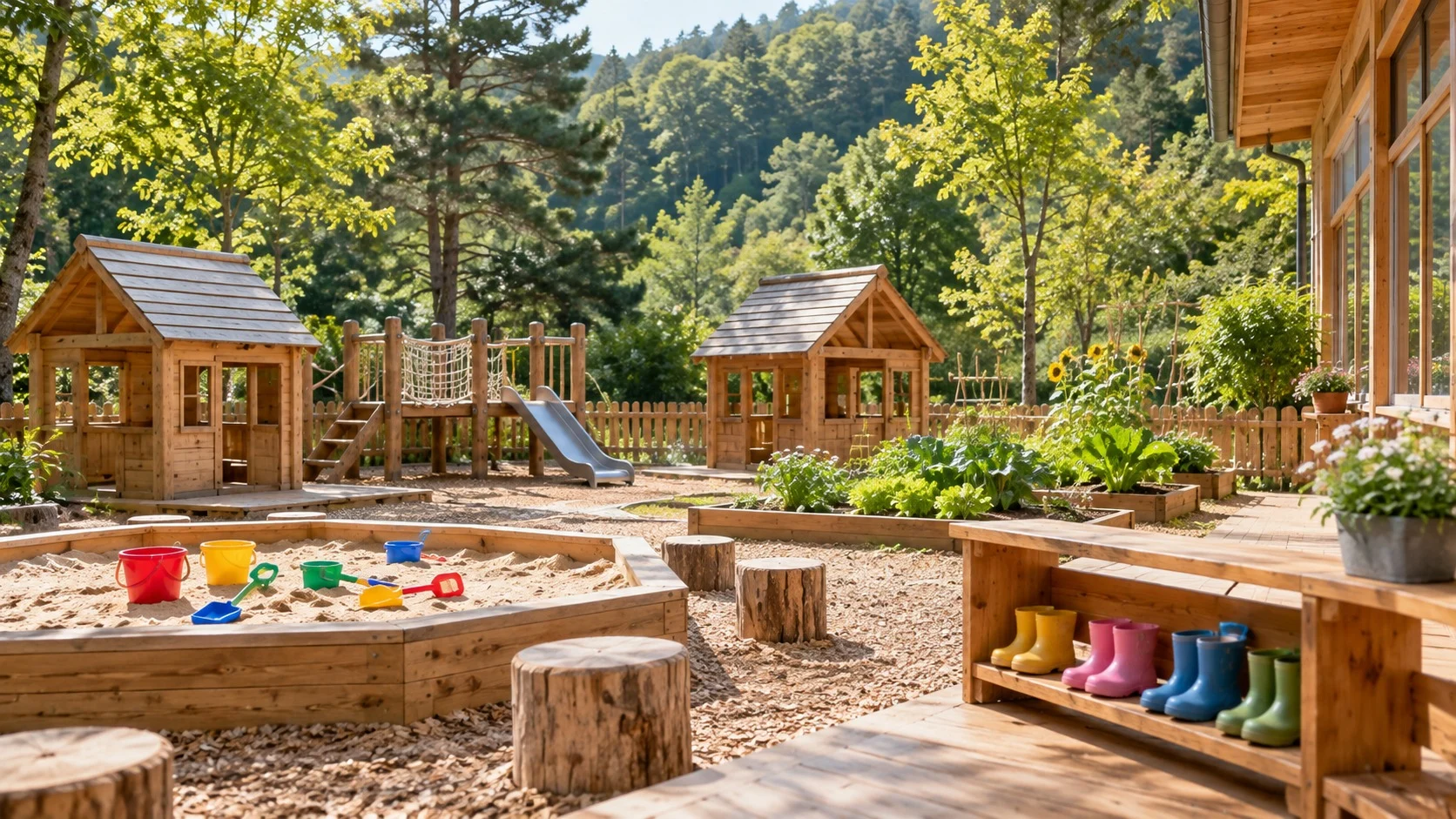
In Korea today, children usually attend kindergarten from age 3 to age 5. Efforts to revive Fröbel's emphasis on play and nature in new ways also continue, such as forest kindergartens where children spend most of the day outdoors in nature.
The kindergarten transformed early childhood from empty time before school into a precious period of learning in its own right. Through the play of stacking blocks and knocking them down, children discover both the order of the world and themselves.
Tending a garden where children can grow on their own is the first step in the pedagogy of understanding how we learn.