Special education is an educational program designed for students who have special educational needs related to their individual learning abilities, physical abilities, sensory abilities, behavioral abilities, or communication abilities.
It involves adapting educational programs to students' individual abilities and needs, and educators play an important role in guiding this process.
This article will discuss the need for special education, the important role of educators in this field, and the future prospects and challenges currently facing special education.
What Is Special Education?
 What Is the Concept of Special Education?
Special education refers to providing tailored education for students with special educational needs. These students may differ from other students in areas such as learning abilities, physical abilities, sensory abilities, behavioral abilities, or communication abilities.
Special education adapts and supports educational programs by considering these students' individual abilities and needs. Through this, it helps students achieve the greatest possible learning benefits.
The Need for Special Education
 Why Is Special Education Needed?
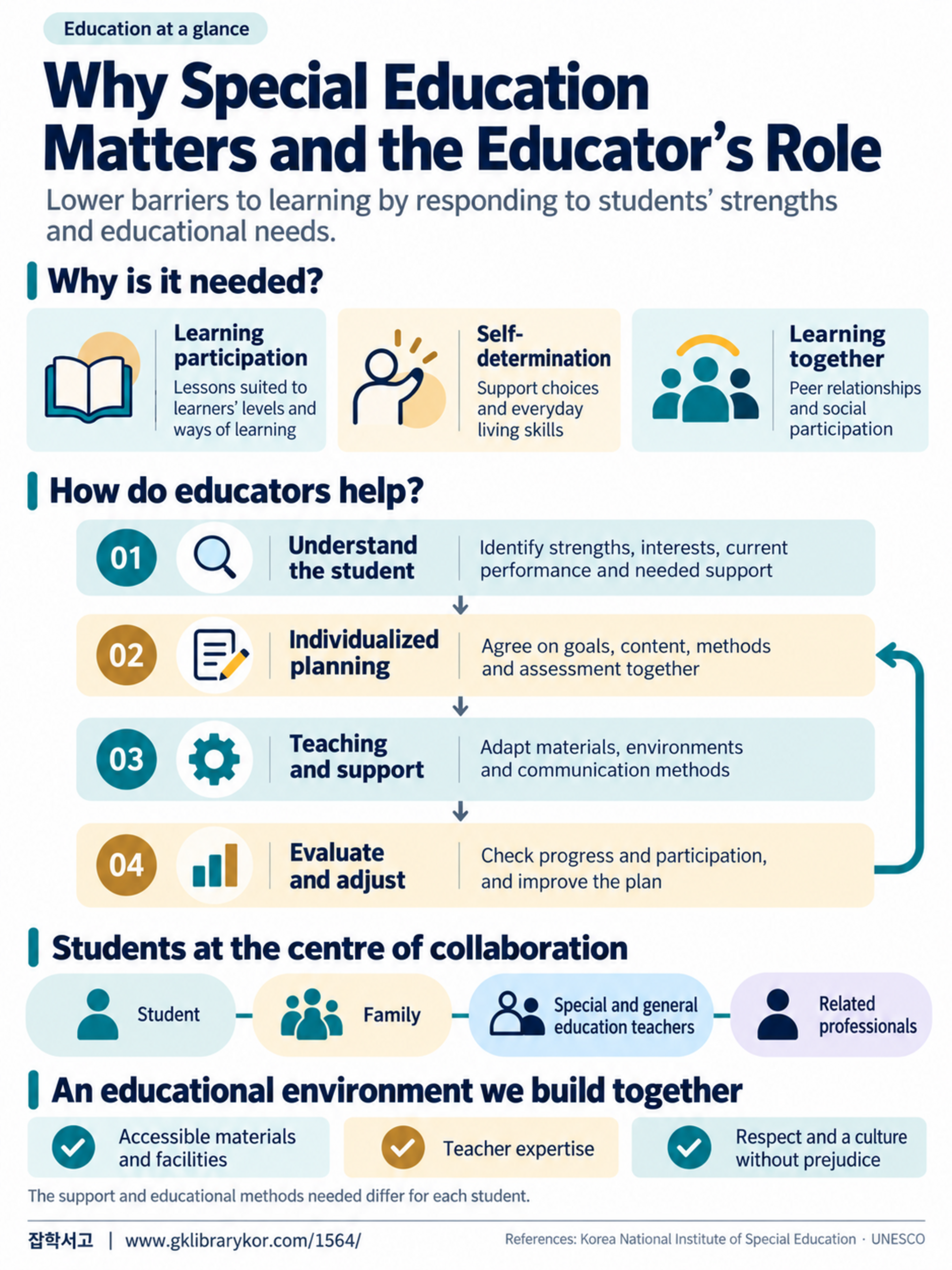
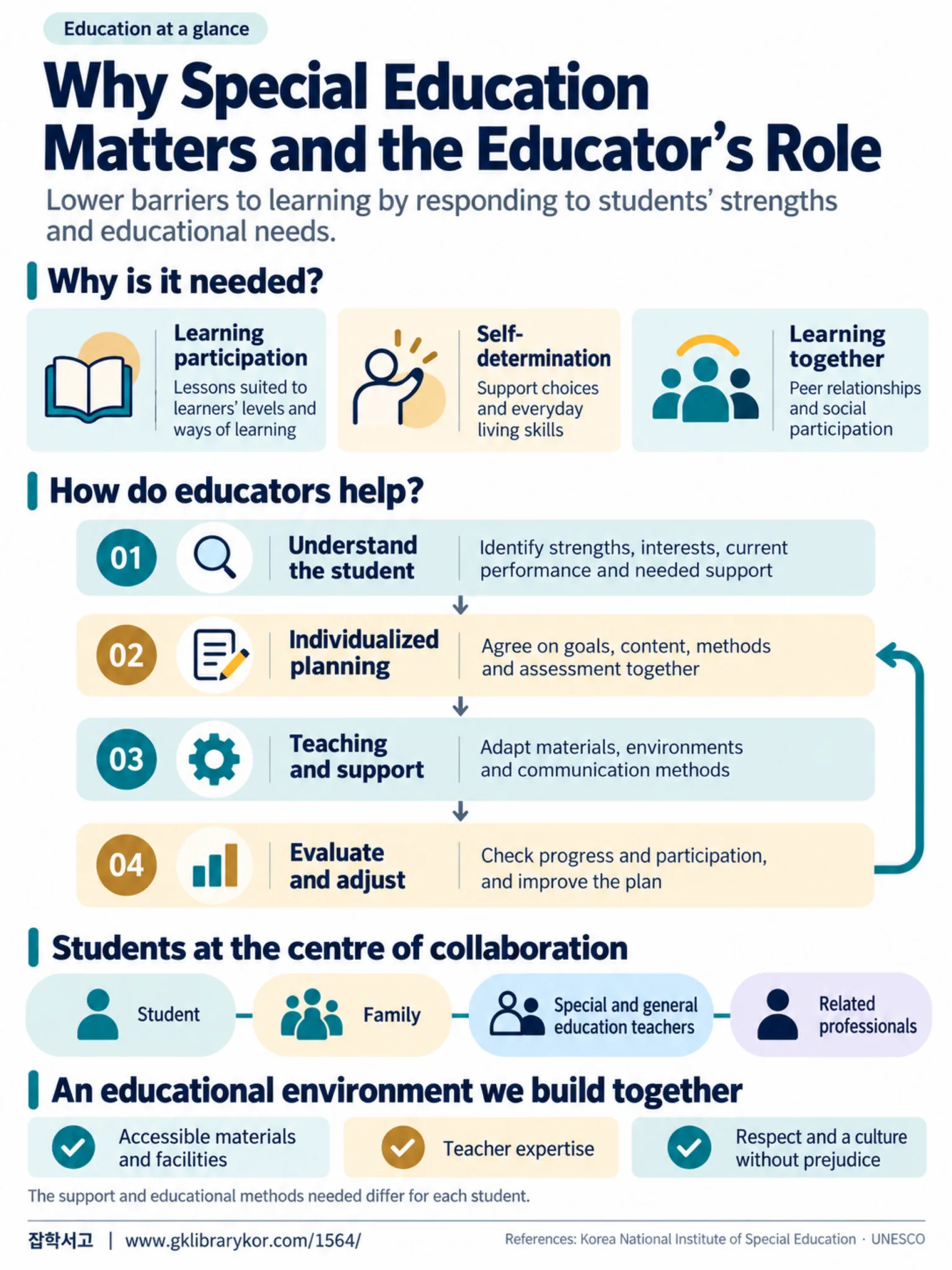
The need for special education is considered important in several respects, and special education has beneficial effects on educators, students, and society as a whole. The following outlines various aspects of the need for special education.
Education Tailored to Individual Needs and Abilities
Special education is needed to develop students' limited abilities, and because this is difficult to achieve through general education plans, it provides specially designed education.
Improving Independent Living Skills
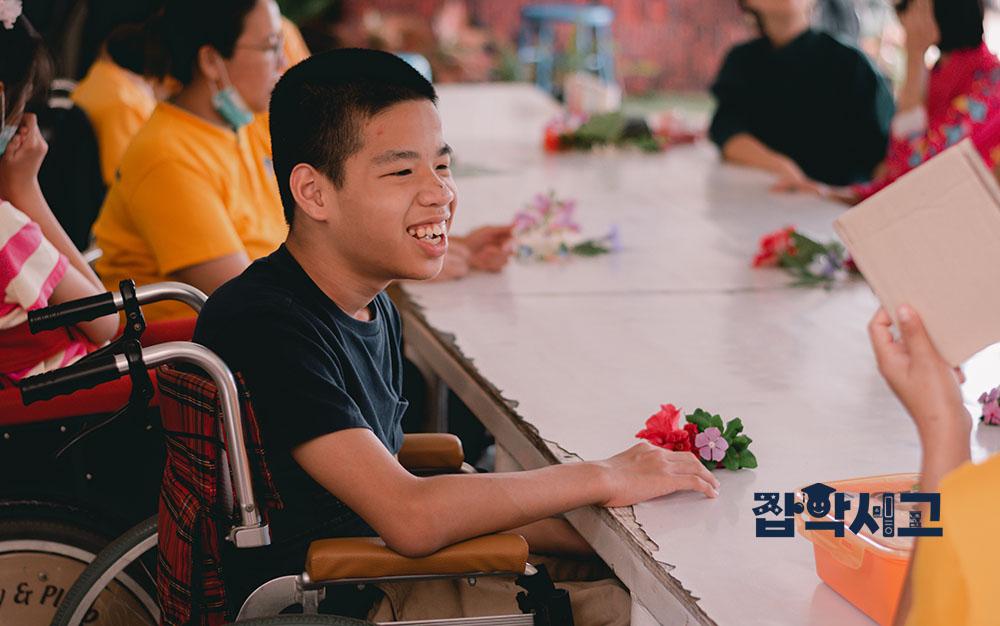
Special education helps children with special needs live independently. This enables people with disabilities to make choices about and manage their own lives.
Enabling a Productive Life
Special education helps people with disabilities contribute to their households' livelihoods or their local communities by enabling them to engage in productive work that can generate income.
Enabling an Integrated Life
Special education helps people with disabilities live integrated lives, meaning that it helps them participate in various areas of society.
Improving Young Children's Development and Family Well-Being
Early childhood special education provides professional assistance to support the development of children with disabilities under the age of 6 or children at a relatively high risk of disability, and to improve their families' well-being.
Special education contributes not only to students' individual success but also to their social participation, independence, and overall quality of life, ultimately benefiting society as a whole.
The Role of Special Education Educators
 What Roles Do Special Education Educators Play?
Strengthening Educators' Qualities for Sound Character Education
The role of special education teachers includes subject instruction and character education, with a focus on imparting knowledge and nurturing people of good character.
To strengthen special education teachers' competencies, students' characteristics call for greater emphasis on teachers' own character and personal qualities, while their external educational environment requires stronger structural foundations.
Special education teachers must always maintain sound thinking, democratic values, and a positive attitude, and they must have extensive knowledge and information about the subjects they teach and know how to use teaching methods.
They must also maintain their physical health and lead by example through research and training to improve their teaching abilities.
The Roles of Intervention and Instruction
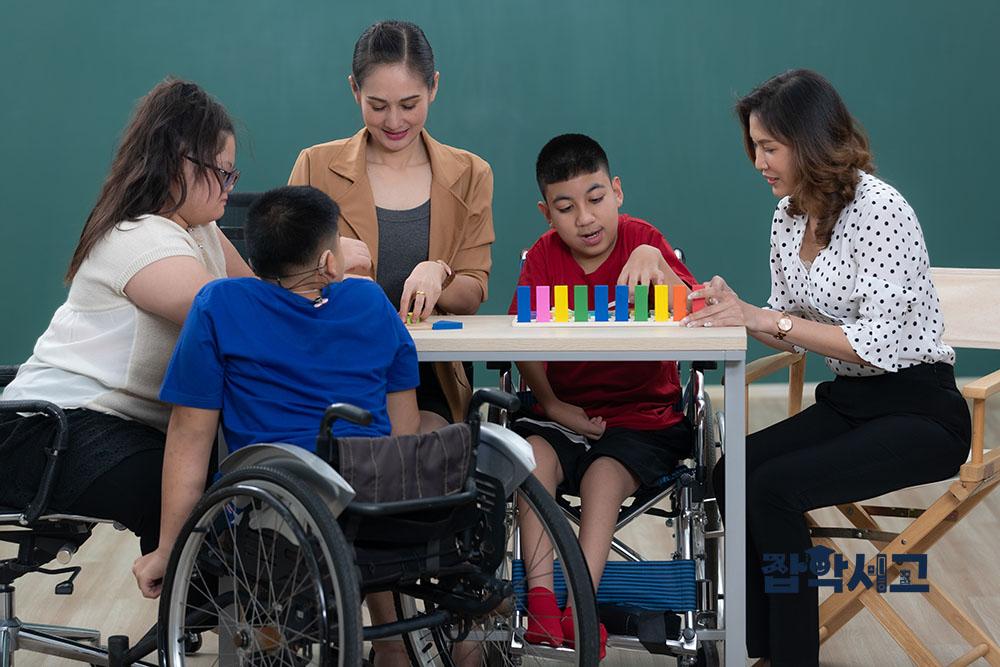
Special education teachers also take on the roles of intervention and instruction for children with special needs. This includes services that provide the human and material resources necessary to educate those eligible for special education effectively.
These services include counseling support, family support, therapy support, support from auxiliary personnel, assistive technology device support, learning aid device support, school transportation support, and support for access to information.
Teaching Adaptability to Social Change
This also includes helping those eligible for special education adapt to the social changes of the 21 century through changes in the special education system. This requires viewing the characteristics of those eligible for special education as individuality, and a knowledge-based society requires the ability to learn by reprocessing various kinds of information to create new knowledge.
Viewed in this way, the role of special education teachers is very important and requires support and effort in many different areas.
What Are the Prospects and Challenges for Special Education?
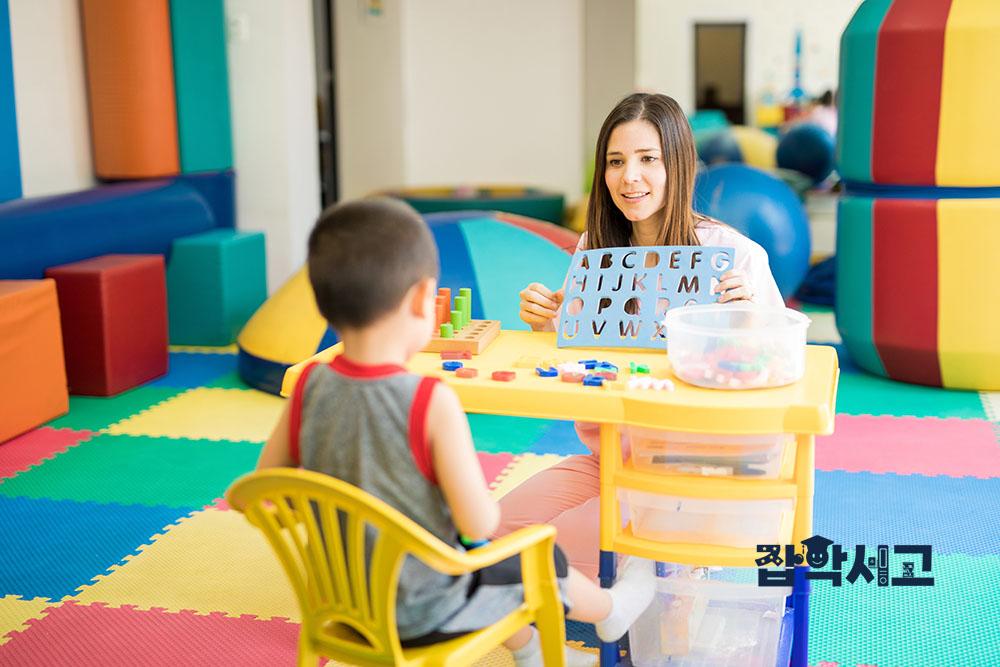 Greater awareness of and support for special education are needed.
Special education is an important field that provides tailored education to students who experience learning difficulties, improving their learning experiences and laying the groundwork for personal and social success.
The prospects for special education depend on various factors, including technological advances, policy changes, and changes in social perceptions, and these can have positive effects on nations, local communities, educational institutions, educators, students, and their families.
Prospects for Special Education
Expanding Educational Opportunities
To expand opportunities for special education, efforts are underway in Korea to diversify special schools so that they can address imbalances across school levels and regions and offer specialized and professional curricula. Through these efforts, the number of special schools offering a range of programs from kindergarten through advanced vocational courses is increasing.
The placement of special education teachers in inclusive classrooms, where students with disabilities and other students are educated together, is also being expanded, further increasing opportunities for special education as part of its development.
For reference, under the Special Education Act for Persons with Disabilities, etc., the national and local governments formulate and implement comprehensive special education plans every 5 years to provide appropriate education.
Population Changes and Technological Advances
The school-age population is declining, while the number of students eligible for special education is increasing each year, and demand for special education during infancy and early childhood is rising due to factors such as changes in perceptions of disability and sensitivity to diagnostic criteria.
As digital transformation accelerates with advances in digital technologies such as artificial intelligence (AI), demand and expectations for tailored education using edtech are also growing.
Challenges in Special Education
A Shortage of Resources
Insufficient administrative and financial support for special education results in shortages of instructional materials, teaching aids, and facilities, while large class sizes make individualized education difficult.
Staff shortages are known to be particularly serious in inclusive classrooms, where 1 special education support staff must assist 32 students eligible for special education.
In addition, demands for new roles and functions are increasing as times and students' needs change, but outdated facilities and equipment and shortages of teaching materials and aids prevent these demands from being adequately met.
Educators' Training and Qualifications
Inadequate professional training for those responsible for special education has been identified as a problem. A shortage of teachers with the specialized knowledge and skills needed for special education can lower its quality and create difficulties in providing education and support for children with disabilities.
Social Perceptions and Attitudes
Negative perceptions of special education and special education students hinder the development of special education. Society's negative attitudes and perceptions can limit special education students' access to education and reduce investment in and support for special education programs and services.
Accordingly, accurately understanding and recognizing the prospects and challenges of special education is essential to the development of this field, and doing so will make it possible to provide better education and support for students who need special education.
The field of special education is constantly evolving, and educators play an important role in appropriately embracing and applying these changes.
However, educators' qualifications and shortages of educational resources remain major concerns. A successful future for special education requires addressing these issues and making continued efforts to provide a better educational environment for educators and students.
Through continued development and investment in special education, providing a better educational environment and strengthening educators' roles will make it possible to better meet the needs and achieve the goals of special education.