You have probably seen a movie scene in which the hero rides a horse across the desert under blue moonlight in the dead of night. Yet many such scenes were not actually shot at night. Very often they were filmed at midday with the sun overhead, and the image was then made dark and blue so that it looks like night.
The term for this technique is ‘Day for Night.’ Put simply, day for night means ‘a filming technique that makes scenes shot in daylight look like night scenes.’ In France, the technique is also called ‘American Night (La Nuit Américaine)’ because it was so often used in American films.
In this article, we will look in turn at why day for night came about, the specific ways it imitates night, representative examples in film, and how it has changed today.
A Fake Night Made at Midday: How Day for Night Works and How It Is Used
Why Shoot Night Scenes in the Daytime?
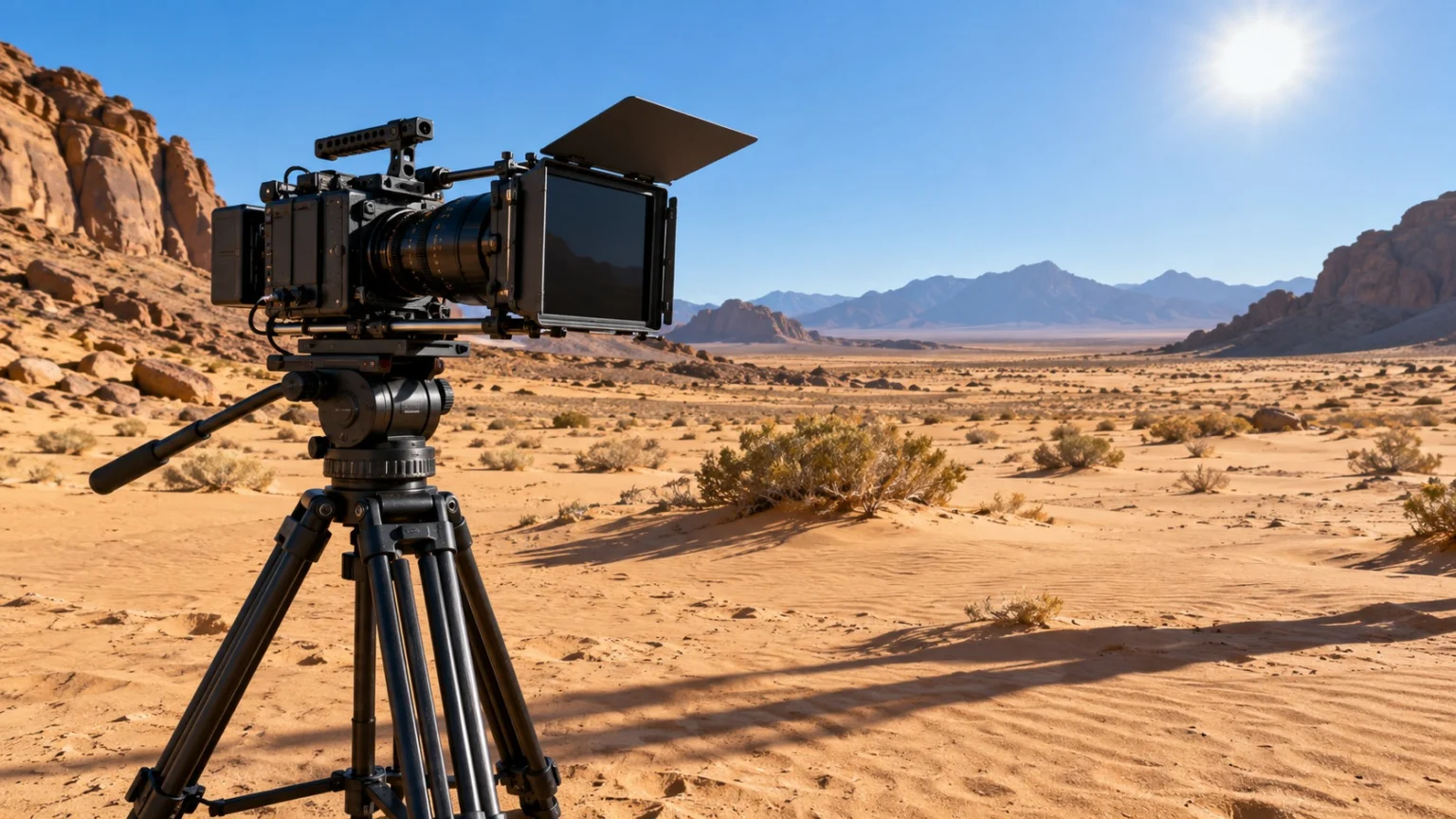
There are clear reasons for deliberately shooting night scenes during the day.
(1) Cameras That Cannot Capture Darkness
Once the human eye adapts to the dark, it can make out its surroundings fairly well by moonlight alone. Film and digital image sensors, however, are not as sensitive to darkness as the human eye. Shoot by moonlight as it is, and the image becomes so dark that neither the actors’ faces nor the surrounding scenery can be seen. Lighting up an entire wide field or desert at night would take an enormous amount of light.
(2) A Matter of Time and Money
All-night shoots are hard on both actors and crew, and lighting equipment and labor costs add up. The time available for shooting is also short. So for a long time, filmmakers have looked for ways to shoot in bright daylight and then make the footage look like night. In the silent film era, night-scene film was sometimes dyed blue in its entirety to signal that it was night.
Four Ways to Create Night
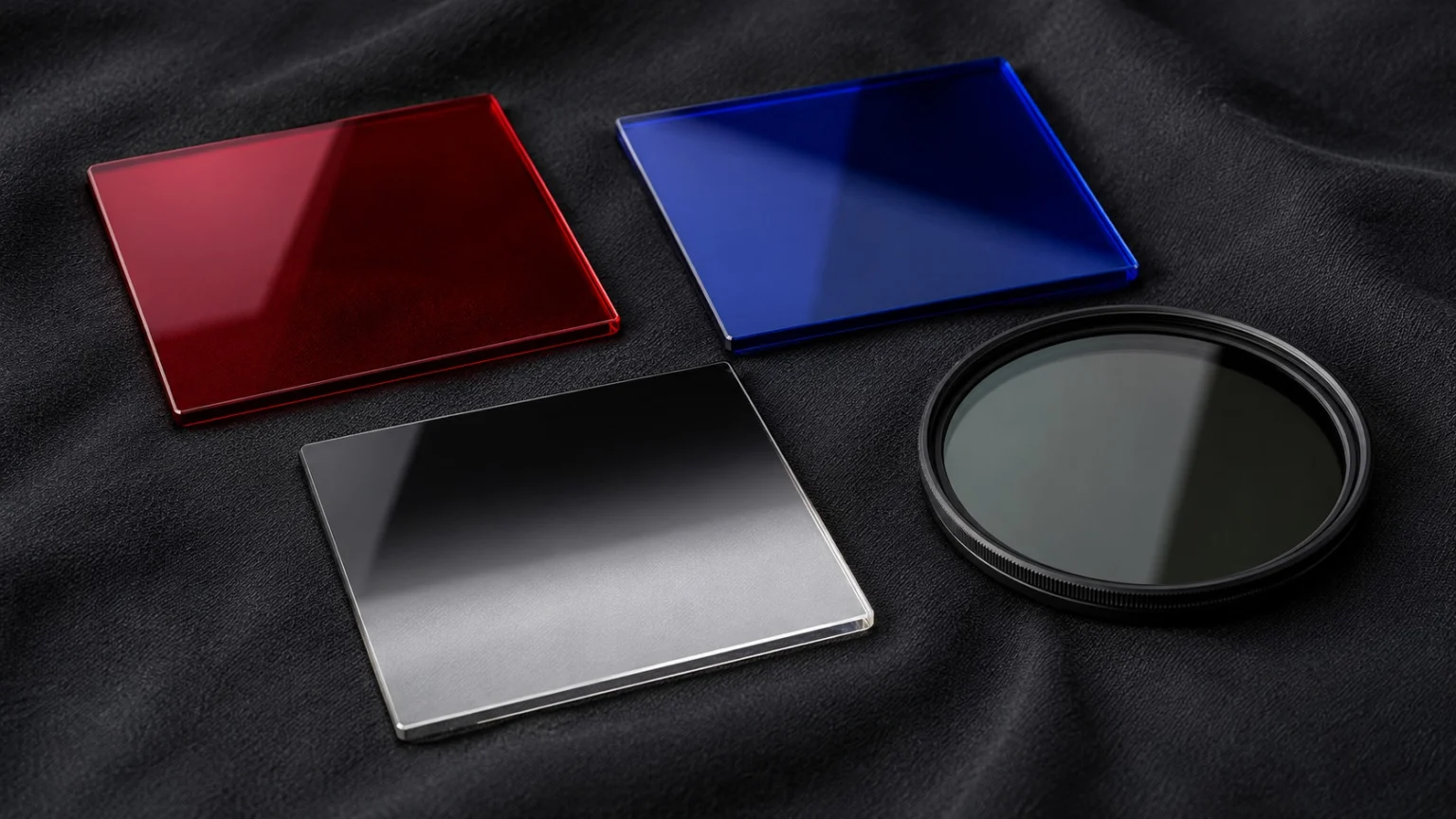
Day for night combines several techniques to turn day into night.
- Underexposure: The shot is taken with less light than usual, darkening the whole image. Exposure is typically lowered by about two stops, together with an ND filter that reduces the amount of light.
- Blue Tint: Because of the Purkinje effect, in which the human eye becomes more sensitive to blue light in the dark, we perceive moonlight as bluish. So a blue tone is added to the image to create a moonlit-night mood.
- Sky Darkening: A bright daytime sky gives the trick away immediately. Black-and-white films used red filters to turn blue skies black, while color footage uses polarizing filters or filters that darken only the upper part of the frame.
- Backlighting: Placing the sun behind the actor creates a thin rim of light around the body’s outline, giving the impression of moonlight. Reflectors are used to gently fill in the shadows so that faces do not become too dark.
In the color film era, filmmakers sometimes deliberately used film made for indoor lighting outdoors in daylight to turn the whole image blue. Shot this way, streetlights and window lights stay white while the rest of the scene is tinted blue like moonlight, making the night feel even more convincing.

Day for Night in Simple Examples
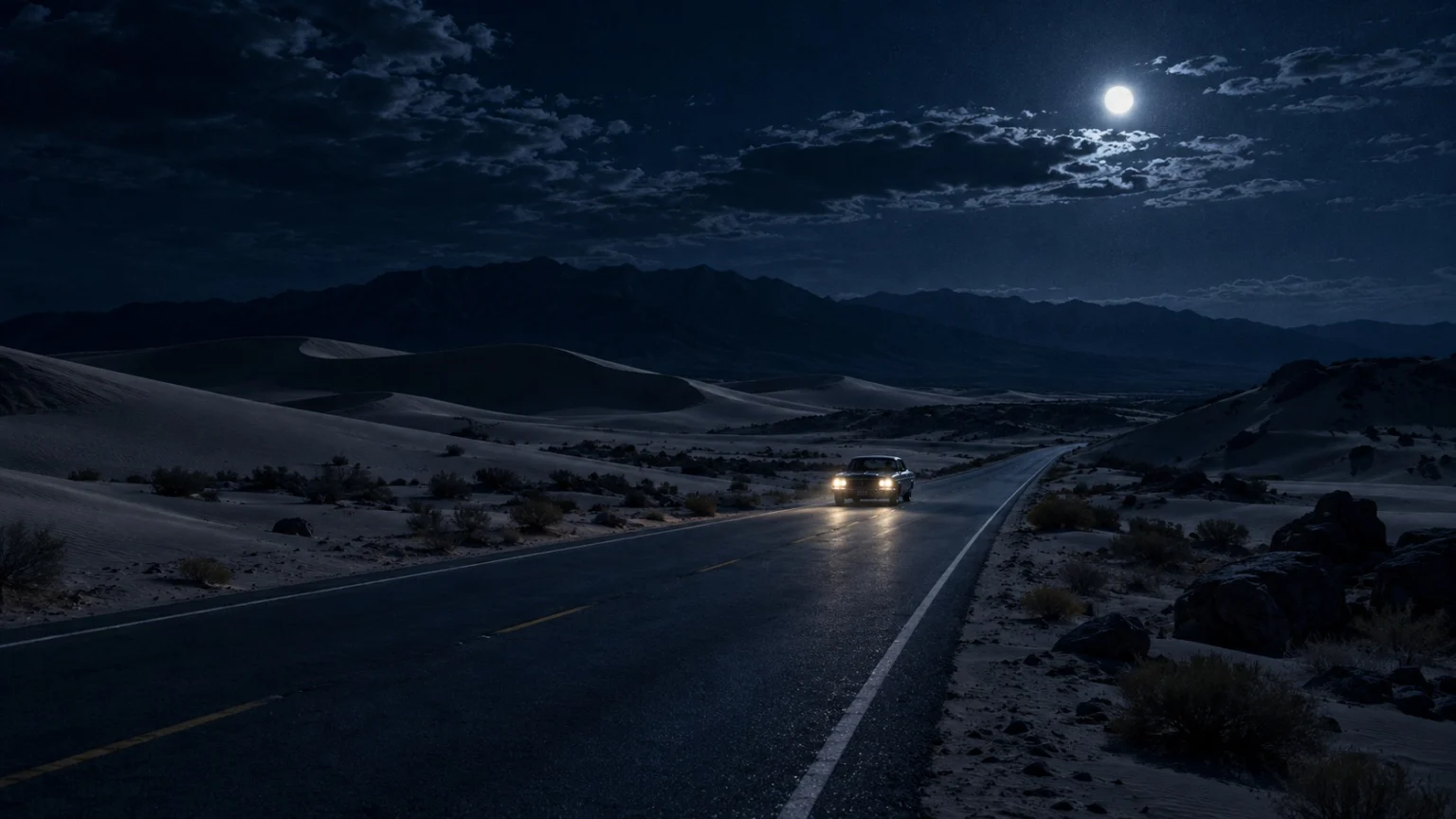
Day for night is so closely intertwined with film history that the technique’s name even became a movie title.
(1) A Technique Whose Name Became a Film
In 1973, French director François Truffaut released a film depicting the behind-the-scenes life of a film set and titled it ‘American Night.’ In the English-speaking world, the film was released under the title ‘Day for Night’ and won the Academy Award for Best Foreign Language Film. Like the technique that passes day off as night, the title is meant to show how the reality off screen differs from the story on screen.
(2) A Desert Night Shot Bright on Purpose
The 2015 film ‘Mad Max: Fury Road’ did the opposite of the usual method and deliberately shot its night scenes bright. Taking advantage of digital cameras’ ability to capture a wide range of bright and dark areas, the filmmakers darkened the image and added a blue tint in post-production. As a result, fine details stayed alive instead of being crushed even in deep shadows.
Day for Night Today
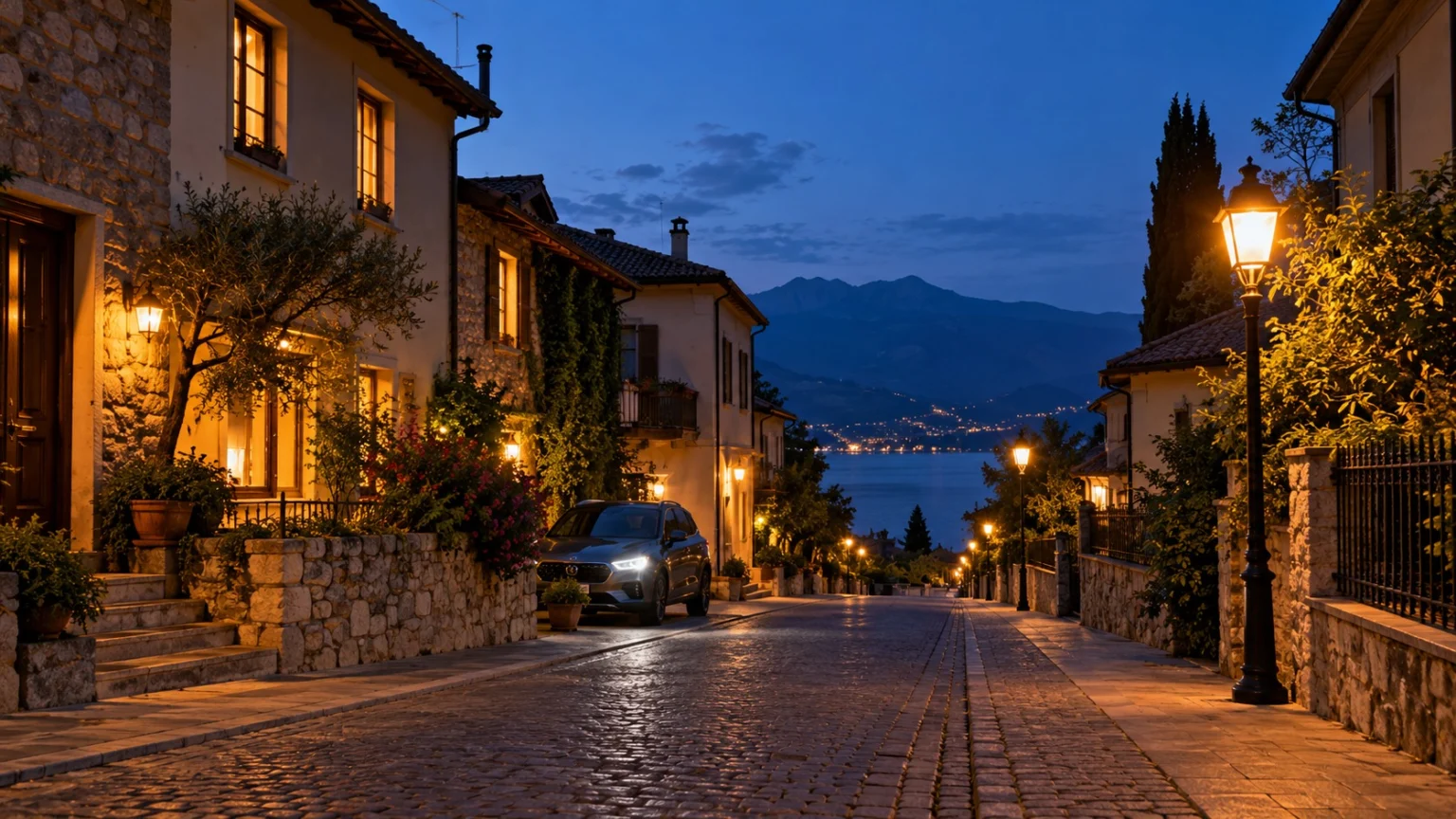
As cameras have advanced, day for night has been changing too.
(1) Less Use, More Correction
Today’s cameras can shoot much brighter and cleaner images even in the dark, so more scenes are actually shot at night. Still, the technique is used for scenes that are hard to light completely, such as wide outdoor landscapes. Nowadays, it is common to set only the color temperature in the camera and to fine-tune the darkening of the image in post-production. Filmmakers may also make window lights or car headlights glow more brightly, or replace the entire sky to add the moon and stars.
(2) Night Shot at Dusk
Instead of midday, scenes can also be shot just as the sun is setting or rising. At that time, streetlights, car lights, and indoor lights are on just as they are at night, yielding a far more natural night scene. However, because the amount and color of light keep changing within minutes, shooting must be finished in a very short time.
Conversely, there is also a technique of shooting indoor scenes at night while shining large lights from outside the windows to make them look like midday, which is called Night for Day. Swapping day and night is used in both directions like this.
Day for night is an old piece of wisdom that filmmakers found to overcome the limits of the camera. Just by slightly changing exposure, color, the sky, and the direction of light, they can make audiences believe a midday scene is the dead of night.
Pausing to wonder how a night on screen was really made is the first step in an appreciation that reads both the lies and the truths of the moving image.