The field of drone photography and filming is attracting increasing attention as modern technology advances. Modern drone technology opens new horizons for photography and video production and is widely used across various industries.
This article systematically examines drone photography and filming, from its basic concepts to advanced techniques, equipment selection, and strategies for using drones in various shooting environments.
Basic Concepts and Historical Background of Drone Photography and Filming
 What Is the Basic Concept of Drone Photography and Filming?
The Basic Concept of Drone Photography and Filming
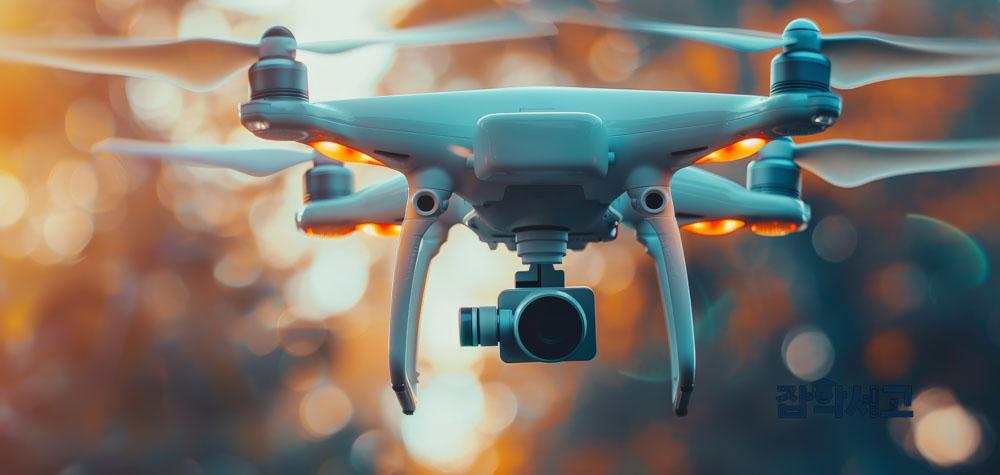
Drone photography and filming is a technology that uses unmanned aerial vehicles (UAVs) to take photographs and record videos from the sky. Drones are operated by remote control, and high-performance cameras and gimbal systems enable stable shooting. Shooting angles and heights can be adjusted freely, providing unique perspectives that cannot be captured from the ground.
Historical Background of Drone Photography and Filming
The history of drone photography and filming began with military applications. Early drones were developed for reconnaissance and surveillance, and their use gradually expanded into commercial applications. As drone technology began to become widely accessible in the late 2000s, drone photography and filming were introduced into various industries.
Drone Filming in the Film and Advertising Industries
Drone filming has established itself as an innovative approach in the film and advertising industries. It costs less than traditional helicopter filming and offers greater flexibility in shooting from various angles, making creative video production possible. As a result, many directors and producers are adopting filming techniques that use drones.
Drone Photography and Filming in the Real Estate Industry
The use of drone photography and filming has also increased significantly in the real estate industry. It can show a building's exterior and its surroundings with a sense of depth, providing potential buyers with more vivid information. This makes it a powerful tool for real estate marketing.
Drone Photography and Filming in Agriculture
In agriculture, drone photography and filming are used to monitor crop conditions and assess the health of soil and plants. This allows farmers to manage their farms more efficiently and contributes to higher productivity. Drone photography and filming also play an important role in disaster relief and environmental protection.
Understanding the basic concepts and historical background of drone photography and filming allows us to gain a deeper understanding of this technology's potential. It is also important to explore its possible applications across various industries.
Advanced Drone Filming Techniques: Practical Applications
 What Are Some Different Drone Filming Techniques?
Panning Technique
Advanced drone filming techniques focus on building upon basic techniques to create more creative and refined videos. First, the panning technique involves rotating the drone's camera horizontally to scan a wide scene smoothly. This allows expansive scenes to be connected naturally. This technique is particularly useful when filming city skylines or natural landscapes.
Tilting Technique
Next, the tilting technique moves the drone's camera up and down to emphasize a particular subject or scene. For example, tilting downward from the top of a tall building can produce footage that emphasizes the building's scale and structure. This technique is also useful for maximizing the beauty of natural scenery.
Orbital Filming
Orbital filming is a technique in which the drone flies in a circle around the subject while filming. This technique adds a sense of depth by showing the central subject from various angles. Orbital filming can produce more vivid footage, particularly of stationary subjects such as buildings or sculptures.
Tracking Technique
Another advanced technique is tracking. The tracking technique involves filming while the drone follows the movement of a particular subject. It is very effective for recording sporting events or animal behavior. Using the drone's autonomous flight capabilities allows more precise and smoother tracking.
Slow Motion Filming
Slow motion is a technique in which footage captured using a drone is slowed down for playback during post-production. This technique is used to observe rapid movements in greater detail and maximize emotional impact. It is particularly useful for natural phenomena and sports scenes.
Time-lapse Technique
The time-lapse technique involves rapidly playing back footage captured over a long period within a short period. A time-lapse video can be created by keeping the drone fixed in one position and filming for a long time, then increasing the playback speed during post-production. This technique is useful for dramatically depicting sunrises, sunsets, and changes in a city.
Zoom In/Out Technique
The zoom in/out technique uses the drone's camera to film by moving closer to or farther away from the subject. This technique is useful for emphasizing the subject or showing the overall scene. In particular, using the drone's high-resolution camera allows even fine details to be captured clearly.
FPV (First Person View) Filming
FPV (First Person View) filming is a technique in which the pilot watches footage in real time through a camera mounted on the drone while filming, as though they were inside the drone. This technique provides highly dynamic and immersive footage, making it suitable for filming sporting events or extreme sports.
Drone Fly-through Filming
Drone fly-through filming is a technique in which the drone flies along a specific route and records continuous footage. This technique allows filming as though exploring various spaces, both indoors and outdoors, making it advantageous for vividly depicting the interiors of buildings or natural landscapes.
These various advanced drone filming techniques allow us to create more creative and varied videos. By understanding the characteristics of each technique and applying it appropriately to the situation, we can achieve more polished results.
Choosing the Best Equipment for Drone Photography and Filming
 What Should You Consider When Choosing Drone Equipment?
Drone Stability
Choosing appropriate equipment is very important for drone photography and filming. The first factor to consider is the drone's stability. Stable flight is essential for capturing high-quality footage. Advanced models such as DJI's Phantom series provide shake-free footage through their gimbal systems.
Camera Resolution and Performance
Camera resolution and performance are also important factors. Cameras that support 4K resolution can capture high-quality footage, and it is advisable to choose a model that also performs well in low-light environments. Cameras that support the RAW format also offer advantages for color correction and detail adjustments during post-production.
Battery Life
Battery life is another important consideration. For extended shooting sessions, it is necessary to choose a model with a long battery life and prepare spare batteries. Choosing a model with fast charging is also useful for reducing battery charging time.
Controller Features and Ease of Use
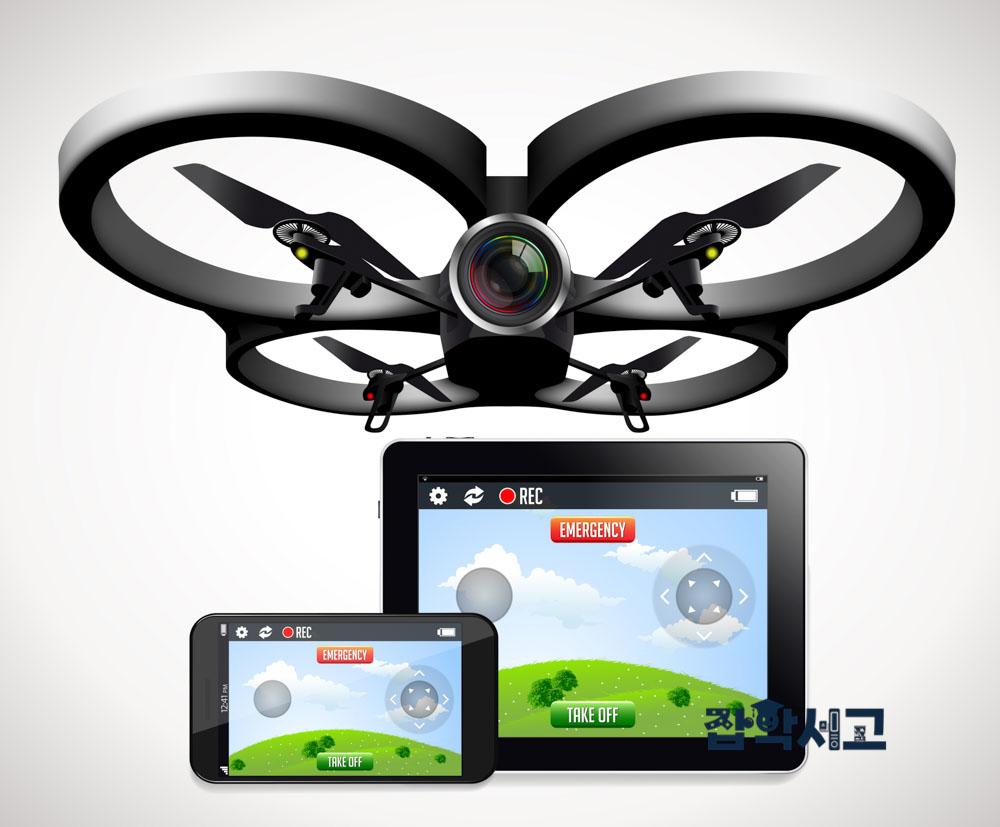
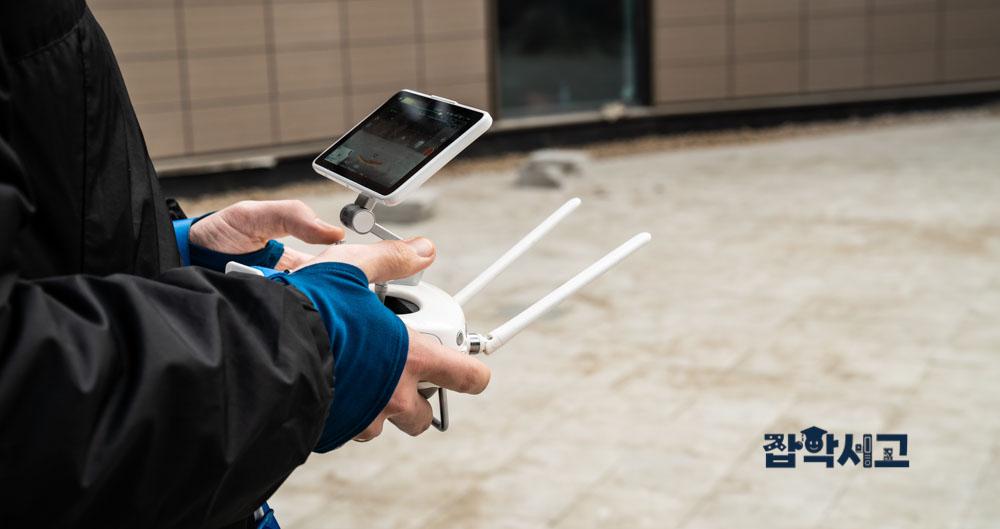
The controller's features and ease of use are also important factors. Controllers that support GPS and automatic flight modes help determine the drone's position accurately and make it easy to set complex flight paths. Models that can connect to a smartphone or tablet are also convenient because they allow the drone to be operated while viewing footage in real time.
Additional Equipment
Additional equipment includes lens accessories such as ND filters. ND filters help maintain proper exposure even in strong sunlight. This is particularly useful for outdoor shooting and allows footage of consistent quality to be captured under various lighting conditions.
Drone Software and Apps
Finally, using drone software and apps is also part of equipment selection. Apps such as DJI GO and Litchi help preset the drone's flight paths or enable specific tracking modes. This allows more creative and refined shooting.
Strategies for Using Drones in Various Shooting Environments
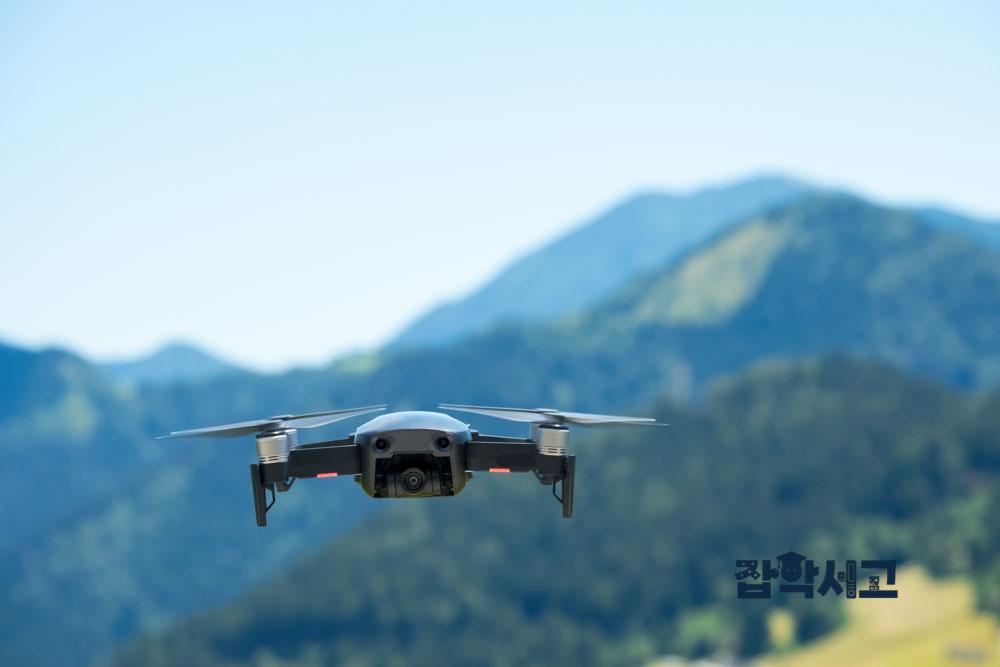 Precautions Vary Depending on the Shooting Location.
Using Drones in Urban Environments
Using drones effectively in various shooting environments requires strategies suited to each environment. First, in urban environments, it is important to avoid buildings and radio interference. GPS signals may weaken when flying between tall buildings, so care is needed when operating the drone.
Using Drones in Natural Environments
Natural environments require strategies that take weather and terrain into account. Strong winds can cause the drone to shake, so it is advisable to choose a time with light winds whenever possible. In mountainous terrain, care must also be taken to ensure that the drone maintains a high altitude and avoids obstacles.
Using Drones at Beaches or Near Water
At beaches or near water, reflected light from the water and wind must be taken into account. Filming over water provides unique and beautiful scenes, but there is a risk of the drone crashing into the water. To prevent this, it is advisable to use a waterproof drone or a flotation device. ND filters can also be used to maintain proper exposure in strong sunlight.
Using Drones to Film Sporting Events or Other Events
The drone's maneuverability and safety are important when filming sporting events or other events. The drone's response speed is important when tracking fast-moving subjects, and care must be taken to avoid collisions with spectators or other obstacles. Planning flight paths in advance and using automatic tracking features are effective ways to achieve this.
Using Drones for Night Shooting
Lighting is an important factor in night shooting. LED lights attached to the drone or additional external lighting can be used to capture the subject clearly. It is also important to choose a camera capable of capturing high-quality footage even in low-light environments. Night shooting also affects the drone's battery life, so preparing spare batteries is essential.
Shooting Strategies for Specific Themes or Projects
Finally, it is important to develop a shooting strategy suited to a specific theme or project. For example, when filming buildings, it is important to shoot from angles that emphasize their structure and design, while nature documentaries should capture ecosystems and animals in their natural state. This requires thorough advance research and shooting plans.
Drone photography and filming have established themselves as important tools across various industries because of their potential and possible applications. By understanding the basic concepts and historical background, mastering advanced filming techniques, choosing appropriate equipment, and developing shooting strategies suited to various environments, we can create more creative and refined videos.
The world of drone photography and filming still holds many possibilities, and continued development is expected in the future. We hope you will join the journey of creating new visual experiences through innovative filming techniques.