A bookshelf you finally finish after spreading out the manual and tightening the screws one by one is strangely satisfying, even if it leans a little. Had you bought the very same bookshelf fully assembled in a store, you might not feel nearly as attached to it. It is the same object, yet the simple fact that it passed through your hands makes it look different.
The concept that explains this shift in feeling is the ‘IKEA Effect.’ The IKEA effect refers to the cognitive bias in which people place a far higher value on items they made or helped assemble themselves than those items are actually worth. The name comes from IKEA, the Swedish furniture company that sells a great deal of furniture customers must assemble themselves.
In this article, we will look in turn at how the IKEA effect got its name, the experiments that confirmed it, the psychological reasons behind it, and the ways it appears in everyday life and in business.
Why Things Become More Precious When They Pass Through Your Hands
The Roots of the Idea That Effort Creates Value

The name “IKEA effect” is relatively recent, but the relationship between effort and value has long been a subject of interest in psychology.
(1) The three researchers who named it
The effect was first named in a study published in 2011 by Michael Norton of Harvard Business School, Daniel Mochon of Yale University, and Dan Ariely of Duke University. They explained that labor alone can be enough to make people like the results of that labor more.
(2) Earlier research on effort justification
The researchers built on studies of effort justification, which show that the more effort people put into something, the more valuable they consider it. Leon Festinger had already addressed this phenomenon in 1957.
(3) A group that seems better the harsher its initiation
In a 1959 experiment by Aronson and Mills, the more difficult the procedure participants had to go through before joining a discussion group, the more highly they rated that group. The finding connects to the IKEA effect in that the effort invested raises the value of its object.
Confirmed by Boxes and Paper Cranes
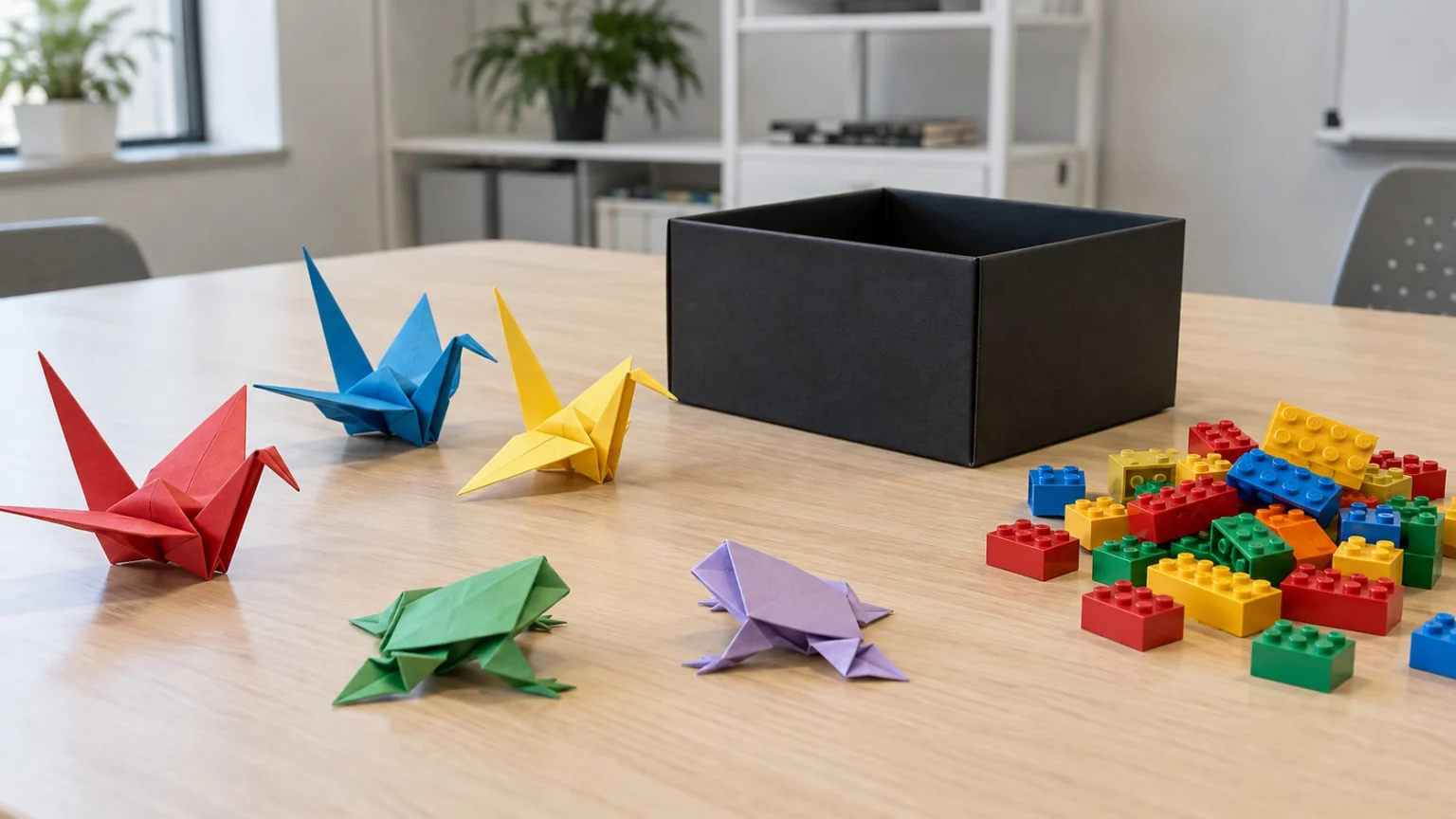
Norton and his colleagues ran several experiments to find out whether people would really pay more for items they had assembled themselves.
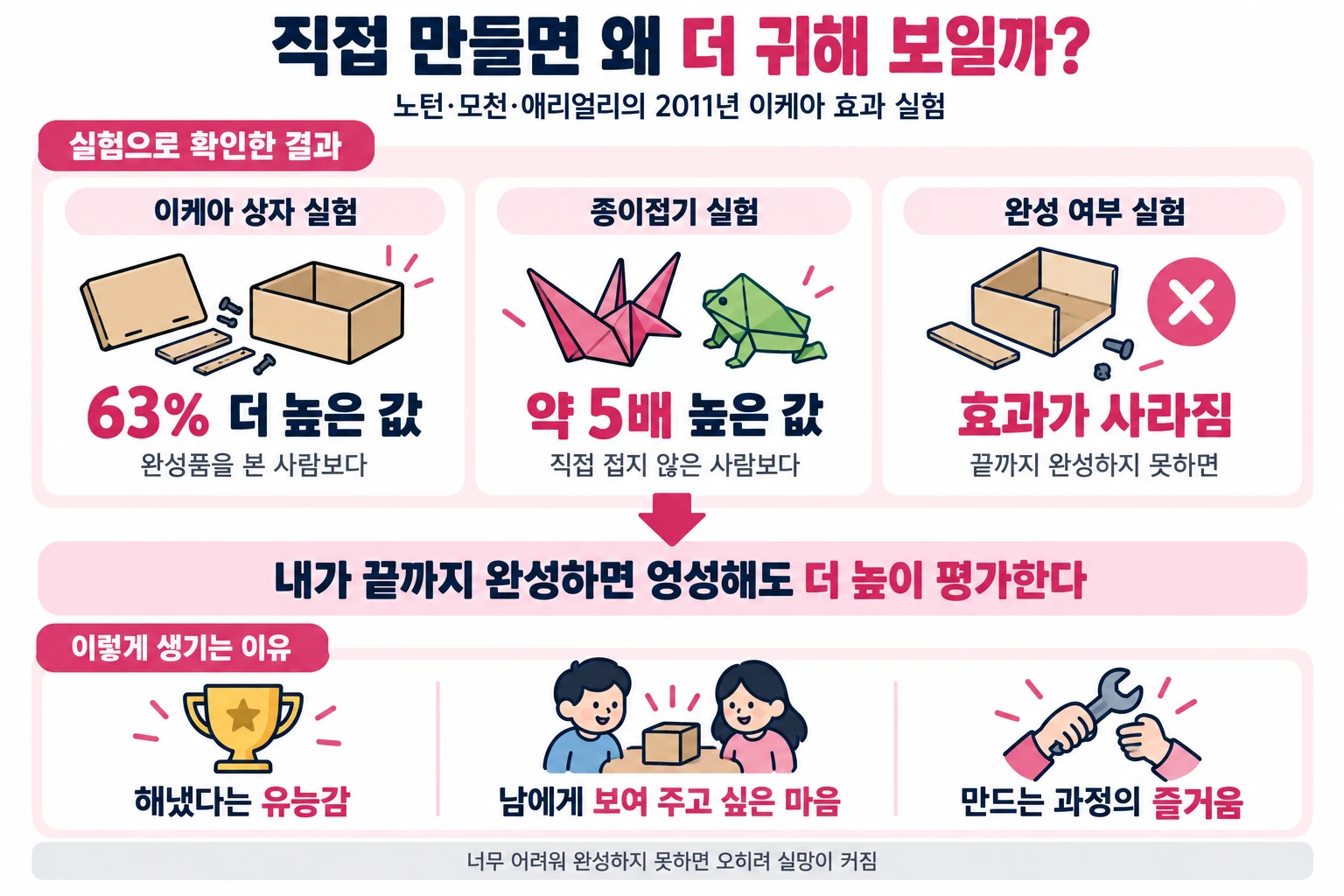
- IKEA Box Study: One group assembled an IKEA storage box themselves, while another group simply examined an identical box that had already been assembled. As a result, those who built the box said they would pay 63 percent more than those who only looked at the finished product.
- Origami Study: Participants folded paper frogs or paper cranes while following instructions. Those who did the folding valued their own creations about five times more highly than people who had not folded them, and considered them roughly as valuable as pieces folded by experts.
- Completion Study: When people who finished the assembly were compared with those who stopped partway or whose creations were taken apart again, the effect disappeared in cases where the item was not completed.
These results show that even a clumsily made item is valued highly as long as we finished it ourselves. The researchers also reported that the same effect appeared not only among skilled people but also among those trying it for the first time.
The Feeling That Makes Us Cherish What We Make
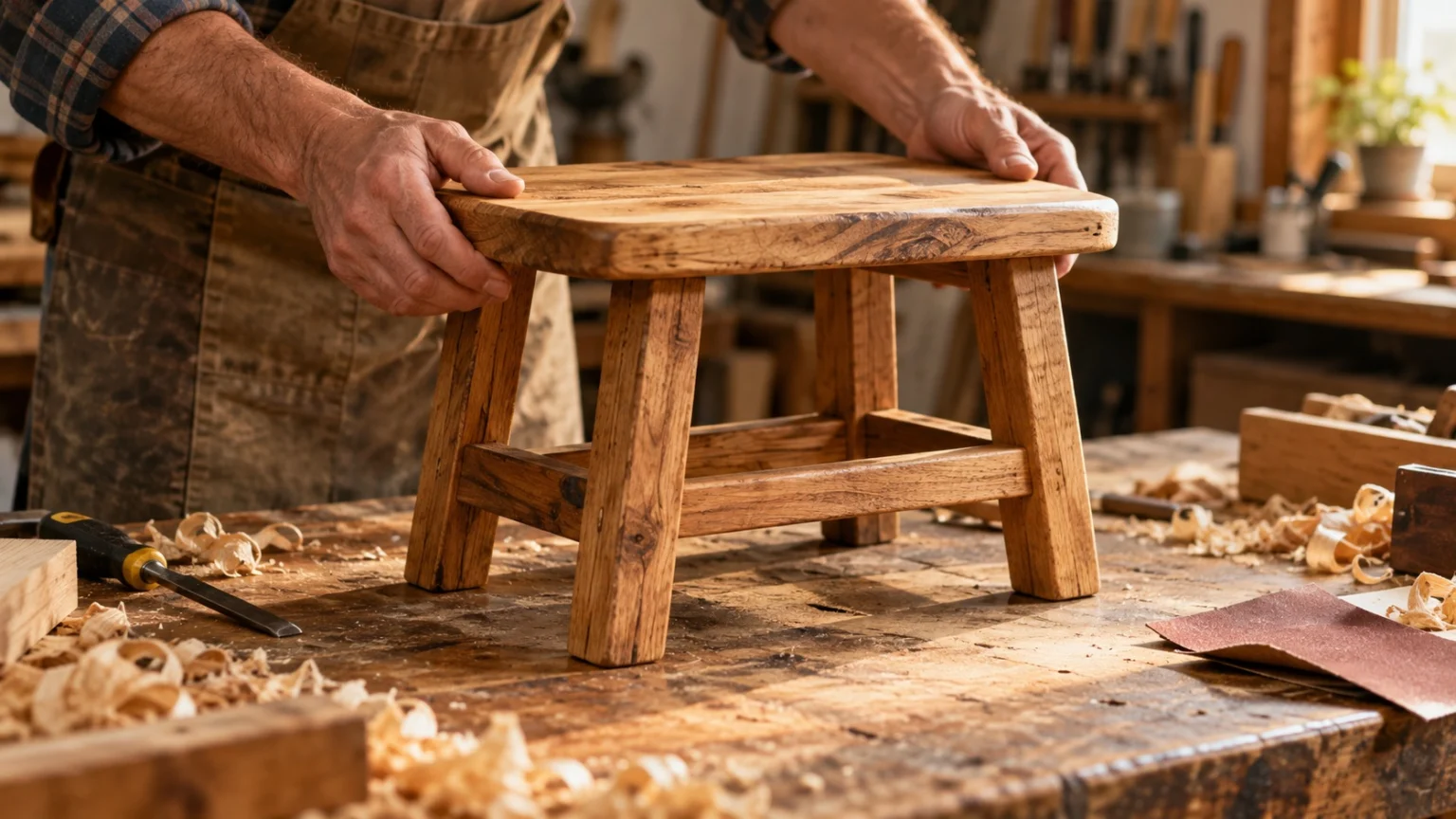
The researchers explained the IKEA effect in terms of several psychological factors.
(1) A sense of competence from getting it done
People have a basic need to produce the outcomes they want in their surroundings by their own efforts. Completing a task successfully gives us a feeling of being competent and in control, and this sense of pride turns into affection for the object. The idea also connects to Albert Bandura’s 1977 research on self-efficacy.
(2) The wish to show it to others
Participants who built items made for fun, such as LEGO or origami, often said they wanted to show them to their friends. The social pleasure of being able to show off one’s own creation also played a part in raising its value.
(3) The enjoyment of making it
The more enjoyable the process of making something was, the more highly people tended to rate the result. However, if a task is so difficult that it is never completed, disappointment grows instead, so an appropriate level of difficulty matters.
The IKEA Effect in Daily Life and Business

The IKEA effect is easy to find outside the laboratory, and companies were using it long before it had a name.
(1) Products that consumers help make
The researchers cited Build-A-Bear, where customers make their own teddy bears, as an example. Customers willingly pay a high price even though they add their own labor. Trips in which city dwellers pay to experience farm work are explained in the same way.
(2) Consumers as co-creators of value
Amid this trend, many companies began to see consumers not just as people who receive value but as people who create value together with them. Involving consumers in product design and testing is a typical example.
(3) The trap in organizations and workplaces
The effect does not only have upsides. If we overvalue plans we drew up or work we produced ourselves, we may fail to accept better ideas from others, or struggle to fix problems even when they come to light.
The IKEA effect teaches us that an object’s value comes not only from the object itself but also from the experience of the person who made it. Cherishing something we finished through hard work is natural, but we also need to step back so that this feeling does not cloud our judgment.
Knowing that the reason we come to love a crooked bookshelf lies in our own hands is the first step toward understanding the IKEA effect.