If the front page of the morning paper carries words like ‘Shock’ and ‘Outrage’ in letters as big as your palm, almost anyone will take a second look. Often the story turns out to be nowhere near as dramatic as the headline, but by then the paper has already been sold. When putting sales ahead of accurately reporting the facts, the press tends to end up looking like this.
The term for this style of reporting is ‘Yellow Journalism.’ Yellow journalism refers to sensational reporting practices that stir up readers’ interest with eye-catching headlines and exaggerated content in order to increase newspaper sales. The term was born in the 1890s out of a fierce competition between two New York newspapers fighting for readers.
In this article, we will look in turn at how the name yellow journalism came about, the characteristics of the newspapers of that era, the controversy surrounding a war, and the forms it takes today.
A History of News Inflated to Sell More
A Name That Came from a Child in Yellow
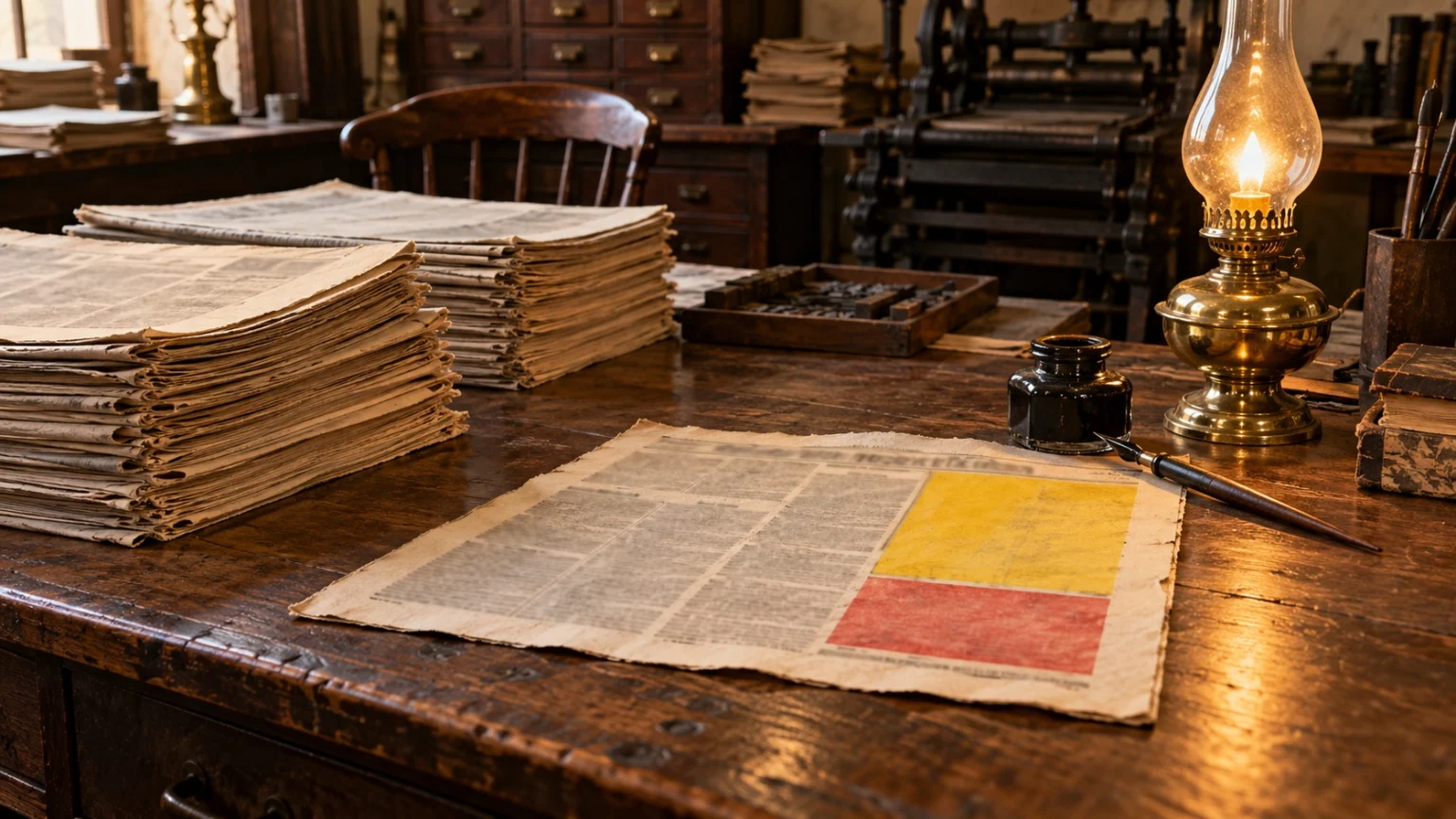
Surprisingly, the name yellow journalism originated with a single comic strip printed in a newspaper.
(1) The circulation war between Pulitzer and Hearst
After buying the New York World in 1883, Joseph Pulitzer drew in readers by running plenty of illustrations and giving crime stories prominent coverage. In 1895, William Randolph Hearst, the son of a mining magnate, acquired the rival New York Journal, and the two papers went head to head over circulation.
(2) Two Yellow Kids
At the time, the World ran a color comic featuring a bald child in a yellow nightshirt, and the child became hugely popular under the nickname ‘the Yellow Kid.’ When Hearst lured away the cartoonist Richard F. Outcault, Pulitzer had another artist keep drawing the same comic, leaving New York with two Yellow Kids.
(3) A name hardened by criticism
More respectable newspapers mocked the two papers as ‘the Yellow Kid papers.’ The person who first used the expression in print is said to be Ervin Wardman, editor of the New York Press, and it later became fixed as a term for excessively sensational reporting.
Five Traits That Identify a Yellow Newspaper
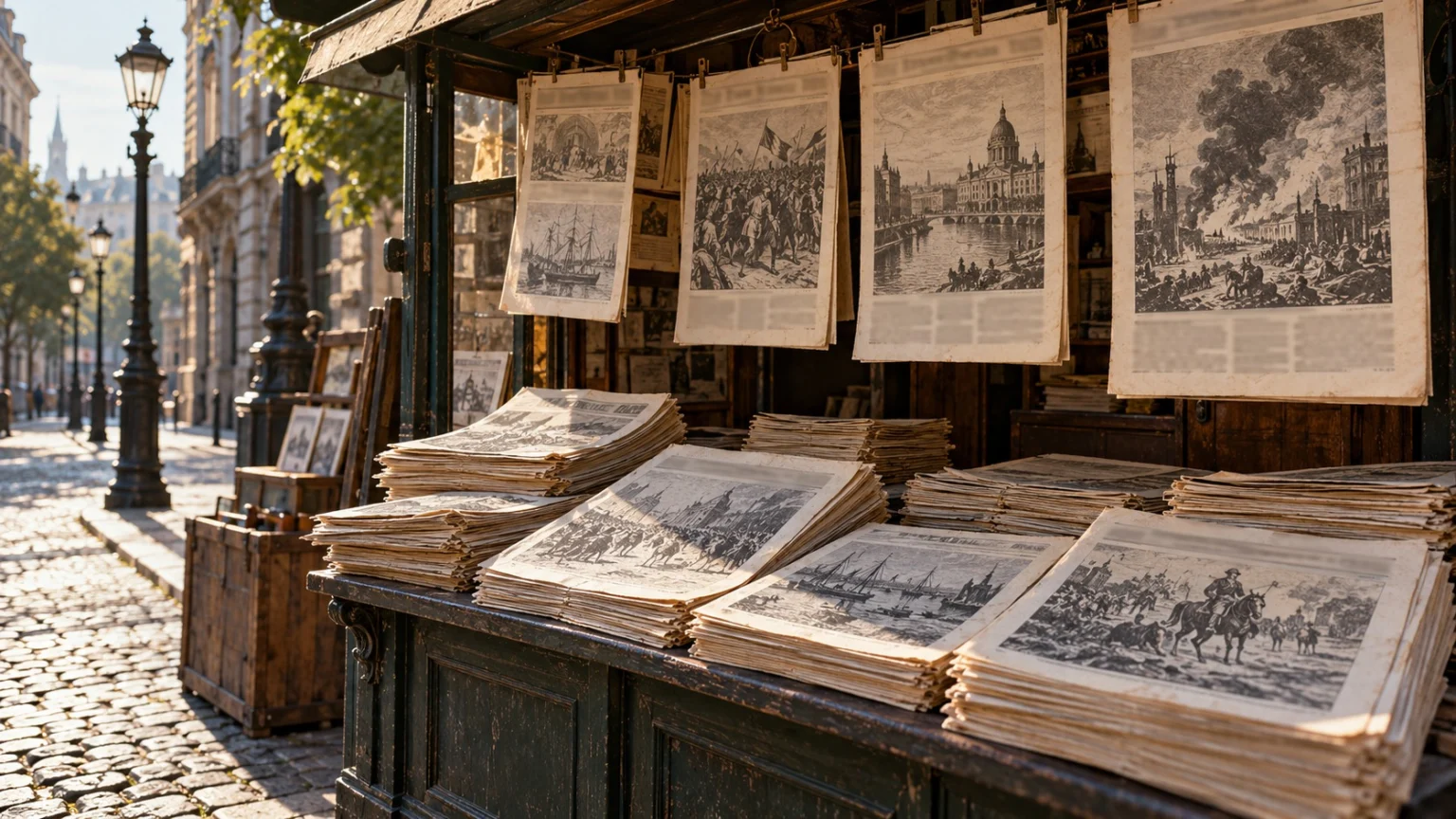
The press historian Frank Luther Mott summed up the characteristics that identify yellow journalism in five points.
- Scare Headlines: Even trivial news is blown up with provocative headlines in huge type.
- Lavish Use of Pictures: Papers are crammed with photos and illustrations, and even imaginary drawings are presented as if they were fact.
- Faked Interviews and Pseudoscience: Fabricated interviews, misleading headlines, and plausible-sounding nonsense from so-called experts fill the pages.
- Sunday Supplements: Flashy color Sunday editions filled with shallow articles and comics take center stage.
- Sympathy with the Underdog: The papers side with the underdog against the system and appeal to emotion.
On top of this came articles that covered crimes in a sensational way. Still, the two papers did not publish only sensational stories. The San Francisco Examiner, which Hearst ran earlier, even sent a reporter into a hospital and exposed how poor women patients were being mistreated.

The Controversy over Starting a War

An event that always comes up in discussions of yellow journalism is the Spanish–American War of 1898.
(1) The Cuban revolt and the explosion of the Maine
When a revolt broke out in 1895 in Cuba, then a Spanish colony, the two papers reported the brutality of Spanish troops in big stories day after day. When the U.S. warship Maine exploded and sank in Havana Harbor in February 1898, the reporting race grew even more heated, and the United States went to war with Spain in April of that year.
(2) A telegram never confirmed as fact
A widely circulated story says Hearst sent a telegram to an artist he had dispatched to Cuba: “You furnish the pictures, and I’ll furnish the war.” But Hearst denied it, and no evidence that such a telegram existed has been found, so historians consider it most likely an invented anecdote.
(3) An influence smaller than often thought
Today many historians believe the yellow papers were not the main cause of the war. Such reporting was largely confined to New York, and decision-makers such as President William McKinley rarely read these papers.
Yellow Journalism Still Lives On Today

The era of yellow journalism has passed, but its methods have changed shape and continue to this day.
(1) Pulitzer’s transformation
Pulitzer later turned the World back into a paper focused on exposing social problems. The Pulitzer Prize, created under his will, has honored achievements in journalism since 1917, so a man who made his name through sensational reporting ended up leaving behind a symbol of good journalism.
(2) Headlines that bait the click
Today, page views have replaced circulation as the yardstick of competition. Articles that lure clicks with sensational headlines that differ from the content, so-called Clickbait, can be called the modern version of yellow journalism.
(3) The eye every reader needs
The best way to filter out sensational reporting is the habit of not judging by the headline alone, but checking whether the source is clear and how other outlets report the same facts.
Yellow journalism is an old mirror that shows what happens when the press chases attention rather than facts. Those who make the news bear responsibility, but the more readers there are who do not react easily to sensational headlines, the less room such reporting has.
Checking one more time for the facts hidden behind a headline in big letters: that is the first step for a wise reader who refuses to be swayed by yellow journalism.