In British historical dramas, you often see scenes of poor people gathering in front of a village church to receive bread. That bread was not provided only out of someone’s goodwill; it was paid for with taxes that the villagers contributed under the law.
The starting point of this system is the “Elizabethan Poor Law.” The Elizabethan Poor Law was a law passed by the English Parliament in 1601 that, instead of leaving help for the poor to church charity alone, made each parish collect taxes and take responsibility for its poor.
In this article, we will look in turn at the background to the Elizabethan Poor Law, its core features, the way it divided the poor in order to help them, and the limits it left behind along with its influence on today’s social welfare.
The First Law to Make Poverty a Community Responsibility
Why the Elizabethan Poor Law Came About

The Elizabethan Poor Law did not appear out of nowhere; it was a response to social changes that had built up over nearly 100 years.
(1) The Gap Left by the Monasteries
In medieval England, caring for the poor was mainly the job of monasteries and churches. But when Henry VIII dissolved the monasteries in the late 1530s, the places hungry people could turn to shrank sharply.
(2) People Who Lost Their Land and Wandered
At the same time, as the wool industry grew, enclosure spread, with landowners fencing off farmland to raise sheep. As farmers who had lost their work poured into towns and onto the roads, wandering paupers came to be seen as a threat to social order.
(3) Bringing Earlier Laws Together
England passed a number of laws concerning the poor during the 16th century, and in 1597 it also passed a law that set up overseers of the poor. The Poor Law of 1601 refined these scattered rules and organized them into a single system. Because it was passed in the 43rd year of the reign of Elizabeth I, it is also called the “Act of 43 Elizabeth,” and together with the many amending acts that followed, it is often referred to as the Old Poor Law.
A System in Which the Parish Helped the Poor With Taxes
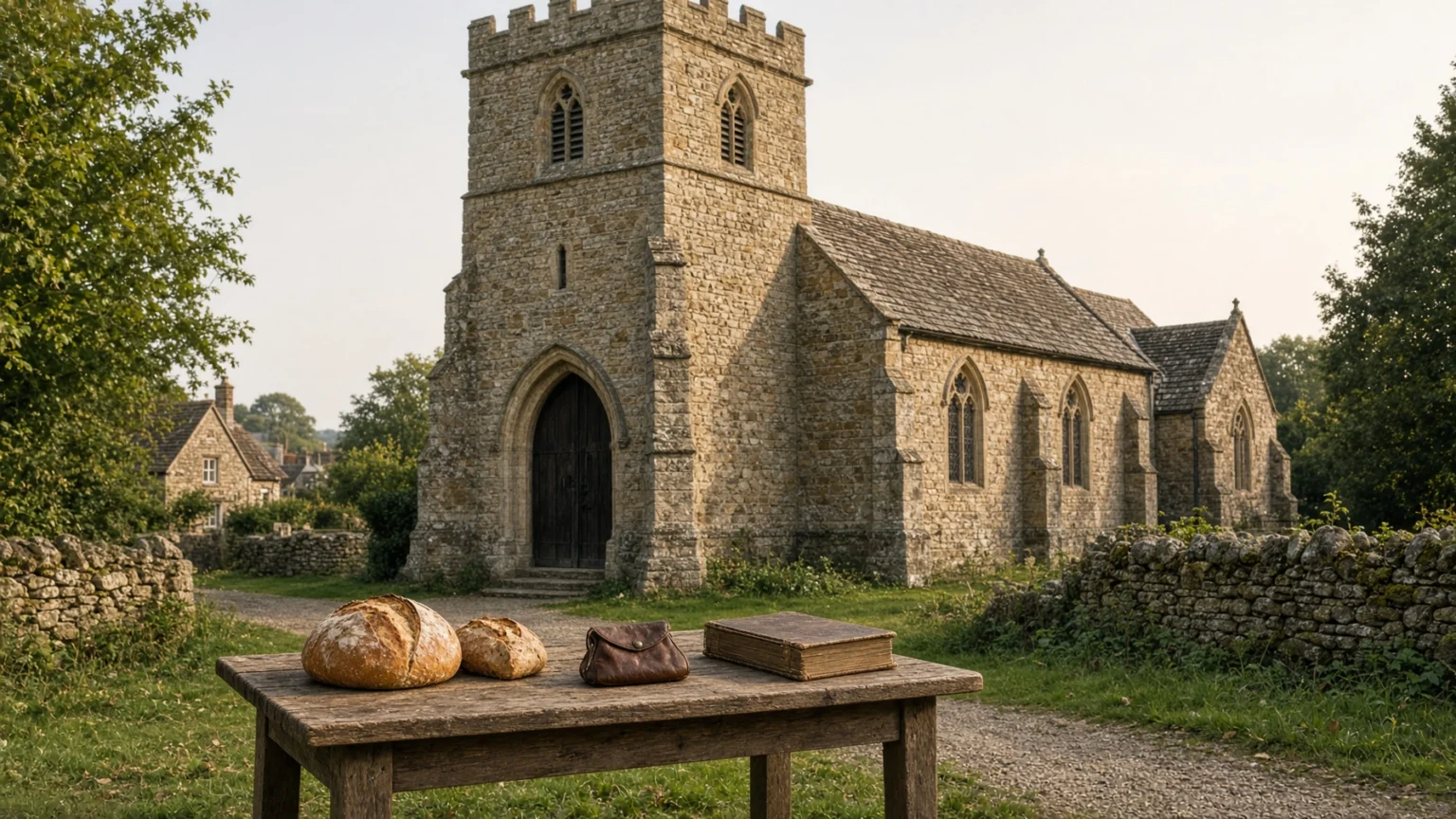
The most distinctive feature of the Elizabethan Poor Law is that it entrusted help for the poor not to the nation as a whole but to the parish of each village.
- Parish: A local unit organized around a church, it was the administrative unit that actually ran the Poor Law.
- Overseer of the Poor: A person chosen in each parish who collected the tax and decided who needed help and provided it.
- Poor Rate: A tax collected from people who occupied land or houses within the parish, it funded poor relief.
Because the overseers were neighbors living in the same village, they could tell fairly well who was truly in hardship. The law also stated that poor parents and children were responsible for supporting each other, so it emphasized the role of the family as well.
At the time, a parish was a small village unit centered on a single church. Because it was small enough for residents to know one another well, it was also easy to pick out people who wanted help without working. On the other hand, it also carried the risk that overseers might judge people arbitrarily and discriminate against them.
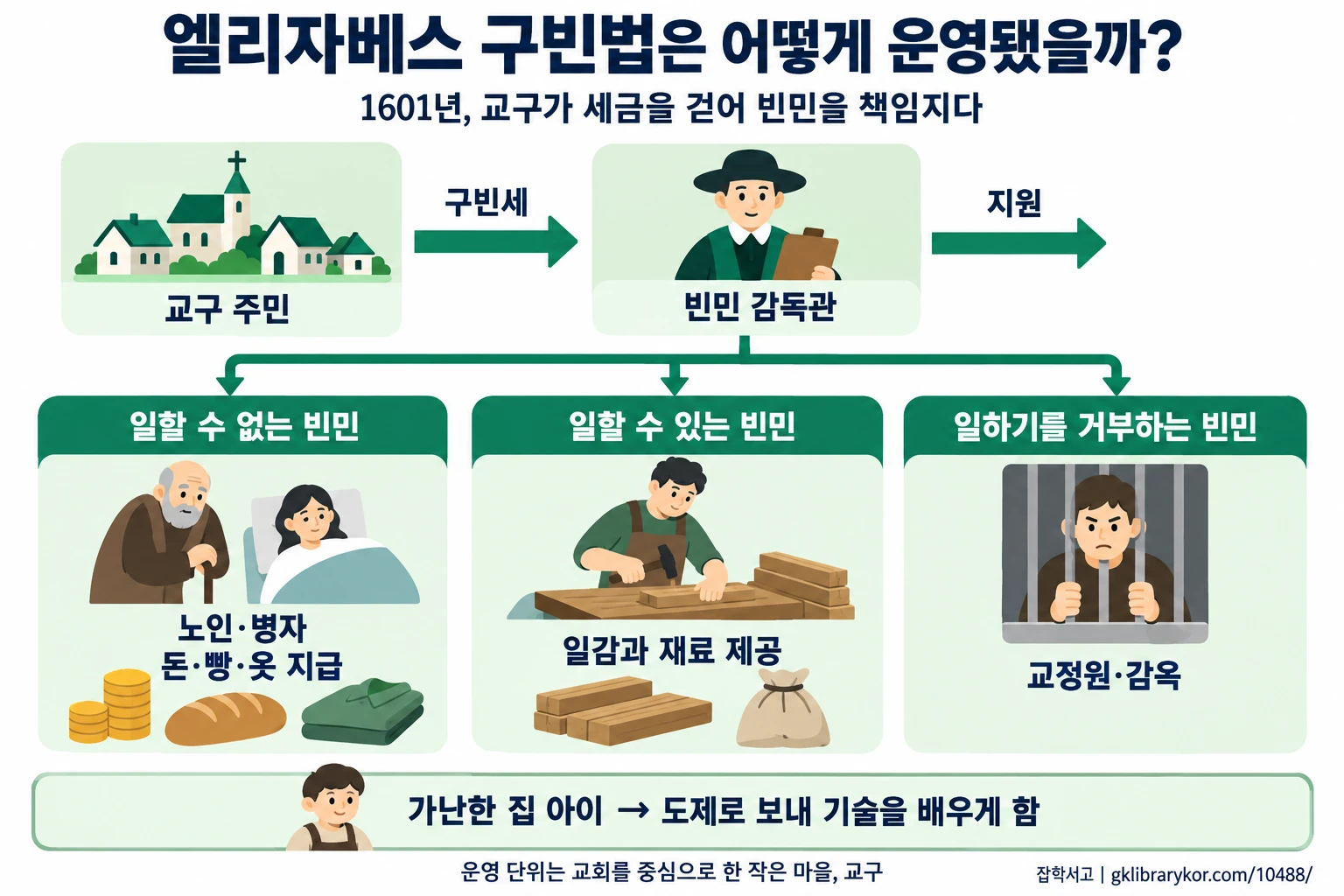
How the Poor Were Divided Into Three Groups
The Poor Law did not treat all poor people the same; it divided them according to whether they could work and treated each group differently.
(1) The Poor Who Could Not Work
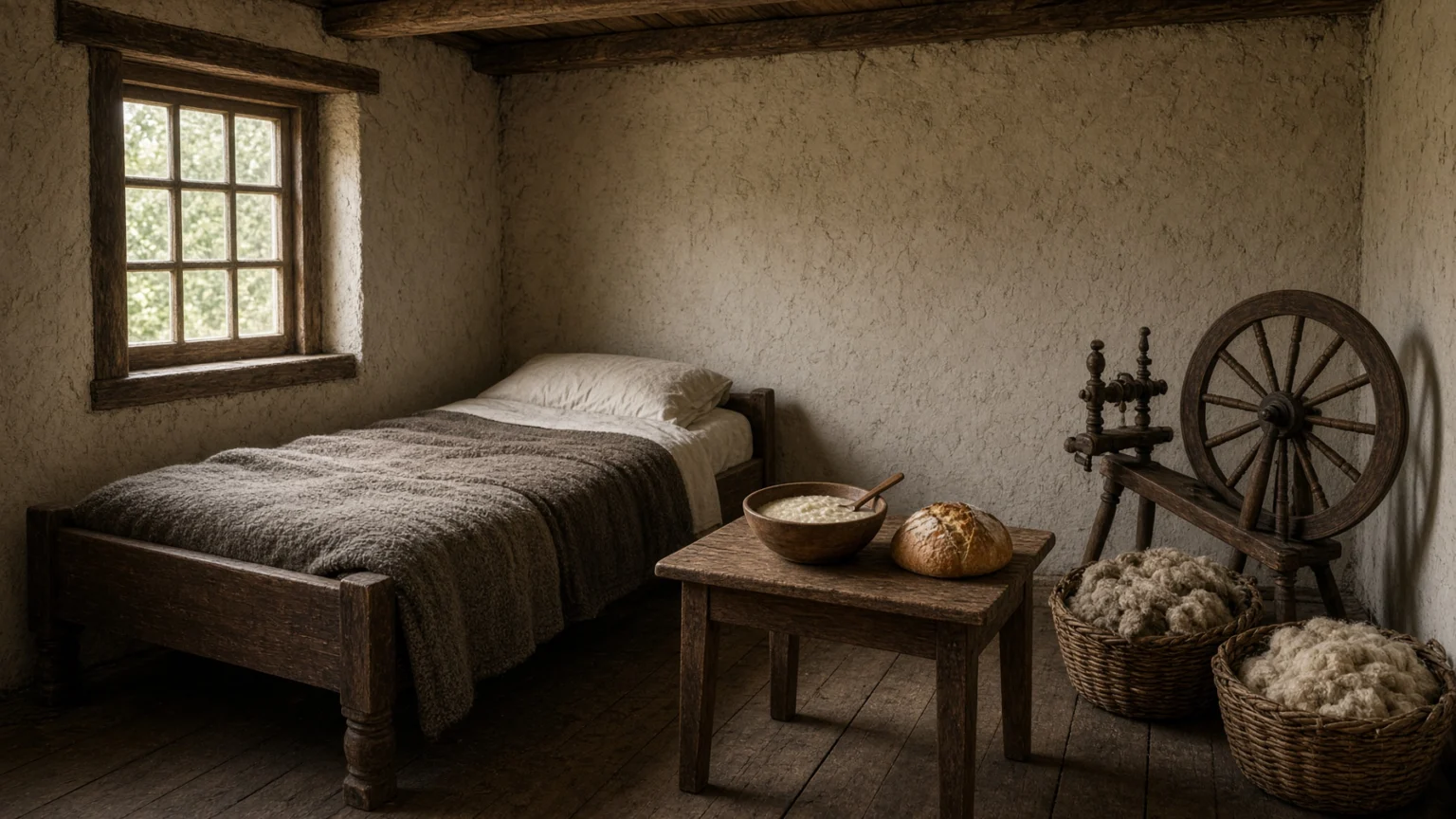
These were people who could not work on their own, such as the elderly, the sick, and the blind. They were given money, bread, or clothing, or allowed to live in a poorhouse.
(2) The Poor Who Could Work
These were people who were healthy but had no work. The parish provided them with work and materials and made them work.
(3) The Poor Who Refused to Work
These were people seen as able to work but unwilling to, along with vagrants. They were sent to houses of correction or prisons and dealt with harshly. Children from poor families were sent out as apprentices to learn a trade, with the aim of building their ability to earn their own living.
Relief Inside and Outside the Home
Helping people inside an institution such as a poorhouse was called indoor relief, and giving money or goods to people living in their own homes was called outdoor relief. Because building institutions was very expensive, outdoor relief was in practice far more widely used. Workhouses, which gathered people able to work into an institution and set them to work, began to multiply in earnest only after a law was passed in 1723.
The Limits and Legacy of the Poor Law
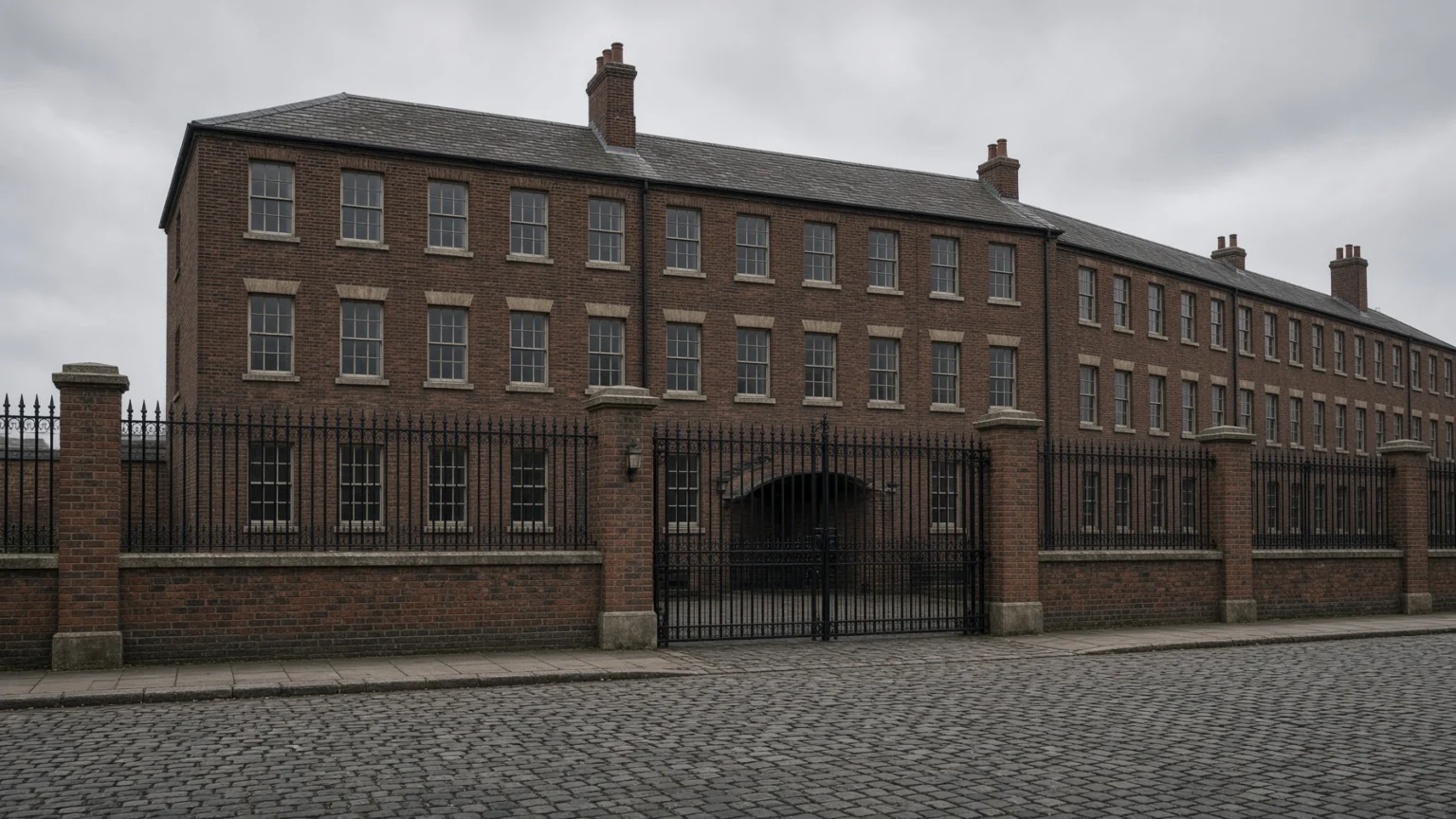
The Elizabethan Poor Law served as the backbone of poor relief in England for more than 200 years, but over time it revealed a number of problems.
(1) Help That Varied From Parish to Parish
Because there were no common standards for running it, the level of support differed greatly from parish to parish. This led poor people to move to more generous parishes, and in 1662 the Settlement Act was passed so that people could receive help only in the parish where they had ties through birth, marriage, and the like.
(2) The Crisis Brought by Industrialization
In 1795, the Speenhamland System appeared, topping up low wages in line with the price of bread. But costs rose sharply as industrialization, poor harvests, and the Napoleonic Wars overlapped, and in 1834 the system was overhauled by the New Poor Law (Poor Law Amendment Act).
(3) The Roots of Public Assistance
The Poor Law system officially came to an end in 1948 when the National Assistance Act took effect in Britain. Even so, the idea that poverty is not an individual’s misfortune but a problem the community must take responsibility for through taxes is regarded as the starting point of today’s public assistance systems.
The Elizabethan Poor Law had its limits, since it sorted the poor and forced them to work, but it is highly significant as the first law to bring poor relief into the realm of law and taxation. Today’s systems, such as basic livelihood security, also stand on that long tradition.
Knowing that a single loaf of bread handed out in front of a village church some 400 years ago was a promise made by the community: that is the first step toward understanding the Elizabethan Poor Law.