Efficient meal planning is an important factor in maintaining health and improving physical fitness. In modern society, putting together a balanced diet amid busy schedules and countless food choices is far from easy. However, considering the effects of the food we eat on our bodies and minds, the importance of meal planning cannot be overstated.
This material explores in depth the importance and basic principles of efficient meal planning for a healthy life, ways to achieve a balanced intake of various nutrients, systematic meal preparation steps, and tips for maintaining a sustainable, healthy diet.
The Importance and Basic Principles of Efficient Meal Planning

The Need for Efficient Meal Planning
Efficient meal planning plays a key role in promoting overall physical and mental health beyond weight management. A healthy diet not only reduces the risk of developing chronic conditions such as heart disease, diabetes, and obesity, but also has an important influence on strengthening the body's immunity and increasing resistance to infections.
In addition, balanced nutrition has a positive effect on mental health and helps with stress management, improved concentration, and recovery from fatigue. Recognizing the importance of meal planning and applying it to daily life is essential for physical and mental well-being and can be considered a foundation for a healthy life.
Designing a Diet to Match Your Goals
To create an efficient meal plan, it is important to set specific goals that suit your physical condition and daily routine. For example, meal plans for someone who wants to lose weight and someone who wants to build muscle inevitably differ in the nutrients needed and their calorie composition.
If your goal is weight loss, you need to limit energy intake by controlling calories while still meeting your needs for essential nutrients such as protein, vitamins, and minerals. If you want to increase muscle mass, however, you can raise the proportions of carbohydrates and protein in your intake to support muscle recovery and growth after exercise. Setting these personalized goals allows you to design a diet optimized for you, leading to long-term health and sustainable practice.
Maintaining Food Quality and Variety
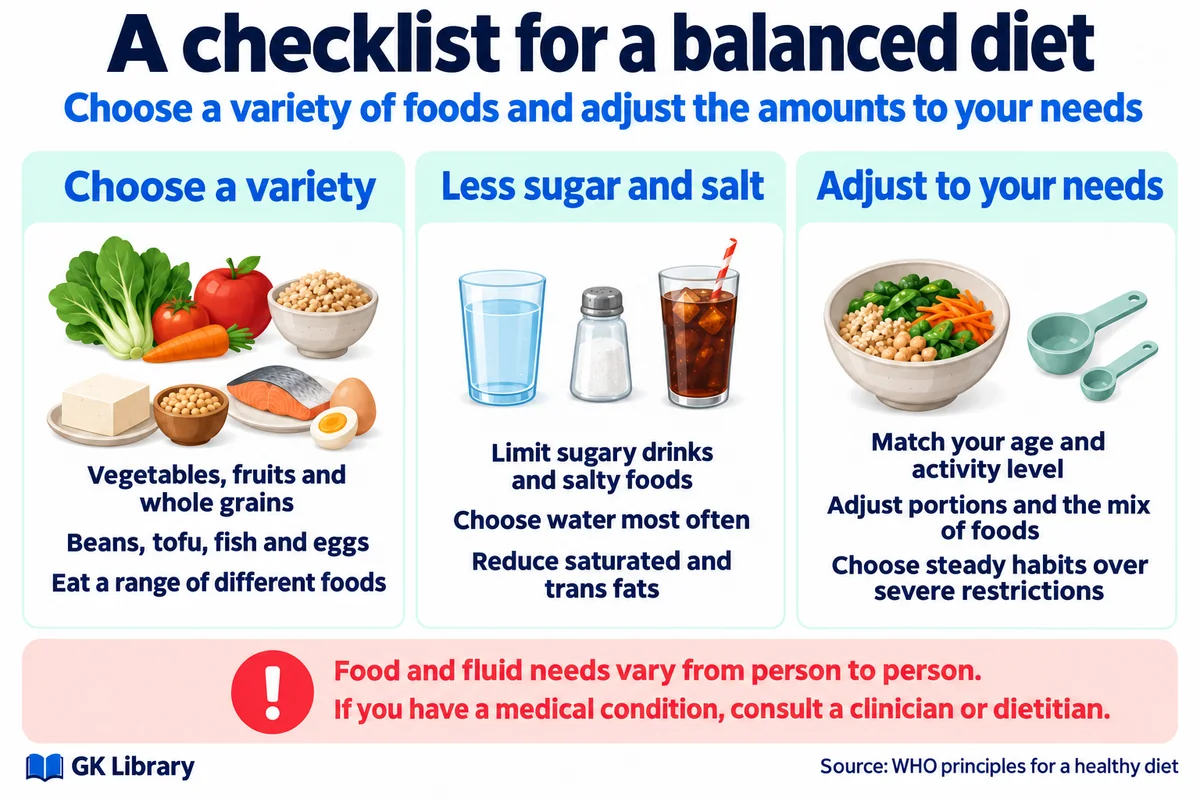
Efficient meal planning requires considering food quality and variety along with controlling the amount of food you eat. Overemphasizing a particular nutrient or eating too much of a single food can cause nutritional imbalances. For example, it is important to maintain a diet that includes a variety of food groups, such as fresh vegetables and fruit, nuts, whole grains, meat, and fish.
Eating a balanced variety of foods can provide enough essential nutrients, including vitamins and minerals, in addition to protein, carbohydrates, and fats. This helps optimize bodily functions such as strengthening immunity, regenerating cells, and supplying energy, and has a significant influence on maintaining health over the long term.
Balancing Calorie Intake
Managing calorie intake is also an important factor in creating an efficient diet. Calories are a basic unit of energy, and it is essential to check whether the energy supplied by the food we eat meets the energy needs of physical activity. Excessive calorie intake can lead to weight gain and fat accumulation, while insufficient calories can cause fatigue, reduced concentration, and muscle loss.
People who are highly active may need more calories, while those with less active lifestyles should reduce their calorie intake accordingly. However, excessively restricting calories alone can cause nutritional imbalances, so both calories and nutrients need to be considered.
Regular Meals and Snack Management
Eating meals regularly is effective in stabilizing blood sugar levels and preventing overeating. Regular meals allow the body to receive energy at consistent times, optimizing the metabolic rate and helping maintain the body's energy balance by preventing sudden rises in blood sugar.
It is advisable to eat three meals a day regularly and add healthy snacks when necessary. Snacks are particularly beneficial for preventing frequent drops in energy and reducing the urge to overeat. When choosing snacks, it is preferable to select nutritious foods such as fresh fruit, nuts, and yogurt to provide the body with beneficial energy.
The Importance of Maintaining a Sustainable Diet
The purpose of efficient meal planning is to develop a healthy lifestyle that can be practiced over the long term, rather than simply following a temporary weight-loss diet. A sustainable diet is one that provides sufficient nutrients and is easy to maintain in keeping with your daily routine. An excessively restrictive diet may be effective in the short term, but it can harm health in the long term and be harder to keep following.
To maintain a sustainable diet, it is important to choose meals you enjoy and that fit your lifestyle. This goes beyond simply maintaining health and contributes to developing healthy eating habits and achieving a healthy life that can be maintained for a lifetime.
Ways to Achieve a Balanced Intake of Various Nutrients

The Importance of Balancing Nutrients
A balanced intake of nutrients is a key factor in maintaining health and preventing disease. Each nutrient plays a unique role in the body, and too little or too much can have a negative effect on health. For example, insufficient protein can cause muscle loss and reduced immunity, while insufficient carbohydrates can deplete energy and lead to fatigue and reduced concentration. For these reasons, nutrient balance is essential for optimizing bodily functions and laying a foundation for long-term health.
Achieving a balanced intake of various nutrients by putting together an appropriate diet helps the body function smoothly and contributes to protection against various diseases. Nutrient balance can ensure physiological stability, helping you maintain better physical fitness and mental stability.
Carbohydrates: Choosing Your Main Energy Source Wisely
Carbohydrates are the body's primary energy source and are essential for sustaining everyday activities. Brain activity in particular requires glucose, so an adequate carbohydrate intake also has a significant influence on concentration and learning ability. However, it is important to recognize that not all carbohydrates are the same. It is preferable to choose complex carbohydrates from foods such as whole grains, vegetables, and fruit instead of processed foods high in simple sugars.
Complex carbohydrates are digested slowly and keep blood sugar stable, making them effective for weight management and diabetes prevention. They are also rich in dietary fiber, helping you feel full for longer and supporting digestive health. In contrast, simple sugars such as refined sugar or flour can cause blood sugar to rise sharply and induce insulin resistance, so it is best to avoid them. In this respect, choosing the right carbohydrates is very important for long-term health.
Protein: An Essential Component of Muscles and Cells
Protein plays an essential role in muscle growth and recovery and cell regeneration. It is a substance needed by every cell in the human body, strengthening the immune system and participating in the production of hormones and enzymes. Eating plant proteins such as beans, tofu, and nuts alongside animal proteins such as meat, fish, and eggs can provide a balanced supply of essential amino acids.
Animal proteins are considered high-quality proteins and are rich in essential amino acids that are effective for muscle building. Plant proteins, meanwhile, are beneficial for protecting cardiovascular health because of their low saturated fat content. A balanced protein intake is essential for preventing muscle loss and helping the body recover. Creating an efficient diet by adjusting protein intake to match your goals helps maximize physical health and exercise performance.
Fat: An Essential Nutrient for Protecting the Body and Storing Energy
Fat is an essential nutrient needed to maintain bodily functions such as cell membrane formation and hormone production. Eating healthy fats is particularly important for preventing cardiovascular disease, and unsaturated fats such as omega-3 fatty acids reduce inflammation and improve blood circulation. It is advisable to choose unsaturated fats from foods such as avocados, nuts, and olive oil and reduce your intake of saturated fats and trans fats.
Saturated fats are abundant in animal fats and processed foods, and excessive intake can raise cholesterol levels and increase the risk of vascular disease. Unsaturated fats, on the other hand, help protect cardiovascular health and reduce inflammation in the body when consumed in appropriate amounts. Fat also serves to store energy, making it an important energy source when carbohydrate and protein intake is insufficient.
Vitamins and Minerals: Essential Elements for Regulating Bodily Functions
Vitamins and minerals are essential for regulating various physiological functions in the human body. Vitamins perform functions such as energy production, cell regeneration, and immune strengthening, and deficiencies can cause various health problems. For example, vitamin C supports skin and immune health, while vitamin D plays an important role in bone health.
Minerals are also needed to maintain cellular activity and electrolyte balance, with calcium and iron being prominent examples. Calcium strengthens bones and teeth and assists nerve transmission, while iron helps transport oxygen in the blood. To obtain enough vitamins and minerals, it is advisable to maintain a diet that includes vegetables and fruit of various colors. This supplies nutrients that are not synthesized within the body and is essential for maintaining overall health.
The Importance of Fluid Intake
Water is needed for the smooth functioning of the body's basic physiological processes, such as temperature regulation, waste removal, and nutrient transport. Drinking enough water supports digestive health, keeps the skin hydrated, and promotes metabolism. Drinking at least 8 glasses of water a day is recommended, and more fluid intake is needed on days with greater physical activity.
Insufficient fluid intake can cause dehydration, leading to problems such as fatigue, reduced concentration, and headaches. Drinking water frequently is particularly important during exercise because a large amount of water is lost through sweat. In addition, caffeinated beverages and alcohol can deplete the body's water, so it is preferable to manage their intake appropriately alongside water.
Practical Preparation Steps for Meal Planning

The Importance of Preparing Ahead for Meal Planning
Thorough advance preparation is needed to put efficient meal planning into practice successfully. Advance preparation goes beyond simply buying ingredients and includes making a specific plan for what to eat during the week and creating an environment in which you can follow it. This can reduce the burden of deciding what to eat each day or having to choose food spontaneously. Following a planned diet saves food preparation time and reduces unnecessary spending, allowing you to manage your diet more efficiently.
Advance preparation is particularly essential for achieving dietary goals and maintaining consistent practice. For example, if you have a weight-loss goal or a target for a particular nutrient intake, a planned diet allows you to adjust foods and portions to suit that goal. This preparation process is also very helpful for maintaining consistency in your diet and developing healthy eating habits.
The Importance of Weekly Meal Planning and Making a Shopping List
Planning a week's meals in advance allows you to maintain a healthy diet consistently and reduce random food choices. Weekly meal planning is especially essential for saving time in a busy daily life. When planning weekly meals, you should aim for a balanced intake of nutrients by including breakfast, lunch, dinner, and snacks.
Organizing the ingredients you need based on your planned meals and creating a shopping list can prevent unnecessary spending on food and help you efficiently buy only the items you need. It is also preferable to focus the list on healthy, fresh foods and minimize processed foods. This makes budget management easier and helps you put together a healthy diet.
The Benefits of Preparing Food Ahead on Weekends
Using the weekend to prepare the ingredients you need in advance is useful for making healthy meals quickly, even amid busy weekday schedules. For example, trimming vegetables ahead of time and refrigerating them, or cooking grains and legumes, can greatly reduce the time needed to prepare weekday dinners.
Cooking protein foods such as chicken breast or tofu ahead of time, or preparing snacks such as whole-grain bread in advance, is also a good approach. Preparing basic ingredients over the weekend allows you to make healthy meals quickly and easily during a busy week, reducing unplanned eating. This also greatly helps with ongoing dietary management and maintaining healthy eating habits.
Creating an Environment That Helps You Avoid Temptation
To follow a meal plan successfully, it is also important to create an environment that reduces the temptation of high-calorie snacks or fast food. Keeping foods that interfere with dietary management out of your home is the simplest and most effective method. For example, stocking healthy snacks such as fresh fruit, nuts, and yogurt instead of high-calorie snacks allows you to make healthy choices even when hunger strikes unexpectedly.
Ready-to-eat foods such as fast food can be tempting, so it is advisable to plan to choose healthy foods even when you need to eat out. Creating this environment can prevent unplanned eating habits and help you maintain healthy eating habits that match your goals.
Making Your Diet More Sustainable Through the Enjoyment of Meals
To make a meal plan easier to sustain, it is important to keep enjoying your meals. Repeating a monotonous menu can make meal planning difficult, so it is advisable to try a variety of recipes and explore new cooking methods. For example, ingredients or cooking methods you do not usually use can help you enjoy new meals while consuming a wider variety of nutrients.
Enjoying mealtimes with family or friends adds social connection and greater enjoyment to meals, helping you maintain your diet consistently. Enjoying meals while maintaining a healthy diet plays an important role in developing a healthy lifestyle that can be practiced for a lifetime, rather than simply following a weight-loss diet.
Tips for Maintaining a Sustainable, Healthy Diet

The Importance of Setting Realistic Goals
Above all, setting achievable goals is important for maintaining a sustainable, healthy diet. Overly extreme or short-term goals can instead lead to failure and interfere with continued motivation. For example, suddenly cutting out all sugar and carbohydrates or excessively restricting calories makes long-term adherence difficult. By contrast, setting goals in small steps and making gradual changes allows dietary improvements to become a natural part of daily life. Setting realistic goals in this way can help you develop sustainable eating habits for long-term health management.
Realistic goals also increase the likelihood of success, giving you a positive sense of achievement. For example, small changes such as gradually increasing your vegetable intake each week or choosing healthy snack options accumulate and greatly help you develop healthy eating habits. Setting realistic goals makes small achievements possible and provides positive experiences of improving your diet, playing an important role in pursuing long-term health goals.
Analyzing and Improving Habits Through Dietary Records
To keep improving your diet, using dietary records to understand and analyze your eating habits accurately is very effective. Keeping a food diary allows you to see clearly what you eat and how often, making it possible to identify excessive calorie intake or deficiencies in particular nutrients objectively. For example, recording the types and amounts of food you eat each day allows you to compare healthy and unhealthy foods and identify areas that need improvement.
These records make you aware of your eating habits and serve as important information for setting specific improvement goals when needed. Recording your small achievements also allows you to stay motivated to reach your health goals. Dietary records are an effective tool for systematically improving eating habits, and they allow you to see directly the positive health changes brought about by consistent management, greatly supporting long-term practice.
Keeping Your Diet Interesting with a Variety of Ingredients
To maintain a sustainable diet, it is important to vary your meals by using a range of ingredients. Eating the same foods repeatedly every day can easily make your diet boring, making it difficult to maintain your eating habits. Trying new ingredients or cooking methods keeps meals interesting while increasing nutrient variety, allowing you to continue a healthy diet. For example, regularly trying different vegetables, fruit, and grains is very helpful for balancing nutrients and increasing your interest in food.
Using a variety of ingredients allows you to consume a range of nutrients, such as vitamins, minerals, and dietary fiber, and provides an opportunity to put together a comprehensive diet for health. Introducing recipes from other countries or new cooking methods is also a good way to maintain interest. These changes can make your diet more varied and enjoyable, which plays an important role in maintaining it over the long term.
The Connection Between Stress Management and Healthy Eating Habits
Stress is an important factor that directly affects eating habits, and managing stress is necessary for a meal plan to succeed. Stressful situations increase the tendency to overeat or choose unhealthy foods, which can have a negative effect on health in the long term. Managing stress effectively can reduce unnecessary snacking and the temptation to overeat, helping you maintain a healthier diet.
Combining your dietary efforts with activities such as yoga or meditation to manage stress also greatly helps you maintain your diet. These activities calm the mind and provide positive energy, offering the mental support needed to achieve dietary goals successfully. Managing stress appropriately can reduce emotional eating habits, making it possible to maintain healthy eating habits over the long term.
The Benefits of Developing Healthy Eating Habits with Your Family
Improving eating habits together with family or friends is also very effective for maintaining a healthy diet over the long term. Supporting each other's goals and managing your diets together can have a positive influence and provide strong motivation to achieve dietary goals successfully. Practicing healthy eating habits with family or friends creates a sense of social connection and support and helps make a meal plan more sustainable.
Preparing and sharing healthy meals with your family in particular also has a positive effect on the health of the whole family. These shared goals make the process of changing eating habits more enjoyable and meaningful and contribute to developing a healthy lifestyle that can be sustained for a lifetime.
Efficient meal planning is an essential strategy for a healthy life. A balanced intake of various nutrients and a systematic preparation process allow you to enjoy better health and a higher quality of life. Putting tips for maintaining a sustainable diet into practice can help you achieve your personal health goals.
Remember that meal planning is a healthy lifestyle you can practice for a lifetime rather than simply a temporary weight-loss diet, and consider putting it into practice starting now.