Caffeine is one of the most commonly consumed stimulants in modern society and is found in various foods and beverages, including coffee, tea, and chocolate.
Many people start their day with a cup of coffee after waking up in the morning or regain their energy by drinking an energy drink when they feel tired. In this way, caffeine plays an important and indispensable role in our daily lives.
However, consuming caffeine has both advantages and disadvantages. This article will explore what caffeine is and the main foods that contain it, then examine its benefits, side effects, and stimulating effect in detail.
What Is Caffeine?
 What Is Caffeine?
Caffeine is a compound naturally found in coffee, tea, chocolate, and other foods that helps us feel less tired and maintain a state of alertness. In other words, it is a substance that helps us ward off drowsiness and stay more awake.
Key Characteristics
1. Found in Nature: Caffeine occurs naturally in various plants, including coffee beans, tea leaves, and cacao fruit.
2. Central Nervous System Stimulant: It stimulates the brain and nerves, reducing fatigue and drowsiness and improving concentration.
3. Safe Amount: Consuming no more than 400 mg per day is safe for most adults. This is equivalent to about 4 cups of coffee.
Its Role in Everyday Life
Helping You Wake Up in the Morning: Many people drink coffee in the morning because caffeine helps them wake up and start their day.
Improved Concentration: Students and office workers sometimes consume caffeine to help them concentrate on studying or work.
Improved Exercise Performance: Consuming caffeine before exercise may improve exercise performance.
In this way, people who consume caffeine experience effects such as relief from fatigue and increased concentration and mental clarity.
Which Foods Contain Caffeine?
 What Kinds of Foods Contain Caffeine?
Caffeine is present in various foods and beverages, either naturally or as an added ingredient. Below are some caffeine-containing foods commonly encountered in everyday life.
Coffee
Coffee: This is the most familiar caffeine-containing beverage. A cup of coffee contains about 95 mg of caffeine. However, the amount may vary depending on the type.
Tea
Green and black tea: Green and black tea also contain caffeine. A cup of green tea contains about 20-45 mg of caffeine, while a cup of black tea contains about 40-70 mg.
Yerba mate: This tea is popular in South America and contains about 30-50 mg of caffeine per cup.
Chocolate
Dark chocolate: Dark chocolate with a high cocoa content contains a substantial amount of caffeine. A 100 g portion of dark chocolate may contain about 80 mg of caffeine.
Milk chocolate: Although it contains less caffeine than dark chocolate, it still contains caffeine. A 100 g portion of milk chocolate contains about 20 mg of caffeine.
Energy Drinks
Energy drinks: These beverages contain high doses of caffeine to increase alertness. Although the amount varies by product, a can may contain about 70-200 mg of caffeine.
Carbonated Drinks
Cola: Carbonated drinks such as cola also contain caffeine. A can of cola contains about 30-40 mg of caffeine.
Other Foods
Coffee ice cream: Coffee-flavored ice cream also contains caffeine.
Some medications: Headache and cold medications sometimes contain caffeine.
As these examples show, various foods and beverages contain caffeine, and we consume caffeine through them in our daily lives. Because the caffeine content differs between foods, it is important to control your intake.
Caffeine’s Benefits and Side Effects
 What Are Caffeine’s Benefits and Side Effects?
Caffeine’s Benefits
1. Stimulating Effect
Reduced fatigue: Caffeine stimulates the central nervous system, reducing drowsiness and fatigue.
Improved concentration: It increases concentration during work or study, improving efficiency.
2. Improved Physical Performance
Improved exercise performance: Consuming caffeine before exercise helps improve endurance and exercise performance.
Increased muscle strength: It increases the force of muscle contractions, allowing you to exert more strength during exercise.
3. Improved Mood
Better mood: Caffeine promotes dopamine release, temporarily improving your mood.
Reduced feelings of depression: Some studies report that caffeine may help reduce feelings of depression.
4. Improved Cognitive Function
Faster responses: Caffeine increases the speed of nerve signal transmission, reducing reaction time.
Improved memory: It may improve memory and cognitive function in the short term.
Caffeine’s Side Effects
1. Sleep Disruption
Insomnia: Excessive caffeine consumption can reduce sleep quality or make it difficult to fall asleep.
Disrupted sleep patterns: Consuming caffeine late in the day may interfere with your sleep cycle.
2. Anxiety and Tension
Increased anxiety: High doses of caffeine can cause or worsen anxiety.
Nervousness: Excessive consumption may make you more sensitive and increase trembling or feelings of tension.
3. Digestive Problems
Increased stomach acid secretion: Caffeine promotes stomach acid secretion, which may cause heartburn or stomach problems.
Indigestion: Excessive consumption may cause indigestion and abdominal pain.
4. Dependence and Withdrawal Symptoms
Caffeine dependence: Excessive consumption over a long period may lead to dependence on caffeine.
Withdrawal symptoms: Stopping caffeine consumption may cause withdrawal symptoms such as headaches, fatigue, and low mood.
Recommended Intake
Adults: Consuming no more than 400 mg of caffeine per day is generally considered safe.
Pregnant women: It is advisable to limit consumption to no more than 200 mg per day.
Caffeine offers many benefits when consumed in appropriate amounts, but caution is needed because excessive consumption can cause side effects.
What Is the Stimulating Effect?
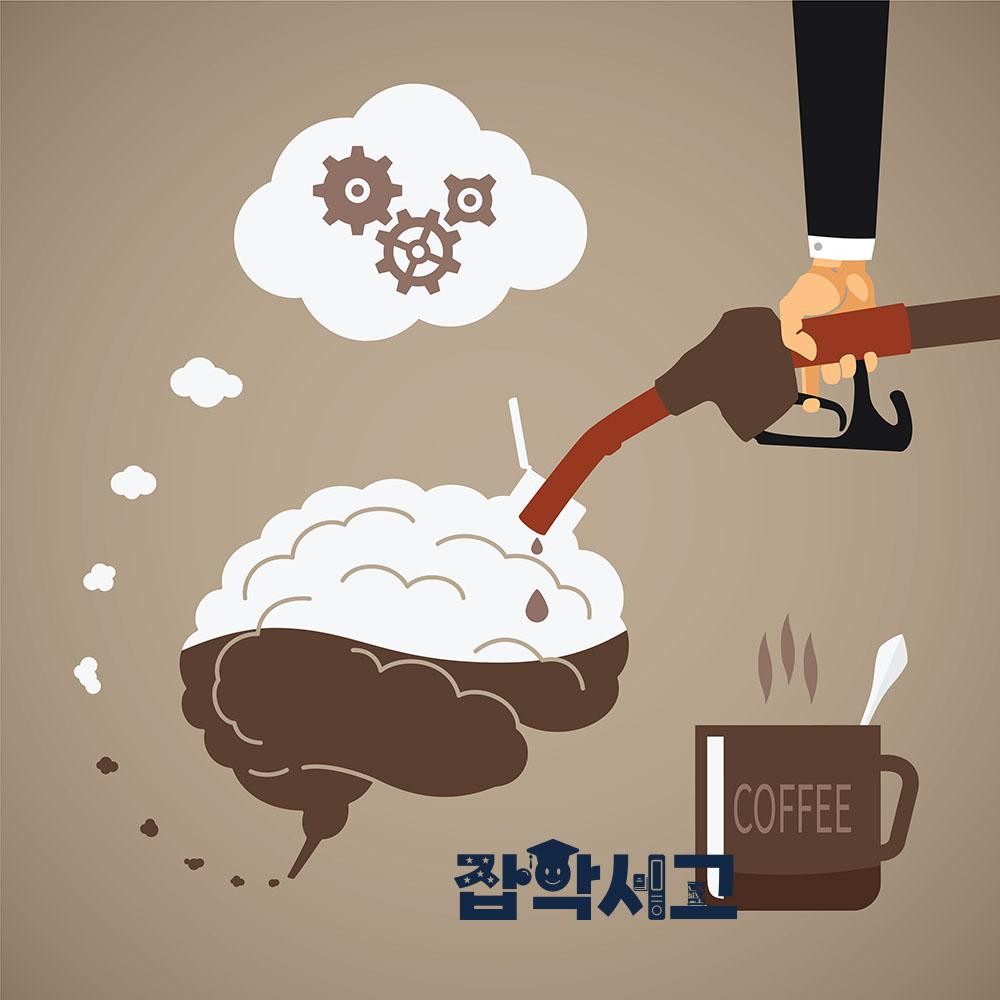 What Is the Stimulating Effect of Caffeine Consumption?
The stimulating effect refers to the way stimulants such as caffeine act on our bodies to ward off drowsiness and clear our minds. This helps us stay more awake, concentrate better, and feel less tired.
How the Stimulating Effect Works
The process by which caffeine produces its stimulating effect is as follows.
1. Blocking Adenosine: Caffeine interferes with the action of a chemical called adenosine, which causes drowsiness and fatigue in the brain. It suppresses drowsiness by preventing adenosine from binding to its receptors.
2. Promoting Dopamine Release: Caffeine promotes the release of neurotransmitters such as dopamine, which improve mood and increase alertness. This helps improve mood and concentration.
3. Increased Neural Activity: Caffeine stimulates the central nervous system and increases neural activity, helping you stay awake.
Key Characteristics of the Stimulating Effect
1. Reduced Fatigue: Caffeine reduces feelings of fatigue, helping you remain active for longer.
2. Improved Concentration: It can improve performance by increasing concentration during work or study.
3. Faster Responses: It increases the speed of nerve signal transmission, shortening reaction time.
Examples from Everyday Life
1. Morning Coffee: Many people start their day by drinking coffee in the morning to feel less tired and regain their energy through caffeine’s stimulating effect.
2. Preparing for Exams: Students drink coffee or energy drinks while studying for exams to improve concentration and memory.
3. Driving at Night: When driving at night, people consume coffee or energy drinks to ward off drowsiness and maintain attention.
Precautions
Excessive Alertness: Consuming too much caffeine can cause excessive alertness, leading to symptoms such as anxiety and heart palpitations.
Duration: Caffeine’s effects usually last 3-5 hours, but this may vary from person to person. Consuming it late in the day may interfere with sleep.
The stimulating effect of caffeine consumption wards off drowsiness and clears the mind, allowing you to stay more awake and focused. It reduces fatigue and improves concentration, making it useful in various everyday situations. However, it is important to consume an appropriate amount.
In conclusion, caffeine provides various benefits in our lives, but appropriate consumption is important. A careful approach to caffeine consumption is needed based on each person’s health and circumstances.
This can help maximize caffeine’s positive effects and minimize its side effects. A proper understanding of caffeine and appropriate consumption will continue to play an important role in maintaining a healthy lifestyle.