Mineral nutrients (minerals) are essential for maintaining human health, and consuming them in daily life is important. They support various functions in the body, particularly by forming bones and teeth and regulating nerve and muscle function.
Understanding the types of minerals, how to consume them, and foods rich in minerals helps maintain a healthy lifestyle.
This material explains what minerals are, their functions, how to consume them, and representative foods that provide them.
What Are Minerals?
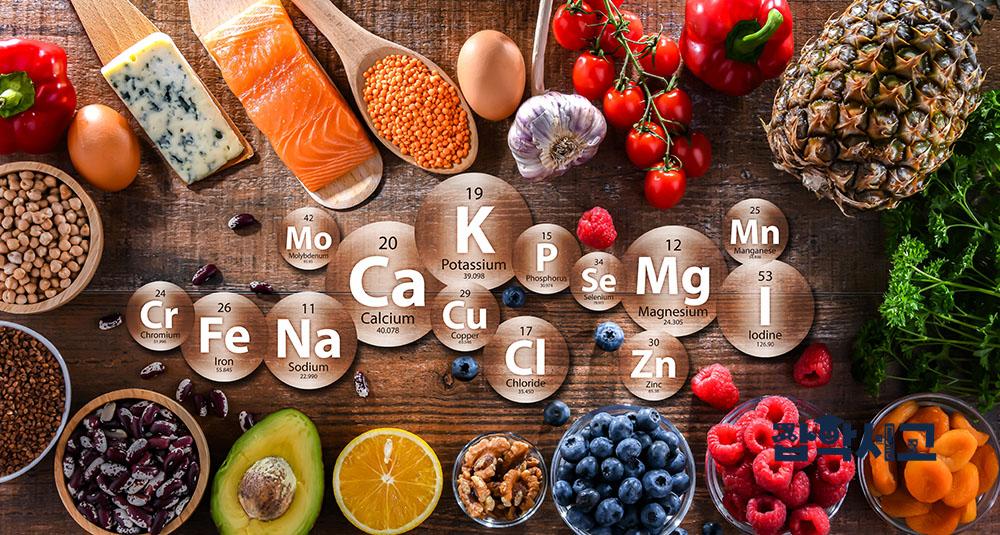 Different Types of Minerals and Their Functions
Minerals are basic substances that our bodies need to function normally and stay healthy. These minerals consist of inorganic substances found in nature and play important roles in our bodies.
For example, minerals build and strengthen bones, maintain the body's fluid balance, and help nerves and muscles function properly.
These minerals can mainly be obtained from the foods we eat. For example, milk and cheese provide calcium, red meat provides iron, and bananas and oranges provide potassium.
Because minerals sustain life and support various functions in our bodies, it is important to maintain healthy eating habits and consume foods rich in minerals.
Functions of Minerals
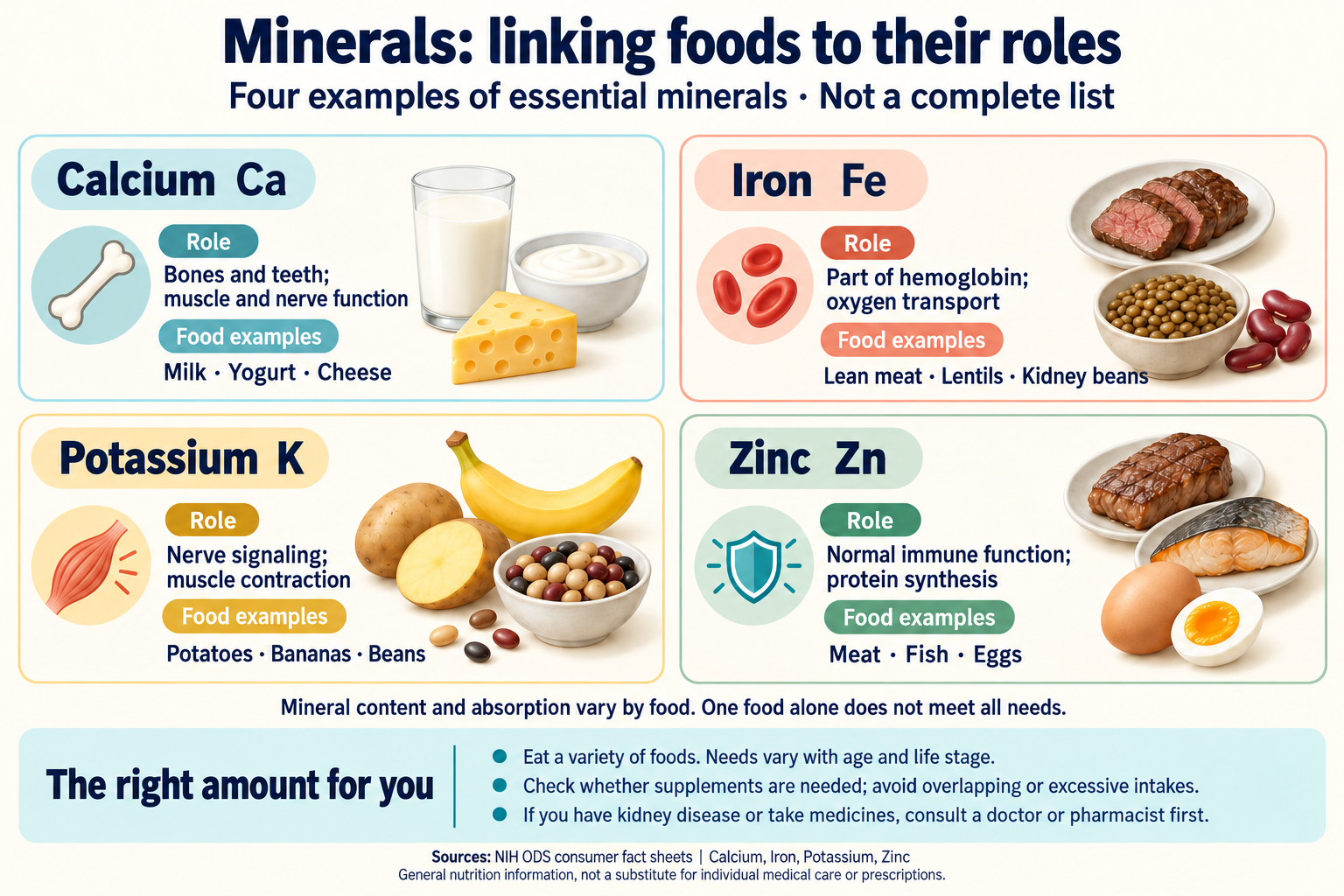
Minerals perform various functions in the human body, and each mineral has a slightly different role.
There are 16 minerals in total, including calcium, phosphorus, potassium, sodium, chlorine, magnesium, iron, zinc, copper, manganese, iodine, selenium, chromium, molybdenum, fluorine, cobalt, and others. The following is a summary of the main minerals and their functions.
Calcium (Calcium)
- Forms and strengthens bones and teeth.
- Helps with nerve transmission and muscle contraction.
- Supports normal heart function.
Iron (Iron)
- It is important for forming hemoglobin and myoglobin, key components of blood. These transport and store oxygen.
- Is needed for energy production and strengthens the immune system.
Magnesium (Magnesium)
- Supports energy production and muscle and nerve function.
- Maintains bone health and keeps the heartbeat normal.
Potassium (Potassium)
- Maintains the body's fluid and electrolyte balance.
- Helps with nerve transmission and muscle contraction.
- Prevents high blood pressure and supports normal heart function.
Sodium (Sodium)
- Maintains the body's fluid balance and is important for nerve transmission and muscle contraction.
- High intake levels can lead to health problems such as high blood pressure.
Phosphorus (Phosphorus)
- Forms and strengthens bones and teeth.
- Helps with energy storage and use.
Iodine (Iodine)
- Helps produce thyroid hormones. These hormones are important for the body's energy production and brain function.
Zinc (Zinc)
- Strengthens immune system function and helps wounds heal.
- Supports growth and development, as well as the senses of smell and taste.
Each mineral supports specific functions in our bodies, and it is important to consume sufficient amounts of minerals through a balanced diet. Insufficient or excessive mineral intake can cause health problems, so it is best to follow the recommended intake amounts.
Mineral Intake Methods and Precautions
 Effective Mineral Intake Methods and Precautions
Minerals are micronutrients that our bodies need and play an important role in regulating and maintaining various bodily functions. Each mineral has specific functions, and insufficient or excessive intake can cause health problems.
Ways to Consume Minerals
Eat a Balanced Variety of Foods
It is best to follow a balanced diet and eat a variety of foods. Minerals are found in both plant-based and animal-based foods, so you should combine vegetables, fruits, grains, dairy products, meat, fish, and other foods appropriately.
Choose Specific Foods
Some minerals are abundant in particular foods, so it is best to eat those foods regularly. For example, calcium is abundant in dairy products such as milk and cheese, while iron is abundant in meat and legumes. Iodine is abundant in seafood and salt.
Consider Interactions
Some minerals interact with other minerals, which can affect their absorption rates, so it is best to take this into account when consuming them. For example, iron absorption increases when it is consumed with vitamin C and decreases when it is consumed with calcium. Magnesium absorption increases when it is consumed with vitamin D and decreases when it is consumed with sodium.
Whether to Cook Foods
Minerals are not destroyed by normal cooking heat, but some can leach into the cooking water during boiling or blanching. Changes in potassium content vary with the food and cooking method, so preserving potassium alone is not a sufficient reason to recommend eating foods raw. Copper and zinc do not have to be heated for the body to use them as nutrients.
Mineral Intake Precautions
Consume Appropriate Amounts
Minerals should not be consumed in amounts that are too small or too large. Too little can cause deficiency symptoms, while too much can cause symptoms of toxicity. For example, calcium deficiency can cause osteoporosis or muscle cramps, while excess calcium can cause kidney stones or hardening of the blood vessels. Iron deficiency can cause anemia or weakened immunity, while excess iron can cause liver damage or heart disease.
Consult a Doctor or Pharmacist
Minerals can interact with medications, so you should consult a doctor or pharmacist if you are taking medication. For example, calcium can interact with antibiotics or steroids and reduce their effectiveness, while iron can interact with antacids or antidepressants and reduce their effectiveness.
Some minerals can also increase the side effects of medications. For example, sodium can increase the effects of medications that cause high blood pressure or edema, while magnesium can increase the effects of medications that cause diarrhea or vomiting.
Expert Advice
Mineral intake amounts may vary depending on an individual's physical condition or health goals, so it is best to seek expert advice. For example, pregnant or breastfeeding women need to consume more minerals than the general population, while athletes or people who are dieting may need to consume smaller amounts or different proportions of minerals than the general population.
Minerals are essential nutrients for our bodies, and consuming them appropriately benefits health. However, it is important to understand intake methods and precautions and adjust your intake to suit your circumstances.
Which Foods Provide Each Type of Mineral?
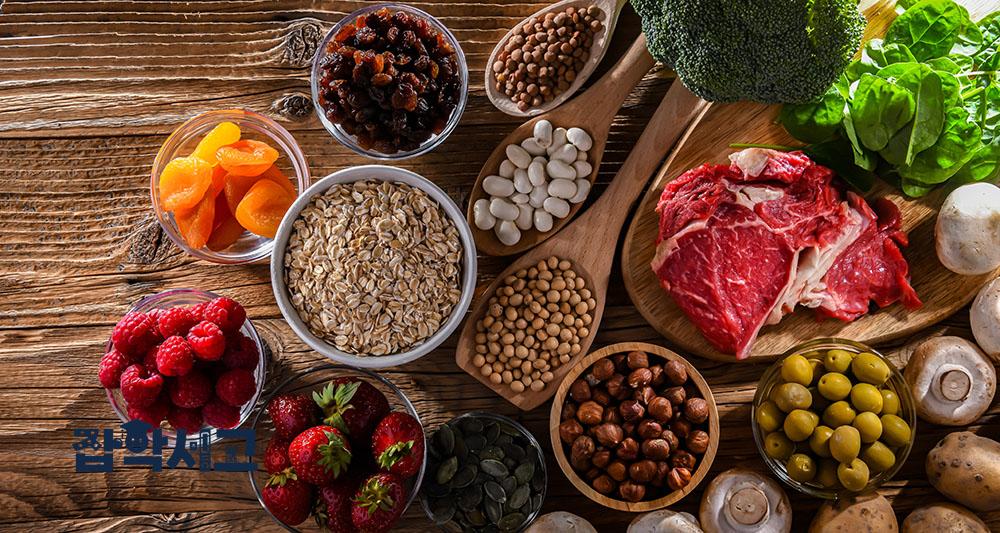 What Are the Representative Foods for Each Type of Mineral?
Each mineral plays an important role in maintaining health and supporting the body's normal functions. To obtain minerals, it is best to maintain a balanced diet and eat a variety of foods.
Foods rich in minerals include nuts, seeds, seafood, cruciferous vegetables, eggs, beans, and cocoa. You can consume sufficient amounts of the minerals you need through the following foods.
Calcium (Calcium): Milk, cheese, tofu, spinach, almonds
Phosphorus (Phosphorus): Meat, dairy products, nuts, beans, seeds
Potassium (Potassium): Bananas, potatoes, oranges, avocados, raspberries
Sodium (Sodium): Salt, ham, sausages, pickles, cheese
Magnesium (Magnesium): Nuts, seeds, chocolate, whole wheat, bananas
Iron (Iron): Meat, whole wheat, lentils, tomatoes, spinach
Copper (Copper): Seafood, nuts, seeds, avocados
Selenium (Selenium): Brazil nuts, seafood, sunflower seeds, eggs
Zinc (Zinc): Meat, seafood, nuts, seeds
Iodine (Iodine): Seafood, iodized salt, dairy products
We have explored the importance of minerals, their functions, and various foods that provide them. Minerals help maintain our bodies' health and improve the quality of daily life.
Consuming plenty of minerals is important for maintaining a healthy lifestyle and better bodily function.
Therefore, it is best to maintain your health by eating foods rich in minerals and considering nutritious supplements as needed.