Food labels are tools that provide very important information when we choose foods. In modern society, healthy food choices can greatly influence our quality of life, and reading food labels correctly is an essential skill for maintaining a healthy lifestyle.
This material explains the importance of food labels and how to read them in detail, aiming to help you make healthier choices.
The Importance of Food Labels: Why Should We Read Them?
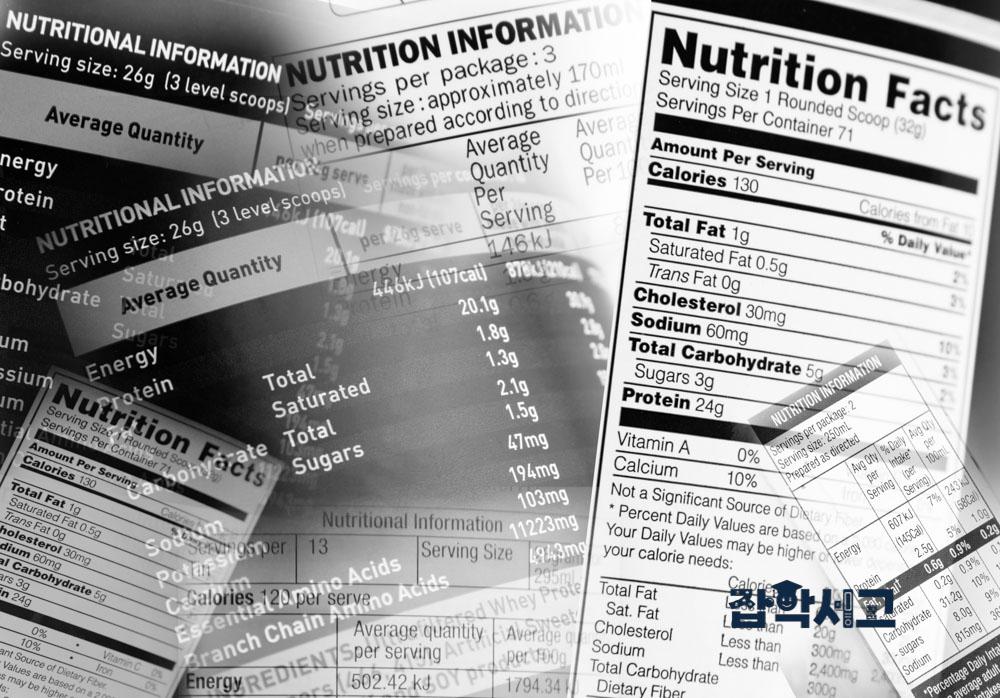 Why should we read food labels?
Checking Ingredients Accurately
Food labels are a window into important information about a product. First, labels help us know exactly what we are eating. This is particularly important for people with allergies or sensitivities to certain ingredients. For example, people with gluten intolerance can check food labels to see whether a product contains gluten.
Maintaining Healthy Nutrient Intake
Second, reading labels helps us maintain a healthy nutrient intake. Labels contain information about calories, carbohydrates, fat, protein, and more, allowing us to regulate the nutrients we consume throughout the day. This is very helpful for people who want to manage their weight or achieve specific health goals.
Protecting Consumer Rights
Third, food labels protect our rights as consumers. Manufacturers must provide ingredient and nutrition information transparently, and this information allows us to choose more trustworthy products. In addition, if the information on a label is inaccurate or false, we can use it as a basis for raising an issue.
Checking Expiration Dates
Fourth, labels help us check the expiration dates of foods. Expiration dates are an important factor in maintaining food safety, and checking them can help maintain freshness and reduce risks such as food poisoning.
Environmental and Social Responsibility
Fifth, food labels allow us to choose products that fulfill environmental and social responsibilities. For example, labels such as 'organic' and 'fair trade' mean that a product was produced with environmental and social responsibility in mind. By choosing these products, we can practice sustainable consumption.
Checking the Source
Finally, food labels help us check where foods come from. Information about the country of manufacture or indications of origin tells us which country produced the foods we consume, and this can be an important criterion for judging food safety and quality.
Understanding the Nutrition Facts Panel: Basic Principles and Precautions
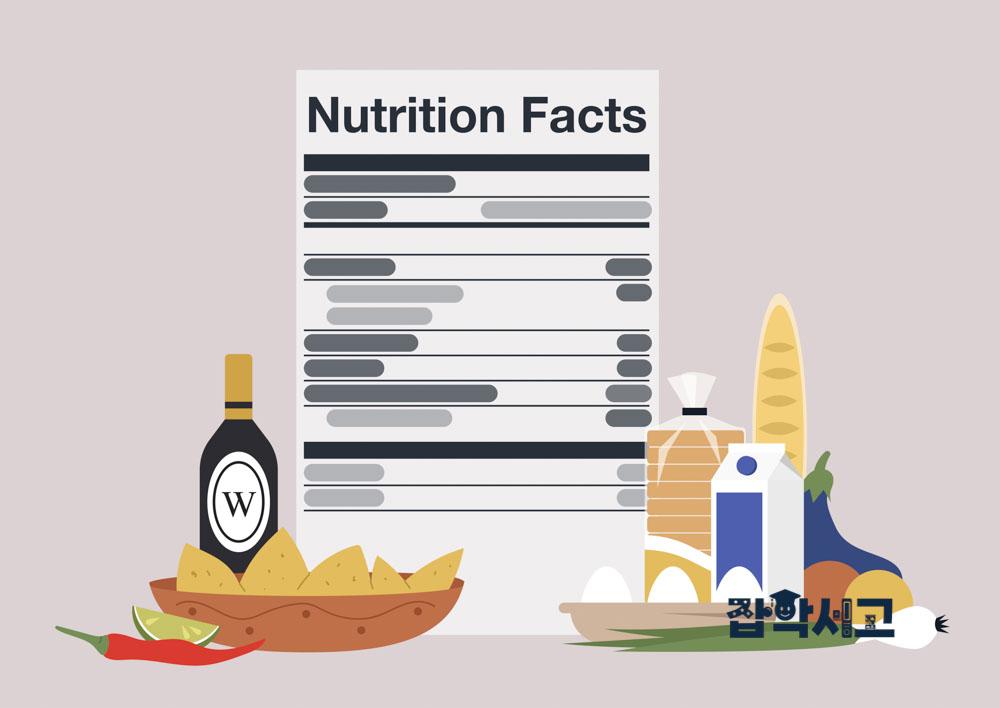 What should we check on the nutrition facts panel?
Checking the Amount per 1 Serving
The nutrition facts panel is a key part of a food label and provides detailed information about the food's nutritional content. First, the very first thing to check is the 'amount per 1 serving.' This refers to the reference amount for consuming that food. For example, if the amount per 1 serving is listed as 100 g, all information on the panel is provided based on 100 g.
Checking Calorie Information
Second, you should check the calorie information. Calories refer to the energy that the food we consume supplies to our bodies. People managing their weight or dieting need to regulate their daily calorie intake, so it is important to check a food's calorie information carefully.
Checking the Main Nutrients
Third, you should check the amounts of carbohydrates, protein, and fat. These three main nutrients are essential for supplying energy to our bodies and maintaining their functions. In particular, carbohydrates are the main source of energy, protein is important for building and maintaining muscles, and fat is needed for cell structure and hormone production.
Checking the Proportions of Specific Nutrients
Fourth, it is also important to check the proportions of specific nutrients. For example, if the proportions of sodium, sugar, or trans fat are high, caution is needed because these can negatively affect health. In particular, excessive sodium intake can cause cardiovascular conditions such as high blood pressure.
Checking Vitamins and Minerals
Fifth, it is also important to check the amounts of vitamins and minerals. They support various functions in our bodies, and deficiencies can cause various health problems. We should strive to maintain a balanced diet by checking the amounts of vitamins A and C, iron, calcium, and other nutrients.
Comparing Multiple Products
Finally, to have confidence in the information on nutrition facts panels, it is a good idea to compare multiple products. Even foods of the same type may differ in their ingredients and nutrient content depending on the manufacturer, so these comparisons can help us make healthier choices.
Analyzing the Ingredient List: Harmful Ingredients and Additives to Avoid
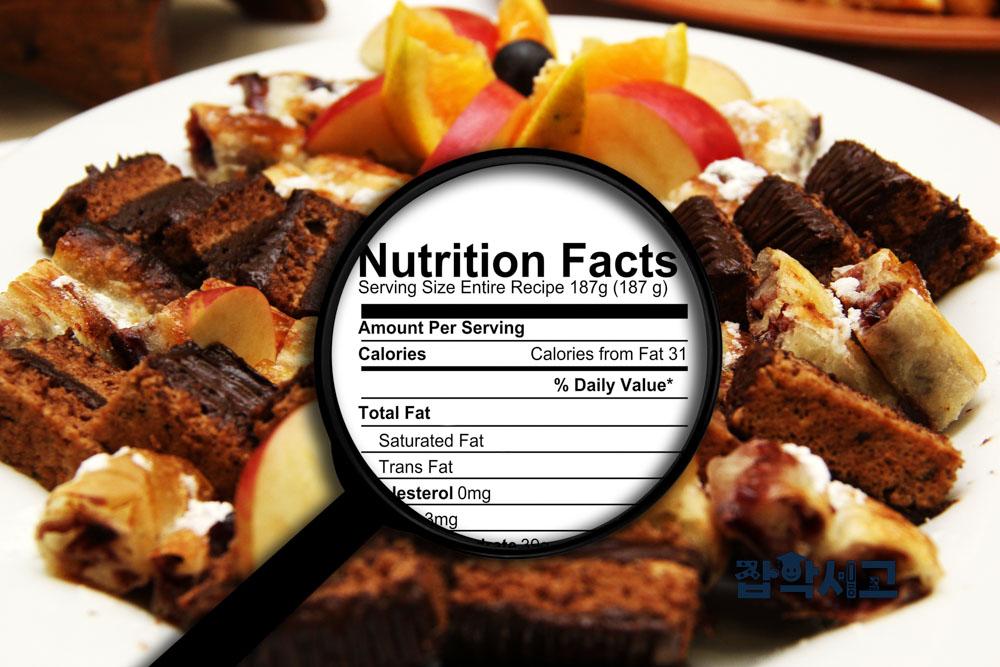 What harmful ingredients should we avoid?
Checking for Harmful Ingredients
The ingredient list is the section that lists all the ingredients contained in a product, allowing us to assess the food's quality and safety. First, the very first thing to check is harmful ingredients. For example, trans fat and high-fructose syrup are very harmful to health, so it is advisable to avoid foods that contain these ingredients.
Checking for Artificial Additives
Second, you should check for the presence of artificial additives. Artificial colors, artificial sweeteners, preservatives, and similar additives can negatively affect health over the long term. In particular, artificial colors can cause allergic reactions in some people, and artificial sweeteners may not be good for people with diabetes.
Being Careful with Added Sugars
Third, you should be careful with added sugars such as high-fructose corn syrup (HFCS). These added sugars can cause problems such as weight gain and insulin resistance. Therefore, it is advisable to avoid foods whose ingredient lists contain large amounts of added sugars such as sugar and syrup.
Checking Sodium Content
Fourth, it is also important to check the sodium content. Foods high in sodium are one of the main causes of cardiovascular conditions such as high blood pressure. If ingredients such as 'salt,' 'sodium,' or 'MSG' appear near the beginning of the ingredient list, the food is likely to have a high sodium content.
Checking for Allergenic Ingredients
Fifth, people who are allergic to specific ingredients such as gluten or lactose should carefully check the ingredient list. Manufacturers often highlight these allergenic ingredients on their labels. Therefore, people with allergies or sensitivities should examine these labels closely.
Checking the Raw Ingredients
Sixth, it is also important to check the food's raw ingredients. How healthy a food is can vary depending on whether its raw ingredients are in their natural state or have been processed. For example, whole grains are rich in nutrients in their unprocessed state, while refined grains can lose many nutrients.
Selection Criteria: How to Choose Healthy Products
 How can we choose healthy products?
Checking the Proportion of Natural Ingredients
The first criterion for choosing healthy foods is the proportion of natural ingredients. Foods containing a high proportion of natural ingredients are richer in nutrients and healthier than processed foods. For example, it is advisable to choose fresh fruits and vegetables, whole grains, and similar foods.
Choosing Products Low in Sugar, Sodium, and Fat
The second criterion is to choose products low in sugar, sodium, and fat. These products help with blood sugar control, maintaining cardiovascular health, weight management, and more. In particular, it is important for people with chronic conditions such as diabetes or high blood pressure to choose these products.
Choosing High-Protein Foods
The third criterion is to choose high-protein foods. Protein plays an important role in maintaining and repairing our body's muscles and tissues. In particular, people who exercise frequently are advised to choose foods rich in protein.
Choosing High-Fiber Foods
The fourth criterion is to choose high-fiber foods. Fiber aids digestion, maintains intestinal health, and provides a feeling of fullness that helps prevent overeating. Whole grains, fruits, vegetables, and similar foods are high-fiber foods.
Choosing Organic Products
The fifth criterion is to choose organic products. Organic products are grown without chemical fertilizers or pesticides, so they carry lower risks such as pesticide residues. In addition, organic products are less harmful to the environment and promote sustainable consumption.
Checking Quality Certification Marks
The sixth criterion is to check the quality certification marks shown on the label. For example, marks such as 'FDA approved' or 'HACCP certified' mean that the product meets certain quality and safety standards. These certification marks allow us to choose more trustworthy products.
Food labels play an important role in assessing the quality and safety of the foods we consume every day. By understanding the importance of reading food labels and how to do so through this material, you will be able to make healthier food choices.
Ultimately, choosing foods wisely is the first step in protecting our health. Furthermore, if we develop consumption habits that consider environmental and social responsibility as well as our personal health, this will make the future brighter for all of us.