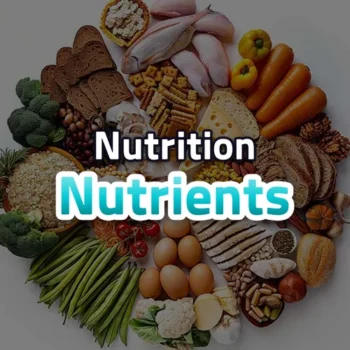
In modern society, rapidly changing lifestyles and irregular eating habits make it difficult for many people to maintain their health. In these circumstances, health foods are attracting attention as one of the various ways to protect health, and they play an important role in improving our quality of life.
This article aims to analyze the concept of health foods and the need for them in depth, explain the nutrients provided by common health foods and their functions, and propose specific ways to incorporate these foods effectively into modern diets. It also aims to help readers make appropriate choices suited to their health conditions and needs by presenting the key factors to consider when selecting health foods.
Exploring the Definition of Health Foods and the Need for Them

The Definition of Health Foods and Their Importance
Health foods are foods manufactured to provide more health benefits than ordinary foods, or foods that naturally provide such benefits. These foods contain various nutrients, including vitamins, minerals, antioxidants, and fiber, which help promote physical health and prevent disease. For example, fish rich in omega-3 fatty acids has a positive effect on cardiovascular health, while beta-glucan found in oats can help lower cholesterol levels.
The need for these health foods is increasingly emphasized in modern society. This is because deficiencies in essential nutrients have become more common as consumption of processed foods and fast food has increased. Health foods play an important role in protecting health by replenishing missing nutrients and providing balanced nutrition.
Changes in Modern Eating Habits and the Need for Health Foods
Modern eating habits have changed significantly compared with the past. The rapidly changing pace of life and busy schedules have led many people to rely on processed foods and fast food. These diets provide an unbalanced supply of nutrients and can adversely affect health over the long term. A lack of vitamins and minerals causes problems such as fatigue, reduced immunity, and decreased concentration, which can lead to chronic health problems.
Health foods are therefore essential for addressing nutritional deficiencies and maintaining overall health in people today. Health foods rich in vitamins and minerals can help resolve these deficiencies and improve health.
Nutrients That Protect Against Stress and Environmental Pollution
In modern society, stress and polluted environments have substantial negative effects on health. Nutrients such as antioxidants must therefore be consumed. Antioxidants help prevent cellular damage and slow aging. This is particularly important for people today, who experience rapid aging.
Consuming health foods rich in antioxidants can protect the body and promote cellular regeneration. This also has a positive effect on skin health and improved immunity, and is essential for promoting healthy aging.
Disease Prevention and the Role of Health Foods
The incidence of chronic diseases is increasing in modern society. Various diseases, including obesity, diabetes, and heart disease, have emerged as concerns, and health foods play a major role in preventing and managing them. For example, foods rich in calcium and vitamin D are effective in preventing osteoporosis, while adequate fiber intake can improve colon health and prevent digestive diseases.
In addition, foods rich in omega-3 fatty acids or magnesium help lower blood pressure and reduce the risk of cardiovascular disease. Regular consumption of these health foods can help prevent the onset of chronic diseases and maintain a healthy lifestyle.
Improving Quality of Life Through Health Foods
Consuming health foods provides benefits beyond simply correcting deficiencies. Regular consumption of health foods helps balance the body, supply energy, and enhance emotional stability. This greatly helps improve overall quality of life and restore vitality in everyday life.
Maintaining healthy eating habits and consistently consuming essential nutrients reduces physical fatigue and also helps manage mental stress. This plays an important role in maintaining a healthy body and mind.
Considerations When Choosing Health Foods
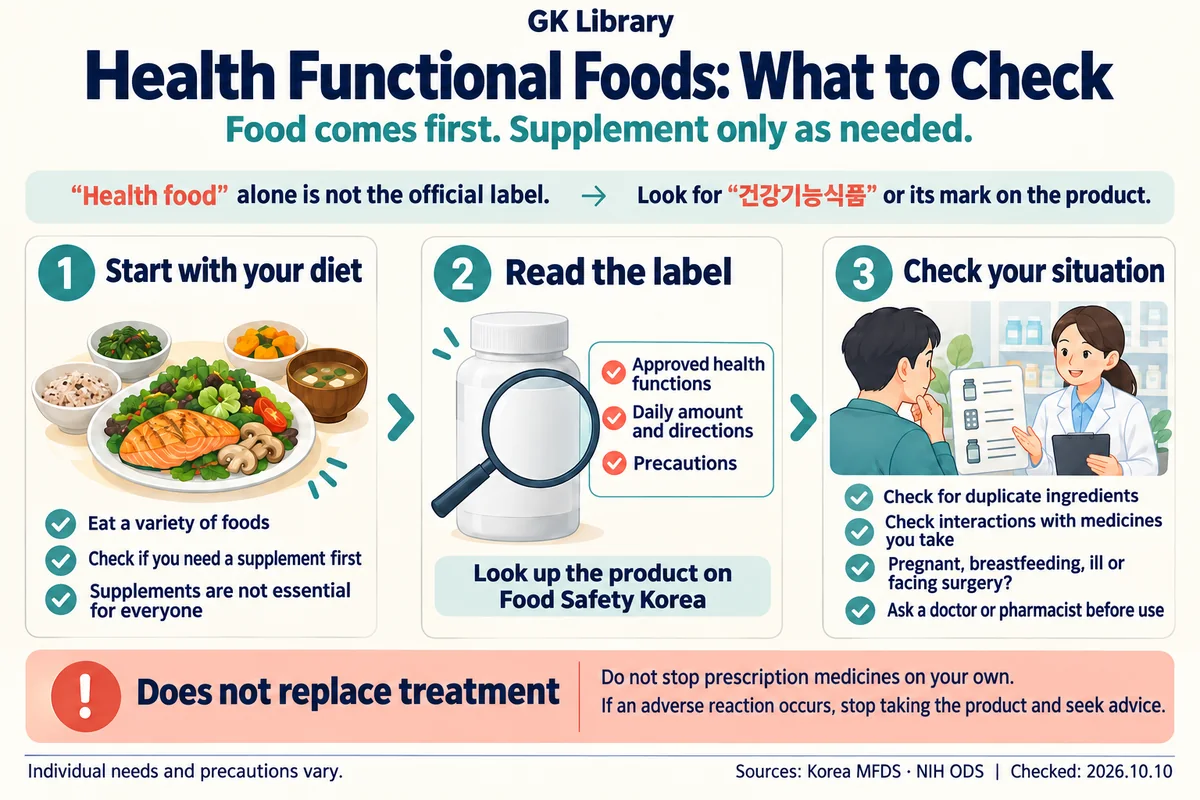
Health foods must be chosen carefully. Products should be selected according to each person's health condition and needs, and caution is needed regarding side effects caused by excessive consumption. Rather than consuming health foods indiscriminately, it is important to make personalized choices that take your nutritional status into account.
It is also advisable to examine product ingredients carefully and choose reliable products. This allows you to avoid unnecessary ingredients and consume only nutrients that benefit your health.
Analyzing the Nutrients in Major Health Foods and Their Roles

The Importance of Vitamin C and Foods Rich in It
Vitamin C is an essential nutrient that plays an important role in activating the immune system, contributing to infection prevention and wound healing. Through its antioxidant activity, it protects cells in the body and helps suppress inflammation. Vitamin C also defends cells against free radicals, preventing cellular damage and helping prevent aging and disease. In addition to preventing common illnesses such as colds, it has a positive effect on cardiovascular health over the long term.
Because this essential nutrient is not synthesized in the body, it must be consumed through the diet every day. Foods rich in vitamin C include citrus fruits, strawberries, kiwifruit, broccoli, and bell peppers, and it also helps prevent anemia by supporting iron absorption. Vitamin C intake is essential for people who are deficient in iron, and it is important to consume it consistently every day through these foods. Vitamin C also helps relieve fatigue, making it effective in increasing energy and enhancing vitality.
The Role of Omega-3 Fatty Acids and Foods Rich in Them
Omega-3 fatty acids are essential fatty acids for maintaining cardiovascular health and reducing inflammation. Because these fatty acids are not naturally produced in the body, they must be obtained from food. Omega-3 helps prevent high blood pressure and heart disease by dilating blood vessels and improving circulation, and it also helps improve brain function in particular. Because it plays an important role in regulating neurotransmitters in the brain, it also has a positive effect on improving concentration and memory.
Omega-3 is mainly abundant in oily fish such as mackerel, salmon, and sardines, and can also be found in plant sources such as flaxseed, walnuts, and spinach. These fatty acids are also effective in preventing depression and help improve mental health overall. Omega-3 intake is therefore essential for maintaining both mental and physical health.
The Importance of Fiber and Its Main Sources
Fiber is an essential nutrient for maintaining digestive health, helping prevent constipation and improve colon health. Fiber remains undigested in the digestive tract, promoting the growth of beneficial intestinal bacteria and stimulating intestinal movement to improve bowel movements. This also plays an important role in preventing digestive diseases and lowering the risk of metabolic syndrome.
Fiber is abundant in oats, barley, legumes, fruits, and vegetables, and regularly consuming these foods also helps prevent obesity and diabetes by regulating blood sugar and lowering cholesterol levels. Fiber also plays an important role in weight management, and long-term consumption contributes to improved metabolic function as well as digestive health.
The Functions of Antioxidants and Foods Rich in Them
Antioxidants play an important role in preventing aging and degenerative diseases by neutralizing reactive oxygen species that damage the body's cells. Reactive oxygen species are produced naturally in the body, but when produced in excess, they can cause cellular damage and lead to diseases such as cancer, heart disease, and dementia. Antioxidants remove these reactive oxygen species, preventing cellular damage and promoting the body's regenerative functions.
Foods rich in antioxidants include blueberries, dark chocolate, green tea, and nuts, and regularly consuming these foods strengthens immunity and also has a positive effect on skin health. Antioxidants help prevent skin aging by maintaining skin elasticity and suppressing wrinkle formation. Berries also contribute to improved memory and brain function, positively affecting learning ability.
The Roles of Minerals and Their Main Sources
Minerals are essential nutrients that support various physiological functions in our bodies. Iron plays an important role in transporting oxygen, and a deficiency can cause anemia. Iron is particularly essential for pregnant women and women who are menstruating. An iron deficiency can cause fatigue, dizziness, and reduced concentration, and anemia can lead to a loss of vitality in everyday life.
Calcium is an essential mineral for maintaining healthy bones and teeth, and a deficiency can increase the risk of osteoporosis or fractures. Foods rich in calcium include dairy products, tofu, and broccoli, and consuming it together with vitamin D increases calcium absorption. Minerals maintain the body's physiological balance and support muscle and nerve function, playing a particularly important role for growing children and older adults.
The Role of Probiotics and Foods Rich in Them
Probiotics are essential for improving digestive health by maintaining the balance of beneficial intestinal bacteria. Maintaining beneficial bacteria is important because a disruption in the balance of intestinal microorganisms can reduce immunity and cause digestive diseases. Probiotics contribute to better overall health by promoting digestion, reducing inflammation, and strengthening immunity.
Foods rich in probiotics include fermented foods such as yogurt, kimchi, and doenjang. These fermented foods provide beneficial bacteria to aid digestion, improve intestinal health and prevent constipation, and positively affect weight management over the long term. Probiotics can also help prevent various diseases by improving the intestinal environment to normalize digestive function and strengthen the immune system.
The Importance of Protein and Its Various Sources
Protein is an essential nutrient that plays an important role in building and maintaining the muscles in our bodies. It also supports cellular growth and regeneration and regulates bodily functions by producing enzymes and hormones. Insufficient protein can lead to muscle loss, increased fatigue, and reduced immunity, making the body more susceptible to disease.
The main sources of protein include animal foods such as meat, fish, and eggs, while alternative sources for vegetarians include legumes, tofu, lentils, quinoa, and nuts. Protein intake after exercise particularly promotes muscle recovery and growth, and regular protein intake helps with weight management as well as maintaining muscle mass. Growing children, older adults, and people who exercise frequently need an especially adequate protein intake.
The Role of Vitamin D and Problems Caused by Deficiency
Vitamin D is an important nutrient that helps with calcium and phosphorus absorption and maintains healthy bones and teeth. Vitamin D deficiency can cause osteoporosis, bone pain, and muscle weakness, and increases the risk of fractures over the long term. Vitamin D also affects the immune system and plays a role in preventing infections and suppressing inflammation. Recent research in particular suggests that vitamin D deficiency may be associated with reduced immunity and greater susceptibility to respiratory illnesses such as colds and influenza.
Vitamin D can be synthesized naturally through exposure to sunlight, but the amount synthesized decreases during winter or as more time is spent indoors. Vitamin D must therefore be obtained from food to replenish it, with salmon, egg yolks, and vitamin D-fortified milk being representative examples. Older adults and people who spend much of their time indoors should particularly consider additional intake through vitamin D supplements.
The Functions of Magnesium and Why It Is Essential
Magnesium is an essential mineral involved in more than 300 biochemical reactions in our bodies, playing an important role in regulating nerve and muscle function and producing energy. Magnesium also contributes to maintaining a regular heartbeat and lowering blood pressure, and is effective in relieving stress and preventing insomnia. It also helps prevent diabetes by regulating blood sugar and positively affects bone health.
Magnesium deficiency can cause symptoms such as muscle cramps, fatigue, reduced concentration, and sleep disorders. Its main sources include spinach, almonds, sunflower seeds, pumpkin seeds, and dark chocolate. Magnesium is an essential nutrient, particularly for people today who experience high levels of stress, and people under considerable stress or who exercise frequently should pay attention to their magnesium intake.
The Role of Folate and Its Importance as an Essential Nutrient for Pregnant Women
Folate belongs to the B vitamins, which are essential for DNA synthesis and cell division, and is a particularly important nutrient for pregnant women. Folate supports the development of the fetal neural tube and plays an important role in preventing brain and spinal cord defects. Because folate deficiency can seriously affect fetal development, particularly in early pregnancy, pregnant women are advised to consume adequate folate starting at the pregnancy planning stage.
Folate is also essential for red blood cell production, and a deficiency can cause anemia. Its main sources include green vegetables, asparagus, lentils, and broccoli, and it is also added to foods such as breakfast cereals through fortification. Pregnant women in particular should consider additional intake through folate supplements, and it is also recommended as an important nutrient for all adults.
The Functions of Potassium and Its Effects on Heart Health
Potassium plays an important role in maintaining the balance of water and electrolytes within cells and has a particularly significant effect on heart and nerve function. Potassium protects cardiovascular health by regulating blood pressure, supporting muscle contraction, and regulating sodium levels in the body. Potassium deficiency can cause high blood pressure, which increases the risk of heart disease and stroke.
Potassium can be obtained from foods such as bananas, potatoes, avocados, spinach, and sweet potatoes. People with high blood pressure or cardiovascular disease in particular should manage their blood pressure effectively through adequate potassium intake as well as reducing sodium intake. Potassium is also essential for people who experience muscle cramps or fatigue.
The Antioxidant Role of Selenium and Thyroid Health
Selenium is a powerful antioxidant that protects the body's cells and strengthens the immune system. Selenium particularly supports thyroid function, enabling smooth metabolism and helping ensure appropriate thyroid hormone production. Selenium deficiency can cause problems such as hypothyroidism, fatigue, and reduced immunity.
Selenium can be obtained abundantly from Brazil nuts, tuna, eggs, and brown rice, and its antioxidant activity in the body contributes to preventing cellular damage, aging, and degenerative diseases. Brazil nuts in particular are among the richest sources of selenium, and eating just one or two a day can provide an adequate amount.
The Functions of Zinc and Strengthening Immunity
Zinc is an important mineral that helps wounds heal and strengthens immunity. Zinc is involved in DNA synthesis and cell division and plays an essential role in growth and development. Zinc deficiency can reduce immune function, increasing susceptibility to infections and slowing wound healing. Zinc also plays an important role in maintaining the senses of taste and smell.
Zinc can be obtained abundantly from oysters, beef, pork, nuts, and legumes. Zinc plays an important role particularly in preventing illnesses such as colds, and is effective in suppressing inflammation in the body and improving immunity. Zinc intake is especially important for children, adolescents, and pregnant women, and a deficiency can impair growth.
Ways to Incorporate Health Foods into Modern Diets

Adding Health Foods to Breakfast
For busy people today, breakfast is an important meal that marks the start of the day. Incorporating health foods into breakfast can provide a steady supply of the energy needed throughout the day. For example, adding fresh fruit and nuts to oatmeal made from oats allows you to enjoy a nutritious meal rich in vitamins, minerals, and fiber. This helps improve digestive health and increase satiety, reducing unnecessary snacking. It can be easily incorporated into daily life, particularly because it is convenient to eat in the morning.
Including Fresh Salads in Lunch and Dinner
Including fresh salads in lunch and dinner is a good way to incorporate health foods. Various vegetables provide vitamins, minerals, and fiber, and adding salmon or avocados rich in omega-3 fatty acids can balance the nutrients. Using olive oil and lemon juice as salad dressing also allows you to consume healthy fats. These salads can support digestive health and contribute to preventing heart disease. Adding fresh vegetables and healthy fats to lunch and dinner is essential for long-term health management.
Choosing Health Foods as Snacks
People today often eat snacks during their busy daily lives, and it is important to choose health foods at these times. Eating health foods such as nuts, yogurt, and fruit as snacks instead of high-calorie processed foods can replenish nutrients while reducing unnecessary calorie intake. Nuts in particular provide good fats and protein, helping increase satiety and maintain a steady supply of energy. Yogurt contains probiotics that support digestive health, improving intestinal health. Choosing healthy snacks also positively affects weight management.
Choosing Healthy Beverages
It is also important to consider health when choosing beverages. Choosing green tea or herbal tea instead of sugary drinks or coffee allows you to consume both antioxidants and fluids. Green tea is low in caffeine and rich in antioxidants, providing vitality without putting strain on the body. Herbal tea supports digestive health and is also effective in relieving tension. Beverages low in sugar also help with weight management. It is therefore advisable to consider health when choosing beverages and select those containing ingredients that benefit the body.
Trying a Variety of Health Foods
Trying a new health food once a week helps maintain healthy eating habits. Trying various health foods can increase dietary variety and allow you to discover new flavors and nutrients. For example, superfoods such as quinoa, chia seeds, and kale provide a diverse range of nutrients and can replenish nutrients you do not usually consume. This keeps the diet from becoming monotonous and can help maintain balanced nutrition over the long term.
Reading and Understanding Food Labels
Developing the habit of reading labels carefully when choosing foods allows you to learn about nutrients and additives. Labels allow you to check the amounts of nutrients in foods and determine whether they contain excessive sugar or sodium, or artificial additives. This allows you to obtain appropriate amounts of the nutrients you need and avoid ingredients that are harmful to health. Wise food choices are essential for maintaining health. Developing the habit of reading food labels greatly helps in putting together an appropriate diet.
Important Factors to Consider When Choosing Health Foods

Checking Ingredient Transparency
The first factor to consider when choosing health foods is ingredient transparency. You should check whether the ingredients in the product are clearly listed and whether the source of each ingredient is reliable. It is advisable to choose products with minimal artificial additives or preservatives, as this helps ensure product purity and safety. In particular, products containing artificial colors, flavorings, or excessive preservatives should be avoided because they can adversely affect long-term health. Choosing products with detailed ingredient lists allows you to feel confident about their safety.
Analyzing Nutrient Content
The main purpose of health foods is to replenish nutrients that are regularly lacking. It is therefore essential to check how much of the nutrients you need they contain. For example, if you are deficient in vitamin D, it is advisable to choose a product that contains an adequate amount of vitamin D. When choosing combined products containing several nutrients, you should also carefully check whether the amount of each ingredient is sufficient or unnecessarily excessive. Because excessive intake can actually harm health, it is important to choose products that provide appropriate levels of nutrients. Appropriately replenishing nutrients suited to your health condition and goals is essential for maintaining health over the long term.
Checking Quality Certification and Reliability
Quality certification is an important factor when choosing health foods. Products certified by recognized organizations are more likely to have assured quality and safety, which is particularly important for processed supplements and health foods. A quality certification mark indicates that a product has passed strict quality control standards, so choosing products with certification marks is a way to reduce unnecessary risks. It is safer to prioritize products with quality certification issued by reliable certification organizations.
Considering Personal Health Conditions and Allergies
It is important to fully consider your health condition when choosing health foods. If you have a particular condition or an allergy to a particular ingredient, you should avoid products containing that ingredient. For example, people with a gluten allergy should choose products that do not contain gluten, while people with lactose intolerance should choose products that do not contain lactose. Consuming health foods containing ingredients that may interact with medications you are taking can also cause side effects, so consultation with a doctor is necessary to prevent these risks.
Assessing Value for Money
It is important to consider the balance between price and quality when purchasing health foods. Because expensive products do not necessarily guarantee good quality, it is advisable to compare various products and choose one that provides the desired nutrients at a reasonable price. After comparing and analyzing several brands, it is helpful to carefully examine their ingredients, ingredient amounts, and product safety. Choosing products that contain high-quality ingredients while offering good value is also financially advantageous over the long term.
Understanding How Much to Take and How to Take It
It is essential to understand exactly how health foods should be consumed and in what amounts. Because excessive intake can actually harm health, you must follow the recommended intake stated on the product. Particular caution is needed with vitamins and minerals because excessive intake can cause them to accumulate in the body and lead to side effects. Following appropriate consumption methods based on advice from a doctor or dietitian and adjusting intake as needed helps maintain health.
Health foods play a very important role in maintaining and improving health. Health foods provide essential nutrients, improve unbalanced eating habits, and can contribute to the prevention and management of various diseases. This allows people today to enjoy healthier, more energetic lives.
However, when choosing health foods, you should make careful judgments based on sufficient information. It is essential to select products appropriate for your health condition, allowing you to manage your health efficiently. Using health foods wisely based on this knowledge can further improve your quality of life.