Dew consists of tiny water droplets commonly seen in nature, but its formation and roles are highly complex and have important significance. Dew forms when water vapor in the atmosphere cools and condenses, and it has various effects across the natural environment and ecosystems.
The processes and patterns of dew formation are closely linked to climate change, making them an important topic of study for many researchers. This article takes a detailed look at how dew forms and what roles it plays in nature.
The Process of Dew Formation: The Secret Behind the Birth of Water Droplets
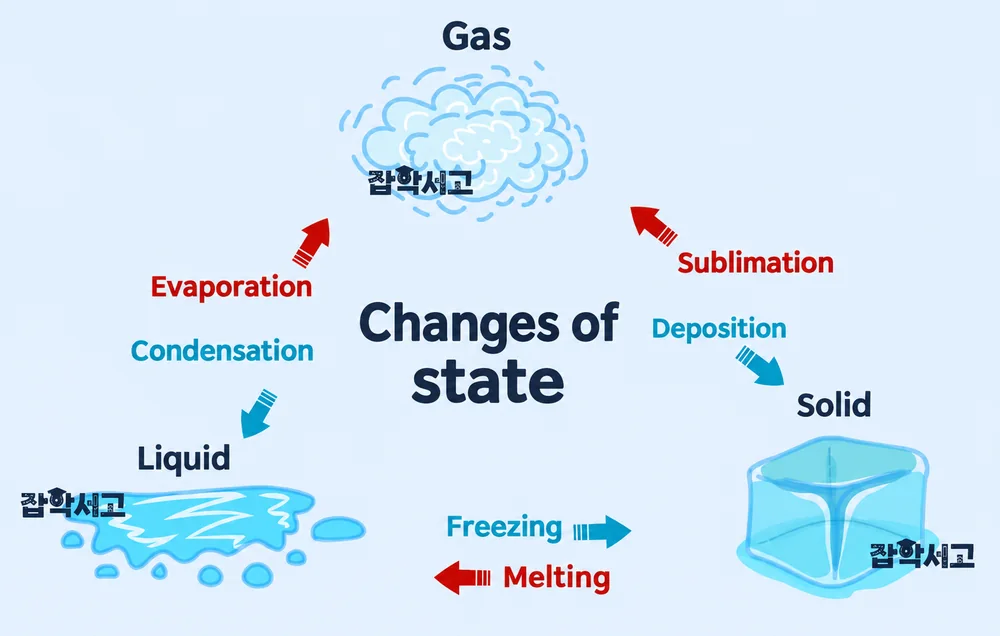
Dew Formation: The Process by Which Atmospheric Water Vapor Turns into Water Droplets
Dew forms when water vapor in the atmosphere cools and condenses. This process occurs mainly at night and is especially pronounced on days with a large difference between daytime and nighttime temperatures. When the air temperature falls below the dew point, water vapor turns into droplets, and dew collects on the ground or on plant leaves. The dew point is the temperature at which water vapor in the air reaches saturation and begins to turn into water, and its value varies with relative humidity and air temperature. Several weather conditions, including temperature, humidity, and wind, interact to bring about this formation of dew.
Environmental Factors That Affect Dew Formation
Various environmental factors are involved in the formation of dew. Although atmospheric water vapor condenses as temperatures fall, wind strength is also an important variable. Gentle winds allow water vapor to gather in one place and promote dew formation, whereas strong winds rapidly disperse it and hinder the formation of dew. In addition to these weather conditions, the characteristics of the ground surfaces on which dew collects also play an important role. Objects such as grass and plant leaves, which have a large surface area and low thermal conductivity, lose heat quickly and readily collect dew, whereas dew does not form easily on surfaces that store heat well, such as asphalt and concrete.
The Roles of Dew: Its Effects on Nature and Ecosystems
Dew is more than just water droplets; it plays several important roles in nature and ecosystems. In particular, dew becomes an important source of moisture for plants in dry environments. Plants covered with dew absorb this moisture during the morning, which greatly helps plants survive in regions with severe drought. Dew also combines with airborne dust particles or pollen to naturally purify the atmosphere. As this process causes pollutants in the atmosphere to fall to the ground, dew can have an air-purifying effect, however slight.
Climate Change and Changes in Dew Patterns
Climate change also affects the patterns of dew formation. As global temperatures rise because of increasing greenhouse gases, the dew point also changes, which can alter the frequency and amount of dew formation. As climate change intensifies, dew may occur more frequently in some regions, while decreasing in others. This directly and indirectly affects ecosystems and agriculture, and changes in dew can become a major problem, especially in environments where moisture supply is important.
The Disappearance of Dew: Water Droplets That Evaporate with the Morning Sunlight
Dew can generally be observed only during a brief period before and after sunrise. When the early morning sun begins to warm the ground, dew quickly evaporates and disappears. Although dew is present only briefly during this period, its effects are substantial. For example, it is during this brief interval that dew fulfills its roles of supplying moisture to plants and removing pollutants from the atmosphere. For these reasons, dew is regarded as a brief yet powerful natural phenomenon.
The Roles and Importance of Dew in the Natural Environment

The Role of Dew in Supplying Moisture
Dew serves as an important source of moisture in the natural environment. Particularly in dry regions, dew plays an important role in plant survival when rainfall is insufficient. Dew that forms overnight collects on plant leaves or stems in the morning, providing the moisture that plants need. This moisture supply is especially important in dry climates with insufficient precipitation, as plants can obtain essential moisture from dew even in environments where they would struggle to survive without it.
Maintaining Soil Moisture and Regulating Microclimates
Dew helps preserve moisture in the soil. When dew forms on the ground, it temporarily reduces moisture loss from the soil and suppresses moisture evaporation caused by rising daytime temperatures. This effect creates favorable conditions for plant growth by providing an environment in which plant roots can absorb moisture. Dew also contributes to regulating the microclimate at the ground surface, serving as an important factor in keeping nature's small ecosystems healthy.
Regulating Atmospheric Temperature and Humidity
Dew helps maintain the balance of temperature and humidity in the atmosphere. When dew forms, water vapor releases heat as it turns into water, which slightly warms the surrounding air and prevents temperatures from dropping sharply overnight. This role protects nature from abrupt climatic changes and helps maintain consistent temperature and humidity. As a result, dew acts as a temperature regulator in the natural environment, allowing ecosystems to be maintained under stable conditions.
Dew and Agriculture: An Important Weather Indicator
Dew is used as an important indicator of weather phenomena. Whether dew occurs and how much forms indicate the climatic conditions of a region, playing an especially important role in agriculture. The presence of dew directly and indirectly affects crop growth and harvesting, so people working in agriculture use it as a basis for planning crop management and harvests. In regions where sufficient dew forms, plants receive adequate moisture, which can increase yields; conversely, when little or no dew forms, crop growth may be impaired.
The Beauty of Natural Landscapes: The Aesthetic Value of Dew
Dew is one of the important elements that add beauty to natural landscapes. Dewdrops that sparkle by reflecting the early morning sunlight make nature shine even more and are highly popular subjects among nature photographers. In particular, dewdrops capture the delicacy and fleeting beauty of nature, becoming a source of various forms of artistic inspiration. The presence of dew, which maximizes nature's aesthetic value, further enriches the way we view nature.
Dew as a Habitat for Organisms
Dew can serve as an important habitat for small organisms. Small insects, microorganisms, and other organisms take in moisture from dew or live within it. This plays an important role in maintaining the various food chains in ecosystems. These organisms obtain the resources they need to survive from dew and form interdependent relationships within ecosystems. Dew is more than just water droplets, functioning as an important resource and habitat on which living organisms can depend.
Dew and Ecosystems: Its Effects on Plants and Animals
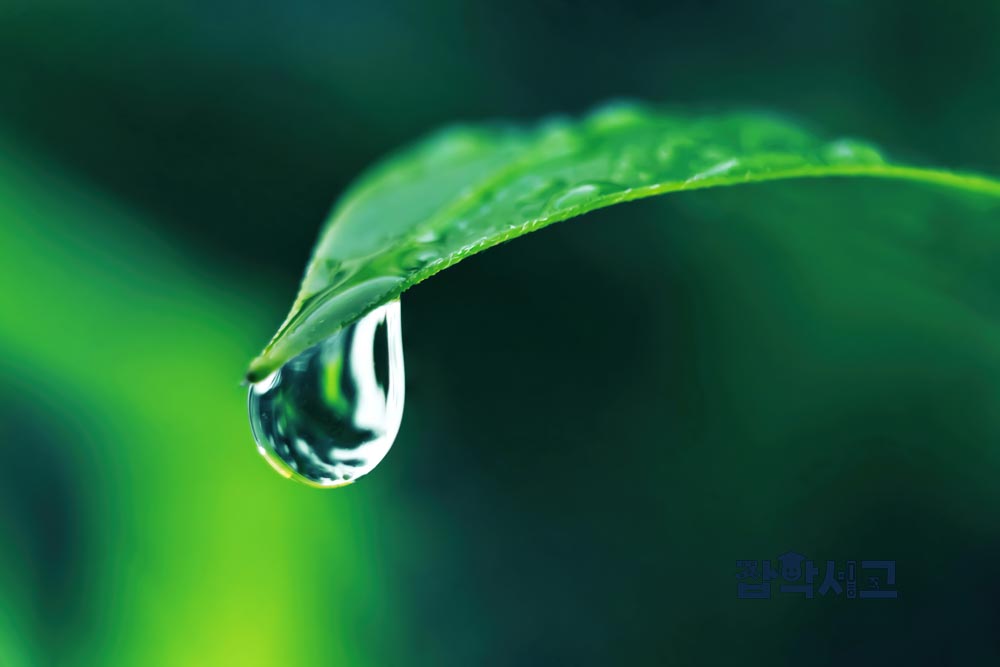
The Effects of Dew on Plants
Dew serves as an important source of moisture for plants. In dry climates or periods of insufficient precipitation, dew becomes an essential factor in plant survival. Dew that forms overnight collects on plant leaves in the morning, and this moisture helps plants survive difficult conditions such as drought. In particular, dew supplies the minimum amount of moisture plants need, playing an important role in ensuring their growth and survival.
Dew and Photosynthesis: Its Effects on Energy Production
Dew also plays an important role in the process of photosynthesis in plants. Photosynthesis is the process by which plants produce energy using sunlight, and an adequate supply of moisture is essential to this process. Dew that forms in the morning supplies moisture to the surfaces of plant leaves, helping plants maintain the moisture balance they need throughout the day. This plays an important role in helping plants grow healthily and reproduce, and dew is highly significant because of its profound effects on the physiological processes of plants.
The Effects of Dew in Preventing Diseases and Pests
Dew can also contribute to preventing plant diseases and pest infestations. When dew collects on leaf surfaces, it washes away dust and pollutants and helps suppress the activity of certain pathogens. This improves the overall health of plants and reduces damage from diseases and pests. Healthy plants are more productive, and this role of dew naturally contributes to higher plant survival rates.
The Effects of Dew on Animals
Dew also serves as an important factor in animal survival. Especially for animals with limited mobility, such as insects and small mammals, dew is a valuable source of moisture. These animals drink dewdrops that form in the morning or take in moisture from dew attached to their bodies, obtaining the water they need to survive. In environments where water is difficult to find, dew is an important factor that increases animals' chances of survival.
The Connection Between Dew and Food Chains
Dew also indirectly affects food chains. When dew helps plants grow healthily, herbivores can obtain sufficient amounts of food. This in turn affects carnivores, ultimately bringing the food chains of the entire ecosystem into balance. In this way, dew promotes interactions in nature and plays an important role in keeping ecosystems continually stable.
The Effects of Dew on Organisms' Life Cycles and Movement Patterns
Dew also affects the life cycles or movement patterns of some organisms. For example, some insects time their egg laying or reproduction to coincide with periods of abundant dew, showing that dew serves as an important environmental cue in ecosystems. Dew has significance beyond being merely water droplets and functions as an important natural element that prompts the ecological activities of certain organisms.
Climate Change and the Outlook for Changes in Dew Patterns
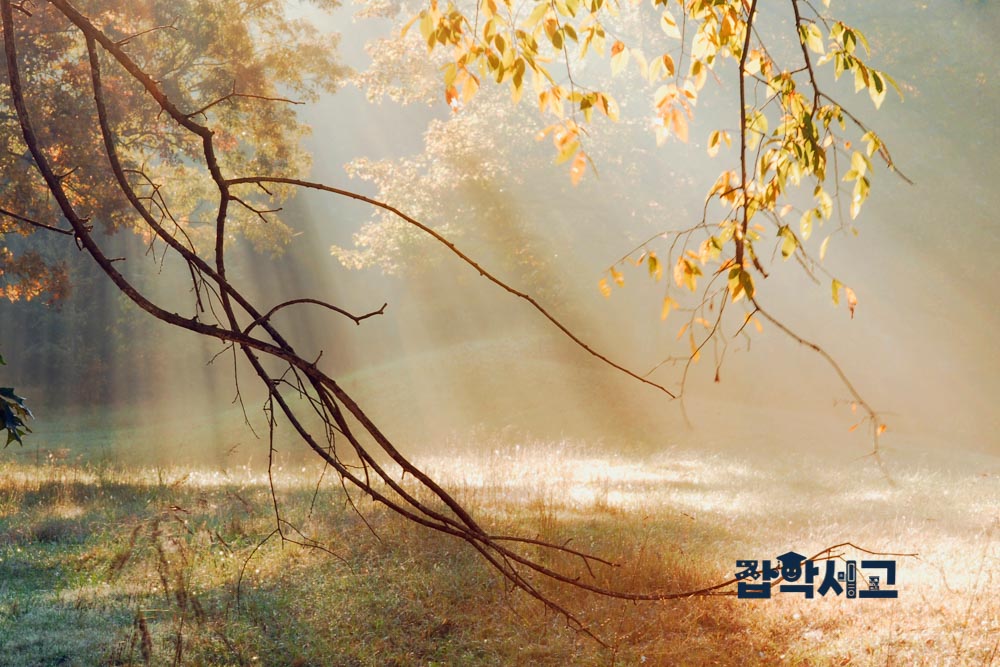
Climate Change and Changes in Dew Formation
Climate change directly affects dew formation. As atmospheric temperatures rise because of global warming, the concentration of water vapor and the conditions under which dew forms are changing. In particular, when temperatures rise, the dew point also rises, making a reduction in the frequency and amount of dew formation highly likely. This means that dew may occur less often even in regions where it frequently forms. If dew does not form, the naturally occurring supply of moisture decreases, affecting ecosystems as a whole.
The Effects of Reduced Dew in Dry Regions
Changes in dew patterns pose an especially greater threat in dry regions. In dry regions, dew serves as an important source of moisture and contributes greatly to the survival of plants and animals. If dew decreases, the moisture supply in these ecosystems becomes unstable, potentially reducing the chances of survival for plants and animals considerably. In areas especially vulnerable to drought, a decline in dew can disrupt the balance of ecosystems and threaten biodiversity, potentially placing some species at risk of extinction.
The Effects of Changes in Dew Patterns on Agriculture
A decrease in dew can also have major effects on agriculture. Dew supplies crops with the moisture they need and suppresses diseases and pests, positively affecting crop growth and productivity. However, if dew patterns change and dew decreases, crops may receive insufficient moisture, leading to poorer growth and development and potentially increased damage from diseases and pests. This in turn leads to reduced agricultural productivity and can also negatively affect food security. Agriculture therefore needs to monitor these changes and develop response strategies.
Structural Changes in Ecosystems
Changes in dew patterns can affect organisms' life cycles and habitat choices, extending beyond the issue of moisture supply alone. For example, organisms in regions where dew no longer forms are more likely to move to other habitats. The movement of these organisms ultimately changes the structure of local ecosystems and threatens ecosystem balance over the long term. In regions that certain organisms have left, food chains may be broken or ecological interactions may decrease, reducing ecosystem diversity.
The Importance of Responding to Climate Change and Monitoring Dew Patterns
Changes in dew patterns are difficult to predict, but climate modeling and long-term ecosystem monitoring are essential to understanding and responding to them. These efforts make it possible to accurately determine how changes in dew patterns caused by climate change affect ecosystems and human activities. These analyses provide important baseline information for predicting changes in dew patterns and developing strategies for protecting and managing the natural environment. As the effects of changes in dew on agriculture, ecosystems, and human life may gradually expand, it is necessary to prepare for them in advance.
Individual and Societal Efforts to Respond to Climate Change
Various efforts by individuals, society, and governments are needed to respond to changes in dew patterns caused by climate change. Measures to mitigate climate change, such as reducing greenhouse gas emissions, are the first major priority, and work to protect and restore ecosystems must be carried out alongside them. To protect the natural environment and maintain biodiversity, sustainable approaches to environmental management must be adopted, and improved awareness across society and policy support are essential.
Although dew consists of tiny droplets, it plays important roles in nature. The formation of dew, its functions within ecosystems, and changes in dew patterns caused by climate change have major effects on both nature and humans.
It is very important to recognize the importance of dew and to protect and manage the natural environment for a sustainable future. By understanding how dew forms and the roles it plays, we can find ways to coexist more harmoniously with nature.