Global warming is one of the most important environmental issues we face today. Since industrialization, a sharp increase in greenhouse gas emissions has caused Earth's average temperature to rise rapidly, profoundly affecting our way of life and the global environment.
This article will analyze the main causes of global warming and explore its effects on the environment and ecosystems, as well as its social and economic repercussions. It will also present various solutions we can adopt to mitigate global warming.
Causes of Global Warming
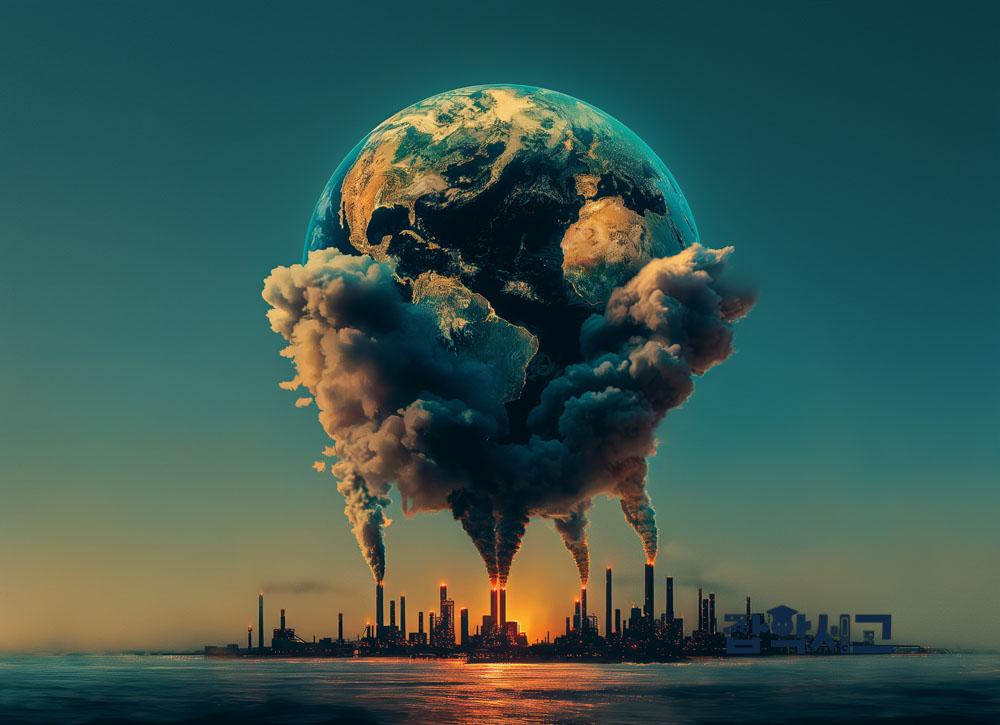 What causes global warming?
The main cause of global warming is the increase in greenhouse gas emissions from human activities. The following sections examine these causes in detail.
1. Use of Fossil Fuels
Burning fossil fuels such as coal, oil, and natural gas releases large amounts of greenhouse gases, including carbon dioxide (CO₂), into the atmosphere. These fuels are mainly used in electricity generation, transportation, and industrial processes, and their use traps heat in Earth's atmosphere and accelerates warming.
2. Industrialization and Manufacturing
Industrial activities emit a variety of greenhouse gases. In particular, greenhouse gases such as CO₂ produced by the steel, cement, and chemical industries are among the main causes of global warming. These industrial processes consume large amounts of energy and release large amounts of greenhouse gases into the atmosphere in the process.
3. Agriculture and Livestock Farming
Agricultural activities emit powerful greenhouse gases such as methane (CH₄) and nitrous oxide (N₂O). For example, ruminants such as cattle release methane during digestion, while chemical fertilizers and livestock manure emit nitrous oxide. Greenhouse gases are also produced when crops are harvested in rice paddies and other fields.
4. Deforestation and Changes in Land Use
Deforestation destroys important carbon sinks that absorb carbon dioxide. When forests disappear, the carbon stored in them is released into the atmosphere, accelerating global warming. The destruction of natural habitats through urbanization and the clearing of land for agriculture reduces their capacity to absorb carbon.
5. Waste Management
Waste management systems such as landfills also generate methane. Organic waste releases methane as it decomposes, and methane has a much higher warming potential than CO₂. Inadequate waste management can increase greenhouse gas emissions.
6. Increasing Energy Consumption
As energy demand increases worldwide, more fossil fuels are being used, and greenhouse gas emissions are rising accordingly. In particular, the use of fossil fuels for electricity generation accounts for a large share of greenhouse gas emissions.
The causes of global warming are complex and stem primarily from human activities. Addressing them requires changing the ways energy is produced and consumed, improving industrial processes, and adopting sustainable methods of agriculture and forest management.
Effects of Global Warming on the Environment and Ecosystems
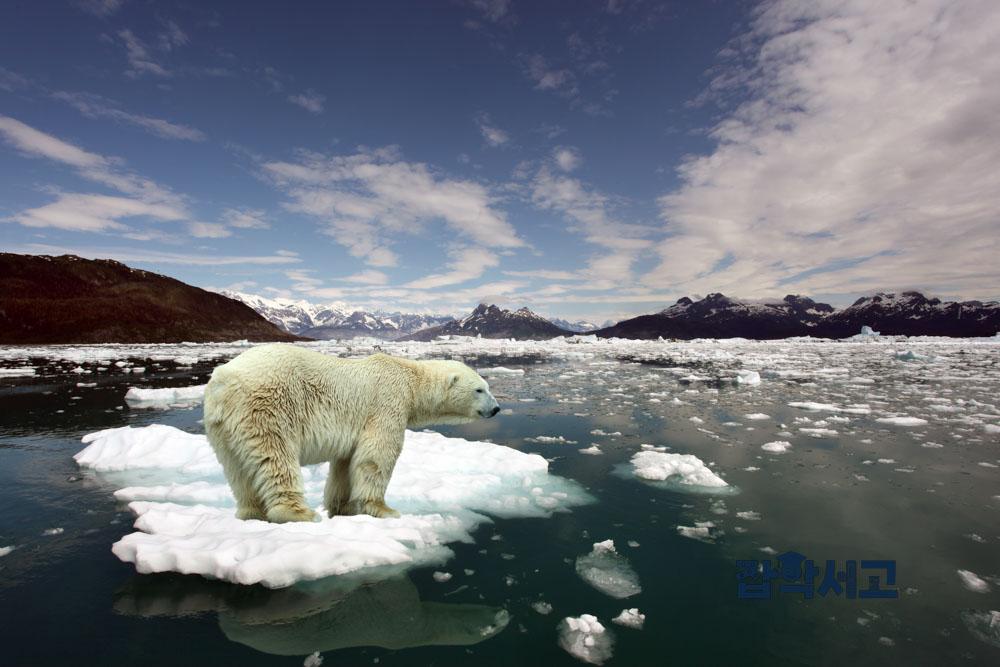 A polar bear facing a threat to its survival due to global warming
Global warming is having various serious effects on Earth's natural environment and ecosystems. The following sections examine these effects in detail.
1. Climate Change and Extreme Weather Events
As global warming raises temperatures around the world, climate change is accelerating. As a result, extreme weather events such as heat waves, droughts, floods, and hurricanes are occurring more frequently. These extreme weather events disrupt natural ecosystems and cause extensive damage to human societies.
2. Decline of Glaciers and Polar Ice Sheets
Global warming is causing glaciers and ice sheets in the Arctic and Antarctic to melt rapidly. This leads to rising sea levels and threatens the survival of coastal areas and island nations. As glaciers melt, species such as polar bears that depend on their habitats and food chains also face threats to their survival.
3. Rising Sea Levels
Sea levels are rising as glaciers and ice sheets melt. This increases the risk of flooding in coastal areas, and saltwater intrusion can contaminate farmland and drinking water sources. Low-lying regions and island nations are also at risk of losing their land.
4. Ocean Acidification
As atmospheric CO₂ concentrations increase, the oceans absorb more CO₂, leading to ocean acidification. This threatens the survival of marine life such as coral reefs and shellfish and negatively affects entire marine ecosystems. Coral reefs are important habitats and breeding grounds for marine organisms, and their destruction can lead to a decline in marine biodiversity.
5. Declining Biodiversity
Climate change puts many species at risk of extinction because they cannot adapt to habitat loss and changes in climate. In particular, habitat changes caused by rising temperatures can be fatal to many plants and animals. This disrupts the balance of ecosystems and causes a sharp decline in biodiversity.
6. Changes to Ecosystems
Climate change alters the structure and functions of ecosystems. For example, rising temperatures may allow certain plant species to spread into areas where they did not previously grow, potentially altering ecosystems through competition with existing plant species. In marine ecosystems, rising water temperatures can also change fish migration patterns and affect fisheries.
7. Changes in Precipitation Patterns
Global warming is changing precipitation patterns. In some regions, increased precipitation is making natural disasters such as floods more frequent, while in other regions, decreased precipitation may intensify droughts. These changes have a major impact on agricultural productivity and also affect the distribution and use of water resources.
Global warming is having widespread and serious effects on the natural environment and ecosystems, and addressing these effects requires global cooperation and sustainable environmental management.
Social and Economic Effects of Global Warming
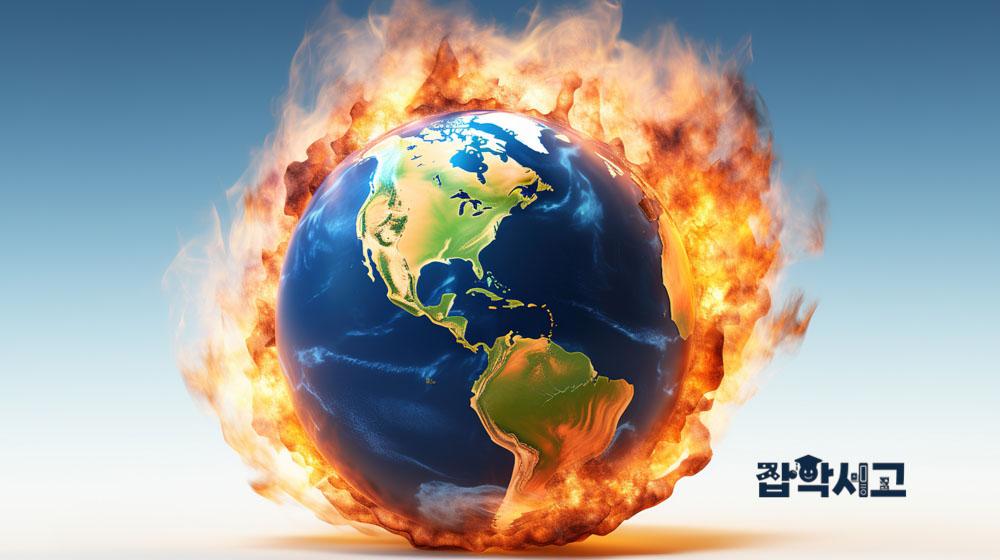 What harm will global warming cause us?
Global warming has serious effects on human society and the economy as well as on the natural environment. The following sections examine these effects in detail.
1. Declining Agricultural Productivity
Agricultural productivity is being hit hard by climate change. Extreme weather events, droughts, and floods create unfavorable conditions for crop cultivation and reduce crop yields. This can lead to rising food prices and food security concerns. In particular, these changes can have an even greater impact in developing countries.
2. Water Resource Shortages
As global warming changes precipitation patterns and makes droughts more frequent, many regions are experiencing shortages of water resources. This creates serious difficulties in supplying the water needed for agriculture, industry, and everyday life. Water shortages can also cause conflicts between regions.
3. Increasing Health Problems
Warming is making heat waves more frequent and increasing heat-related illnesses and mortality rates. Climate change can also promote the spread of tropical diseases such as malaria and dengue fever. Deteriorating air quality and an increase in allergic reactions can also negatively affect health.
4. Economic Losses
Economic losses caused by natural disasters are increasing. Floods, hurricanes, and droughts impose enormous economic costs through the destruction of infrastructure, loss of homes, and business interruptions. In particular, damage caused by climate change places a heavy burden on insurance companies and national economies.
5. Migration and Refugee Issues
Rising sea levels, droughts, and floods cause people to lose their homes and relocate. These environmental refugee issues can lead to social instability and political conflict. In particular, countries and communities with low incomes may be severely affected.
6. Increasing Energy Demand
As rising temperatures increase demand for cooling, energy consumption is surging. This places a strain on electricity grids and can lead to higher energy prices. It can also create a vicious cycle in which more fossil fuels are used to produce energy, increasing greenhouse gas emissions.
7. Effects on Industry and Trade
Climate change has a major impact on certain industries. For example, rising ocean temperatures and acidification can reduce catches in the fishing industry. Industries sensitive to the climate, such as agriculture and tourism, can also undergo major changes. These changes can also affect trade patterns.
8. Worsening Social Inequality
The effects of climate change are not the same for everyone. People with low incomes and vulnerable groups are more likely to suffer greater damage from climate change. This can deepen social inequality and increase social conflict.
Global warming has widespread effects throughout our society and economy. Addressing this requires strategies for adapting to climate change and international cooperation to reduce greenhouse gas emissions.
Solutions for Mitigating Global Warming
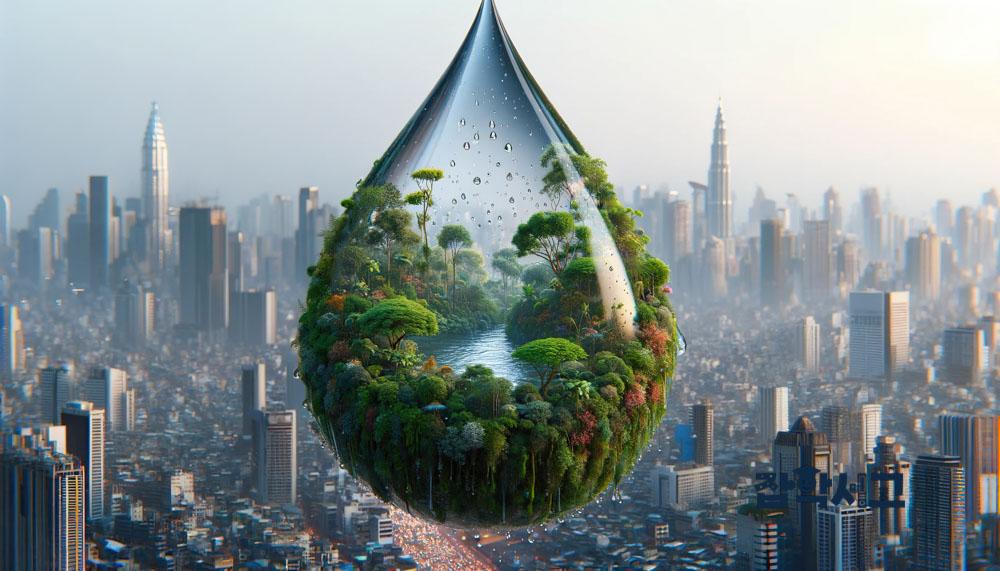 We must reduce greenhouse gas emissions and save nature
Mitigating global warming requires proactive measures at various levels. The following sections examine these solutions in detail.
1. Transition to Renewable Energy
It is important to reduce fossil fuel use and switch to renewable energy sources such as solar, wind, hydroelectric, and geothermal energy. Because these energy sources do not emit greenhouse gases, they can make a significant contribution to mitigating climate change.
2. Improving Energy Efficiency
Improving energy efficiency is an effective way to reduce greenhouse gas emissions. Technological development and policy support are needed to improve energy efficiency in buildings, transportation, and industry. Examples include using highly efficient appliances, improving building insulation, and using fuel-efficient vehicles.
3. Forest Conservation and Restoration
Forests play an important role in absorbing carbon dioxide from the atmosphere. It is therefore necessary to prevent deforestation and restore forests by planting new trees. This increases carbon absorption and also helps conserve biodiversity.
4. Sustainable Agriculture and Livestock Farming
Sustainable methods must be introduced to reduce greenhouse gas emissions in agriculture and livestock farming. Examples include using crop rotation when growing crops and improving livestock farming practices to reduce methane emissions. Reducing the use of chemical fertilizers and promoting organic farming are also important.
5. Improving Waste Management
Improving waste management systems can reduce greenhouse gas emissions. Examples include capturing methane generated by landfills and using it for energy, or reducing the amount of waste through recycling. Reducing food waste and using reusable products also help.
6. Policy Responses and International Cooperation
Governments must introduce and implement strong policies to reduce greenhouse gas emissions. Examples include carbon emissions trading systems, carbon taxes, and subsidies for renewable energy. Global warming is also an international issue, so it is important for countries around the world to cooperate in concluding and implementing international agreements to address climate change.
7. Improving Urban Planning and Transportation Systems
It is necessary to improve urban planning to reduce energy use and encourage environmentally friendly transportation. Examples include expanding public transportation systems and encouraging low-carbon modes of transportation such as bicycles and electric vehicles. Introducing smart city technologies to improve energy efficiency in cities is also important.
8. Individual Action
Individuals can also take various actions to mitigate global warming. Small actions such as saving energy, using environmentally friendly products, and taking public transportation can collectively bring about major changes. Raising awareness of climate change and sharing information with others also play an important role.
Mitigating global warming requires governments, businesses, and individuals to work together. When everyone joins forces and takes action for a sustainable future, we can effectively mitigate climate change.
Global warming poses a serious threat worldwide, but we can reduce its effects by taking appropriate action. Various approaches are needed, from small individual actions to policy changes at national and international levels.
If we all act responsibly, we can pass on a better environment to future generations. Working to stop global warming is everyone's responsibility, and it is important to act now.