Drought is one of the natural disasters with the most severe and widespread impacts, causing a variety of environmental, economic, and social problems.
Climate change and population growth are gradually increasing the frequency and intensity of droughts, making drought a serious problem worldwide.
This article examines the definition and causes of drought, its impacts and consequences, and major cases of drought damage in South Korea, and proposes measures for responding effectively to these crises.
Through this discussion, readers can understand the severity of drought and explore various strategies for overcoming it.
Definition and Causes of Drought
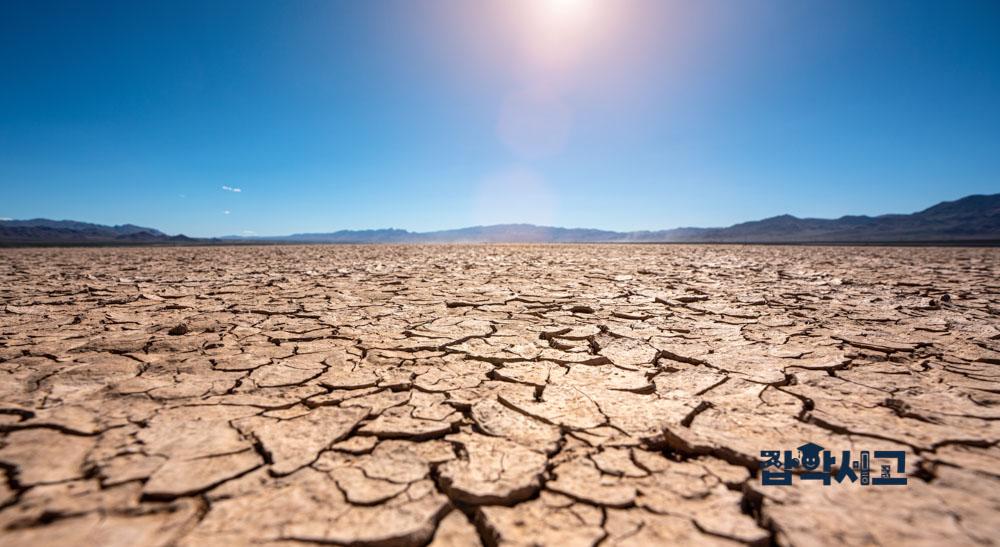 Why do droughts occur?
Definition of Drought
Drought refers to a phenomenon in which precipitation in a particular area is significantly below normal for a certain period. This reduces water supplies, causing water shortages in households, agriculture, industry, and other sectors. Drought should be understood as a complex phenomenon that involves not only reduced precipitation but also increased evaporation, declining soil moisture, and other factors. Depending on where it occurs and how long it lasts, drought is classified as meteorological drought, agricultural drought, hydrological drought, and other types.
Causes of Drought
Climate Change
Climate change is one of the main causes of drought. Global warming changes precipitation patterns, and droughts occur frequently in some areas as precipitation decreases. Rising temperatures also increase evaporation, worsening water shortages.
El Niño and La Niña
El Niño and La Niña are phenomena in which fluctuations in Pacific Ocean sea surface temperatures alter climate patterns worldwide. El Niño causes unusually high temperatures and dry weather in some areas, while La Niña can, conversely, cause unusually low temperatures and dry weather.
Human Activities
Human activities such as indiscriminate deforestation, excessive groundwater use, and urbanization can also worsen drought. Deforestation reduces evapotranspiration, and excessive groundwater use can deplete groundwater resources and cause drought.
Natural Climate Variability
Natural climate variability can also cause drought. Natural variability in the climate system can periodically reduce precipitation and cause drought in certain areas.
These causes often work together to produce drought. Understanding the causes of drought is an important first step in predicting and preparing for it.
Impacts and Consequences of Drought
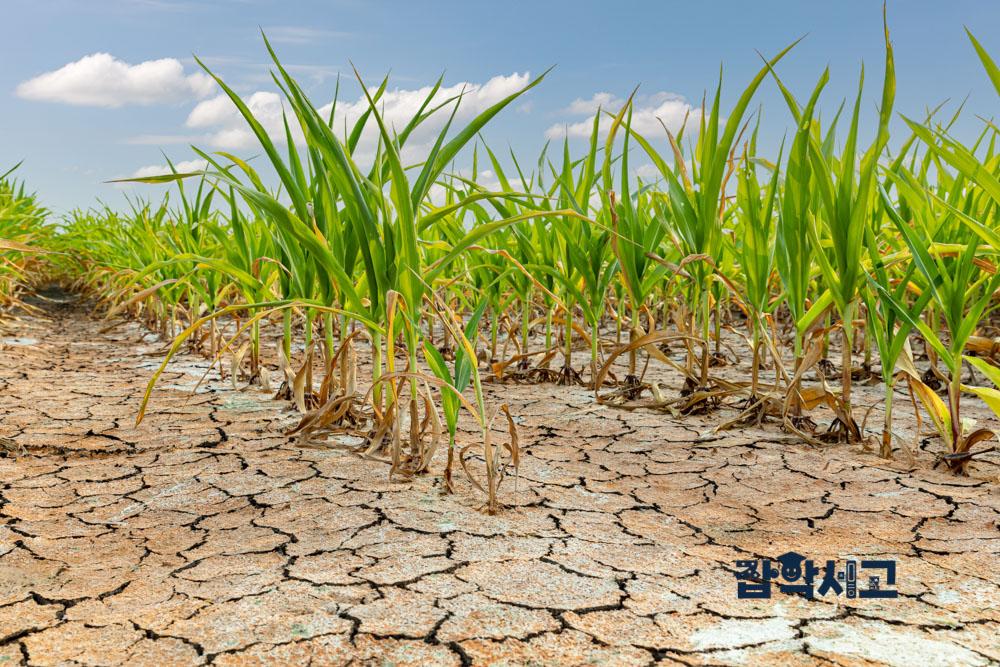 What damage can drought cause us?
Impacts of Drought
Environmental Impacts
- Ecosystem destruction: Drought severely affects both aquatic and terrestrial ecosystems. When river and lake levels fall, aquatic organisms lose their habitats, while plants in forests and grasslands dry out and die, destroying animal habitats as well.
- Soil degradation: Prolonged drought reduces soil moisture, lowering soil fertility and negatively affecting crop production. Soil erosion can also accelerate.
- Deteriorating water quality: As water becomes scarce, pollutant concentrations in rivers and lakes increase, threatening both ecosystems and human health.
Economic Impacts
- Agricultural damage: When water needed for crop growth becomes scarce, yields decline sharply. This causes food prices to rise and farmers to suffer economic losses.
- Reduced hydropower generation: As water supplies to hydropower facilities such as dams decrease, electricity production falls. This can lead to higher energy costs and unstable electricity supplies.
- Constraints on industrial activities: Many industrial activities require water. Drought can constrain these activities, causing production costs to rise and resulting in economic losses.
Social Impacts
- Water shortages: Drought causes water shortages in households and communities. This disrupts access to drinking water and the use of sanitation facilities, which are basic necessities of daily life.
- Health problems: Water shortages can worsen sanitation conditions and increase the incidence of waterborne diseases. Food shortages caused by drought can also lead to malnutrition and deteriorating health.
- Population movement: If drought persists, more people may move to other areas in search of water and food. This can lead to social instability and conflict.
Consequences of Drought
Food Insecurity
Reduced crop production caused by drought leads to food insecurity. This is a particularly serious problem in low-income countries and can cause hunger and malnutrition.
Economic Losses
Economic losses across various sectors, including agriculture, energy, and industry, deal a major blow to the national economy. This can lead to reduced employment and slower economic growth.
Social Conflict
Resource shortages caused by drought can trigger conflicts between regions and countries. Disputes over water resources and social conflicts resulting from an increase in migrants may arise.
Long-Term Environmental Changes
Persistent drought reduces ecosystem resilience, causing long-term environmental changes. This can lead to declining biodiversity and challenges to sustainable development.
The impacts and consequences of drought extend beyond water shortages and severely affect the environment, the economy, and society as a whole. Understanding and responding to these complex impacts and consequences is central to drought management.
Cases of Drought Damage in South Korea
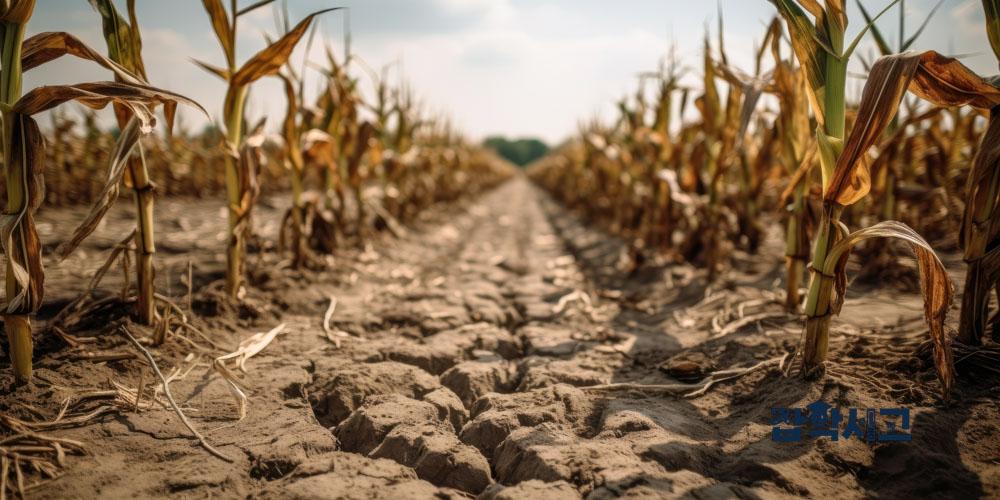 What cases of damage have occurred in South Korea?
Drought in South Chungcheong Province in 2022
- Situation: In the summer of 2022, South Chungcheong Province experienced severe water shortages due to a record drought. Water storage rates at major reservoirs fell to 30% or below, severely affecting agriculture and daily life.
- Damage: In several areas of the province, shortages of agricultural water caused rice paddies and other fields to dry out, and drought-related crop damage was reported. Shortages of water for domestic use also led some residents to experience water rationing.
- Response: South Chungcheong Province developed emergency water supply measures to respond to the drought and conducted water conservation campaigns in cooperation with local governments. It also made emergency use of river water and groundwater to supply agricultural water.
Drought on Jeju Island in 2015-2017
- Situation: From 2015 to 2017, Jeju Island experienced severe drought. During this period, precipitation declined sharply, falling to less than half the average.
- Damage: The drought severely affected water supplies for agriculture and domestic use. Tangerine growers suffered particularly heavy damage, and some farmers had to abandon their crops. Groundwater depletion caused many households to experience water rationing.
- Response: Authorities on Jeju Island urgently developed wells and launched water conservation campaigns. They also expanded desalination facilities and established long-term water resource management plans.
Drought in the Yeongnam Region in 2012
- Situation: In 2012, the Yeongnam region suffered extensive damage due to a record drought. Water storage rates at the region's major reservoirs and dams plunged to 20% or below.
- Damage: The drought caused severe shortages of agricultural and domestic water. Crop damage was extensive, substantially reducing the production of rice, vegetables, fruit, and other crops. Water rationing was implemented in some areas, causing residents considerable inconvenience in their daily lives.
- Response: The central and local governments urgently drilled wells and deployed water tanks to provide emergency water supplies. They also attempted to address the water shortages by transporting water from nearby areas.
Nationwide Drought in 2001
- Situation: 2001 was a year of severe drought throughout South Korea. Precipitation declined sharply nationwide, remaining at about half the average.
- Damage: This caused crop damage nationwide, and rice production declined substantially, particularly as rice paddies and other fields dried out. The economic losses caused by drought were enormous, leaving farmers facing severe difficulties. Shortages of domestic water also led some cities to implement water rationing.
- Response: The government urgently announced water resource management measures and launched nationwide water conservation campaigns. It also made the fullest possible use of river and reservoir water to supply agricultural water and developed new wells. Over the long term, it strengthened water resource management systems and expanded research and investment to improve drought prediction and response capabilities.
These cases show how severe the impacts of drought can be and highlight the importance of effective response measures. By analyzing the damage and responses in each region, we can further strengthen our drought preparedness and management strategies.
Drought Response Measures
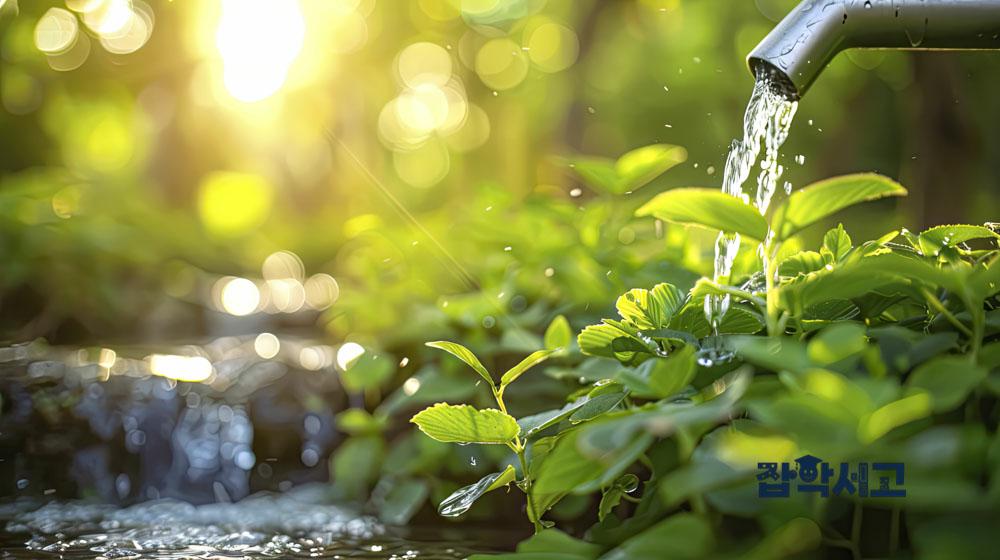 How can we respond effectively to drought?
Responding effectively to drought requires a multifaceted approach and comprehensive strategies. These range from short-term emergency responses to long-term prevention and management strategies.
Strengthening Water Resource Management
- Reservoir and dam management: Expand the capacity of reservoirs and dams and manage them efficiently to store water when precipitation is abundant and prepare it for use during drought.
- Groundwater management: Prevent the overuse of groundwater resources and develop groundwater recharge measures to ensure sustainable use. Establish groundwater monitoring systems to manage water levels in real time.
- Water reuse: Establish systems for treating and reusing domestic wastewater or industrial water to use water resources efficiently.
Responses in the Agricultural Sector
- Improving irrigation technologies: Introduce water-efficient irrigation technologies, such as drip irrigation and sprinkler systems, to optimize agricultural water use.
- Drought-resistant crops: Develop and distribute drought-resistant varieties to maintain stable crop production even during drought.
- Smart agriculture: Introduce smart agriculture systems that use ICT to monitor soil moisture conditions in real time and supply only as much water as needed.
Social Responses
- Education and awareness: Run educational programs on the severity of drought and the importance of water conservation to raise public awareness.
- Water conservation campaigns: Conduct various campaigns and promotional activities to help people practice water conservation in their daily lives. For example, encourage shorter showers and avoiding leaving taps running.
Policy and Legal Responses
- Legislation for water resource protection: Strengthen the legal framework for managing and protecting water resources and curb indiscriminate water use through water use regulations.
- Developing drought preparedness plans: Develop drought preparedness plans at national and regional levels and update them regularly to incorporate the latest information and technologies.
- Financial support: Provide financial support to drought-affected areas and farmers to help them recover. Also expand investment in research and technology development for drought response.
Technology and Research Development
- Climate prediction technologies: Develop technologies that can predict the likelihood of drought resulting from climate change and use them to prepare measures in advance.
- Drought response technologies: Research and develop drought response technologies, such as new water conservation technologies, drought-resistant crops, and efficient irrigation systems, and apply them in the field.
Drought causes complex problems, requiring a multifaceted approach and comprehensive strategies. By systematically implementing these response measures, we can minimize drought damage and achieve sustainable water management.
Drought is one of the greatest environmental challenges we face, requiring thorough understanding and preparation. Its definition and causes, its various impacts and consequences, and cases of damage in South Korea show us that drought is a problem that extends beyond simple water shortages.
Effective response measures must extend beyond simply conserving water and take a systematic approach through sustainable management strategies and policies.
By raising awareness of drought and developing effective response measures, we can minimize future drought damage and maintain a safer and more stable environment.