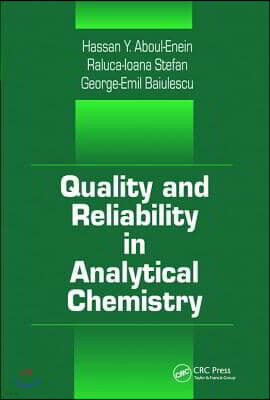
Analytical chemistry is a branch of chemistry that scientifically analyzes the composition, structure, and chemical properties of substances. This discipline plays a very important role throughout modern science and technology and serves as an essential tool in various industries and research fields. In particular, analysis based on precise, highly reliable data enables a broad range of applications, including process control, quality management, environmental monitoring, and new drug development.
This material examines analytical chemistry from multiple perspectives, covering its definition and historical development, the main principles and methodologies of modern analytical chemistry, practical applications in various fields, and future prospects.
Definition and Background of Analytical Chemistry
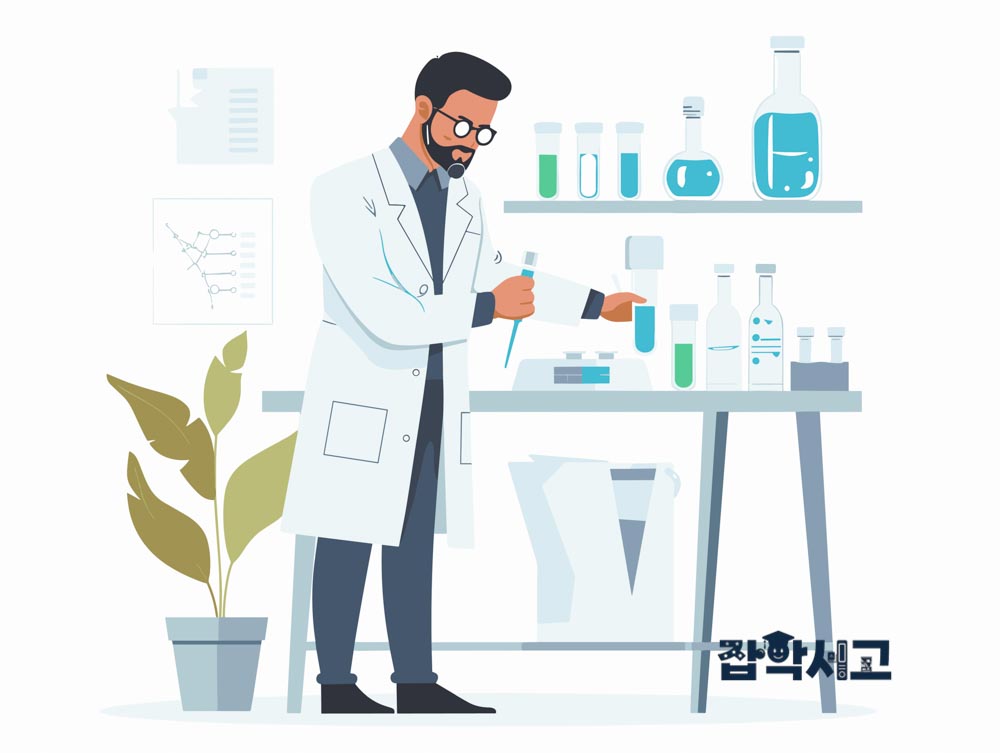
Definition of Analytical Chemistry
Analytical chemistry is the discipline of qualitatively and quantitatively analyzing the chemical components of substances. Qualitative analysis identifies which components make up a substance, while quantitative analysis measures the amounts of those components. Through these two approaches, analytical chemistry identifies the constituents of substances and plays an important role in various industries and research fields. Analytical chemistry is closely connected not only to chemistry but also to other disciplines, including biology, pharmaceutical sciences, and environmental studies.
Historical Background of Analytical Chemistry
Analytical chemistry began in the late 18th century, with Lavoisier (Antoine Lavoisier) among its representative scholars. Through experiments on the combustion of substances, he confirmed the existence of oxygen and contributed to establishing the fundamental laws of chemical reactions. This laid the foundations of analytical chemistry and provided an important theoretical framework for understanding the composition and components of substances.
In the 19th century, various analytical techniques, such as flame spectroscopy and chromatography, were developed. These technologies enabled the separation of mixtures and precise analysis of the components of substances, greatly expanding the scope of analytical chemistry's applications. In the 20th century, precise analytical equipment, such as mass spectrometers and nuclear magnetic resonance (NMR) instruments, was introduced, making highly detailed analysis at the molecular level possible.
Main Principles and Methodologies of Modern Analytical Chemistry
Modern analytical chemistry uses various advanced techniques. For example, mass spectrometry (Mass Spectrometry) is a technique for analyzing the molecular weight of substances and can accurately measure even minute quantities of substances. Nuclear magnetic resonance (NMR) analysis is a method that uses the magnetic properties of atomic nuclei to reveal the structure of substances. Chromatography (Chromatography) is also a representative methodology used to separate and analyze individual components of mixtures, serving as an essential tool in various industries.
Other analytical techniques include spectroscopy (Spectroscopy) and electrochemical analysis (Electrochemical Analysis). These methodologies are used to solve various analytical problems according to their respective characteristics and ranges of application.
Main Applications of Analytical Chemistry
Analytical chemistry is used in various industries and academic fields. In environmental analysis, it contributes to environmental management and conservation by accurately measuring pollutants in air, water, and soil. In pharmaceutical sciences, it is essential for identifying the exact composition and structure of compounds during new drug development, while in the food industry, it is used for analyzing food components and managing quality.
It also plays an important role in developing new materials and analyzing their properties in materials science, and contributes to solving cases in forensic medicine through the analysis of substances from crime scenes. Analytical chemistry has also become an essential tool in various other fields, including biotechnology, energy, and electronics.
Future Prospects and Innovation in Analytical Chemistry
Analytical chemistry continues to advance. Its integration with advanced technologies, such as nanotechnology and biotechnology, is enabling more precise and faster analysis and opening up new areas of application. In particular, as technologies for analytical automation and data processing using big data and artificial intelligence (AI) advance, analytical chemistry is expected to undergo even greater changes.
In the future, more precise analysis is expected to become possible, and the importance of analytical chemistry is expected to grow across a wider range of fields. Through this, it will drive the development of new industries and research fields and play an important role in addressing various social problems.
Main Principles and Methodologies of Analytical Chemistry
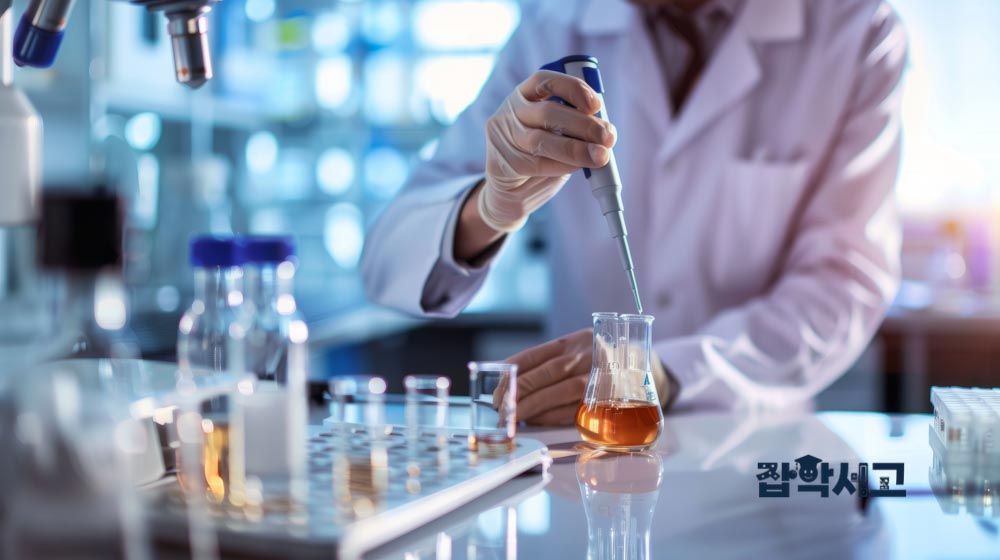
Principles and Applications of Spectroscopy
Spectroscopy is a technique that reveals the properties of substances through the ways in which light and matter interact. It analyzes the response of a substance by transmitting or reflecting light of various wavelengths through or off it, making it very useful for understanding molecular structure and composition. Major techniques include UV-Vis spectroscopy, IR (infrared) spectroscopy, NMR (nuclear magnetic resonance), and X-ray spectroscopy. For example, UV-Vis determines the concentration of a substance through absorption spectra arising from electronic transitions, while NMR uses the magnetic properties of nuclei to identify molecular structures. In this way, spectroscopy is widely applied not only in chemical analysis but also in various fields, including medicine, environmental studies, and biology.
Principles and Development of Chromatography
Chromatography is a widely used technique for separating the components of mixtures, using interactions between a mobile phase and a stationary phase. As a mixture travels with the mobile phase, the stationary phase separates its components at different speeds. This process can take various forms, including gas and liquid, with representative techniques including gas chromatography (GC), liquid chromatography (LC), and high-performance liquid chromatography (HPLC). GC is suitable for analyzing samples in the gaseous state, while HPLC can analyze complex mixtures in the liquid state with very high precision. These methods play a very important role in pharmaceutical, environmental, and food analysis and are also widely used in new drug development and pollutant analysis.
Principles and Applications of Mass Spectrometry
Mass spectrometry (Mass Spectrometry) is a method for analyzing the structure and composition of substances by ionizing them and then measuring the mass-to-charge ratio (m/z) of the ions. This technology can analyze trace components with high precision even in complex mixtures, making it widely used in the life sciences, chemistry, and environmental fields. It is particularly useful for analyzing biomolecules such as proteins and peptides, and such analysis is essential for new drug development and research on disease diagnosis. With its high sensitivity and accuracy, mass spectrometry has become an important tool for the qualitative and quantitative analysis of various substances.
Principles and Applications of Electrochemical Analysis
Electrochemical analysis is a technique that analyzes substances using their electrical properties. It mainly employs methods such as potentiometry and amperometry and is used to measure substance concentrations, oxidation-reduction reactions, and other phenomena. This technique facilitates analysis in solutions and is frequently used in environmental and biochemical analysis. For example, it is very useful for measuring heavy metal concentrations in water pollution analysis or detecting electrical changes in specific compounds during biochemical reactions. This method is widely used in various fields, particularly because it allows analysis to be performed quickly and simply.
Importance of Sample Pretreatment
In modern analytical chemistry, sample pretreatment is a very important step in improving analytical accuracy. Sample pretreatment is the process of preparing the substance to be analyzed in a form suitable for analysis and includes various procedures, such as extraction, purification, and concentration. For example, accurately analyzing a desired component in a complex mixture requires removing impurities or concentrating the substance to be analyzed. If these pretreatment procedures are not properly performed, the accuracy of the analytical results may decrease, or analysis may become impossible. Pretreatment is therefore an important step in improving the reliability of analysis.
Importance of Data Analysis Technologies
Data analysis is an essential process in modern analytical chemistry. The ability to accurately interpret complex experimental results and extract meaningful information plays an important role. In particular, the introduction of machine learning and artificial intelligence (AI) technologies has greatly improved the ability to rapidly process and analyze large volumes of data. These technologies serve as important tools, especially in fields such as genetic analysis, environmental monitoring, and drug development. Data analysis technologies have become a key element in improving the reliability of experiments and enabling new discoveries and innovations.
Applications of Analytical Chemistry in Various Fields

Applications of Analytical Chemistry in the Pharmaceutical Industry
Analytical chemistry serves as an essential tool in the pharmaceutical industry. During new drug development, it is very important to accurately analyze the chemical components and structures of candidate substances. This can maximize therapeutic effects, minimize side effects, and verify the safety and efficacy of drugs. Technologies such as high-performance liquid chromatography (HPLC) and mass spectrometry are frequently used to detect impurities in drugs, analyze drug metabolism pathways, and measure drug concentrations accurately. Analytical chemistry is widely used not only in new drug development but also in quality management and monitoring of existing drugs.
Role of Analytical Chemistry in Environmental Analysis
Analytical chemistry also plays a very important role in environmental analysis. It is used to detect pollutants and determine their concentrations in various environmental samples, including air, water, and soil. This makes it possible to identify the causes of environmental pollution and monitor the spread of pollutants. For example, HPLC and mass spectrometry are frequently used to analyze heavy metals and organic pollutants, and the results of these analyses provide important data for environmental protection policymaking and regulation. Analytical chemistry also contributes to air quality management by analyzing the composition and concentrations of airborne pollutants such as fine particulate matter.
Applications in the Food Industry
Analytical chemistry also plays an important role in the food industry. Food safety can be ensured by accurately analyzing the nutritional components of food and providing this information to consumers, as well as checking for the presence of harmful substances. Analytical chemistry serves as an essential tool for detecting pesticide residues, analyzing foodborne pathogens, and detecting additives. In particular, high-performance liquid chromatography and spectroscopy techniques are frequently used, contributing to improvements in food quality and safety. These analyses are also important during food distribution and storage.
Contributions of Analytical Chemistry to Life Science Research
In life science research, analytical chemistry is essential for analyzing the structures and functions of biomolecules such as proteins, DNA, and RNA. In particular, mass spectrometry and nuclear magnetic resonance (NMR) spectroscopy enable precise analysis of biomolecules and make important contributions to identifying the causes of diseases and developing new treatments. Analytical chemistry also plays a central role in advancing medicine and the life sciences through the study of interactions among biomolecules and physiological changes.
Uses in Engineering
Analytical chemistry also has various applications in engineering. For example, it plays an important role in analyzing the components of semiconductors and nanomaterials to optimize their properties and in removing impurities. Analyzing the microstructures of materials enables the development of high-performance materials, contributing to research on new materials and advances in nanotechnology. These analytical technologies are essential in various industries, including electronics, energy materials, and construction materials.
Applications of Analytical Chemistry in Forensic Science
In forensic science, analytical chemistry is widely used to analyze evidence collected at crime scenes. Biological samples such as blood, saliva, and hair from crime scenes can be analyzed to extract DNA, which can then be used to identify perpetrators or provide clues about crimes. It is also used to analyze drugs and toxic substances found at crime scenes to determine how crimes were committed or identify the causes of victims' deaths. Forensic analysis plays an important role not only in criminal cases but also in various other fields, including accident investigations and environmental pollution cases.
Future Prospects and Potential for Innovation in Analytical Chemistry Technology
Increasing Analytical Precision through Integration with Nanotechnology
Future analytical chemistry technologies will enable more precise analysis through integration with nanotechnology. Analytical techniques using nanosensors and nanomaterials provide high accuracy even with very small samples and can detect subtle changes that could not be measured with existing technologies. These technological advances will bring important innovations to various fields, including drug development, detection of trace pollutants, and biotechnology. In particular, sample processing and analytical methods using nanotechnology will provide faster and more accurate results, contributing to the expansion of analytical chemistry's applications.
Data Analysis Using Artificial Intelligence and Machine Learning
Artificial intelligence (AI) and machine learning (ML) technologies are expected to greatly improve analytical chemistry's data processing capabilities. In processing vast amounts of data, AI and ML are very effective at analyzing complex patterns and discovering new correlations. This can improve the accuracy of analytical results and dramatically increase the speed of data interpretation in new drug development, environmental monitoring, life science research, and other fields. The introduction of these technologies will be an important driving force behind the automation and advancement of analytical chemistry.
Advances in Mobile Analytical Instruments and Real-Time Analysis
Advances in mobile analytical instruments herald major innovation in the future of analytical chemistry. When portable analytical equipment makes it possible to analyze samples immediately on site, rapid and accurate decision-making will become possible. For example, it will become possible to analyze pollutant concentrations in real time at the sites of environmental pollution incidents or immediately assess patients' conditions in emergency medical settings. These technologies will bring major changes, particularly to fields that require rapid and accurate analysis in urgent situations.
Personalized Healthcare and Precise Analysis
In personalized healthcare, analytical chemistry technologies will be used to precisely analyze patients' biological samples and provide tailored treatments. By analyzing individuals' genetic information or chemical components within their bodies and proposing appropriate drugs or treatment methods, personalized healthcare that goes beyond the existing standardized healthcare system will become possible. This is also closely related to precision medicine (Precision Medicine), and analytical chemistry will play an important role in protecting and improving the health of individual patients.
Analytical Chemistry for Developing Sustainable Energy Resources
Analytical chemistry technologies will also make substantial contributions to the development and use of new energy resources. Precise analysis of substances is essential for improving the efficiency of materials used in energy devices such as fuel cells and solar cells. By analyzing the properties of these materials, analytical chemistry helps enable more efficient energy production and consumption. This technology will also play an important role in promoting not only sustainable energy development but also innovation throughout the energy industry.
Advances in Analytical Chemistry Technology in Education and Research
Future advances in analytical chemistry technology will also have a major impact on education and research. As more sophisticated and diverse analytical techniques are developed, students and researchers will be able to conduct more in-depth research. Learning new analytical equipment and methodologies will improve the precision and reliability of research, ultimately leading to scientific discoveries and technological innovation. Analytical chemistry will establish itself as an important tool at the center of these research innovations.
Analytical chemistry has established itself as an indispensable field in the advancement of modern science and technology. Through continuous technological development and innovation, analytical chemistry is enabling more precise and rapid analysis, which is actively opening up new industrial and academic applications.
In the future, analytical chemistry will continue to play an important role as a key contributor to science and technology, helping to solve social problems and improve people's quality of life.