
Electrochemistry is the study of the interaction between chemistry and electricity, an important field that has a profound impact on our everyday lives. It plays a central role in various industries and areas of technology, including energy storage, electroplating, and environmental protection.
Starting with the basic principles of electrochemistry, this article aims to examine in depth the structure and functions of electrochemical cells and electrodes, the mechanisms of electrochemical reactions, and their various applications.
The Basic Principles of Electrochemistry: Electricity and Chemistry in Harmony
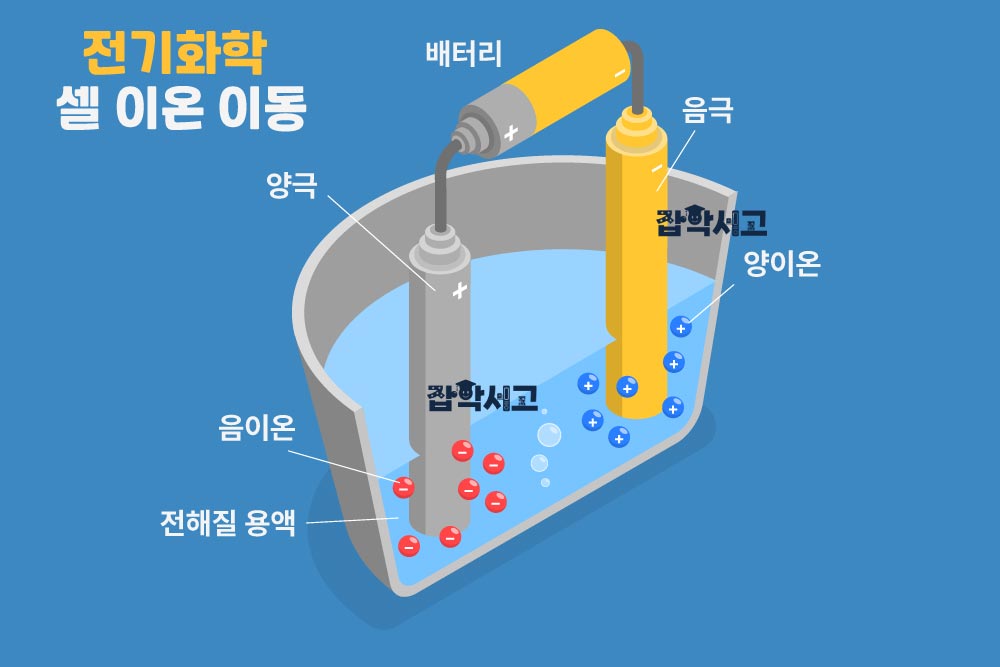
Electrochemistry is a scientific field that studies the interaction between electrical energy and chemical reactions. It addresses various phenomena that convert electrical energy into chemical energy or chemical energy into electrical energy, and these conversions occur primarily through electron transfer.
The Importance of Oxidation–Reduction Reactions
One of the central concepts in electrochemistry is the oxidation–reduction reaction. An oxidation–reduction reaction involves an oxidation process in which one substance loses electrons and a reduction process in which another substance accepts those electrons. During this process, electrical energy may be generated or consumed, and this plays an important role within an electrochemical cell. This reaction serves as the central mechanism for generating or storing energy in electrochemical devices such as batteries.
Electrical Potential Difference and Current Generation
Another important concept in electrochemistry is electrical potential difference, a value that indicates the tendency to move electric charge. Electrical potential difference, determined by the voltage difference between electrodes, can serve as an energy source for generating current or driving chemical reactions. In electrochemical cells, electrical potential difference is particularly essential for using electrical energy efficiently.
The Role of Reversible Electrochemical Reactions
Electrochemical reactions can be reversible, which is an important factor in improving the efficiency of energy conversion. Reversible electrochemical cells are widely used in everyday life as energy storage devices, such as batteries that can be charged and discharged. This reversibility makes rechargeable batteries possible and allows energy efficiency to be maximized.
Faraday's Law and Its Relationship to Electrochemical Quantities
Faraday's law describes the amount of chemical change caused by electrical energy in an electrochemical cell and is directly related to the number of electrons passing through the electrodes. This law plays a very important role in electrochemical experiments and applications, making it possible to quantitatively predict the amount of a substance produced during an electrochemical process. It has practical applications particularly in processes such as electroplating and electrolysis.
Electrochemical Analysis Techniques and Applications
Electrochemistry is useful for studying the properties of chemical species and reaction mechanisms using various analytical techniques. Electrochemical analytical methods are used in diverse fields, including environmental monitoring, medical diagnostics, and materials research, because of their high sensitivity and precision. These analytical techniques serve as important tools for measuring the concentrations of specific compounds, observing reaction rates, and analyzing the electrical properties of new materials, and their range of applications is very broad.
Electrochemical Cells and Electrodes

The Basic Concept of an Electrochemical Cell
An electrochemical cell is a device that converts or stores energy through electrochemical reactions. It mainly consists of two electrodes and an electrolyte, with electrons moving and reactions occurring as a result of the potential difference between the electrodes. Electrochemical cells are broadly divided into two types, each with different roles and functions.
Galvanic Cells: Spontaneous Generation of Electrical Energy
A galvanic cell, also called a voltaic cell, is a device that generates electrical energy through a spontaneous chemical reaction. It consists of two different metal electrodes and an electrolyte, and electrons move as a result of the potential difference between the two electrodes. The electrical energy generated during this process is delivered to an external circuit, where it can perform electrical work. Galvanic cells operate on principles similar to those of batteries used in everyday life and play an important role in various energy storage devices.
Electrolytic Cells: Chemical Reactions Powered by an External Source
An electrolytic cell is a device that receives electrical energy from an external power source to cause a nonspontaneous chemical reaction. In this cell, electrons are forced to move by the external power source, promoting chemical reactions that do not occur naturally. A representative example of an electrolytic cell is the electrolysis of water, through which water can be broken down into hydrogen and oxygen. Electrolytic cells are widely used in metal plating, electrolysis, and various chemical industries.
The Role and Importance of Electrodes
Electrodes are central components of an electrochemical cell, mediating electron transfer between an electrical conductor and reacting substances. Electrodes are divided into the anode, where oxidation occurs, and the cathode, where reduction occurs, and their materials and structures greatly affect the efficiency of electrochemical reactions. High-performance electrode materials contribute to increasing reaction rates, minimizing energy losses, and maximizing the overall efficiency of the cell.
Electrolytes: A Medium for Charge Transfer
An electrolyte is a solution containing ions that enables charge transfer between electrodes. Electrolytes can exist in liquid, solid, or gel form, and their conductivity and stability have a decisive effect on the performance of electrochemical cells. The choice of electrolyte depends on the requirements of a particular electrochemical reaction, directly affecting the overall stability and efficiency of the cell.
The Applications and Importance of Electrochemical Cells
The design of electrochemical cells and the optimization of their components play a central role in various applications. Electrochemical cells have become an essential technology in highly efficient energy storage devices, high-performance electroplating technologies, and precision sensor systems. Through these applications, electrochemistry has a broad influence across modern industry, science, and technology, making it an important field that requires continued development.
The Mechanisms of Electrochemical Reactions
The Essence of Electrochemical Reactions: Electron Transfer
Electron transfer is at the heart of electrochemical reactions. This process mainly consists of two major reactions: oxidation and reduction. In an oxidation reaction, a particular substance loses electrons, while in a reduction reaction, another substance gains those electrons. This electron transfer takes place through electrodes within an electrochemical cell, converting chemical energy into electrical energy or vice versa.
Interactions Between Ions and Electrons at the Electrode Surface
Electrochemical reactions involve interactions between ions and electrons at the electrode surface. As electrons move along the electrode surface, new chemical species are formed or existing chemical species are modified. This process is greatly influenced by the material and structure of the electrode and the properties of the electrolyte. The electrode material and surface condition directly affect reaction efficiency, while the characteristics of the electrolyte affect the rate of ion movement and the reaction rate.
Electrochemical Mechanisms and Thermodynamic Properties
Understanding the mechanisms of electrochemical reactions requires considering both electrochemical mechanisms and thermodynamic properties. Electrochemical mechanisms address reaction rates and the adsorption and desorption of chemical species at the electrode surface, which are governed by potential difference and current density. From a thermodynamic perspective, it is possible to evaluate whether a reaction can occur spontaneously and how much energy it requires.
Transition State Theory and Activation Energy
Transition state theory is an important concept for understanding activation energy in electrochemical reactions. Activation energy is the minimum energy required for a reaction to occur and directly affects the reaction rate. Transition state theory makes it possible to analyze how catalysts increase reaction rates by lowering activation energy. Catalysts play an important role in electrochemical cells and are essential for efficient reactions.
Techniques for Analyzing Electrochemical Reactions
Various experimental techniques are used to analyze the mechanisms of electrochemical reactions. Representative techniques include voltage–current curves (Voltammogram) and electrochemical impedance spectroscopy (Electrochemical Impedance Spectroscopy, EIS). Voltage–current curves help explain reaction mechanisms by analyzing the relationship between the current and voltage at an electrode. EIS is a method that allows precise analysis of the characteristics and rates of reactions occurring at the electrode surface, making it useful for understanding complex aspects of reaction mechanisms.
The Applications and Importance of Electrochemical Reactions
Understanding electrochemical reactions is essential for designing and optimizing highly efficient energy storage systems, fuel cells, sensors, and electroplating processes. These applications improve energy efficiency and make important contributions to environmental protection and the development of new materials. A deep understanding of electrochemical reactions drives the advancement of these technologies and plays an important role in sustainable development.
Applications of Electrochemistry

Energy Storage Devices
Electrochemistry plays a central role in the field of energy storage devices. Representative examples include lithium-ion batteries and supercapacitors. These devices use electrochemical principles to store electrical energy as chemical energy and convert it back into electrical energy when needed. These technologies have become essential in various industries, including electronic devices, electric vehicles, and renewable energy storage systems. In particular, lithium-ion batteries are widely used around the world because of their high energy density and efficiency, and they are also attracting attention as the main power source for electric vehicles.
Fuel Cells
Fuel cells are another important application of electrochemistry. This technology is a system that converts chemical energy directly into electrical energy, and fuel cells that use hydrogen as fuel in particular are attracting attention as environmentally friendly energy sources that emit only water. It is used in vehicles, household power supplies, and portable electronic devices, and its high energy efficiency and environmental friendliness have raised great expectations for it as a sustainable energy source. Hydrogen fuel cell vehicles have the potential to replace fossil fuels, giving them considerable promise as a means of transportation in the future.
Electroplating
Electroplating is a technology that uses electrochemical principles to coat a metal surface with a thin layer of a particular metal. It is intended to prevent corrosion, improve electrical conductivity, and enhance appearance, and it is widely used in various industries, including automotive parts, electronic devices, and jewelry manufacturing. Electroplating plays an essential role in improving product durability and performance, and fine metal coating technology in particular is regarded as important for advanced electronic devices and precision mechanical components.
Electrochemical Sensors
Electrochemical sensors play an important role in several fields, including environmental monitoring, medical diagnostics, and food safety. For example, these sensors can be used to monitor pollutants in water in real time or measure blood glucose levels. Their high sensitivity and precision make electrochemical sensors very useful, as they can accurately detect even small amounts of an analyte. In particular, they have become essential components of personal health monitoring devices and smart medical devices, and they also play a central role in environmental monitoring systems.
Environmental Protection Technologies
Electrochemistry also makes important contributions to environmental protection. Electrochemical water treatment technology is used to purify polluted water, using electrical energy to break down harmful substances in the water. This technology is particularly effective for treating industrial wastewater and preventing marine pollution. In addition, active research is underway to convert carbon dioxide into useful chemicals through electrochemical carbon dioxide conversion technology, which is emerging as an important technology for addressing climate change. These technologies are essential for sustainable environmental protection and resource management.
Development of New Materials
Electrochemistry also has a major influence on the development of new materials. Electrochemical synthesis methods can be used to develop nanomaterials, polymer electrolytes, and high-performance electrode materials. These new materials can greatly improve performance in various applications, including next-generation batteries, fuel cells, and sensors. For example, nanomaterials contribute to increasing the energy density of batteries, while polymer electrolytes improve the stability of fuel cells. These new material technologies will play a pivotal role in revolutionizing the performance of future electrochemical devices.
Electrochemistry is a broad discipline that studies the interaction between chemistry and electricity and plays an essential role in various fields, including energy storage, environmental protection, and the development of new materials.
This article has explored the basic principles and mechanisms of electrochemistry, along with its various applications, in depth. We look forward to the continued development of electrochemistry bringing even greater innovation to our lives and industry as a whole.