Chemical processes play an essential role in modern industry and occupy a central position across a wide range of industrial sectors. This article covers topics ranging from the basic principles of chemical processes to specific applications and explores their principles and methods of application in depth.
In particular, it will systematically explain how chemical processes are designed and operated and what innovations they drive in industry. Through this discussion, it will examine the impact of chemical processes on industrial development and consider their potential for future advancement.
Basic Principles of Chemical Processes
Basic Concepts and Principles of Chemical Processes
The basic principles of chemical processes involve understanding how matter and energy are transformed. A chemical process is a complex process that converts raw materials into final products through various physical and chemical interactions. For example, petrochemical processes involve refining crude oil and separating it into various chemical products, while food processes include a series of steps that process raw materials into products consumers can use.
What matters in chemical processes is whether each stage operates effectively and connects properly with the others. If a process is not properly designed and operated, raw materials may be lost, or wasted energy may increase economic losses. Improving efficiency and reducing waste in these processes are therefore very important.
Differences Between Continuous and Batch Processes
Chemical processes are broadly divided into continuous and batch processes. Continuous processes involve uninterrupted production and are suitable for mass production. They allow products to be produced continuously and offer high efficiency in terms of time and cost. Continuous processes are primarily used in industries such as petrochemicals and plastics manufacturing and are advantageous when large production volumes are needed over the long term.
Batch processes, on the other hand, involve processing a fixed quantity of raw materials at a time and are suitable for producing small quantities of various products. For example, the pharmaceutical and cosmetics industries adopt batch processes to produce small quantities of products under specific conditions, dividing production into multiple batches. This approach offers excellent flexibility and the advantage of being able to switch quickly between different products.
Design and Optimization to Maximize Efficiency
Optimized process design is essential for improving the efficiency of chemical processes. Optimization means designing the most efficient process by considering all factors, including energy use, raw material input, and process speed. To achieve this, process engineers use various simulation tools and data to identify the most efficient methods.
For example, computer modeling and simulation can be used to analyze the effects of process design and identify ways to reduce energy consumption or minimize raw material waste by optimizing each stage. This makes it possible to reduce costs while achieving both improved productivity and environmental protection.
Environmentally Friendly Processes and Sustainable Development
In modern industry, chemical processes have moved beyond simply serving production and have become essential elements of environmental protection and sustainable development. Waste, exhaust gases, and byproducts generated during chemical processes can have a significant impact on the environment. It is therefore important to minimize these outputs and develop technologies for processing recyclable byproducts.
Environmentally friendly processes include technologies for using resources efficiently, as well as energy conservation and waste treatment. Process designs that use renewable energy, such as solar or wind power, are examples of this. Over the long term, these environmentally friendly processes can help companies fulfill their social responsibilities, reduce financial burdens through regulatory compliance, and improve their brand image.
Applications Across Various Industries
Chemical processes play important roles in various industries. In the petrochemical industry, they are used to refine crude oil and produce products such as gasoline, diesel, and plastics, while in the pharmaceutical industry, they are used to manufacture medicines by synthesizing and purifying drug ingredients. In the food industry, they are used to process raw materials into food or apply technologies that improve shelf life.
In particular, the importance of chemical processes in the energy industry has recently been gaining attention. As new technologies such as hydrogen production and carbon capture are developed in a move away from traditional energy sources, the scope of chemical processes is gradually expanding. Through these developments, chemical processes also contribute to sustainable development by improving energy efficiency and using new and renewable energy.
The Importance of Process Management and Quality Assurance
Stability and quality are very important factors in chemical processes. Because these processes are complex and consist of multiple stages, thorough quality control is required at every stage. A small process error can lead to major problems, which can directly cause safety issues as well as economic losses.
To ensure quality, process control systems and automated monitoring systems must be introduced to monitor process conditions in real time and allow an immediate response when problems arise. This makes it possible to maintain process consistency and ensure the quality of the final product.
The Need for Interdisciplinary Thinking and Process Innovation
Chemical processes do not rely on scientific knowledge alone. Interdisciplinary thinking is needed to operate them effectively. Physics, mathematics, and engineering thinking must be combined to solve process problems, and it is important to find innovative solutions using the latest technologies and tools.
In particular, advances in digitalization and automation are expanding the possibilities for process innovation. Process optimization using artificial intelligence (AI), automation of process control through the Internet of Things (IoT), and predictive maintenance through big data analysis are introducing new paradigms in process management.
These innovative approaches will play an important role in improving future chemical processes, making it possible to achieve both efficiency and safety across industry.
The Roles of Thermodynamics and Reaction Kinetics in Chemical Processes
Thermodynamics: Analyzing and Optimizing Energy Changes
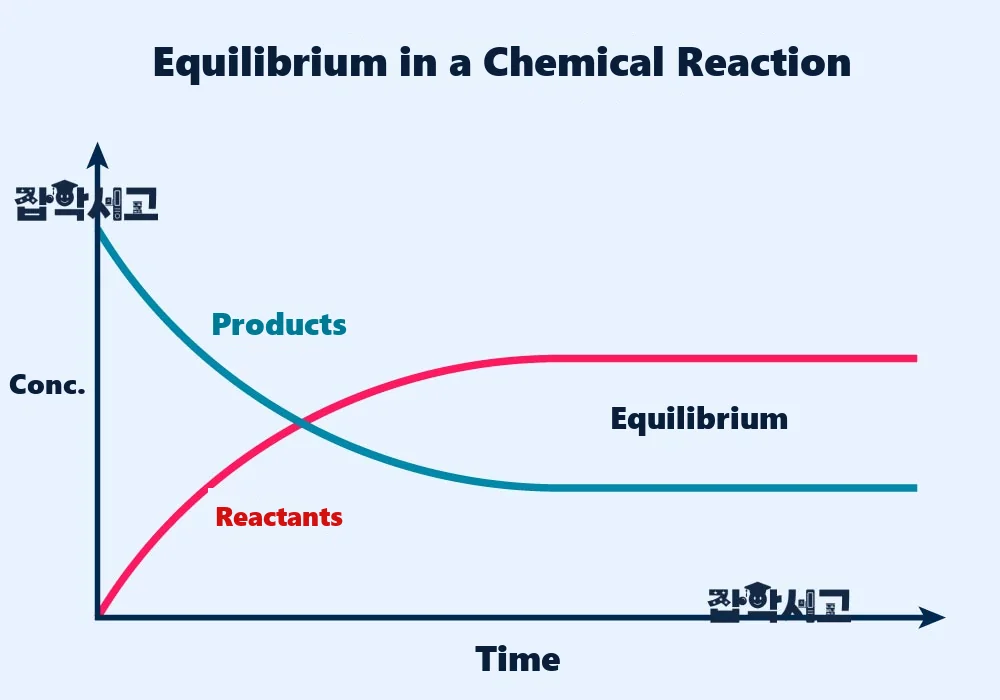
In chemical processes, thermodynamics provides the fundamental principles for process design and operation. Analyzing how energy is transformed and transferred as a process proceeds makes more efficient process design possible. Understanding energy flows in a process based on thermodynamic laws, such as the conservation of energy, can reduce energy wasted during production and maximize efficiency.
In particular, energy balances are essential to process design, minimizing wasted resources by accurately calculating and controlling the energy needed at each stage. The concept of entropy also plays an important role in predicting the natural course of a process and assessing how efficiently it uses energy.
Reaction Kinetics: Controlling Reaction Rates and Improving Productivity
Reaction kinetics is an important field of study that determines how quickly reactions occur in chemical processes. Understanding reaction rates makes it possible to produce the desired products more quickly and efficiently. This serves as a key factor in determining the productivity of chemical processes, and thorough control of reaction rates is important for efficient process operation.
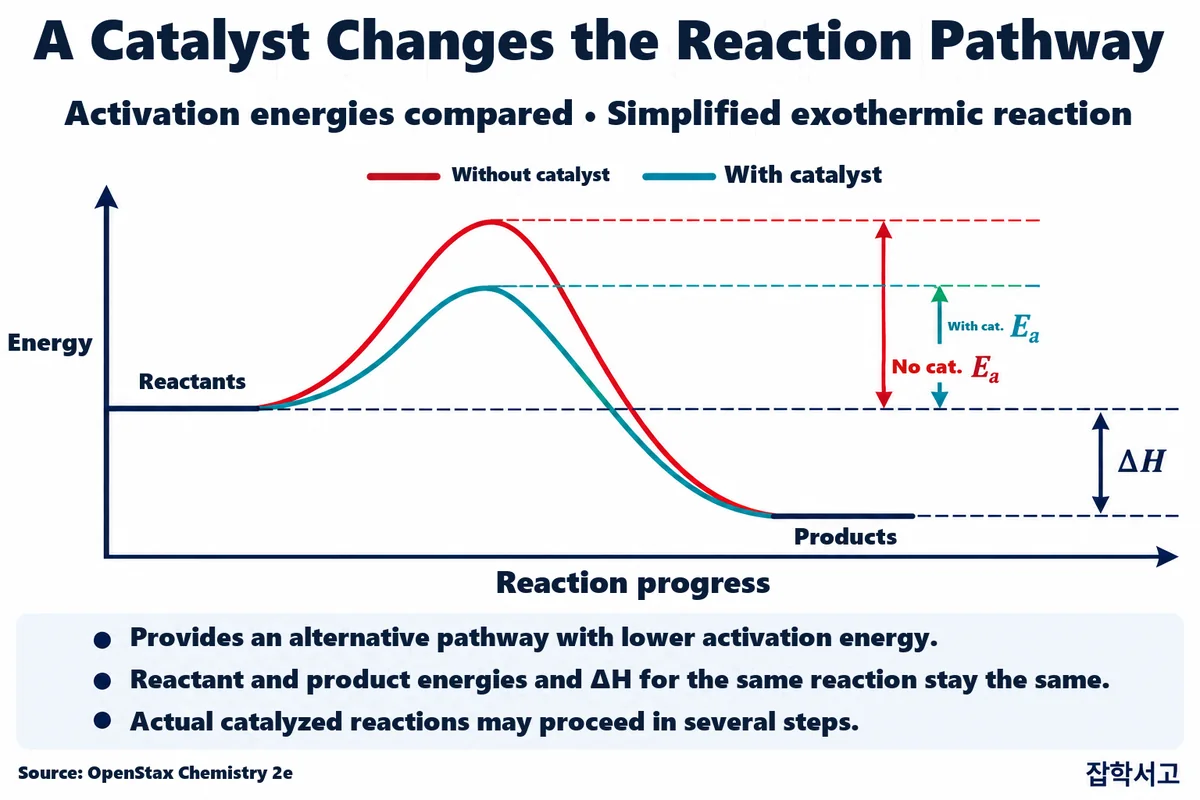
One important method of regulating reaction rates is the use of catalysts. Catalysts increase or decrease reaction rates and help the desired reactions occur quickly under specific conditions. Appropriate use of catalysts can save energy and improve process safety.
The Complementary Roles of Thermodynamics and Reaction Kinetics
Thermodynamics and reaction kinetics play complementary roles in chemical processes. Thermodynamics helps identify a process's possibilities and limitations through energy changes, while reaction kinetics predicts and controls how quickly actual reactions can occur. This interaction is essential for optimizing the overall efficiency of a process.
For example, thermodynamic analysis can be used to determine whether a process is energetically stable, while reaction kinetics can be used to assess whether it can be completed within an economically viable time frame. Optimizing a process based on these analyses can reduce unnecessary waste and maximize resource utilization.
Process Optimization Through Computer Simulation
Computer modeling and simulation have become essential tools in modern chemical processes. Equations of state and reaction rate equations based on thermodynamic data can be used to predict a process's overall performance. This makes it possible to establish optimal process conditions and identify and resolve potential problems in advance.
Computer simulation is useful for understanding complex chemical processes and can replace experimental investigations of how a process changes under different conditions. This allows various conditions to be tested and optimal results to be obtained before the actual process begins.
Importance in Ensuring Process Safety
Thermodynamics and reaction kinetics also play important roles in ensuring process safety. For example, processes involving explosive reactions require careful analysis of thermodynamic stability and appropriate adjustment of reaction rates to establish safe process conditions. Predicting potential process hazards in advance and developing strategies to prevent them are central to safe process operation.
Roles in Education and Research
Thermodynamics and reaction kinetics also play important roles in education and research. Through theory and experiments, students come to understand the complexity of chemical processes and thereby develop the ability to solve practical problems in industrial settings. This academic background contributes to the development of new processes and the improvement of existing processes in industry, while research can identify better methods of process design and operation.
An Integrated Approach to Thermodynamics and Reaction Kinetics
Thermodynamics and reaction kinetics are each essential elements of process design and optimization. Applying these principles together can simultaneously maximize energy efficiency and productivity in chemical processes. Furthermore, this provides a foundation for ensuring safe process operation and pursuing sustainable development.
Catalysts and Chemical Processes: The Secret to Greater Efficiency
The Roles and Importance of Catalysts
Catalysts play very important roles in chemical processes, helping to greatly increase reaction rates or selectively promote specific reaction pathways. Catalysts remain in their original state after a reaction and can be used repeatedly, helping conserve resources and reduce costs. As a result, catalysts have become central elements of efficient chemical process operation.
Types of Catalysts and Their Characteristics
Catalysts can exist in solid, liquid, or gaseous states, with solid catalysts being the most widely used. Solid catalysts mainly consist of metals or metal oxides, and because chemical reactions occur on their surfaces, they are easy to recover and reuse. These characteristics make solid catalysts particularly advantageous in large-scale processes.
Liquid and gaseous catalysts are also used under specific conditions, and each catalyst is applied differently according to its characteristics and intended use. For example, solid catalysts are mainly used in petrochemical processes or processes for environmental protection, while gaseous catalysts are mainly used in gas-phase reactions.
Surface Area and Active Sites That Determine Catalyst Efficiency
Catalyst efficiency is mainly determined by surface area and the characteristics of active sites. The larger a catalyst's surface area, the more reactions occur on its surface, increasing the reaction rate. To achieve this, active research has recently been conducted on using nanotechnology to precisely control catalyst surface structures. This research is contributing to dramatic improvements in catalyst performance and plays an important role in developing catalysts that allow reactions to proceed more quickly and efficiently.
Catalyst Selectivity and Stability
Catalyst selectivity is the ability to promote a specific reaction while suppressing other unnecessary reactions, making it a very important characteristic. Higher selectivity reduces the formation of unwanted byproducts and increases the purity of the final product. This is essential for maximizing process efficiency and producing high-quality products.
Stability refers to a catalyst's ability to operate while maintaining its efficiency over a long period. Greater catalyst stability reduces replacement costs in a process and improves overall economic performance. Selectivity and stability are therefore both important considerations in catalyst development.
Catalyst Development and Sustainable Processes
Catalysts are a field that requires continued research and innovation, and developing environmentally friendly catalysts from a green chemistry perspective has recently emerged as an important challenge. Using renewable resources or developing nontoxic catalysts plays a central role in improving the sustainability of future chemical processes.
For example, instead of conventional catalysts that use toxic metals, catalysts made from renewable raw materials available in nature play an important role in promoting efficient reactions while reducing negative environmental impacts. The development of these catalysts supports environmentally friendly processes and can contribute to sustainable industrial development.
The Economic Benefits and Environmental Contributions of Catalysts
Efficient use of catalysts does more than improve productivity; it also makes a significant contribution to reducing overall process costs and environmental impacts. Processes that use catalysts can substantially lower their environmental burden by reducing energy consumption and minimizing resource use. This enhances companies' competitiveness and ultimately plays an important role in achieving sustainable development.
Practical Applications of Chemical Processes: A Pillar of Industrial Innovation

The Practical Importance of Chemical Processes
Chemical processes play central roles in various industrial sectors and provide an important technological foundation for driving industrial innovation. They make it possible to process raw materials efficiently and produce various products, while process optimization enables improvements in productivity and reductions in costs across industry. Chemical processes have a very broad scope and are essential in various fields, including petrochemicals, pharmaceuticals, food, energy, and environmental protection.
Chemical Processes in the Petrochemical Industry
The petrochemical industry is a representative application of chemical processes, using complex chemical processes to refine crude oil and produce various petroleum products such as gasoline, diesel, and plastics. This involves multiple stages, with the goal at each stage being to improve energy efficiency and remove impurities to produce high-quality products. These processes enable large-scale production and allow petrochemical products to be widely used in our daily lives.
Chemical Processes in the Pharmaceutical Industry
The pharmaceutical industry is another important application of chemical processes. Chemical process technology is essential for manufacturing high-purity drugs through complex chemical synthesis during the development and production of new medicines. In particular, fine adjustment of reaction conditions and highly precise process management make it possible to produce safe and effective medicines. The efficiency of pharmaceutical processes determines the speed and cost of new drug development and is essential for reliably supplying high-quality products.
Chemical Processes in the Food Industry
In the food industry, chemical processes play important roles in ensuring food stability and quality. Chemical processes are used in various areas, including the synthesis of food additives, preservation treatments, and improvements in taste and aroma. Because the technologies used in these processes are directly linked to consumers' health, they require more precise management and safety. Food processing and preservation technologies have advanced thanks to chemical processes, which have become essential elements of the modern food industry.
Chemical Processes in the Energy Sector
Chemical processes are also essential in the energy industry. They play important roles in developing sustainable alternative energy sources, as well as in refining and treatment technologies for the efficient use of traditional fossil fuels. For example, biofuel production using biomass is attracting attention as an environmentally friendly energy source that can replace fossil fuels, and chemical processes make this possible. These process technologies help improve energy efficiency and economic performance while minimizing environmental impacts.
Environmental Protection and the Roles of Chemical Processes
Chemical processes also play important roles in solving environmental problems. Chemical process technologies are applied in various environmental protection activities, including wastewater treatment, air pollution control, and waste recycling. These technologies allow companies to comply with environmental regulations and fulfill their social responsibilities by minimizing harmful substances generated during industrial processes and recycling resources. In particular, chemical processes are essential for creating a sustainable environment, and process innovation can achieve both environmental protection and economic benefits.
The 4th Industrial Revolution and the Introduction of Smart Processes
Chemical processes are also undergoing major changes in the era of the 4th Industrial Revolution. The introduction of smart processes through integration with digital technologies is greatly improving process flexibility and productivity. Automated systems using artificial intelligence (AI), big data, and the Internet of Things (IoT) analyze process data in real time and optimize process conditions to reduce unnecessary waste and maximize energy efficiency. These smart processes are being applied across industry and are becoming central elements of sustainable development.
Chemical Processes for a Sustainable Future
Chemical processes provide an important technological foundation that enables innovation and development in various industrial sectors, offering benefits such as energy efficiency, environmental protection, and improved productivity. In particular, smart processes combined with digital technologies will serve as central drivers of future industry and essential elements of sustainable development. Continued innovation in chemical processes will keep contributing to industrial development and serve as an important means of pursuing both environmental and economic benefits.
Chemical processes play important roles in establishing the foundations of various industrial sectors and serve as important engines of innovation. The principles and applications discussed in this article have reaffirmed the importance of chemical processes.
Through continued research and technological development, chemical processes will become more efficient and environmentally friendly, and these advances will contribute to sustainable growth across industry.