Chemistry is transforming every aspect of our lives, and polymers in particular play a central role in a wide range of fields, from everyday life to advanced industries. Beyond simple plastics, polymers occupy an important place in various applications, including high-performance materials, biomaterials, and nanotechnology.
This article aims to explore in depth the properties and applications of polymers, which are emerging as a core element of modern chemistry.
Understanding the Basics of Polymers
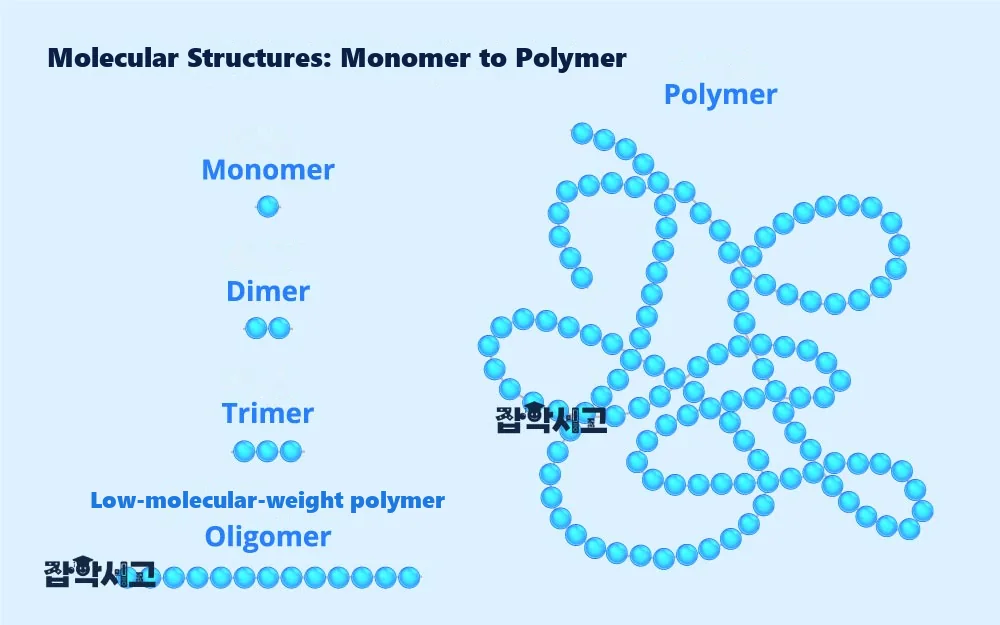
Definition and Structural Characteristics of Polymers
A polymer is a macromolecule formed by the repeated bonding of monomers, which form long chain structures through chemical bonds. This structure gives polymers a diverse range of physical and chemical properties, thereby offering various possibilities for applications. For example, structural variations in polymers, such as linear, branched, and network structures, directly influence physical properties such as strength, flexibility, and heat resistance.
Physical and Chemical Properties of Polymers
Both the physical and chemical properties of polymers are important subjects of research. Physical properties include strength, flexibility, and heat resistance, and these properties vary greatly depending on the polymer's structure. Chemical properties include chemical stability, solubility, and reactivity, which play an important role in expanding the range of polymer applications. For example, polymers with high heat resistance can be used reliably even in high-temperature environments and are therefore used in various industries.
Polymer Synthesis Techniques and Applications
Modern chemistry is developing various techniques for synthesizing polymers and controlling their properties. For example, 'living polymerization' allows monomer addition and termination to be precisely controlled, making it useful for synthesizing polymers with desired properties. Such techniques play an important role in various advanced applications, including the development of high-performance materials, nanotechnology, and biomaterials. Advances in these synthesis techniques enable the development of materials with new functions and contribute to solving existing industrial problems.
The Importance of Polymer Research and Future Prospects
Understanding the basics of polymers is the first step toward practical applications of these materials. By gaining an in-depth understanding of polymer structures and properties, researchers are developing materials with new functions and seeking ways to solve various industrial problems. Polymer research plays a key role in various fields, including sustainable material development, solutions to environmental problems, and medical innovation, and its importance will continue to grow.
Continued Progress and Innovation in Polymer Research
In conclusion, polymers are an important subject of research in modern chemistry, and understanding their fundamentals enables innovation in various applications. Studying the diverse properties of polymers and ways to control them will remain an important task, and this research will provide an important foundation for a sustainable future. Continued progress in polymer research will serve as a driving force for innovation and technological advancement in various industries.
Scientific Analysis of Different Types of Polymers and Their Properties
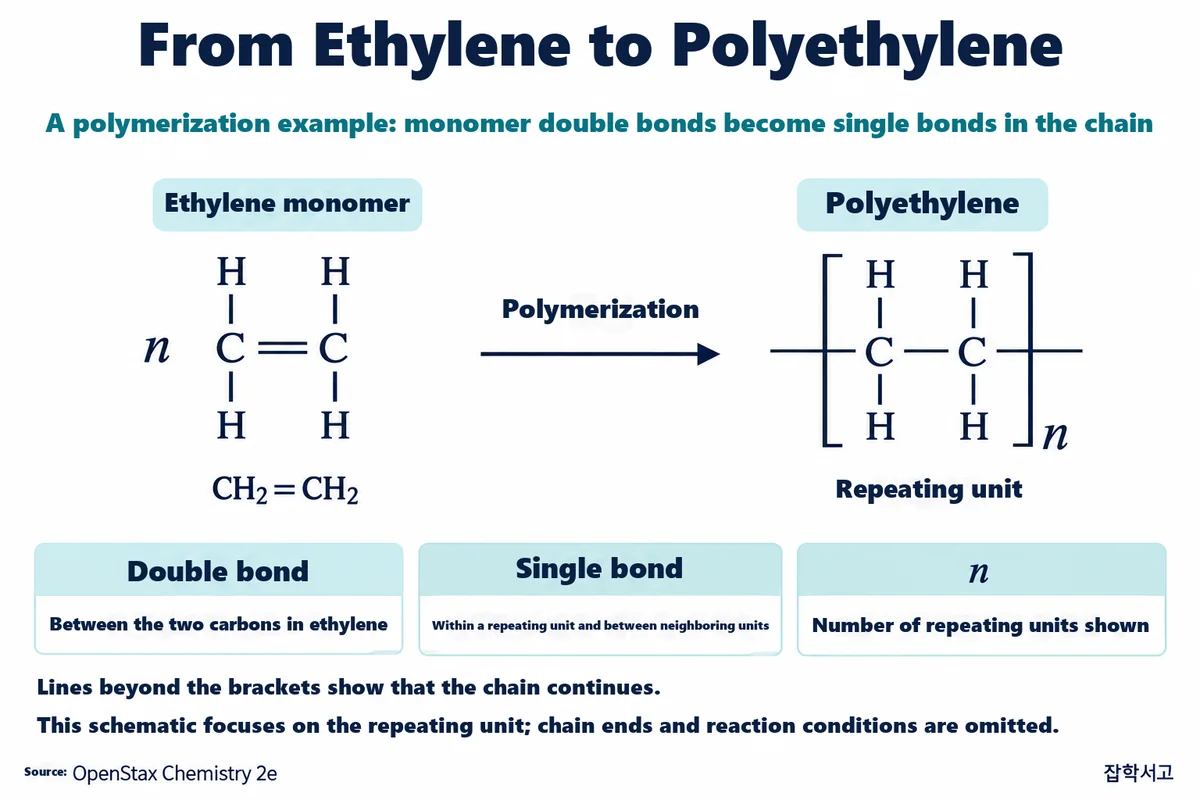
Classification and Key Properties of Polymers
Polymers have different properties depending on their type and are broadly classified into thermoplastic and thermosetting polymers. Thermoplastic polymers melt when heated and can be reshaped, with polyethylene (PE), polypropylene (PP), and polyvinyl chloride (PVC) being representative examples. These polymers are lightweight, easy to process, and can be molded into various shapes, making them widely used in everyday life for packaging, household appliances, automotive parts, and more. In particular, polyethylene is divided into low-density (LDPE) and high-density (HDPE) forms, which are used according to the application.
By contrast, thermosetting polymers, such as epoxy and phenolic resins, do not melt again once they have cured at high temperatures. During curing, these polymers form chemically stable network structures that provide high heat and chemical resistance, and they are widely used in fields that require durability, such as aerospace, electrical and electronic applications, and construction materials.
Composite Materials and Their Applications
Composite materials are made by adding other materials to a base polymer to improve its properties. Carbon fiber reinforced polymer (CFRP) is a material that combines low weight and high strength by adding carbon fibers to a polymer, and it is used in aircraft, automobiles, sporting goods, and other products. Such composites are representative examples that show how important it is to understand the fundamental properties of polymers and develop techniques to control them. The development of composite materials further expands the range of polymer applications and enables innovation in various industries.
Scientific Analysis of Polymer Properties
Accurately analyzing polymer properties is an important factor in determining their potential applications. Various analytical techniques are used to evaluate the chemical composition, thermal properties, and mechanical strength of polymers. Spectroscopy is used to analyze the chemical structure and composition of polymers, while thermal analysis plays an important role in evaluating their thermal properties, such as melting point and thermal stability. Mechanical testing is used to identify the mechanical properties of polymers by measuring their strength, elongation, and hardness.
Such scientific analysis provides an in-depth understanding of polymer structures and properties, which can serve as the basis for developing new applications. Analytical results contribute to expanding the potential applications of polymers and proposing innovative solutions that overcome the limitations of existing industries.
The Importance of Polymer Research and Future Possibilities
In conclusion, scientific analysis of different types of polymers and their properties is an important foundation for modern industry and advances in science and technology. An in-depth understanding of polymer properties and techniques to control them will continue to drive innovation in various industries. Through such analysis and research, researchers will further expand the potential applications of polymers and open new paths toward a sustainable future. Polymer research will continue to grow in importance and play a key role in leading industrial innovation.
Industrial Applications of Polymers: Bringing Innovation and Practicality Together
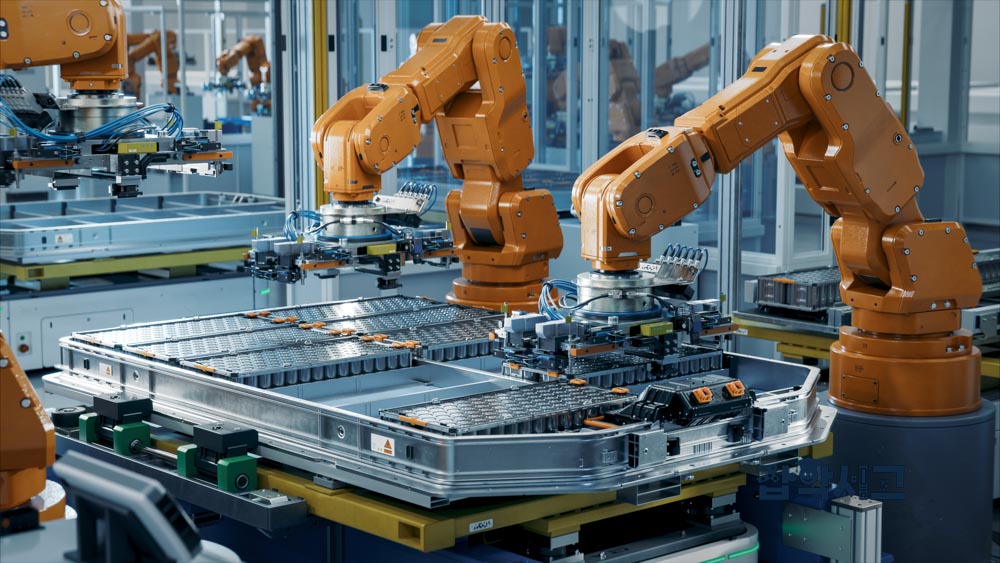
Industrial Applications of Polymers and Their Importance
Polymers are maximizing their practical value through innovative applications across various industries. They play an important role in a very wide range of fields, including packaging, construction materials, automobiles, medical devices, and electronic products, and their properties help improve product performance and reduce costs.
The Use of Polymers in Packaging
The use of polymers is essential in packaging. Polyethylene, polypropylene, polyvinyl chloride, and other polymers are lightweight, highly durable, and can be processed into various forms, making them widely used for packaging food, cosmetics, pharmaceuticals, and other products. Recently, biodegradable and recyclable polymers have been actively developed to address environmental problems. This points to an important direction that can contribute to environmental protection alongside the development of sustainable packaging.
Polymers as Construction Materials
Polymers are also widely used as construction materials. PVC is used for window frames, pipes, flooring, and other applications, while polyurethane (PU) is used for insulation, flooring, adhesives, and more. These polymer materials offer excellent durability and processability, improving building performance while also reducing costs. The use of polymers in construction materials helps increase the energy efficiency of buildings and reduce maintenance costs.
The Role of Polymers in the Automotive Industry
The use of polymers in the automotive industry is gradually increasing to reduce vehicle weight and improve fuel efficiency. Polypropylene, polyethylene terephthalate (PET), nylon, and other polymers are used for vehicle interiors and exteriors, fuel tanks, engine components, and more. In particular, carbon fiber reinforced polymer (CFRP) is widely used in high-performance automobiles because it can combine low weight with high strength. This enables innovation and environmentally friendly development in the automotive industry.
Polymer Applications in Medicine
Polymers are also widely applied in medicine. Biocompatible polymers are used for artificial organs, artificial blood vessels, sutures, and other applications, while polymeric drug delivery systems enable efficient drug delivery and release. These polymer applications promote advances in medical technology and greatly improve patients' quality of life. In particular, advances in biopolymers form a core part of future medical technology.
The Use of Polymers in Electronic Products
Polymers also play an important role in achieving low weight and high performance in electronic products. Polyimide, polycarbonate (PC), polysulfone, and other polymers are used in electronic devices for insulation, capacitors, displays, and more. These polymer materials help improve the performance and durability of electronic products and serve as an important factor driving the development of the electronics industry.
Continued Progress in Polymers and Industrial Innovation
In conclusion, the industrial applications of polymers play a central role in achieving both innovation and practicality across various fields. As research and development continue, innovative products that make even fuller use of polymer properties are emerging, greatly improving our quality of life. Polymers will continue to advance as key materials for industrial innovation.
Environmentally Friendly Alternatives for Polymers and Future Prospects
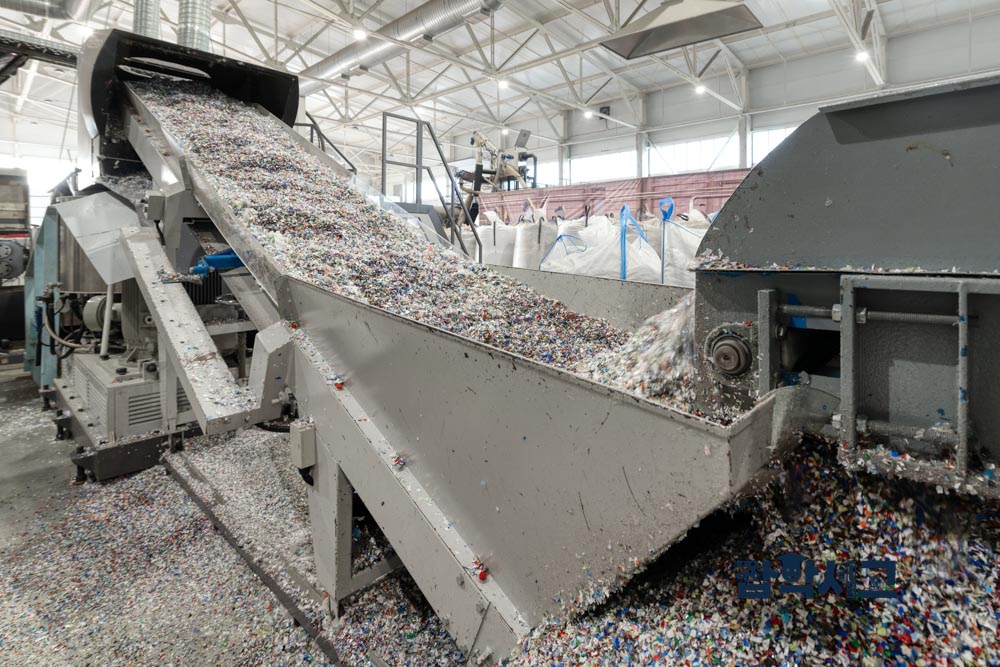
Environmental Problems and the Need for Sustainable Polymers
The widespread use of polymers can cause environmental pollution, particularly plastic waste problems. Developing sustainable polymers is essential to solving these problems. Biodegradable polymers, recyclable polymers, and bio-based polymers are attracting attention as environmentally friendly alternatives, and their development will be an important factor in environmental protection and sustainable development.
Biodegradable Polymers: The Potential to Break Down in Nature
Biodegradable polymers naturally break down after a certain period. Representative examples include polylactic acid (PLA), polybutylene succinate (PBS), and polycaprolactone (PCL), which are mainly used in food packaging, medical supplies, agricultural films, and other applications. These polymers can minimize their environmental impact when disposed of after use, giving them an important role in a sustainable future.
Recyclable Polymers: Conserving Resources and Reducing Waste
Recyclable polymers seek to address environmental problems by recycling existing plastics and turning them into new products. For example, polyethylene terephthalate (PET) can be recycled into beverage bottles, fibers, and other products, contributing to resource conservation and waste reduction. Advances in recycling technology open up possibilities for more polymers to be reused, playing an important role in the efficient use of resources and environmental protection.
Bio-Based Polymers: Switching to Environmentally Friendly Raw Materials
Bio-based polymers are manufactured using natural raw materials extracted from plants, microorganisms, and other sources instead of petrochemical feedstocks. This helps reduce dependence on fossil fuels and lower carbon emissions. For example, cellulose, chitin, and alginate are used as major raw materials for bio-based polymers and have considerable potential for applications in various industries. This transition makes an important contribution to the development of sustainable materials and plays a significant role in reducing environmental burdens.
The Importance of Policy Support and Technological Innovation
Developing sustainable polymers requires both technological innovation and policy support. Governments around the world are strengthening environmental regulations and pursuing policies that encourage research into sustainable polymers. This provides an important impetus for researchers and companies to develop and commercialize environmentally friendly polymers. Only by combining technological innovation with policy support can meaningful progress in sustainable polymers be achieved.
Future Prospects: Integrating Nanotechnology and Artificial Intelligence
In the future, polymer research combined with nanotechnology will attract greater attention. Controlling polymer structures at the nanoscale can enable the development of materials with superior performance, making an important contribution to achieving high performance while reducing environmental pollution. Polymer research using artificial intelligence and big data will also open up new possibilities, enabling innovative approaches to sustainable polymer development.
The Importance of Sustainable Polymers
In conclusion, sustainable polymers are becoming established as an important alternative for addressing environmental problems. Research and technological development on biodegradable polymers, recyclable polymers, bio-based polymers, and other options are actively underway, marking an important step toward sustainable development in the future. Advances in sustainable polymers will play a central role in protecting the environment while improving humanity's quality of life.
In modern chemistry, polymers play a very important role because of their properties and broad range of applications. An in-depth understanding of the different types of polymers and their properties provides a foundation for achieving both industrial innovation and practicality. Furthermore, research into sustainable polymers will serve as an important key to solving environmental problems.
In-depth research and technological development in polymers will make an important contribution to further improving our standard of living and creating a sustainable future. Polymer research will continue to advance and lead innovation in various industries.