Lactose is a carbohydrate commonly found in various foods and is considered a particularly important component of dairy products. However, it is very important to gain a thorough understanding of its structure and properties, the digestion process, lactose intolerance, and the effects of lactose consumption on health.
This material aims to provide an in-depth analysis of the scientific understanding of lactose and its resulting effects on health.
The Structure and Properties of Lactose: A Molecular Understanding
 What structure and properties does lactose have?
Lactose is a disaccharide formed by combining two monosaccharides called galactose and glucose. Its chemical formula is C12H22O11, and these two monosaccharides are linked by a β(1→4) glycosidic bond. These structural features give lactose its ability to dissolve readily in water and its mildly sweet taste. Lactose plays an important role as a major carbohydrate, particularly in dairy products, and performs many physiological functions. Found in some processed foods as well as dairy products, lactose serves as an important nutrient in a variety of foods.
The Digestion of Lactose: The Role of Enzymes and Metabolism
The action of a specific enzyme is necessary for lactose to be digested in the human body. This enzyme is called lactase and is secreted in the small intestine. Lactase breaks down lactose into galactose and glucose, and these monosaccharides are then absorbed through the intestinal wall and used as energy sources by the body. This digestion process plays an important role in maximizing the nutritional value of lactose, and problems such as lactose intolerance can arise when lactose is not properly digested. The amount of lactase secreted varies between individuals and may also decrease with age.
The Physical Properties of Lactose and Its Uses in the Food Industry
Lactose dissolves readily in water and is used as a natural sweetener in various foods. Its low viscosity helps improve the texture and taste of foods, and these properties make it an important ingredient in various dairy products, including milk, ice cream, and yogurt. Lactose is also used as an essential raw material in the confectionery and baking industries, particularly helping improve the color and flavor of bread and cakes. This extensive use in the food industry demonstrates the importance of lactose's physical properties.
Lactose and Fermentation: Interactions with Lactic Acid Bacteria
Lactose also plays a very important role in fermentation. Lactic acid bacteria ferment lactose to produce lactic acid, and this process is the key principle behind turning milk into yogurt or cheese. As lactose is converted into lactic acid during fermentation, dairy products develop a richer taste and aroma, and beneficial lactic acid bacteria are also produced. This fermentation process increases the nutritional value of dairy products and helps promote intestinal health.
The Chemical Stability of Lactose and Food Preservation
Lactose is a relatively chemically stable compound that does not readily break down under various conditions. This property allows lactose to be stored for long periods and gives it an important role in extending the shelf life of foods. The stability of lactose is an important factor in maintaining product quality in processed foods as well as dairy products. Its chemical stability also helps preserve the taste and texture of products during various processing procedures.
Uses of Lactose in the Pharmaceutical Industry
Lactose is also widely used in the pharmaceutical industry. It is primarily used as a filler and stabilizer in tablets, helping maintain the storage stability and efficacy of medications. Lactose maintains the form of medications and provides a consistent rate of breakdown, helping maximize their effects. In this way, lactose serves essential roles in various industries beyond its use as a food ingredient, and its applications in the pharmaceutical industry clearly demonstrate its importance.
The Digestion of Lactose: The Role of Enzymes and Mechanisms in the Human Body
 How is lactose digested?
Lactose digestion takes place mainly in the small intestine, where the secretion of lactase plays a central role. This enzyme breaks down lactose into galactose and glucose and is found in the microvilli of the epithelial cells of the small intestine, acting directly on lactose that arrives with food.
Lactase Activity: The Importance of Digestion and Absorption
Lactase breaks down lactose into two monosaccharides, helping them to be absorbed in the villi of the small intestine. Through this process, lactose can be used as an energy source. If lactase is insufficient, lactose moves into the large intestine and remains undigested, potentially causing problems.
Lactose Fermentation in the Large Intestine: The Effects of Undigested Lactose
Undigested lactose that reaches the large intestine is fermented by intestinal bacteria. This process produces gas and organic acids, which can cause abdominal bloating and pain. These symptoms are one of the main causes of lactose intolerance, making adequate lactase secretion very important.
Changes in Lactase with Age: The Development of Lactose Intolerance
Lactase secretion can change with age. Enzyme activity is high during infancy but tends to decrease as people reach adulthood. This is an important factor that increases the likelihood of developing lactose intolerance in adulthood.
Genetic Factors and Lactose Digestion: Genetic Differences in Enzyme Activity
The lactose digestion process can be greatly influenced by genetic factors. Some people have genetically low lactase activity and may be unable to digest lactose properly. These genetic factors may occur more frequently in certain racial and ethnic groups.
The Effects of Dietary Habits and Lifestyle on Lactose Digestion
The lactose digestion process can vary depending on an individual's dietary habits and lifestyle. People who frequently consume dairy products may maintain or increase their lactase activity, while those who rarely consume dairy products may experience a decrease in enzyme activity. Therefore, lactose digestion is an important issue that requires consideration of an individual's dietary habits and lifestyle.
Lactose Intolerance: Causes and Mechanisms of Development
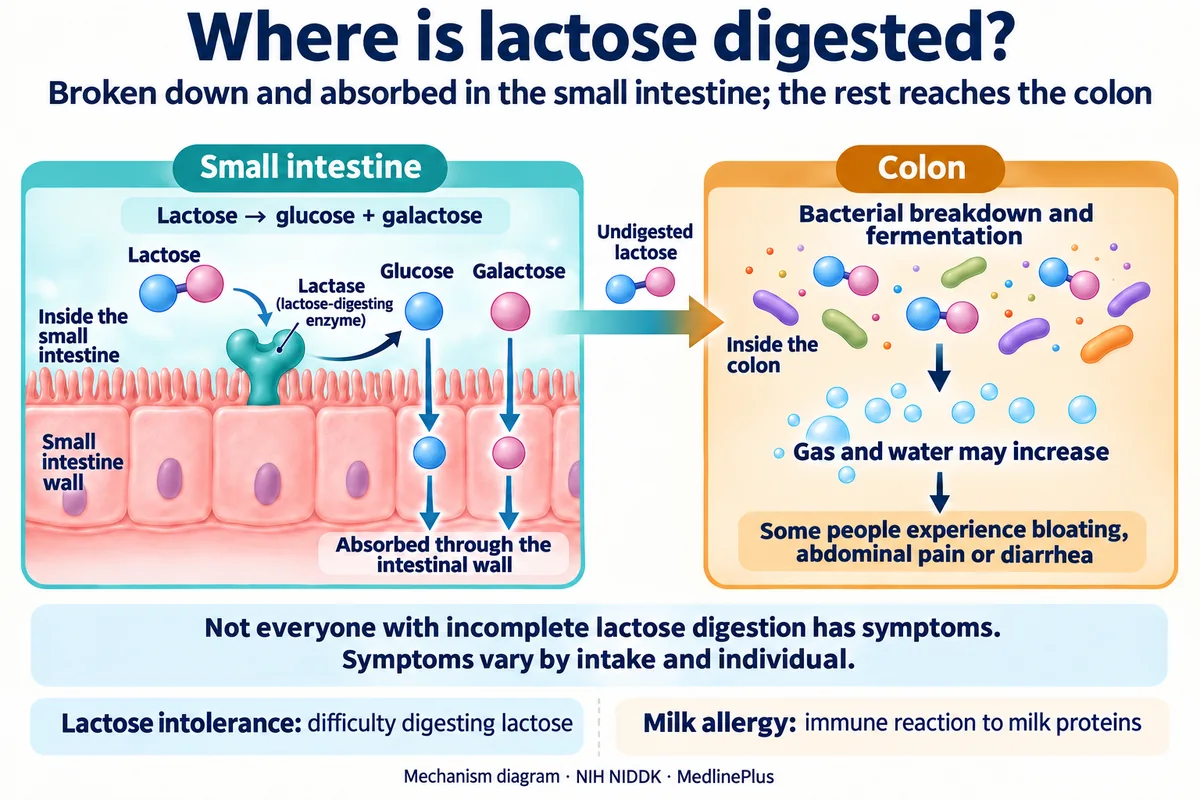
Lactose intolerance is a digestive disorder caused by a deficiency of lactase, the enzyme needed to digest lactose. When this enzyme is not secreted in sufficient amounts, lactose is not properly broken down in the small intestine and moves into the large intestine, potentially causing various forms of digestive discomfort. Genetic factors are among the main causes of lactose intolerance, and certain genetic variations may reduce or stop enzyme production.
Symptoms of Lactose Intolerance: Problems That Arise During Digestion
Symptoms of lactose intolerance generally appear within a few hours of consuming lactose. The most common symptoms include abdominal bloating, abdominal pain, diarrhea, gas, and nausea, which occur as undigested lactose ferments in the large intestine. As intestinal bacteria break down lactose, gas and organic acids are produced, triggering these symptoms.
The Incidence of Lactose Intolerance: Differences by Age and Race
Lactose intolerance is particularly common in adulthood. This is because lactase activity gradually decreases after infancy. Some people maintain enzyme activity into adulthood, but many experience a sharp decrease in enzyme activity as they age. These changes may be more pronounced in certain racial or ethnic groups.
Methods for Diagnosing Lactose Intolerance: Tests for Accurate Assessment
Lactose intolerance is generally diagnosed through various tests alongside an assessment of symptoms. Common diagnostic methods include the hydrogen breath test, lactose tolerance test, and stool acidity test. The hydrogen breath test diagnoses lactose intolerance by measuring hydrogen gas exhaled after lactose consumption, while the lactose tolerance test measures blood glucose levels to assess whether lactose is being properly digested and absorbed.
Strategies for Managing Lactose Intolerance: Dietary Adjustments and Supplement Use
Ways to manage lactose intolerance include limiting lactose intake or choosing products with the lactose removed. Lactase supplements can also be used to relieve symptoms when consuming foods that contain lactose. These supplements help digest lactose and are effective in reducing uncomfortable symptoms.
Lifestyle Management of Lactose Intolerance: Ways to Relieve Symptoms
Although lactose intolerance cannot be completely cured, its symptoms can be effectively managed through appropriate care and dietary adjustments. Symptoms can be avoided by choosing lactose-free alternative foods or consuming foods with a low lactose content. It is important to improve one's understanding of lactose intolerance and choose a diet suited to individual needs.
The Health Benefits and Drawbacks of Lactose Consumption
 How does lactose affect health?
The Health Benefits of Lactose Consumption: Supplying Energy and Nutrients
Lactose is an important energy source and serves as an essential nutrient, particularly during infancy. Dairy products rich in lactose contain various nutrients, including calcium, vitamin D, and riboflavin, which contribute to bone health and physical growth. As a result, lactose consumption plays an important role in the growth and development of children and adolescents.
Lactose and Beneficial Intestinal Bacteria: Promoting Intestinal Health and Improving Digestion
Lactose helps promote the growth of beneficial intestinal bacteria. When lactose is broken down and converted into galactose and glucose in the small intestine, these are used as energy sources by beneficial intestinal bacteria. This can help promote intestinal health and improve the digestion process, positively affecting overall digestive health.
Probiotics and Dairy Products: Strengthening Immune Function and Supporting Digestive Health
Dairy products containing lactose often contain probiotics, which can further promote intestinal health. Probiotics help maintain the balance of beneficial intestinal bacteria and inhibit the growth of harmful bacteria. This positively affects digestive health as well as the strengthening of immune function and can contribute to maintaining overall health.
Drawbacks of Lactose Consumption: Lactose Intolerance and Nutritional Imbalances
Lactose consumption can cause uncomfortable symptoms in people with lactose intolerance. Symptoms such as abdominal bloating, diarrhea, and abdominal pain can negatively affect daily life and, in severe cases, lead to nutritional imbalances. It is important for people with lactose intolerance to regulate their lactose intake to avoid these problems.
The Risks of Excessive Lactose Consumption: Weight Gain and Chronic Diseases
Excessive lactose consumption can lead to health problems related to weight gain. Dairy products can be high in calories, and excessive consumption can increase the risk of chronic diseases such as obesity, diabetes, and cardiovascular disease. Therefore, consuming appropriate amounts of lactose is important.
Lactose Consumption and Environmental Effects: The Need for Sustainable Food Choices
The environmental effects of lactose consumption need to be considered. Dairy production requires substantial resources and can contribute to environmental pollution and climate change. Therefore, attention and effort toward sustainable food choices are needed to minimize the environmental effects associated with lactose consumption. This is an important factor in protecting both individual health and the health of the planet.
Lactose plays an important role in our diet, but we need to understand and manage the various factors associated with its consumption.
By gaining a good understanding of the structure of lactose and its digestion process, we can effectively manage lactose intolerance and consider both the positive and negative effects of lactose consumption on health in a balanced way.
Through this process, we will be able to maintain a healthier and more balanced diet.