Healthy, elastic skin is one of the standards of beauty that many people strive for. This is especially true today, when there is so much interest in looking younger. The protein collagen plays a very important role in maintaining skin in this condition.
This article explores the secrets of collagen, a protein essential for healthy skin and a youthful appearance. It takes a detailed look at what collagen is, its importance and roles, ways to stimulate its production, tips for choosing supplements, and foods rich in collagen.
Collagen: An Essential Protein That Forms the Foundation of the Skin
 How does age affect collagen and the skin?
The Importance of Collagen
Collagen is the most abundant protein in our bodies, accounting for about 30% of all protein. It is found in almost all connective tissues, including the skin, bones, muscles, tendons, and ligaments, and plays a particularly crucial role in maintaining the skin's structure and function. Collagen is present in the dermis, a deep layer of our skin, where it maintains the skin's elasticity and strength.
Collagen Production and Decline
Collagen is produced naturally in the body, but its production decreases with age. This is one of the main reasons why skin thins and wrinkles form. A lack of collagen can reduce skin elasticity, make the skin dry, and deepen wrinkles.
Types of Collagen
Collagen can be divided into three main types. Type I, type II, and type III. Type I is most abundant in the skin, ligaments, and bones, while type II is found mainly in cartilage. Type III is found primarily in organ systems and blood vessels. These three types work together to support various bodily functions.
The Amino Acid Structure of Collagen
The amino acid structure of collagen consists of three main amino acids: glycine, proline, and hydroxyproline. This structure gives collagen its strength and flexibility and plays an important role in wound healing and skin regeneration.
Collagen's Role in Maintaining the Skin
Beyond simply maintaining the skin's structure, collagen plays an important role in increasing the skin's moisture content and promoting skin cell turnover. Properly maintaining and replenishing collagen is therefore essential for keeping skin healthy and elastic.
By understanding the important roles of collagen, we can find better ways to maintain and improve skin health. This allows us to prevent skin aging and maintain younger, healthier skin.
The Role and Importance of Collagen in a Youthful Appearance
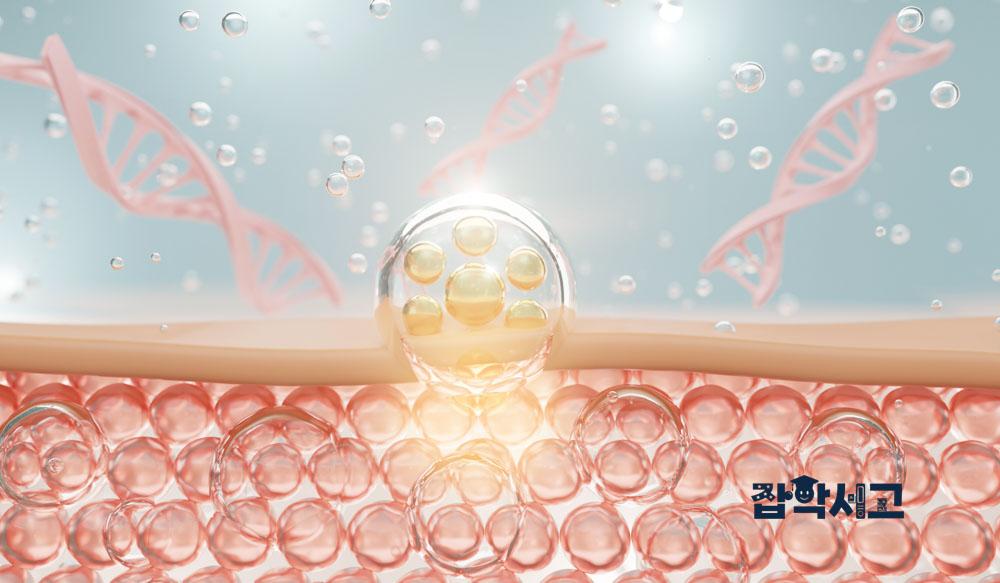 What role does collagen play in maintaining a youthful appearance, and why is it important?
Providing Skin Elasticity and Strength
Collagen acts as a major factor in providing the skin with elasticity and strength. In the dermis, collagen forms a lattice structure that gives the skin firmness and flexibility. This allows the skin to absorb external impacts, maintain its shape, and prevent wrinkles and sagging.
Retaining Moisture
Collagen also plays an important role in retaining moisture in the skin. Collagen fibers attract moisture to keep the skin hydrated. This allows the skin to remain soft and moist. Skin that lacks moisture becomes dry and can be easily damaged, so sufficient collagen is essential for skin hydration.
Promoting Skin Cell Regeneration
Collagen also helps promote the regeneration of skin cells. The skin continually replaces its cells with new ones through metabolic processes, and during this process, collagen removes damaged cells and helps new cells form. This allows the skin to remain healthy and fresh at all times.
Supporting Detoxification
Collagen also supports the skin's detoxification process. The skin is exposed to various harmful substances and toxins from the external environment, and collagen works to expel them and protect the skin. This allows the skin to remain healthier and cleaner.
Wound Healing
Another important role of collagen is wound healing. When the skin is damaged, collagen helps wounds heal quickly by forming new tissue. Collagen fibers form strong bonds at the damaged site, promoting cell regeneration.
Preventing Aging and Maintaining Elasticity
Finally, collagen plays an important role in maintaining skin elasticity. As we age, collagen production decreases, and the skin also loses elasticity. Sufficient collagen supplementation is needed to prevent these changes. Collagen is essential for preventing skin aging and maintaining younger, more elastic skin.
Stimulating Collagen Production: Effective Methods and Recommendations
 What are effective methods and recommendations for collagen production?
Improving Your Diet
The first way to stimulate collagen production is to improve your diet. Eating foods rich in collagen is very important for maintaining skin health and elasticity. It is advisable to choose foods rich in the amino acids used to produce collagen, such as meat, fish, eggs, legumes, and green vegetables.
Vitamin C Intake
Vitamin C is also essential for collagen production. It stimulates collagen production by activating the enzymes needed to form collagen fibers. It is advisable to eat foods rich in vitamin C, such as citrus fruits, kiwis, broccoli, and bell peppers. Consistently consuming the recommended daily amount of vitamin C greatly helps collagen production.
UV Protection
Protecting the skin from ultraviolet rays is also important for stimulating collagen production. UV rays can break down collagen and reduce skin elasticity. It is therefore advisable to use sunscreen when going outdoors and stay in the shade when UV rays are strong.
Regular Exercise
Exercise also helps stimulate collagen production. Regular exercise promotes blood circulation, supplying the skin with more oxygen and nutrients. This activates collagen production and helps maintain skin elasticity. Combining aerobic exercise with strength training is particularly effective.
Sufficient Sleep
Sufficient sleep is also important for stimulating collagen production. During sleep, the skin undergoes repair and regeneration, and collagen production is also active at this time. It is advisable to maintain a consistent sleep schedule and get a full 7 to 8 hours of sleep each day.
Stress Management
Reducing stress is also important for supporting collagen production. Stress can stimulate the release of cortisol, a hormone that breaks down collagen. You need to find your own ways of relieving stress, such as yoga, meditation, or hobbies.
Tips and Precautions for Choosing Collagen Supplements
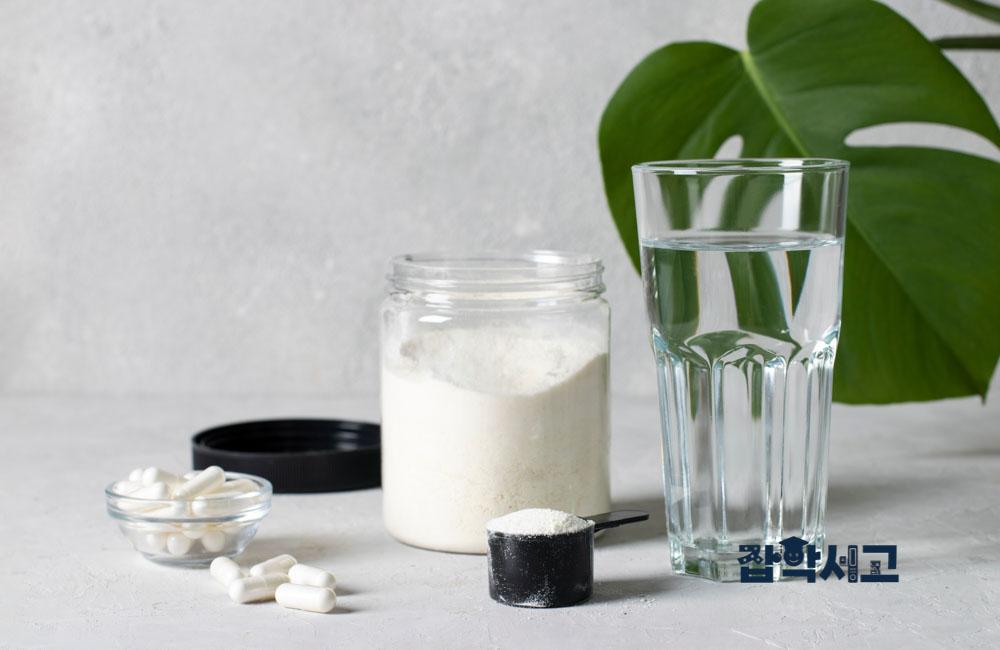 What tips can help you choose collagen supplements?
Checking Product Ingredients
It is advisable to follow a few important tips when choosing collagen supplements. First, it is important to carefully check the product's ingredients. There are various types of collagen supplements, and among them, type I and type III collagen are the most effective for skin health. Check the product label to make sure it contains these types of collagen.
Checking the Source of the Ingredients
It is also important to check the source of the ingredients in collagen supplements. There are various sources, including marine collagen and animal collagen, and absorption rates and effects may differ depending on the source. Marine collagen is particularly recommended because it has a high absorption rate and causes fewer allergic reactions.
Choosing a Form
You should also consider the form of the collagen supplement. Various forms are available, including powder, capsules, and jelly, and you can choose according to your preferences and how convenient they are to consume. Powder is convenient because it can easily be mixed into water or other drinks, while capsules have the advantage of being easy to take.
Checking Certification Marks
It is also important to check for certification marks that guarantee the product's safety and quality. It is advisable to choose products certified by reliable organizations, such as those with GMP (Good Manufacturing Practice standards for pharmaceutical production and quality control) certification or NSF certification. These certifications guarantee the product's safety and quality.
Following the Recommended Intake
When taking collagen supplements, you must follow the recommended intake. Excessive intake can instead cause side effects, so it is important to follow the recommended amount stated on the product label precisely. It is also important to maintain a balance with other nutrients.
Considering Your Health and Allergic Reactions
Finally, when choosing collagen supplements, you should consider your individual health and allergic reactions. If you are allergic to a particular ingredient, carefully check the product's ingredient label and, if necessary, consult a specialist before taking it.
Which Foods Are Rich in Collagen?
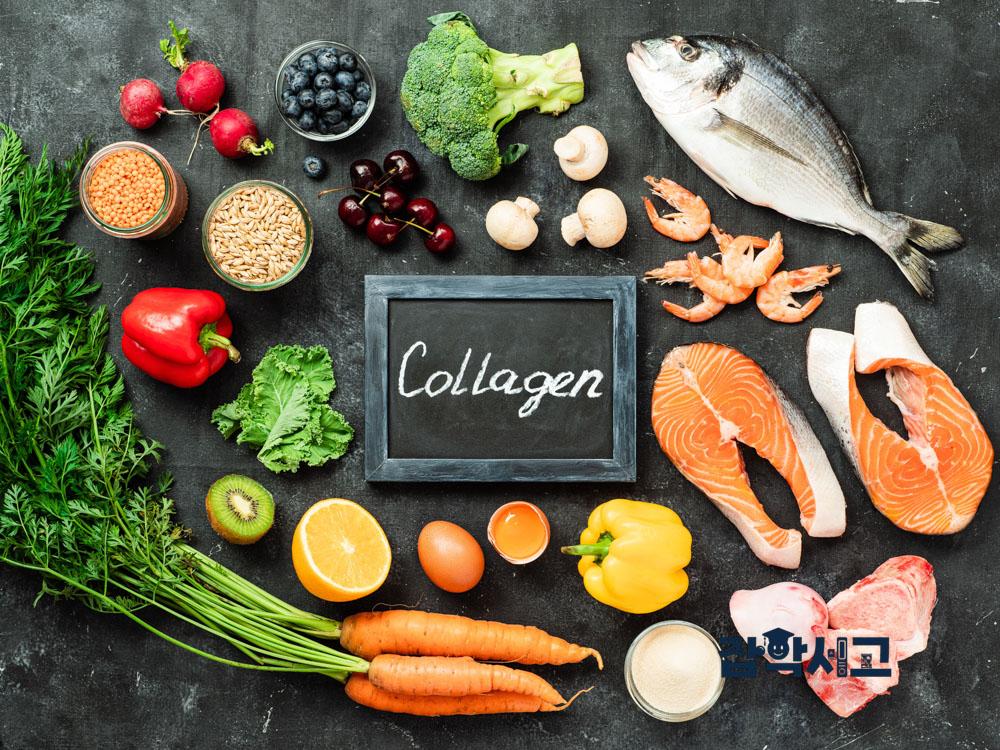 What foods contain high amounts of collagen?
Meat
Meat is a prime example of a food rich in collagen. The following parts are particularly high in collagen.
- Beef: cow trotters, beef leg bones, and cow feet
- Pork: pig trotters and pork skin
- Chicken: chicken feet and chicken skin
Fish
Marine fish provide high-quality collagen. The following fish are high in collagen.
- Salmon: skin and bones
- Cod: skin and bones
- Tuna: skin
- Pollock: skin
- Sea cucumber: a mass of collagen in itself
Eggs
Eggs, particularly egg whites, provide the amino acids needed for collagen production. In addition to egg whites, the following egg-related foods are high in collagen.
- Egg whites
- Eggshell membrane: if it can be consumed
Legumes
Legumes, especially beans and tofu, are rich in protein and amino acids that support collagen production. The following legume foods are beneficial.
- Soybeans: tofu, soy milk, and doenjang
- Black soybeans: black soybean milk
- Chickpeas
Green Vegetables
Green vegetables contain large amounts of vitamins and minerals that stimulate collagen production. The following vegetables are rich in vitamins C and A.
- Spinach
- Broccoli
- Kale
- Asparagus
- Romaine lettuce
Berries
Berries are rich in vitamin C, so they play an important role in collagen synthesis. It is advisable to eat the following berries.
- Strawberries
- Blueberries
- Raspberries
- Açaí berries
- Cranberries
Bone Broth
Bone broth is a broth made by simmering for a long time and is rich in collagen extracted from animal bones and connective tissues. The following broths are beneficial.
- Beef bone broth
- Pork bone broth
- Chicken bone broth
Other Collagen-Rich Foods
Other foods rich in collagen include the following.
- Gelatin: a food used in desserts or jellies
- Pectin: plant-based gelatin extracted from fruit
- Fish and shellfish: clams, mussels, and oysters
- Seaweed: laver, wakame, and kelp
Consistently eating these foods naturally increases the supply of collagen and greatly helps maintain skin health and elasticity.
Collagen is an essential protein that plays a very important role in maintaining skin health and elasticity. Understanding its importance, stimulating its production in the right ways, and choosing appropriate supplements are the secrets to maintaining healthy, beautiful skin and a youthful appearance.
We hope this article helps you understand the secrets of collagen and protect your skin health.