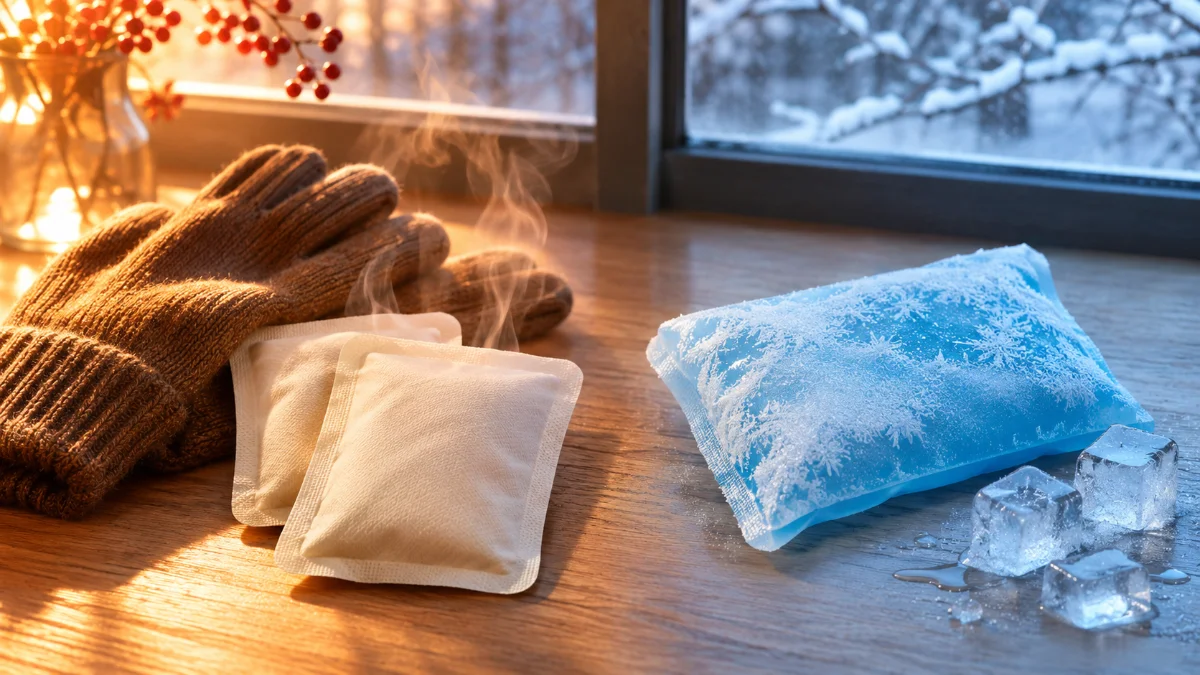
In the depths of winter, a hot pack in your pocket warms your hands, while a cold pack pressed on a sprained ankle turns icy in an instant. Both change temperature using only the substances inside the pouch, with no electricity.
The secret lies in which way heat moves when a substance changes. A change that releases heat to the outside is called an exothermic reaction, and one that draws in heat from its surroundings is called an endothermic reaction.
The names sound simple, but they are easy to mix up once you try to think of examples. This article compares what the two reactions mean, how their energy differs and where you meet them in daily life, then shows how to tell them apart through commonly confused cases.
Exothermic vs Endothermic Reactions: What Is the Difference?
A chemical reaction is a process in which bonds between atoms break and new ones form. Breaking bonds takes energy, while forming new bonds releases energy. If more energy comes out and the surplus escapes outward, the reaction is exothermic; if there is a shortfall that has to be filled from the surroundings, it is endothermic.
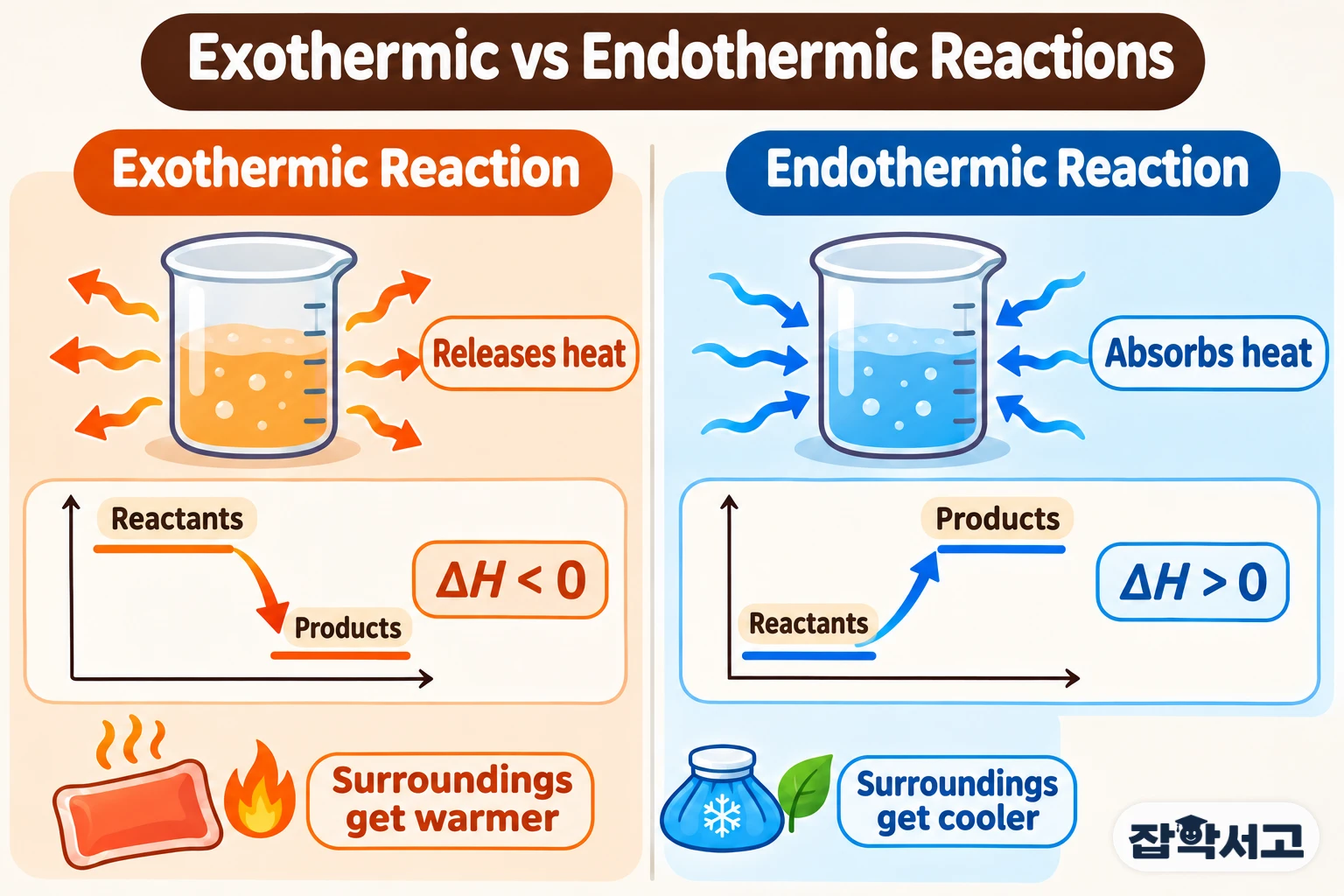
In chemistry, this flow of heat is expressed as the enthalpy change (ΔH). Seen from the reacting substances, ΔH is negative when they lose heat and positive when they gain heat. A single sign is enough to tell the two reactions apart.
What Is an Exothermic Reaction?
An exothermic reaction gives off heat to its surroundings as it proceeds. The starting substances (reactants) hold more energy than the final substances (products), so the leftover energy escapes as heat or light. That is why the temperature around the reaction rises.
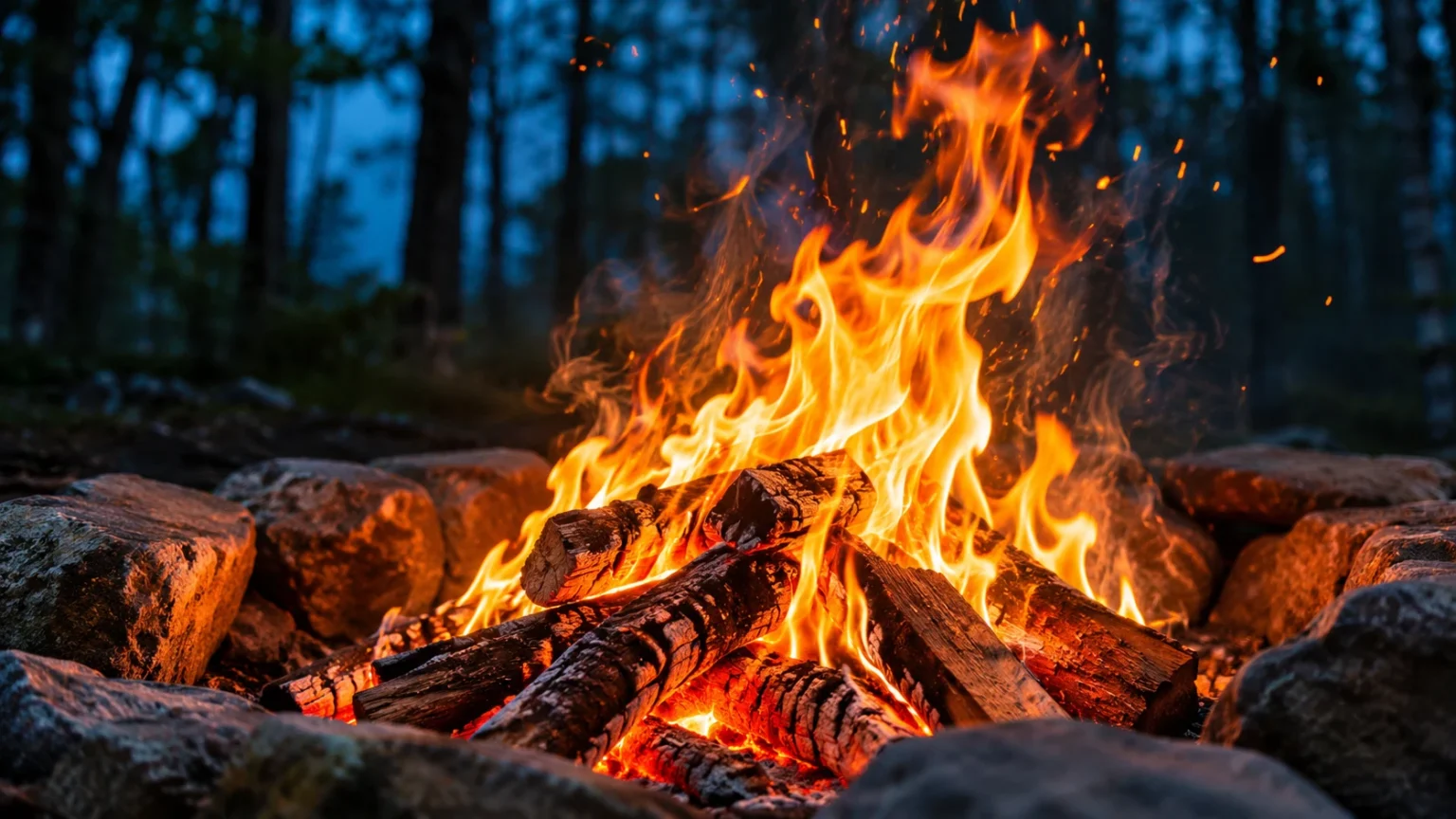
The most familiar example is combustion. When the methane in a gas stove combines with oxygen to form carbon dioxide and water, about 890 kJ of heat is released for every mole of methane. Charcoal fires, candles and car engines all run on combustion, an exothermic reaction.
Disposable hot packs are exothermic too. Fine iron powder inside the pouch rusts quickly as it meets oxygen and moisture in the air, and that reaction gives off heat. The salt inside speeds up the rusting, while activated carbon holds air and moisture so the reaction continues evenly. In effect, the pack squeezes the same oxidation that rusts a nail into just a few hours.
Neutralization, in which an acid and a base form water; respiration, in which cells break down glucose for energy; and the setting of cement as it reacts with water all release heat as well. Our body temperature, too, is ultimately kept up by heat from exothermic reactions inside the body.
What Is an Endothermic Reaction?
An endothermic reaction, by contrast, can only proceed by drawing heat from its surroundings. The products hold more energy than the reactants, so the shortfall is taken from outside. The surroundings that lose heat cool down, or heat has to be supplied continuously to keep the reaction going.

A classic example is photosynthesis in plants. Making one mole of glucose from carbon dioxide and water takes about 2,800 kJ of energy, which plants receive from sunlight and store in the glucose. Respiration is like photosynthesis run in reverse, so the energy stored this way is released again during respiration.
There are endothermic reactions in the kitchen as well. Baking soda (sodium bicarbonate) added to bread or cookie dough breaks down in the heat of the oven and releases carbon dioxide, and this gas makes the dough rise. The reaction only continues as long as heat keeps being supplied.
In the lab, a famous demonstration mixes barium hydroxide with ammonium chloride powder. Simply mixing them drops the temperature below freezing, so much that a flask placed on a wooden board sprinkled with a little water freezes to the board.
Side-by-Side Comparison
The table below sums up the differences between the two reactions. On an energy diagram, the reaction is exothermic when the products sit lower than the reactants and endothermic when they sit higher.
| Item | Exothermic reaction | Endothermic reaction |
|---|---|---|
| Heat flow | Released to surroundings | Absorbed from surroundings |
| Surrounding temperature | Rises | Falls |
| Energy level | Reactants > Products | Reactants < Products |
| Enthalpy change | ΔH < 0 | ΔH > 0 |
| Everyday examples | Combustion, hot packs, neutralization, respiration | Photosynthesis, baking soda decomposition, cold packs (dissolving) |
The most important row in the table is the enthalpy change. When the same reaction runs in reverse, the amount of heat stays the same and only the sign flips. That is why hydrogen and oxygen give off heat when they combine into water, while splitting water back into hydrogen and oxygen by electrolysis requires the same amount of energy to be put in.
Whether a reaction is exothermic or endothermic, however, has nothing to do with how fast it happens. Iron rusting is exothermic, but it usually happens slowly over months, so the heat is hard to notice. A hot pack speeds it up by grinding the iron into fine powder and enlarging the surface that touches the air.
Telling Them Apart with Confusing Cases
There is only one criterion: once the change is over, has heat come out to the surroundings or gone in from them? Let us apply it to three commonly confused cases.
Case 1. If You Need Heat to Light a Fire, Is Combustion Really Exothermic?
Because wood only starts burning after you strike a match or flick a lighter, combustion can look like an endothermic reaction that runs on supplied heat. But the heat you add at first is only a spark to get over the hill the reaction must climb, the activation energy.
Once lit, combustion releases far more heat than was put in, and that heat warms the next piece of wood so the fire keeps itself going. What matters is not whether heat is needed to start, but whether heat is left over at the end.
Case 2. Are Cold Packs and Click Hand Warmers Chemical Reactions?
An instant cold pack that you squeeze to activate holds water and a powder such as ammonium nitrate or urea in separate compartments. When the divider bursts and the powder dissolves in the water, it draws heat from its surroundings and turns cold. Dissolving one mole of ammonium nitrate absorbs about 26 kJ of heat.
Dissolving, however, does not create a new substance, so strictly speaking it is an endothermic process rather than a chemical reaction. A reusable click hand warmer, started by bending a metal disc, is likewise an exothermic process in which dissolved sodium acetate gives off heat as it crystallizes. Whether it is a reaction or a change of state, the same rule applies: heat going out means exothermic, heat coming in means endothermic.
Case 3. Why Does Drying Sweat Feel Cool?
For water to evaporate into vapor, it needs energy to overcome the attraction between water molecules. As sweat dries on the skin, that energy is taken from the body, so evaporation is an endothermic process, and that is why the body cools down.
Conversely, condensation, in which vapor turns into droplets, and freezing, in which water turns into ice, are exothermic processes that release heat. Even for the same water, whether the change is exothermic or endothermic depends on which direction it goes.
The moment you shake a hot pack or burst a cold pack, energy is flowing one way inside the pouch. Just by noticing whether the surroundings get warmer or cooler, you can tell which kind of change it is.
Recommended reading