Spectroscopy is a technique that plays an essential role in analyzing the properties and structures of substances and has become an indispensable tool in various fields today. This technology focuses on uncovering hidden information by analyzing how substances interact with light. Spectral analysis makes it possible to identify a substance's components and determine its physical and chemical properties in detail.
This material begins with the basic theory of spectroscopy and explores the characteristics and applications of different spectroscopic techniques in depth. It explains how spectroscopy is applied in the laboratory and examines how the technology is used in various industries through practical examples. In particular, it includes specific applications in the pharmaceutical, chemical, semiconductor, and energy industries, providing an understanding of the practical applications of spectroscopy from various perspectives.
The Basics of Spectroscopy: Understanding the Theoretical Background
The Basics of Spectroscopy: Understanding the Theoretical Background
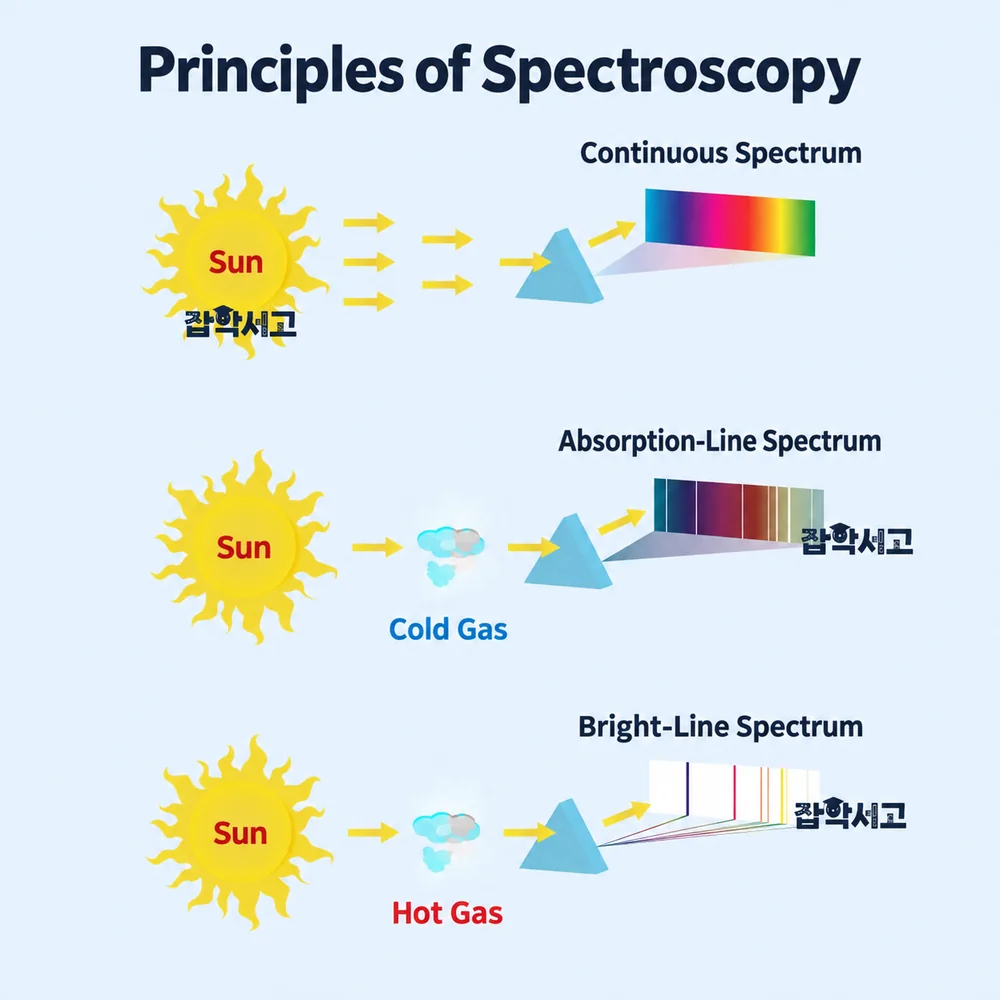
Spectroscopy is a powerful tool for determining the properties of substances by analyzing how they interact with light. It enables an accurate understanding of a substance's molecular structure, atomic arrangement, and physical properties. Substances respond to light of various wavelengths, producing distinctive spectra in the process. The basic principle of spectroscopy is to determine the properties of substances by analyzing these spectra.
This process arises from the absorption or emission of light at specific frequencies as light passes through or is reflected by a substance and interacts with its electrons or molecules. These phenomena are based on quantum mechanical principles and are closely related to the chemical properties of substances. Each substance exhibits a distinctive spectrum, and analyzing it makes it possible to extract detailed information about molecular vibrations, rotations, and electronic transitions.
For example, a molecule that absorbs light of a particular wavelength uses that energy to undergo an electronic transition, allowing the structural characteristics of the substance to be understood. Spectroscopy is highly useful for exploring such fine structures and has demonstrated its value in various industrial fields.
A Key Tool for Analyzing Material Properties
Spectroscopy plays an essential role in accurately analyzing and understanding the properties of substances across multiple scientific fields. In chemistry, biology, and physics in particular, it allows minute structural changes in substances to be monitored in real time, making it a highly important tool for experimental research and industrial applications.
Spectral analysis enables sophisticated analysis of molecular arrangements, bonds between atoms, and electronic structures. These findings can contribute to developing new materials or improving the properties of existing ones. This technology also plays an important role in maximizing efficiency in industrial processes, as well as in basic laboratory research.
Diverse Applications and Advances in Spectroscopy
Spectroscopy is widely used in various industrial fields, including pharmaceuticals, semiconductors, and chemical engineering. In the pharmaceutical industry, it is an important tool for analyzing the structural characteristics of molecules during the development of new drugs, while in semiconductor manufacturing, it plays an essential role in evaluating the purity and structural integrity of materials.
Spectroscopy is also used in fields such as environmental monitoring to measure the concentrations of harmful substances accurately. It thereby makes an important contribution to addressing environmental problems such as air and water pollution. In particular, spectroscopy offers real-time analysis, providing the advantage of rapidly assessing and controlling the state of a process.
Principles of Spectral Analysis and an Introduction to Various Techniques
Principles of Spectral Analysis
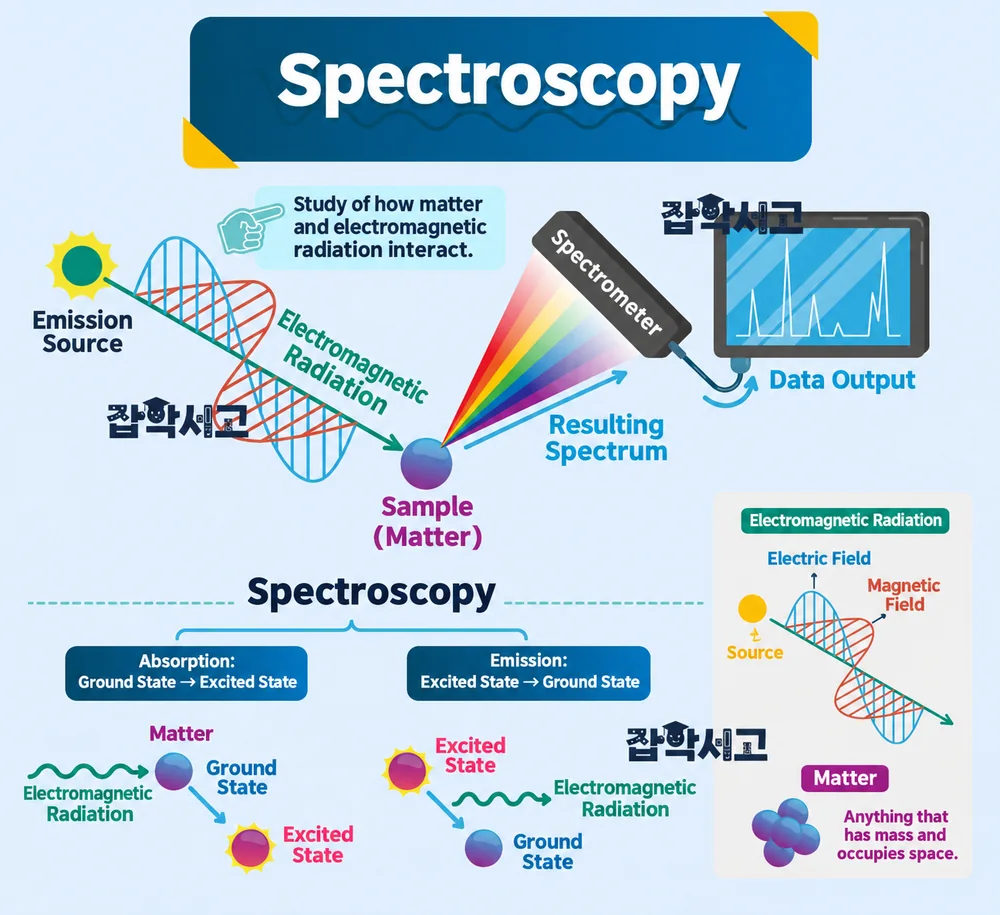
Spectral analysis is an important technique for identifying the properties of substances through their interactions with light. Measuring the characteristic frequencies that appear when substances absorb or emit light makes it possible to determine their chemical components or structures. The core of this technique is to analyze a substance's distinctive properties precisely by studying the responses that occur when light encounters it.
Light of different frequencies interacts differently depending on the substance, and each substance exhibits a distinctive spectrum within a particular frequency range. Interpreting this spectrum enables a clear understanding of the substance's structure, components, and dynamic properties. This makes it possible to analyze both its internal structure and detailed information such as the state of bonds between molecules.
Main Techniques of Spectral Analysis
Various spectral analysis techniques exist, and the technique used depends primarily on the wavelength range of the light and the subject of analysis. Each technique is optimized for analyzing particular properties of substances, and using them appropriately enables in-depth research into those substances.
UV-Visible Spectral Analysis
UV-visible spectral analysis is used mainly for analyses involving electronic transitions. It examines the changes that occur when a substance absorbs ultraviolet or visible light within a particular frequency range. This technology is useful for analyzing the structures of organic compounds, and the frequencies of absorbed light allow the characteristics of molecules to be clearly identified.
UV-visible spectral analysis is frequently used to measure compound concentrations and perform qualitative and quantitative analyses. In particular, identifying distinctive molecular peaks in a substance's absorption spectrum makes its characteristics easy to distinguish. For example, the spectral peaks of a particular organic compound reflect its electronic structure, enabling an in-depth understanding of the substance's chemical properties.
Infrared Spectral Analysis
Infrared spectral analysis is a technique for studying molecular vibrational modes and is mainly used to analyze chemical bonding states and molecular structures. Light in the infrared region affects the vibrational energy of molecules, allowing their internal structures to be analyzed precisely.
In particular, FTIR (Fourier transform infrared) spectral analysis provides more accurate and precise results and is useful for analyzing complex organic compounds and biomolecules. This technology can analyze vibrations and bonding states within molecules, enabling a clear understanding of the characteristics of chemical bonds.
Raman Spectral Analysis
Raman spectral analysis is a technique that uses light scattering to obtain structural information about substances. When light strikes a substance, some of it is absorbed and some is scattered. Analyzing this scattered light makes it possible to determine the vibrational and rotational states of molecules.
Raman spectral analysis is nondestructive and capable of real-time analysis, making it particularly suitable for analyzing biological tissues and solid materials. This technology can detect minute structural changes inside a substance without damaging it and also plays an important role in medicine and the life sciences.
Advantages, Disadvantages, and Applications of Each Technique
Each spectral analysis technique has its own strengths and weaknesses. UV-visible spectral analysis is mainly suitable for substances with simple structures, while infrared spectral analysis excels at analyzing complex molecular structures. Raman spectral analysis, meanwhile, offers major advantages in industrial settings and medicine because it is nondestructive and allows real-time analysis.
It is important to select an appropriate technique for the purpose of the analysis, and multiple techniques can be combined to analyze various aspects of a substance comprehensively. This allows the properties of substances to be studied in greater depth and can be highly useful for both scientific discovery and industrial applications.
Spectroscopy in the Laboratory: Techniques and Procedures
Preparing for a Spectroscopy Experiment: Initial Steps
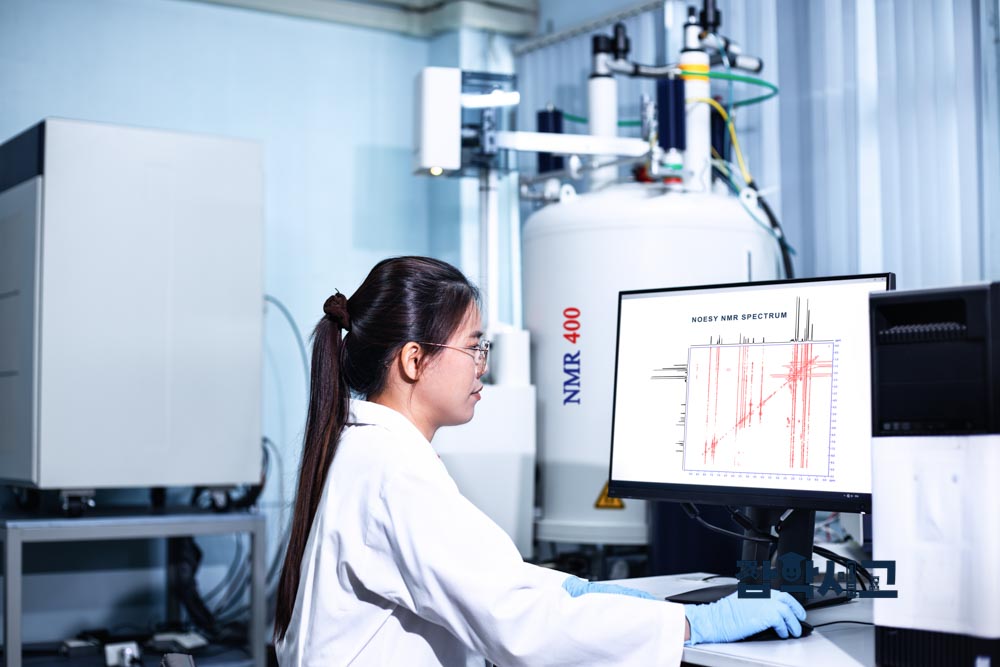
The first task when using spectroscopy in the laboratory is to prepare the substance to be analyzed appropriately. Thorough control of sample purity and concentration is important for ensuring analytical accuracy. Sample preparation includes methods such as using an appropriate solvent to disperse the substance uniformly. Even small errors at this stage can affect the analytical results, so the process must be handled carefully.
If a sample is not prepared properly, the accuracy of its spectrum decreases, and the results may be unreliable. It is therefore necessary to establish optimal conditions suited to the properties of the substance and carefully manage the state of the substance to be analyzed.
Equipment Setup and Calibration
The second step is setting up the spectroscope equipment. At this stage, a wavelength range suited to the substance being analyzed is selected, and detailed settings such as light intensity and scanning speed are adjusted. Incorrect equipment settings can cause large errors in the analytical results, making precise adjustment essential.
Equipment calibration is a particularly important process. To obtain accurate data, it is necessary to confirm that the equipment is operating correctly, using standard and blank samples to verify its reliability. An error at this stage can cause the entire analytical process to fail, so careful attention is required.
Data Collection and Analysis
The third step in a spectroscopy experiment is data collection. The prepared sample is placed in the equipment, and its interaction with light is measured to collect the substance's spectrum. The collected data are used to determine the properties of the substance by analyzing peak positions, areas, shapes, and other features of the spectrum.
Since multiple data points are obtained during data collection, interpreting them accurately is important. The positions and magnitudes of particular peaks in a spectrum can be used to identify a substance's components or analyze its chemical properties. This stage therefore plays an important role in the success of the experiment.
Data Interpretation and Application
The fourth step is interpreting the collected data. Spectral patterns are analyzed to infer the structure or properties of the substance, and, when necessary, comparisons with spectral libraries can produce more accurate results. The information obtained in this way provides a basis for drawing conclusions about the substance's chemical composition and physical properties.
Data interpretation combines empirical knowledge with computational methods, and its accuracy is closely related to the researcher's proficiency. Incorrect interpretation at this stage can distort the results of the entire experiment, so it must be performed carefully.
Documenting and Using Experimental Results
The final step is systematically documenting the experimental results. Conclusions are drawn from the experimental data, and their reliability is established through comparisons with other experiments or statistical analysis. The documented results can be used in various fields, including research and development, quality control, and industrial applications.
Through these processes, spectroscopy experiments accurately analyze the properties of substances and contribute to research and development based on their results. Systematic and precise laboratory procedures play an important role in maximizing the analytical value of spectroscopy.
Practical Applications of Spectroscopy and Its Industrial Uses
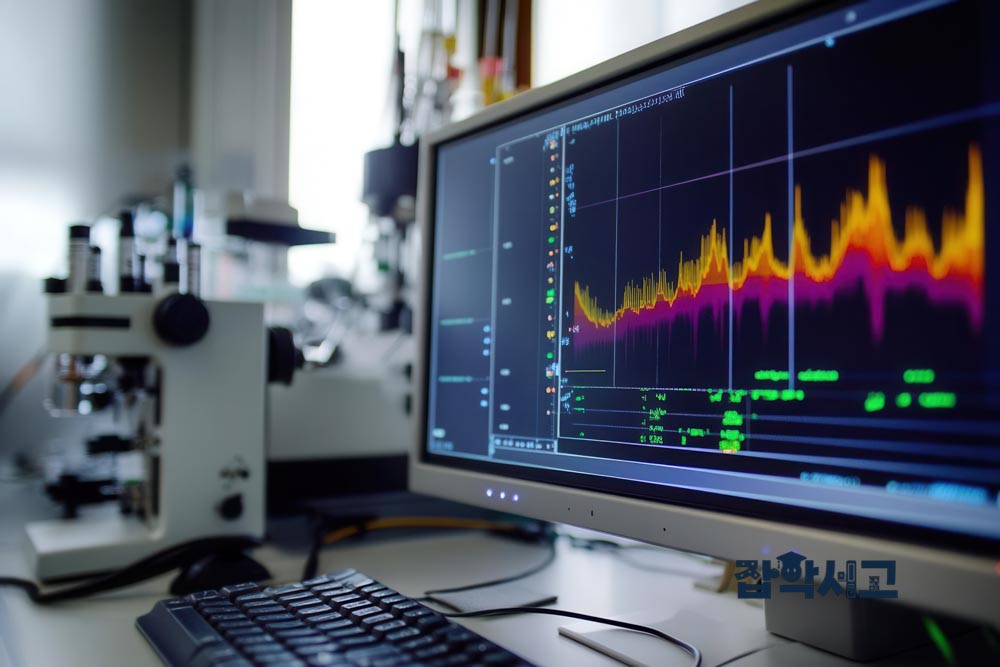
The Industrial Value and Uses of Spectroscopy
Spectroscopy plays an essential role in accurately analyzing the properties of substances across various industries. It is particularly widely used in chemistry, life sciences, environmental fields, and materials science, with each industry using spectroscopy to improve product quality and optimize production processes. This technology provides data in real time and can analyze the state of substances under various conditions, establishing it as an important tool in research, development, and production.
Uses of Spectroscopy in the Chemical Industry
In the chemical industry, spectroscopy is widely used to analyze the components of raw materials and products. FTIR (Fourier transform infrared) spectroscopy, in particular, is essential for analyzing the structures and functionality of polymer compounds. This technology can identify molecular bonding states and functions, making it highly useful even in the synthesis of complex compounds. It also plays a key role in analyzing the structures of polymers and organic compounds during the development of new drugs.
Spectroscopy can monitor chemical reactions in real time and rapidly analyze the structures of compounds formed during those reactions. This makes it possible to improve product quality and maximize process efficiency, contributing significantly to maintaining competitiveness in the chemical industry.
Applications in the Life Sciences
In the life sciences, spectroscopy is frequently used to analyze the structures and functions of biomolecules. Raman spectroscopy is a technology that can analyze biological tissues nondestructively and demonstrates its usefulness in medical diagnosis and biosensing. Because it can analyze internal structures without damaging biological tissues, it has become an essential tool for early disease diagnosis and life science research.
UV-visible spectroscopy is also effective for measuring the concentrations of biomolecules such as proteins and nucleic acids. It can be used to monitor protein denaturation or analyze the characteristics of enzyme reactions and is also an important analytical technique in the biotechnology industry.
The Role of Spectroscopy in Environmental Science
In environmental science, spectroscopy is widely used to analyze pollutants in air, water, and soil. XRF (X-ray fluorescence) spectroscopy, in particular, is effective for detecting and analyzing heavy metal contamination in real time. This technology enables accurate measurement of environmental pollutant concentrations and rapid responses, contributing to environmental protection and sustainable development.
Spectroscopy also provides important data for environmental regulation and monitoring. Whether accurately measuring pollutant concentrations in the air or checking for the presence of harmful substances in water, this technique provides reliable information and is essential for environmental management.
Materials Science and the Development of New Materials
In materials science, spectroscopy plays an important role in developing new materials and analyzing their properties. XPS (X-ray photoelectron spectroscopy) is widely used to analyze the components and surface properties of alloys. This technology enables precise analysis of properties such as durability, electrical conductivity, and heat resistance in alloys and is also highly useful in the development of new materials.
Analyzing material properties is particularly important in electronic materials and the semiconductor industry. Spectroscopy can identify the structural characteristics of nanomaterials or analyze surface conditions to improve product performance. This is one of the reasons spectroscopy is so important in the development of new materials and in production processes.
Quality Control and Production Process Automation
Spectroscopy also contributes significantly to quality control and the automation of production processes. It analyzes material components in real time, helps maximize production line efficiency, and enables consistent product quality. Spectral analysis can detect defective products early or correct minor errors occurring during production, playing an important role in enhancing manufacturers' competitiveness.
Alongside production process automation, spectroscopy can reduce costs and improve time efficiency through real-time monitoring, making it an important tool for strengthening industrial productivity worldwide.
Through its theoretical foundations and diverse techniques, spectroscopy is widely applied in fields ranging from scientific research to industrial innovation. It enables researchers to precisely analyze the molecular structures, compositions, and dynamic changes of substances and use these findings to conduct more efficient and precise analyses. In particular, this technique is essential in various fields, from the development of new drugs to the characterization of new materials and environmental monitoring, and its range of applications is expected to expand further.
The potential of spectroscopy is limitless. In research and industry, this technology will play a major role even in environments requiring more complex and sophisticated analyses and will remain an important tool for driving new innovations. Spectroscopy will continue to enable new discoveries and advances, and its potential uses are expected to keep expanding.