Have you ever seen a video in which someone takes a bottle of water that was left out on a balcony on a cold winter day, opens the cap, and the perfectly ordinary water instantly turns to white ice? Even though the weather was clearly below freezing, the water stayed liquid without freezing, and then a single small jolt made it freeze all at once.
We learn that water freezes at 0°C, but in reality it sometimes does not freeze right away even when it gets colder than 0°C. The phenomenon in which a liquid cools below its freezing point yet stays liquid instead of turning solid is called ‘supercooling.’
In this article, we will look in turn at what supercooling is, why it happens, what forms it takes in nature and everyday life, and what to know when dealing with it.
Understanding Supercooling
Liquids That Don't Freeze Below the Freezing Point
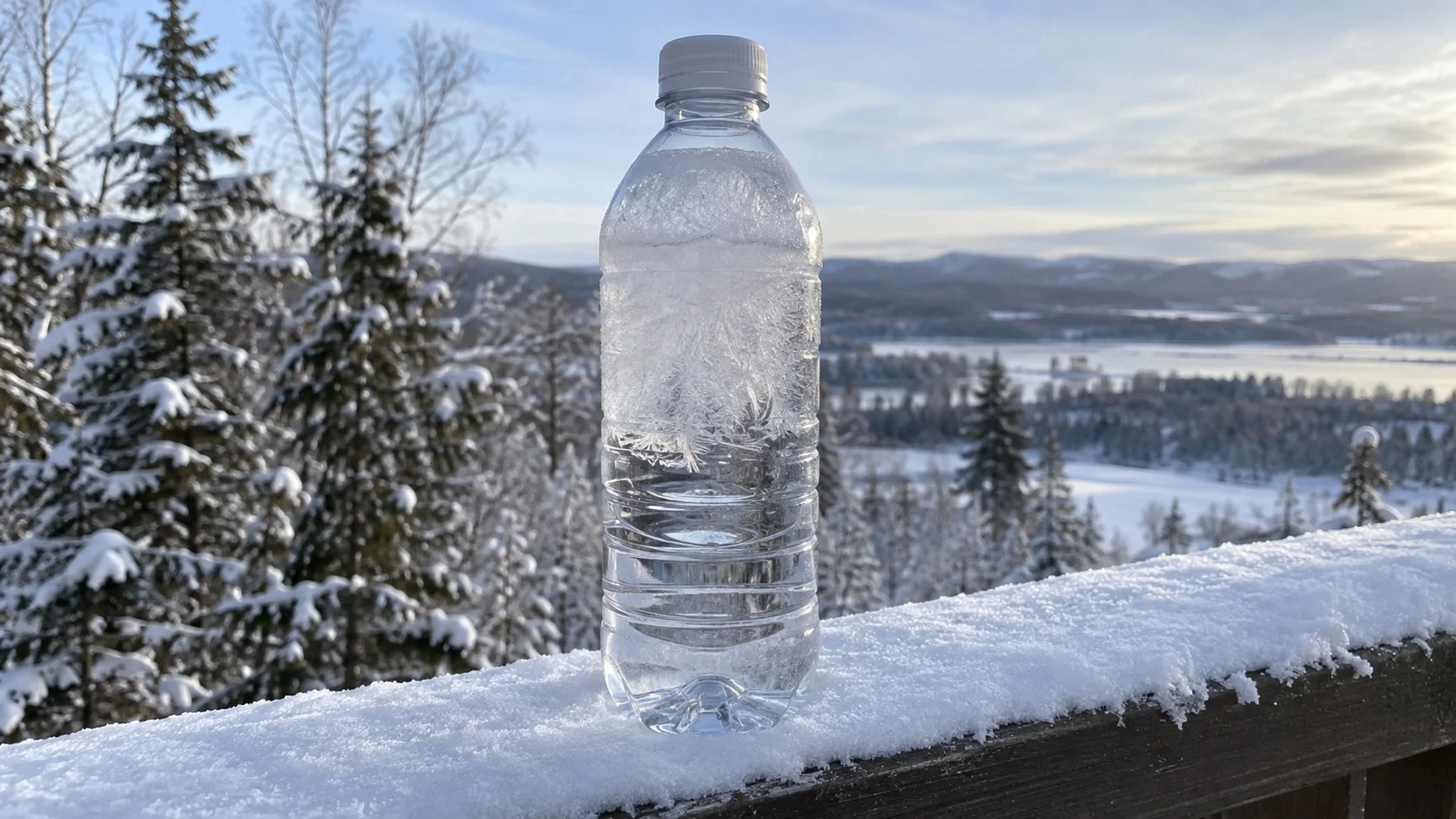
Supercooling is the phenomenon in which a substance stays in its original state even after passing the temperature at which its state should change. For water, it means remaining liquid without turning to ice even below 0°C. Water in this state is called ‘supercooled water.’
A supercooled liquid looks no different from ordinary water, but it is in a very unstable state. Like a ball barely balanced on a slope, it is ready to switch in an instant to ice, the more stable state, at the slightest trigger. That is why shaking the bottle or dropping in a piece of ice makes ice crystals spread through it in an instant.
Supercooling is not limited to water. It also occurs in metals, the materials used to make glass, and many kinds of solutions, and it is an important subject of research in chemistry and materials engineering.
The German-born scientist Daniel Gabriel Fahrenheit, famous for his temperature scale, is credited as the first to record supercooling. He reported that in 1724 he observed water in an evacuated glass vessel stay unfrozen even when it was colder than the freezing point, then freeze at once when the vessel was shaken. This observation remains an early record showing that when water freezes is not determined by temperature alone.
Why Doesn't It Freeze Right Away?
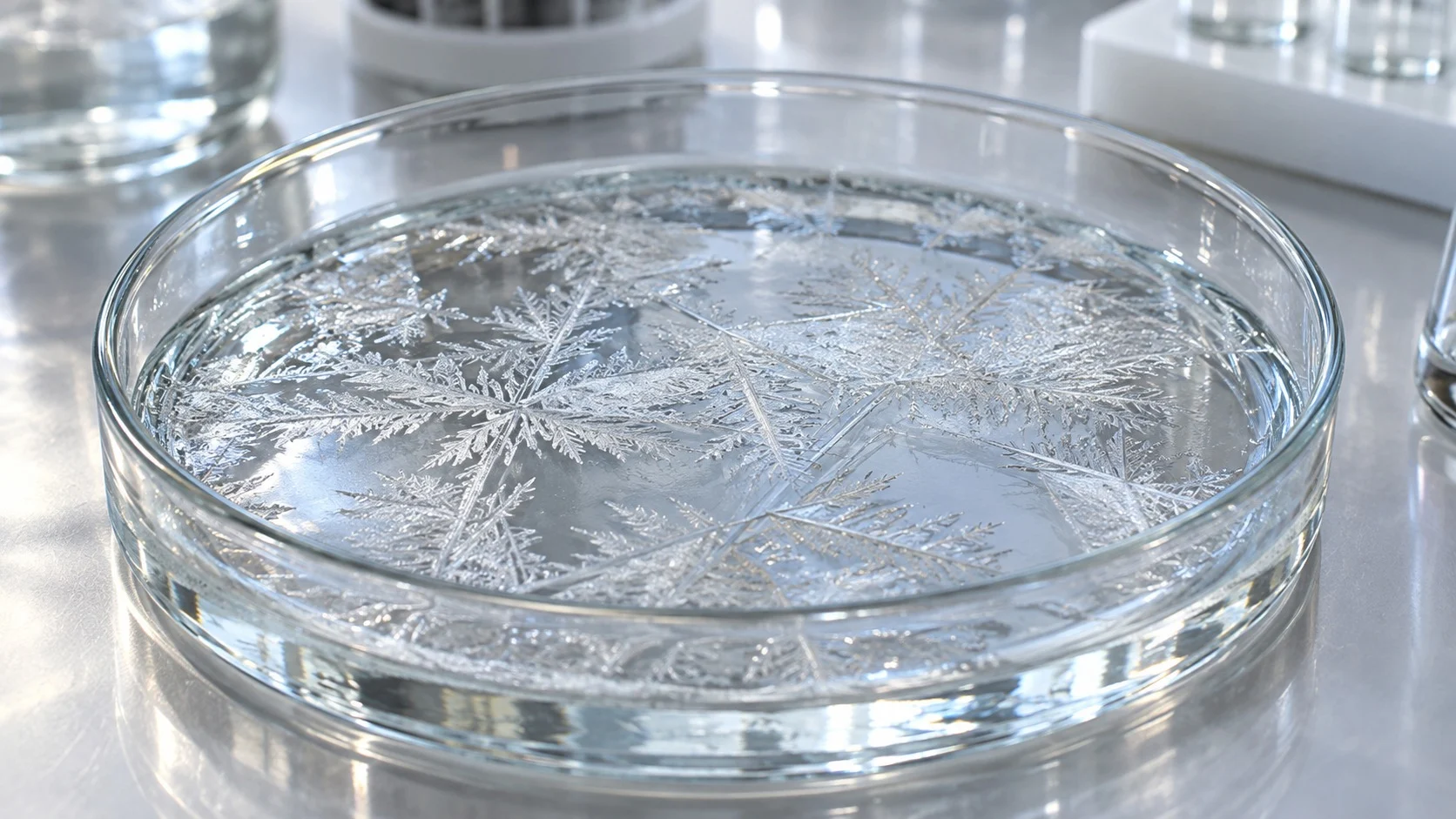
Supercooling happens because a liquid first needs a ‘seed’ in order to become a solid.
(1) Freezing requires a crystal nucleus
For water to freeze, a few water molecules must first line up in the shape of ice and form a tiny cluster. This cluster is called a crystal nucleus, and the process by which nuclei form is called nucleation. If a nucleus is too small it quickly falls apart again, so only once it grows beyond a certain size can ice spread.
(2) Impurities and surfaces act as seeds
Ordinary water contains things like dust, tiny bubbles, and the rough surface of its container, which readily provide places for crystal nuclei to form. Conversely, if clean water is put in a smooth container and cooled undisturbed, there are few places for seeds to form, so supercooling occurs easily.
(3) Pure water holds out to much lower temperatures
Very small droplets with almost no impurities can stay unfrozen even below −30°C, and they are known to freeze on their own only at roughly −38 to −40°C.
Supercooling in Nature and Everyday Life
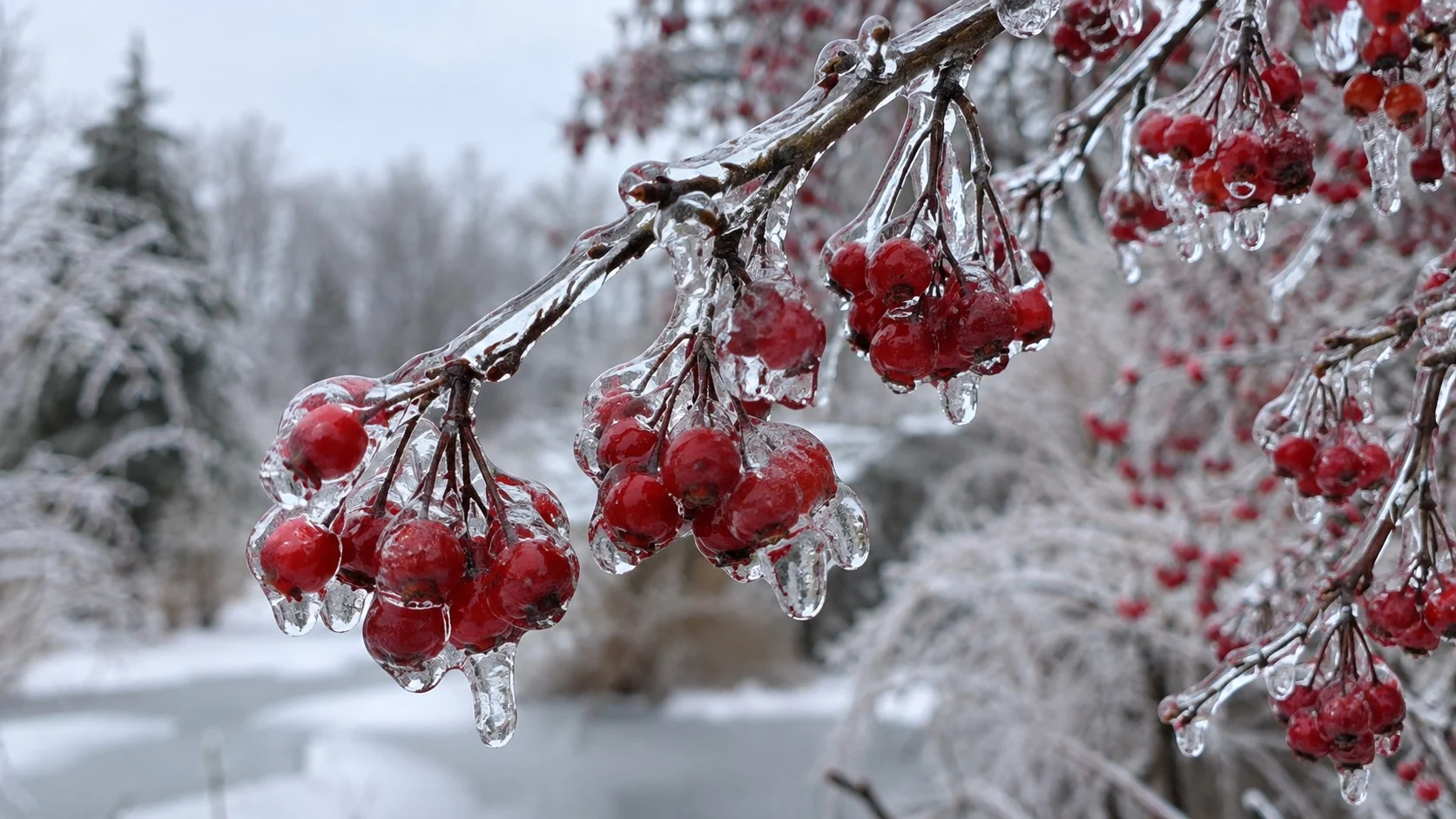
Supercooling happens more often, and closer to home, than you might think.
- Cloud: Even clouds below freezing contain many unfrozen, supercooled droplets. When an airplane passes through such a cloud, the droplets can freeze the moment they touch the wings, causing icing.
- Freezing rain: Water droplets that melted into rain high in the sky pass through a below-freezing layer of air near the ground and fall in a supercooled state, then freeze the instant they hit the ground or tree branches, forming a clear coating of ice. Dangerous ice on roads can form this way, too.
- Slush drink: When a drink supercooled in the freezer is taken out and shaken or poured, slush forms on the spot, and some people enjoy doing this for fun.
Some products use a similar principle. Click-type hand warmers make use of a state in which a sodium acetate solution stays liquid even though it is below the temperature at which it should solidify. Bending the metal disc inside starts crystals forming, and as the solution solidifies it gives off heat that warms your hands.
Points to Keep in Mind About Supercooling
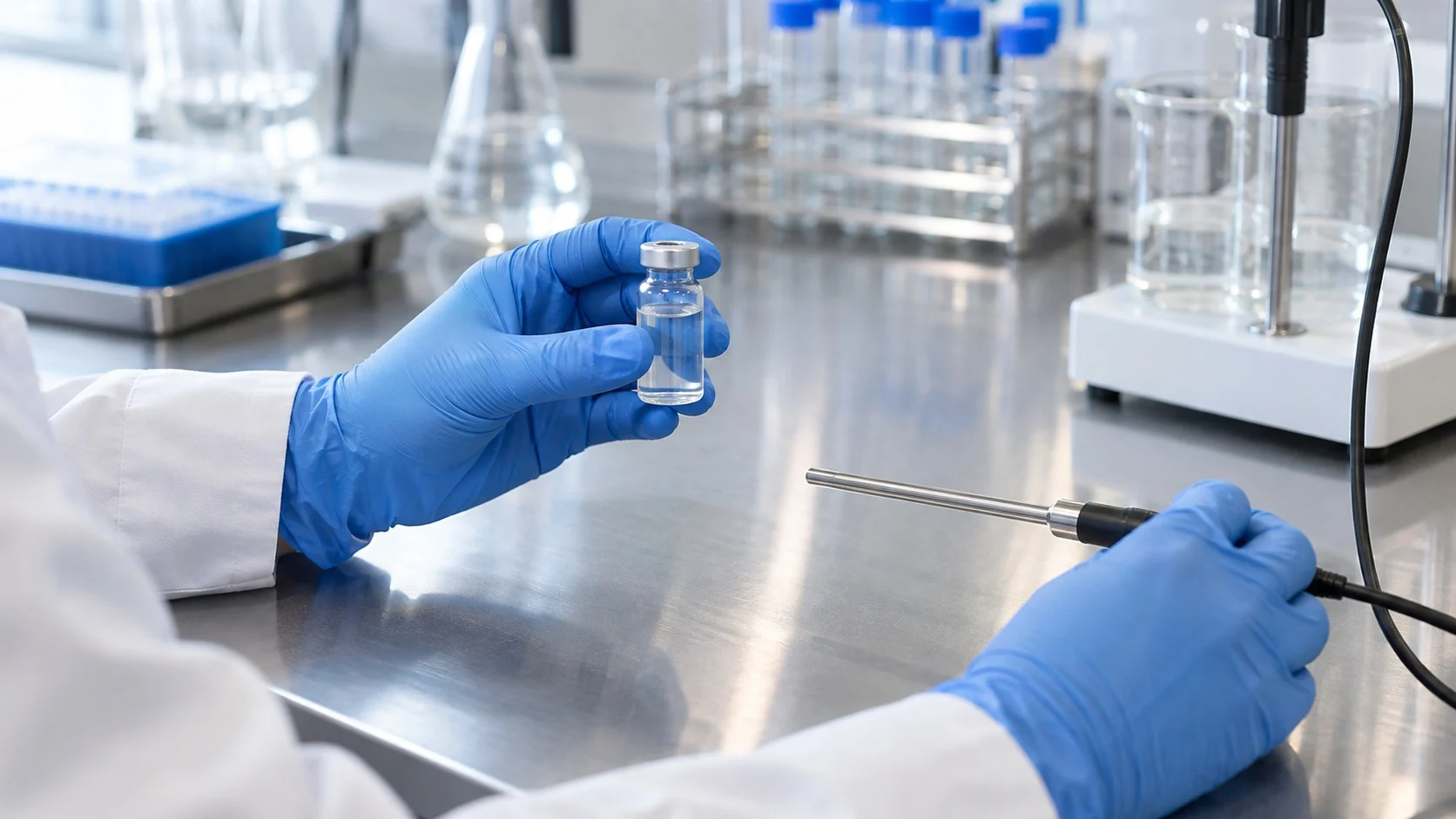
Supercooling can also become a useful technology. In the food sector, research continues into keeping ingredients just below their freezing point without freezing them, to preserve freshness longer. The advantage is that since no ice crystals form, cells are less damaged.
But remember that a supercooled state can collapse at any time. Since even a small vibration or temperature change can make it freeze all at once, devices that use supercooling must control temperature precisely. On days when freezing rain is forecast, roads may be frozen even if they look wet, so it is wise to take extra care when driving and walking.
Supercooling also shows that the simple idea that ‘water always freezes at 0°C’ is not always right. An important lesson of supercooling is that a change of state requires not only the right temperature but also a trigger to set it off.
Supercooling is the curious behavior of substances that stay liquid even past the point when they should freeze. Knowing about it lets you see winter clouds and icy roads, drinks in the freezer, and even hand warmers in a fresh light.
Knowing that change requires not only the right conditions but also a trigger to begin: that is the first step in science toward deeply understanding how matter changes.