
Environmental problems involving chemicals are recognized as among the serious environmental problems worldwide. Various chemicals released by human activities pollute the air, water, and soil, seriously affecting human health and ecosystems.
This material analyzes the definition and main causes of chemical pollution, explains its relationship with industrial development and its effects on human health and ecosystems, and then presents approaches to sustainable chemical management and regulation.
Definition of Chemical Pollution and Analysis of Its Main Causes
Definition of Chemical Pollution
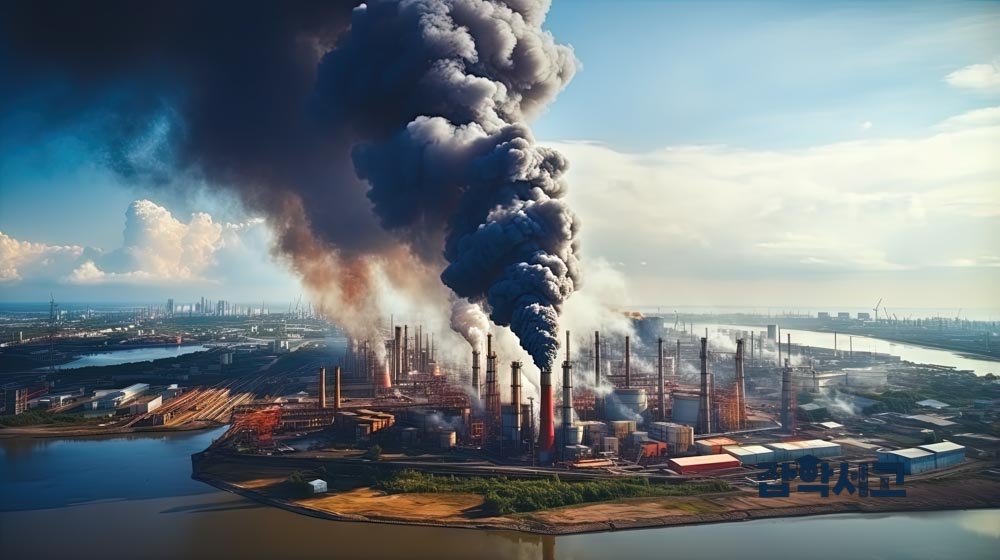
Chemical pollution refers to the phenomenon in which harmful chemicals introduced into the environment through human activities negatively affect ecosystems and the human body. These pollutants accumulate in the air, water, and soil, causing serious harm to ecosystems and humans through various pathways. Major examples of chemical pollution include heavy metals, organic pollutants, pesticides, and industrial chemicals, which are released by various industries and everyday activities.
Chemical Pollution from Industrial Activities
Industrial activities are one of the main causes of chemical pollution. When wastewater, waste, and exhaust gases generated by chemical processes are released directly into the environment without proper treatment, they seriously pollute the air, water, and soil. For example, various chemicals released by petrochemical plants pollute the air and water in nearby areas, posing a major threat to human health and ecosystems. In addition, when chemicals used by manufacturers are not properly managed, they can accumulate in soil and water, causing serious environmental problems over the long term.
Agricultural Activities and Chemical Pollution
Agricultural activities are also an important cause of chemical pollution. In particular, the excessive use of pesticides and fertilizers causes soil and water pollution, which in turn affects plants and animals, and ultimately humans. These chemicals enter groundwater or flow into rivers and lakes, polluting ecosystems and potentially harming biodiversity while degrading water quality. In addition, waste generated during agricultural activities is another important contributor to chemical pollution.
Chemical Pollution Generated in Households
Various forms of chemical pollution can also occur in households. If chemical products used in everyday life, such as detergents, disinfectants, paints, and batteries, are not properly handled, these substances can enter the environment and cause pollution. In particular, when these chemicals are discarded without proper treatment, they can pollute soil and water and harm human health. Chemical pollution generated in households may be considered small in scale, but its effects cannot be ignored when it occurs continuously across many households.
Transportation and Chemical Pollution
Transportation also serves as one of the main causes of chemical pollution. In particular, exhaust gases released by vehicles are a major cause of air pollution and contain various harmful substances, including nitrogen dioxide, carbon monoxide, and particulate matter. These substances cause respiratory diseases and accumulate in the atmosphere, negatively affecting the environment and human health over the long term. As transportation increases in urban areas, this pollution is becoming more severe, leading to deteriorating air quality and increased greenhouse gases.
Inadequate Chemical Management in Certain Industries
When chemicals used in certain industries are not properly managed, they can cause serious environmental pollution. For example, the oil and gas industry and the metalworking industry use various toxic chemicals, and spills or leaks of these substances can lead to large-scale environmental disasters. Chemical pollution generated by these industries poses serious long-term threats through ecosystem destruction and harm to human health. It is therefore essential to manage and regulate these chemicals rigorously.
Comprehensive Solutions to Chemical Pollution
Addressing chemical pollution requires a multifaceted approach. First, chemical use in industry and agriculture must be strictly regulated, and waste treatment systems must be strengthened. It is also necessary to reduce the use of chemical products in households and encourage the use of environmentally friendly products. Reducing pollution from transportation requires efforts to expand the adoption of environmentally friendly transportation, such as electric vehicles, and promote the use of public transportation. Finally, a system is needed to strengthen chemical management in certain industries and monitor strict compliance with relevant laws and regulations. These comprehensive measures can effectively address chemical pollution.
The Relationship Between Industrial Development and Chemical Environmental Problems
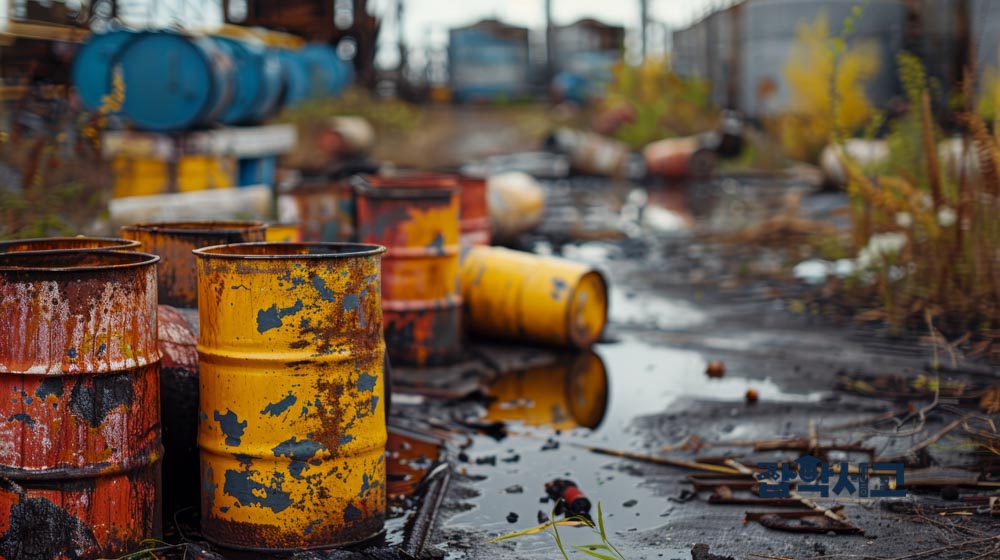
Industrial development has served as an important driver of economic growth and technological advancement. At the same time, however, it has also been identified as a major cause of worsening chemical environmental problems. Since the middle of the 20th century, rapid industrialization and urbanization have increased large-scale chemical use and waste generation, and the resulting environmental pollution has attracted considerable attention worldwide.
Industrialization and Increased Chemical Use
Since the Industrial Revolution, the introduction of various chemical processes has greatly improved productivity. However, chemicals released by these processes can cause serious environmental pollution if they are not properly managed. For example, wastewater from dyeing factories is a major cause of water pollution, with its harmful effects extending to nearby rivers and groundwater. These pollutants accumulate in natural ecosystems, harming biodiversity and ultimately threatening human health.
Energy Consumption and Air Pollution
As industrialization has progressed, energy consumption has surged, serving as an important cause of air pollution. In particular, energy generation using fossil fuels releases harmful substances such as carbon dioxide, sulfur oxides, and nitrogen oxides into the atmosphere, worsening environmental problems. These substances accumulate in the atmosphere and cause various environmental problems, including acid rain and accelerated global warming. As a result, human health problems such as respiratory diseases are also increasing, and responding to air pollution has become an urgent global priority.
Waste Treatment and Environmental Pollution
The problem of treating waste generated by industrial development has emerged as a serious chemical environmental issue. Electronic waste contains large quantities of heavy metals and toxic chemicals, so improper treatment can seriously pollute soil and water. This problem is particularly pronounced in developing countries that lack sufficient waste treatment facilities, causing enormous harm to local communities and ecosystems. Proper waste treatment is an important factor in alleviating these problems and requires international cooperation.
The Global Spread of Chemical Pollution
Chemical pollution arising from industrial development is not confined to particular regions but has effects across the globe. Pollutants can travel to distant areas through winds and ocean currents, causing pollution even in geographically remote regions. Chemical pollution observed in the Arctic is mainly the result of pollutants transported from mid-latitude regions with intensive industrial activity, emphasizing the need for environmental protection across the entire planet.
Effects on Ecosystems and Human Health
Various chemicals used as industrial development advances have serious effects on ecosystems. In particular, some chemical fertilizers and pesticides used in agriculture enter rivers and lakes, polluting aquatic ecosystems and directly harming fish and aquatic organisms. These changes in ecosystems also negatively affect human food systems and can cause problems related to food security over the long term. It is therefore important to rigorously manage chemical use and introduce sustainable agricultural practices.
Directions for Sustainable Development
Resolving chemical environmental problems is essential for industrial development to continue. This requires rigorous management of chemical use and waste treatment, along with policy efforts to reduce air pollution. International cooperation is also needed to control chemical pollution at the global level. Sustainable development aims to bring economic growth and environmental protection into harmony, and achieving this requires a continuous search for ways to balance industry and the environment.
Effects of Environmental Pollution on Human Health and Ecosystems
Effects of Environmental Pollution on the Human Body
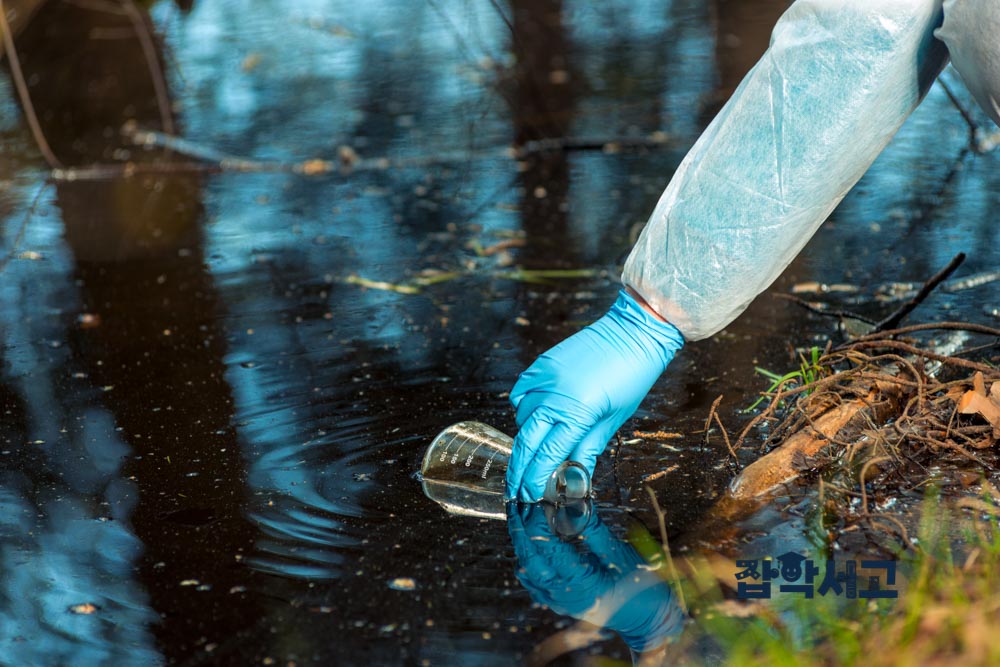
Environmental pollution has serious direct and indirect effects on human health. Heavy metal pollution has particularly devastating effects on various organs and systems, including the nervous system, kidneys, and liver. For example, lead pollution impairs children's brain development and can cause developmental problems such as learning disabilities. These heavy metals accumulate in the body, causing long-term health problems.
Air pollution causes various health problems, including respiratory diseases. Air pollutants such as nitrogen dioxide cause respiratory diseases, including asthma and pneumonia, and increase the risk of reduced lung function and cardiovascular disease over the long term. Fine particulate matter (PM2.5) penetrates deep into the lungs and causes inflammation, which can lead to serious health problems such as chronic lung disease. In this way, air pollution negatively affects overall human health.
Effects of Environmental Pollution on Ecosystems
Environmental pollution also has serious effects on ecosystems. Soil pollution inhibits plant growth, which in turn affects animals that feed on plants. Heavy metal pollution destroys soil microbial communities, reducing soil productivity. These changes also negatively affect crop production and can disrupt food production.
Water pollution directly harms aquatic ecosystems. Excessive inputs of nutrients such as nitrogen and phosphorus cause eutrophication, worsening the conditions in which aquatic organisms survive. This inhibits the reproduction of fish and aquatic organisms and causes excessive growth of phytoplankton, creating imbalances in aquatic ecosystems. As a result, aquatic biodiversity decreases, and ecosystem health is threatened.
Effects of Environmental Pollution on Biodiversity
Environmental pollution greatly reduces biodiversity. If a particular chemical is lethal to a particular species, that species loses its habitat, which can disrupt the balance of the entire ecosystem. This poses a particularly serious threat to rare or endangered species. For example, declining bee populations caused by pesticide use seriously affect pollination in ecosystems. Fewer bees lead to insufficient pollination, hindering plant reproduction and ultimately affecting agricultural production.
Effects of Environmental Pollution on Human Food Systems
Environmental pollution also has profound effects on human food systems. Crops grown in polluted soil or fish raised in polluted water can cause health problems when consumed by humans. In particular, long-term consumption of food in which heavy metals have accumulated can cause symptoms of chronic poisoning. These food safety problems have devastating effects on human health and livelihoods and pose serious threats to food security.
The Need to Address Environmental Pollution
The effects of environmental pollution on human health and ecosystems extend beyond environmental concerns alone and constitute a serious problem directly connected to humanity's health and survival. Addressing these problems requires strict regulation of chemical use and management, along with sustainable environmental protection policies. Greater public awareness and international cooperation are also needed, making it possible to minimize the effects of chemical pollution and secure healthy ecosystems and humanity's future.
Approaches to Sustainable Chemical Management and Regulation
Prevention-Oriented Chemical Management
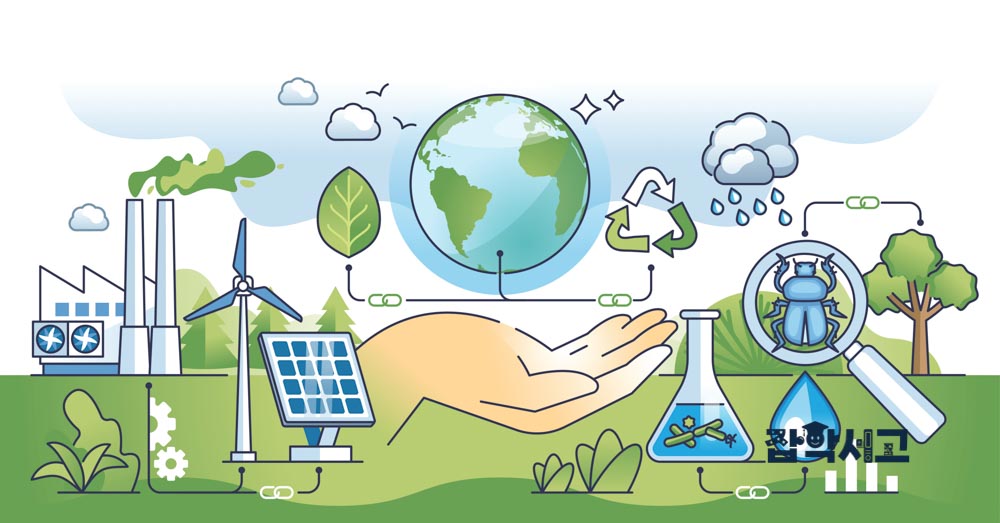
The most important approach to sustainable chemical management is prevention-oriented management. This aims to minimize chemical use and releases and to manage chemicals safely. Companies must introduce new technologies to reduce the quantities of chemicals they use and release, and actively promote reuse and recycling. This preventive approach can stop pollution before it occurs and contribute to protecting the environment and human health over the long term.
Establishing Strict Regulation and Monitoring Systems
Governments and international organizations play a very important role in chemical management. It is necessary to establish legal frameworks that restrict the use of hazardous chemicals and strengthen emission standards. Such regulation should be implemented through procedures that assess chemical safety and authorize use based on the results. These regulations are particularly important in developing countries undergoing industrialization and can help minimize chemical pollution.
Waste Management and Safe Treatment
Establishing appropriate waste management systems is essential for the safe treatment of chemicals. Recyclable chemicals should be recycled, and toxic waste should be treated safely. To achieve this, governments and companies must strengthen waste management infrastructure and develop relevant technologies. It is also important to educate the general public about the safe use and treatment of chemicals, creating a culture of proper waste management.
Transparent Information Disclosure and Public Participation
Information about chemical use and releases must be disclosed transparently. Transparent information disclosure is essential for gaining public trust and can create conditions that allow citizens to monitor and evaluate chemical management. In addition, establishing systems that enable civic organizations and local communities to participate actively in chemical management can bring about more effective management and regulation.
Technological Innovation to Develop Alternative Materials
Developing environmentally friendly materials that can replace hazardous chemicals is an important way to reduce chemical pollution. Alternative materials such as biodegradable plastics have the potential to greatly reduce chemical pollution. Efforts are therefore needed to develop these alternatives through technological innovation and introduce them across industries. Such technological innovation can bring economic benefits as well as environmental protection.
The Importance of International Cooperation
Chemical pollution crosses national borders, making international cooperation necessary. It is important for the international community to work together to establish shared goals and regulations, and concluding international conventions and agreements is essential for this purpose. For example, international agreements such as the Stockholm Convention play an important role in restricting and managing the use of hazardous chemicals worldwide. Such cooperation can contribute to achieving sustainable chemical management at the global level.
Chemical Management for a Sustainable Future
Sustainable chemical management and regulation extend beyond environmental protection and are essential for humanity's health and the survival of future generations. Through preventive approaches, strict regulation, waste management, transparent information disclosure, technological innovation, and international cooperation, we can address chemical pollution and advance sustainable development. These efforts are the responsibility of us all, and their effects will be greater when we act together.
Chemical environmental problems are serious issues that can directly harm human health and ecosystems in the short term and hinder sustainable development over the long term. Addressing them requires various approaches and efforts.
Prevention-oriented chemical management, strict regulation, technological innovation, and international cooperation can open a path toward a sustainable future. Sustainable chemical management is an important factor in protecting our health and the environment while ensuring sustainable development for future generations.