If a factory makes 100 items and only 1 is defective, that looks like a pretty good record. But for a factory that turns out millions of items a day, or for airplanes and cars in which countless parts must all work properly, it is a different story. Even a small percentage adds up to tens of thousands of defects and complaints, and just as much money leaks away.
That is why some companies set their goal not at making defects “few” but at making them “almost nonexistent.” The name that bundles this goal and its methods together is “Six Sigma.” Put simply, Six Sigma refers to a management improvement method that uses data and statistics to find and remove the causes of defects and to reduce the unevenness of work processes.
In this article, we will look in turn at the meaning and numbers behind the name Six Sigma, how it began at Motorola and spread to many companies, DMAIC, the five steps for solving problems, and the expert system known as belts, along with its limitations.
Quality Management That Reduces Variation
What Is Six Sigma?
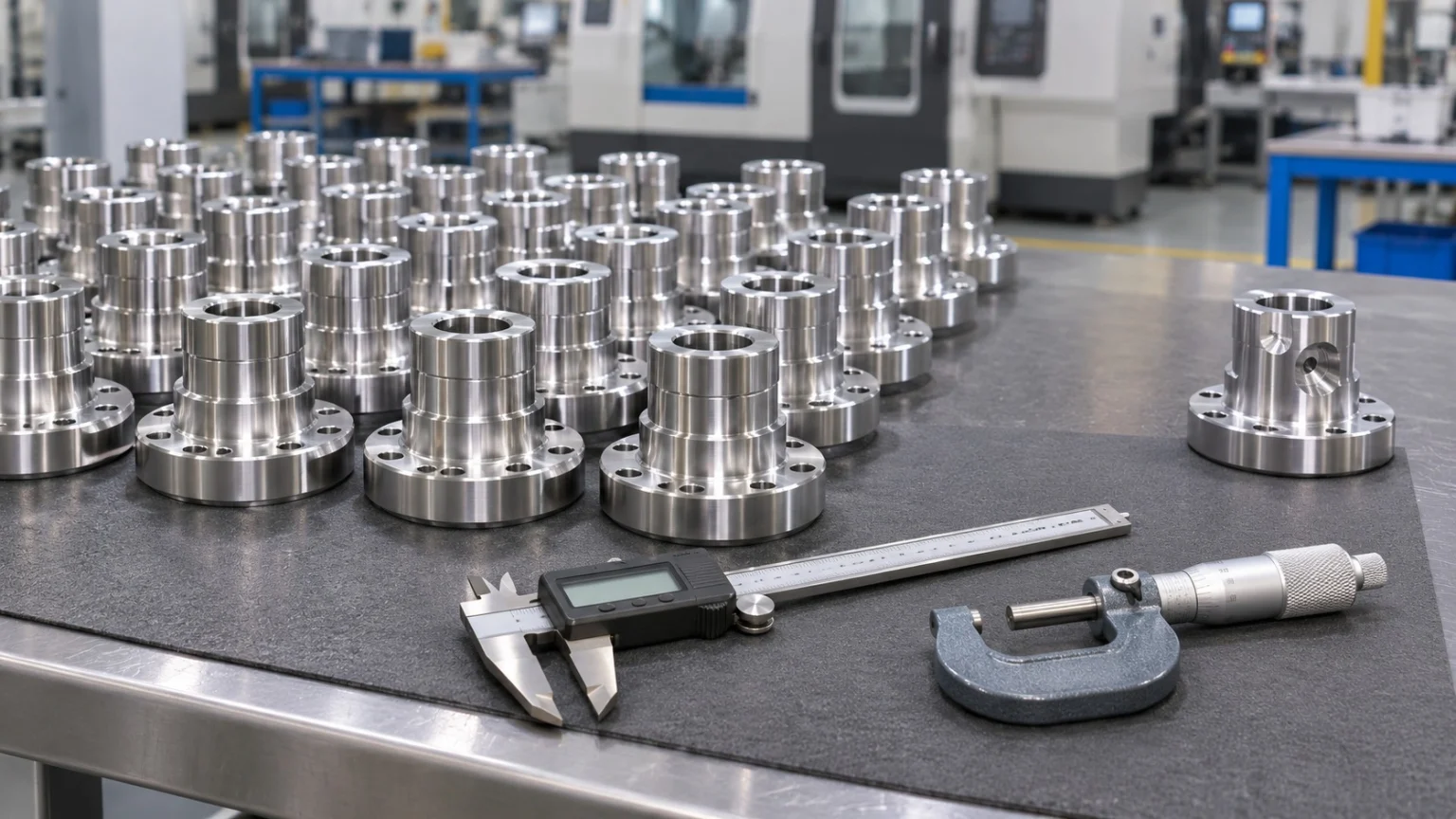
The name Six Sigma comes from statistics.
(1) Sigma means spread
In statistics, the Greek letter sigma (σ) stands for the standard deviation, that is, how far values are scattered from the average. Even when the same product is made, its length or weight inevitably varies slightly, and the larger this variation, the larger the sigma.
(2) Six sigmas within the allowed range
Every product has a range that can be accepted, known as its specification. If the spread is so small that six standard deviations fit between the process average and the nearest specification limit, almost no products fall outside the specification. This is a process at the Six Sigma level.
(3) 3.4 in a million
In real processes, the average drifts little by little over time. So Six Sigma calculations assume the average shifts by about 1.5 sigma, and as a result the target is a level of no more than 3.4 defects per million opportunities for a defect to occur. Calculated the same way, a 3-sigma level produces more than 66,000 defects per million.
An Innovation That Began at Motorola
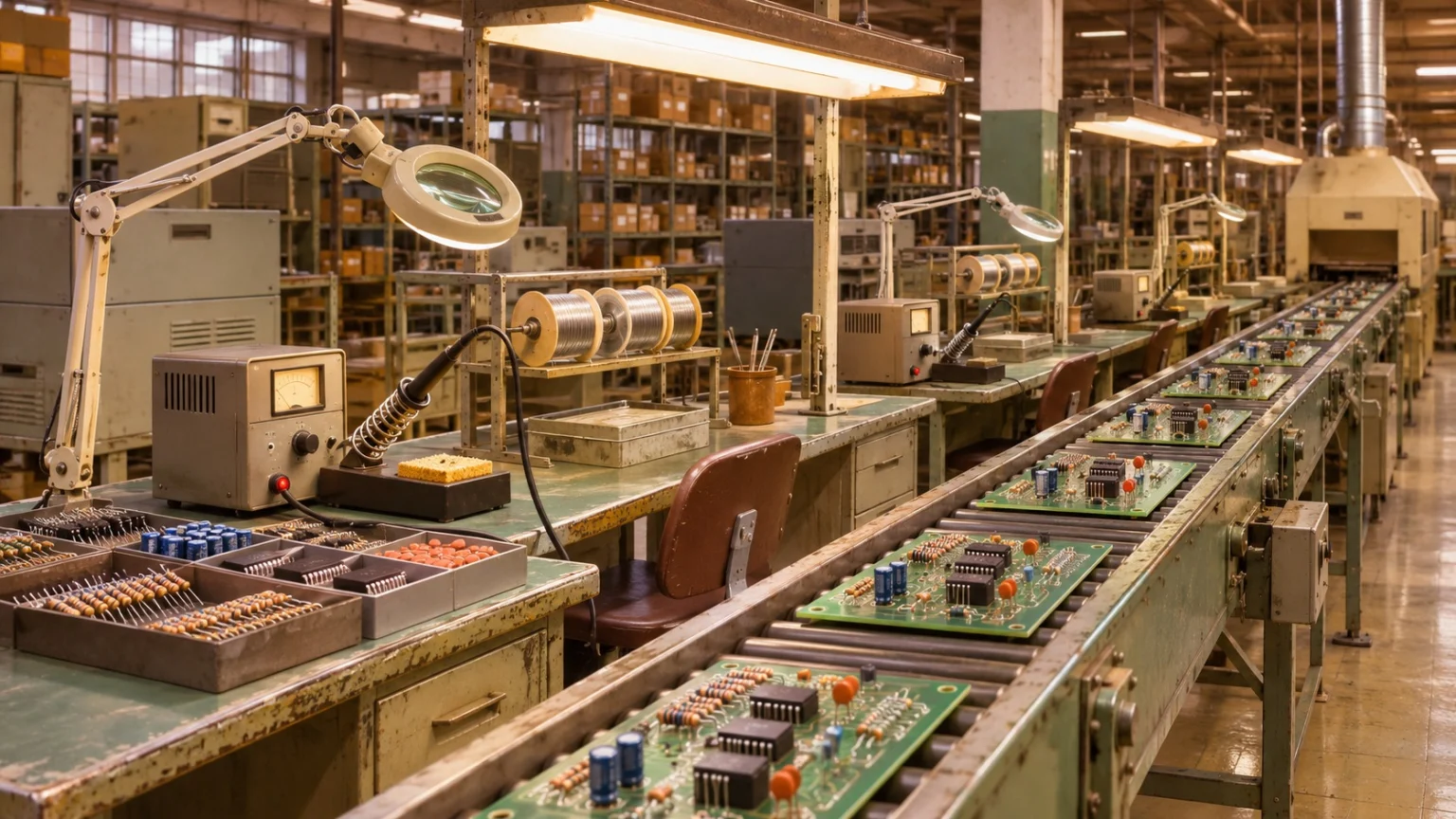
Six Sigma started in the factory of an electronics company.
(1) Bill Smith and Motorola
In 1986, American engineer Bill Smith introduced Six Sigma while working at Motorola. Motorola set Six Sigma goals for its manufacturing operations, and in 2005 it said it had saved more than 17 billion dollars with this method.
(2) Jack Welch and GE
It was General Electric (GE) that made Six Sigma widely known. In 1995, CEO Jack Welch placed it at the center of the company’s business strategy, and GE announced that it had saved 350 million dollars through Six Sigma in 1998. As the news spread, by the late 1990s about two-thirds of the 500 largest U.S. companies had begun Six Sigma.
(3) Becoming an international standard
In 2011, the International Organization for Standardization (ISO) published the first standard defining the Six Sigma process. A method that started in factory quality control came to be used widely, even in hospitals, finance, and service work.
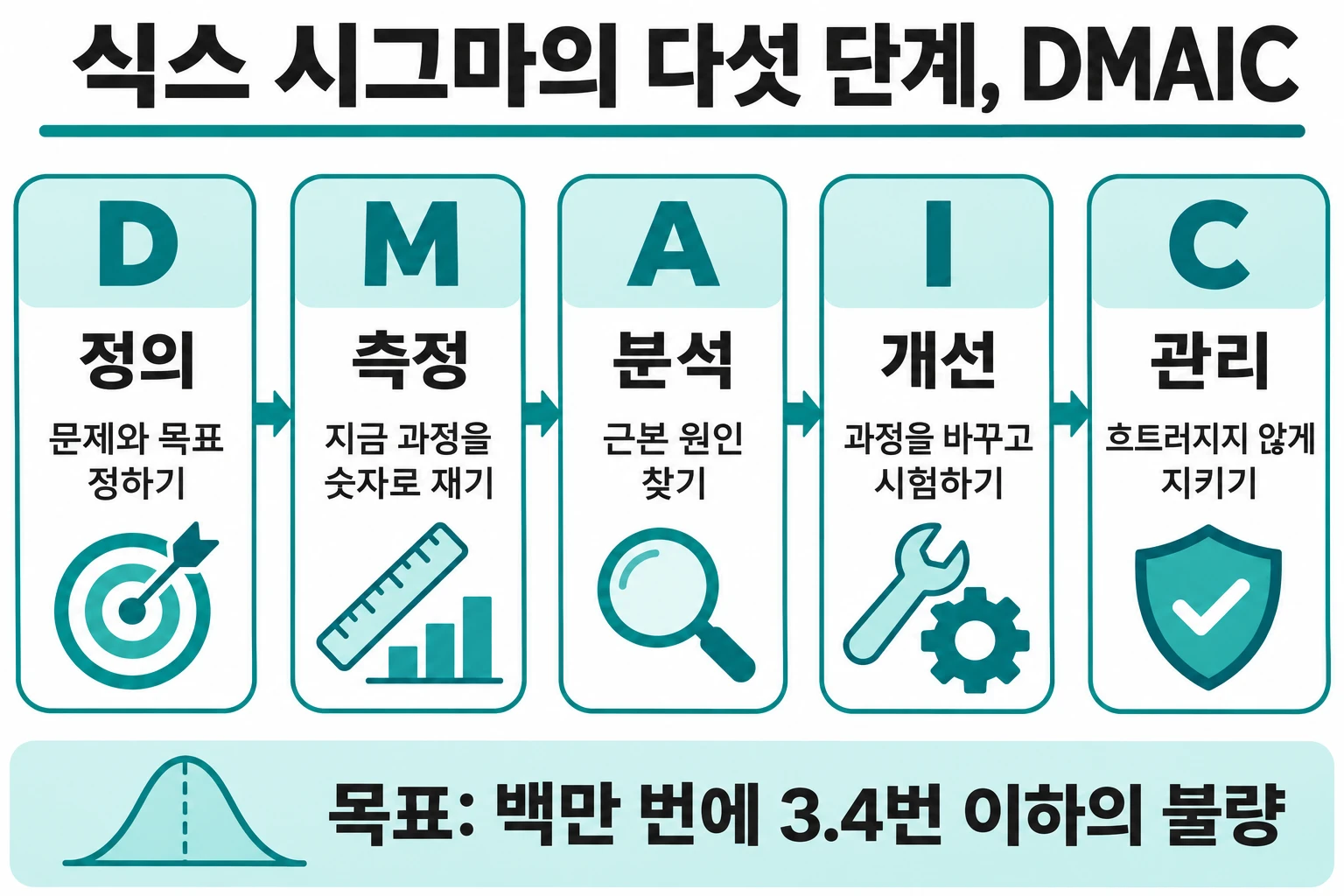
Five Steps for Solving Problems: DMAIC

Six Sigma improvement activities follow a set order, called DMAIC after the first letter of each step.
- Define: Identify what the customer wants, and clearly set the problem to solve and the goal.
- Measure: Measure the current process in numbers and collect data to understand its present performance level.
- Analyze: Use the collected data to examine cause-and-effect relationships and find the root causes of defects.
- Improve: Change the process through experiments, error-proofing devices, and the like, and confirm the effects through trial runs.
- Control: Keep steady watch with statistical control methods so the changed process does not slip back into disorder.
When designing a new product or process rather than an existing one, DMADV is used, which replaces the last two steps with Design and Verify. Either way, the key is to judge based on data that can be checked, not on guesswork.
Belt System and the Limitations of Six Sigma

Six Sigma gave ranks to people in charge of quality improvement by belt color, as in judo.
- Black Belt: Devotes all of their time to Six Sigma projects and leads improvement activities on site.
- Green Belt: Takes part in projects under a Black Belt’s guidance while still doing their regular job.
- Master Black Belt: Serves as an in-house coach who teaches and leads Black Belts and Green Belts.
But there is no shortage of criticism. Quality expert Philip B. Crosby pointed out that even 3.4 defects per million is too many. For semiconductors, in which millions of circuits must all be perfect, every chip could end up with a defect. Others say it is strong at refining existing processes but of little help in creating new products. That is why Lean Six Sigma, which combines it with the waste-reducing Lean approach, is also widely used today.
Six Sigma is a method that does not dismiss defects as bad luck or individual mistakes, but measures variation in numbers to find and remove their causes. More important than the fancy rank names is the steady habit of measuring and analyzing, then changing and maintaining.
Looking again with numbers at problems once judged by gut feeling: that is the first step of quality management toward building an organization that does not repeat the same mistakes.