
Various strategies are needed to remain competitive and promote growth in today's business environment. Among them, outsourcing is an efficient approach adopted by many companies, allowing them to reduce costs and optimize internal resources.
This article will examine in depth the adoption of outsourcing and its economic benefits, successful outsourcing strategies, and the future of outsourcing as it changes alongside technological advances.
Adopting Outsourcing: The First Step Toward Strengthening Business Competitiveness
 What Is Outsourcing?
The Definition and Purpose of Outsourcing
Outsourcing is a management strategy that involves contracting specific tasks or services to specialized external providers. This allows companies to focus on their core competencies and use their management resources more efficiently.
Beginning with the Outsourcing of Noncore Tasks
The first step in outsourcing usually involves noncore tasks. Examples include routine but important tasks such as IT support, accounting, and human resources management.
Securing Expertise and Improving Quality
Outsourcing also allows companies to secure expertise. External providers deliver high-quality services based on the experience and technology they have accumulated in their respective fields. This makes it possible to achieve goals that would be difficult to reach with internal staff alone and also contributes to improved quality.
Enhancing Flexibility in Responding to the Market
By adopting outsourcing, companies can respond more flexibly to a rapidly changing market environment. This is because they can reduce the time and costs required to expand their internal workforce and quickly draw on external resources as needed. This serves as an important factor in strengthening competitiveness.
Planning for the Successful Adoption of Outsourcing
Companies need clear goals and systematic planning to adopt outsourcing successfully. They should clearly define the scope and objectives of the tasks to be outsourced and establish the corresponding budget, schedule, and performance indicators in advance. This can minimize problems that may arise while working with external providers.
The Importance of Selecting an Outsourcing Partner
Careful consideration is also necessary when choosing an outsourcing partner. Companies should select the best partner by comprehensively evaluating the provider's expertise, reliability, and past performance. This is an important factor in building a long-term collaborative relationship.
Ongoing Management and Monitoring
Finally, ongoing management and monitoring are essential even after outsourcing has been adopted. Regular performance evaluations and feedback should help maintain the quality of work and enable appropriate action when necessary. This can maximize the benefits of outsourcing.
Cost Reduction and Efficiency: The Economic Benefits of Outsourcing
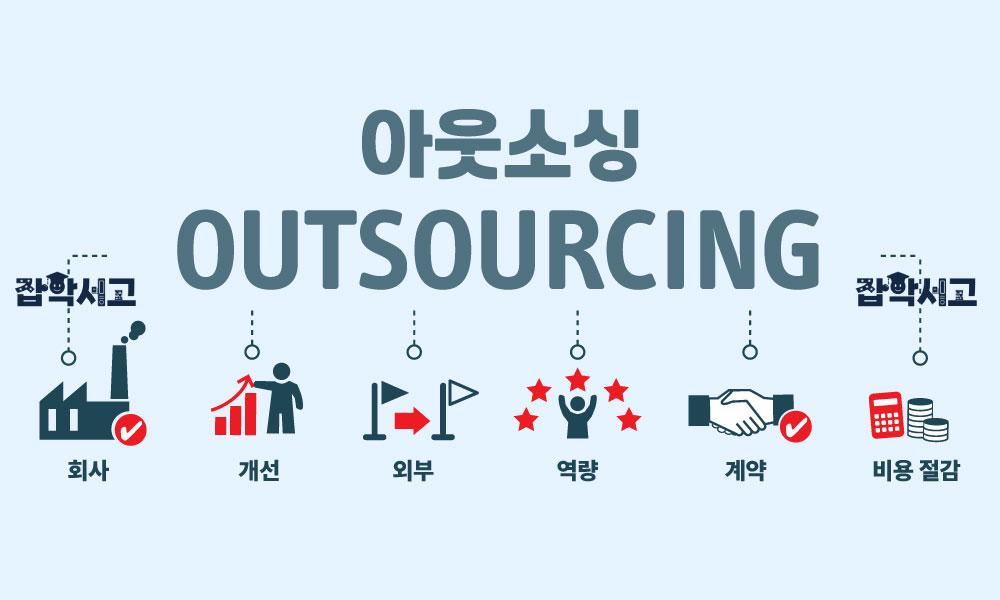 What Are the Features and Benefits of Outsourcing?
The Importance of Cost Reduction
One of the greatest advantages of outsourcing is cost reduction. Companies can gain financial flexibility by converting fixed costs into variable costs. For example, they can reduce labor costs, equipment purchase costs, and maintenance costs, which positively affects their financial health.
Maximizing Operational Efficiency
Outsourcing allows companies to maximize operational efficiency. By using high-quality services provided by specialized providers, they can improve the speed and accuracy of their work processes. This can ultimately lead to higher productivity and increased sales.
Supporting Risk Management
Outsourcing also helps with risk management. By entering into contracts with external providers, companies can distribute the risks associated with specific tasks. For example, when IT system maintenance is entrusted to an external provider, the provider can respond quickly if a system failure or security issue occurs.
Making Use of the Latest Technologies and Trends
Outsourcing allows companies to make use of the latest technologies and trends. External providers continually keep abreast of technological updates and market trends to deliver the best possible services. This enables companies to respond flexibly to a changing market environment and greatly helps them maintain a competitive advantage.
Establishing Clear Contract Terms and Performance Indicators
Establishing clear contract terms and performance indicators is important for maximizing the economic benefits of outsourcing. Contracts should clearly specify the scope of services, costs, schedules, and performance evaluation criteria to prevent future disputes. Companies should also continually improve their collaboration with external providers through regular performance evaluations and feedback.
Optimizing Internal Resources
Finally, outsourcing contributes to optimizing a company's internal resources. By contracting noncore tasks to external providers, internal staff can focus on more creative and strategic work. This plays an important role in strengthening the company's overall capabilities.
Outsourcing offers various economic benefits, including cost reduction, greater operational efficiency, risk management, and access to the latest technologies. Systematic planning and ongoing management are needed to maximize these benefits. Through these efforts, companies can become more competitive.
Successful Outsourcing Strategies and Examples
 What Is Needed for Effective and Successful Outsourcing?
Advance Preparation and a Systematic Approach
Advance preparation and a systematic approach are essential for successful outsourcing. First, companies should clearly define the tasks to be outsourced and establish the corresponding objectives and expected benefits. This plays an important role in providing clear direction when working with external providers.
Successful Examples of IT Outsourcing
IT outsourcing is a prominent example of successful outsourcing. Many Korean companies are achieving strong results by entrusting tasks such as IT infrastructure management, software development, and data analysis to specialized external providers. For example, NAVER handles data analysis and cloud services in collaboration with specialized external providers, allowing it to use internal resources efficiently and maximize cost savings and work efficiency.
Successful Examples of Call Center Outsourcing
Call center outsourcing is another example of success. Customer service is an important factor directly connected to a company's image, and outsourcing it to a specialized external provider can enable a high standard of customer support. For example, KT entrusts its customer service operations to a specialized call center provider to deliver prompt and accurate service to customers nationwide.
Selecting an Outsourcing Partner
As practical guidance, thorough consideration is first needed during the process of selecting an outsourcing partner. Companies should comprehensively evaluate potential providers' expertise, past performance, and financial stability to select the best partner. They should also specify detailed terms and performance indicators when drafting contracts so that disputes can be prevented in advance.
Ongoing Management and Monitoring
Ongoing management and monitoring are important for successful outsourcing. Companies should strengthen their collaborative relationships with external providers through regular performance evaluations and feedback and be able to take appropriate action when necessary. This can maintain the quality of work and maximize the benefits of outsourcing.
Managing and Retraining Internal Staff
Finally, managing internal staff is also important after adopting outsourcing. Since contracting tasks to external providers can change the roles of internal staff, companies should recognize this in advance and maximize the efficiency of their internal workforce through appropriate retraining and reassignment. This can contribute to improving the company's overall performance.
Thorough advance preparation and a systematic approach are essential for building a successful outsourcing strategy. These allow companies to realize various benefits, including cost reduction, maximum efficiency, and risk management. Ongoing management and the efficient assignment of internal staff can maximize the benefits of outsourcing.
The Future of Outsourcing: Technological Advances and Evolving Trends
 What Is the Outlook for Outsourcing?
Technological Advances and Changes in Outsourcing
Technological advances are having a significant impact on the future of outsourcing. In particular, technologies such as artificial intelligence (AI), robotic process automation (RPA), and cloud computing are bringing innovative changes to the scope and methods of outsourcing. These technologies allow external providers to offer better services and solutions.
The Role of Artificial Intelligence (AI) and Robotic Process Automation (RPA)
AI and RPA maximize the efficiency of outsourcing by automating repetitive, rule-based tasks. For example, chatbots have made 24-hour customer support possible in the customer service sector, making a significant contribution to improving customer satisfaction. In data analysis, AI-powered predictive analytics also supports companies' decision-making.
The Impact of Cloud Computing
Cloud computing is opening a new chapter in IT outsourcing. Cloud services allow companies to use the resources they need flexibly without building large-scale IT infrastructure. This greatly helps reduce initial investment costs and increase operational flexibility. In particular, the importance of cloud services has become even more apparent as remote work has increased following the COVID-19 pandemic.
Changing Outsourcing Trends
Outsourcing trends are changing alongside technological advances. While cost reduction was the main objective in the past, outsourcing is now used for various purposes, including improving quality, saving time, and managing risks. Multinational companies are also adopting outsourcing in various countries to strengthen their competitiveness in the global market.
An Increasingly Diverse and Segmented Outsourcing Market
The outsourcing market is expected to become more diverse and segmented in the future. For example, niche market outsourcing providers specializing in particular fields will emerge and offer more specialized services. By enabling companies to receive more refined and customized services, this offers opportunities to strengthen their competitiveness.
Sustainability and Social Responsibility
Finally, sustainability and social responsibility are also emerging as important trends in outsourcing. Companies are improving their brand image and credibility through outsourcing strategies that consider environmental protection and social responsibility. This will greatly support their sustainable growth over the long term.
Outsourcing evolves alongside technological advances and offers various economic and strategic benefits. Companies can strengthen their competitiveness by actively embracing these changes and adopting outsourcing strategies that reflect the latest technologies and trends. Developing strategies that consider sustainable growth and social responsibility is also an important task.
Outsourcing has established itself as an important strategic tool in modern business management. Through it, companies can enjoy various economic benefits, including cost reduction, improved operational efficiency, and risk diversification.
Advance preparation and ongoing management are essential for successful outsourcing, and the scope and methods of outsourcing continue to change alongside technological advances.
The future outsourcing market is expected to become more diverse and segmented, allowing companies to achieve even greater competitiveness.